
10 Unmissable Day Trips from Berlin (2026)

Berlin is a city that rewards time. The more hours you spend wandering its museums, neighborhoods, and late-night currywurst stands, the more you’ll likely fall for it. That said, once you’ve gotten yourself acquainted with Berlin, it’s well worth looking outside of it for other compelling experiences, often just a short train ride away.
Thanks to Germany’s excellent rail network, Baroque palaces, sandstone cliffs, tranquil lakes, and storybook towns are easily reached by train and all perfectly manageable in a single day. Here are the most rewarding places to visit outside Berlin.
What to See Outside of Berlin
1. Potsdam + Sanssouci Palace
How to get there: ~35-40 minutes direct regional or S-Bahn train from Berlin Hauptbahnhof to Potsdam Hbf.
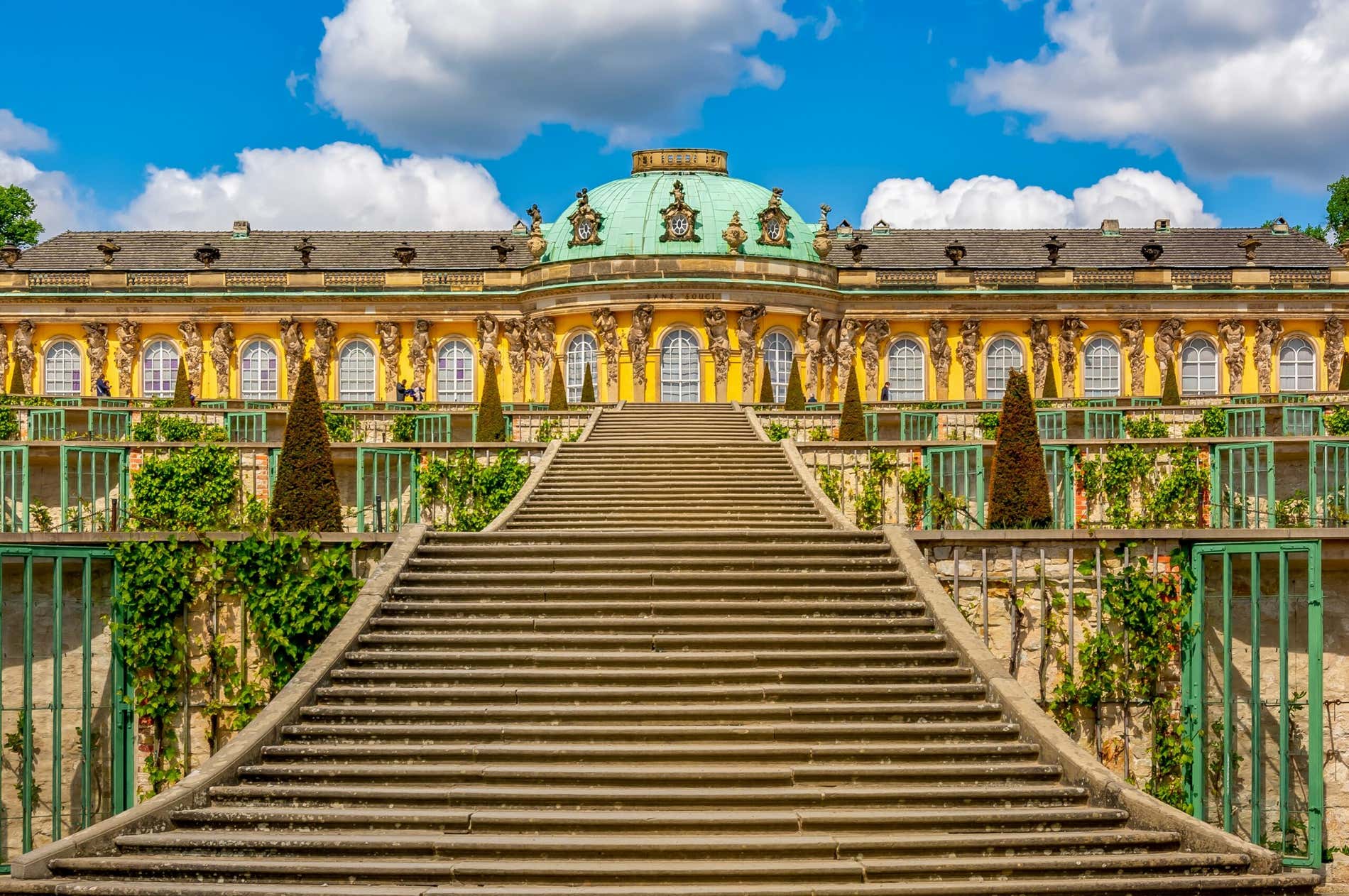
Potsdam is certainly the most popular day trip from Berlin and for very good reason. Just half an hour from Berlin, you’ll find this town, best known for its Sanssouci Palace, which dates back to 1747. This UNESCO-listed landmark is often compared to the Palace of Versailles, and while not quite as large as its French counterpart, its Rococo style, gilded interiors, and terraced vineyards are no less theatrical. Sanssouci was built as the summer retreat of Frederick the Great, the 18th-century King of Prussia, who transformed the kingdom into a major European power through military expansion, most notably during the Silesian Wars. Sanssouci Palace is located at Maulbeerallee, 14469 Potsdam. It’s generally open Tuesday to Sunday, opening at 10 am, with timed-entry tickets required in high season.
Potsdam itself is worth exploring beyond the palace. Sanssouci Park, a 290-acre expanse that surrounds the palace, is filled with landscaped gardens, ornate fountains, and smaller palaces scattered across rolling lawns. Beyond the park, the town’s compact historic center reveals pastel façades, cobbled streets, and the distinctive red-brick houses of the Dutch Quarter, while lakes and tree-lined avenues give the city a welcome tranquility that contrasts with Berlin’s hustle and bustle.
2. Dresden & Meissen
How to get there: ~2 hours direct IC/ICE train from Berlin Hauptbahnhof to Dresden Hbf.
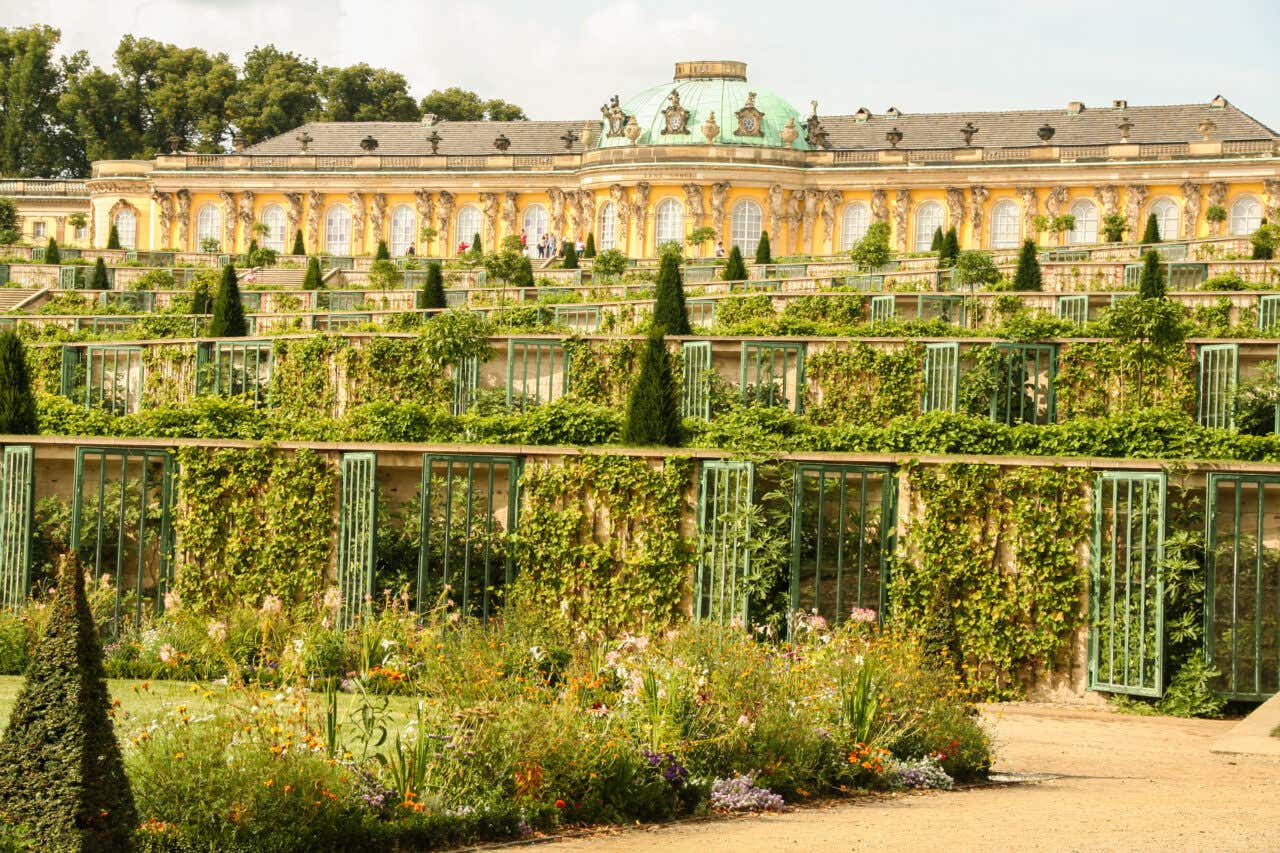
For me, Dresden is Germany’s most architecturally impressive city. The former capital of the Kingdom of Saxony, this city rose to prominence in the 18th century under Augustus the Strong, whose court transformed the city into one of Europe’s leading cultural centres. Dresden would go on to earn the nickname ‘Florence on the Elbe’ because of the way its historic skyline unfolds along the Elbe River and its extraordinary concentration of art, churches, and palaces.
The city’s architectural crown jewel is the stunning Zwinger Palace, completed in the early 18th century, consisting of a complex of gorgeous galleries and courtyards that still houses major art collections today. You also have the Semper Opera House, a reflection of Dresden’s long musical tradition, as well as the Fürstenzug, a 335-foot (102-metre) porcelain mural made from around 24,000 Meissen tiles, tracing 800 years of Saxon rulers.
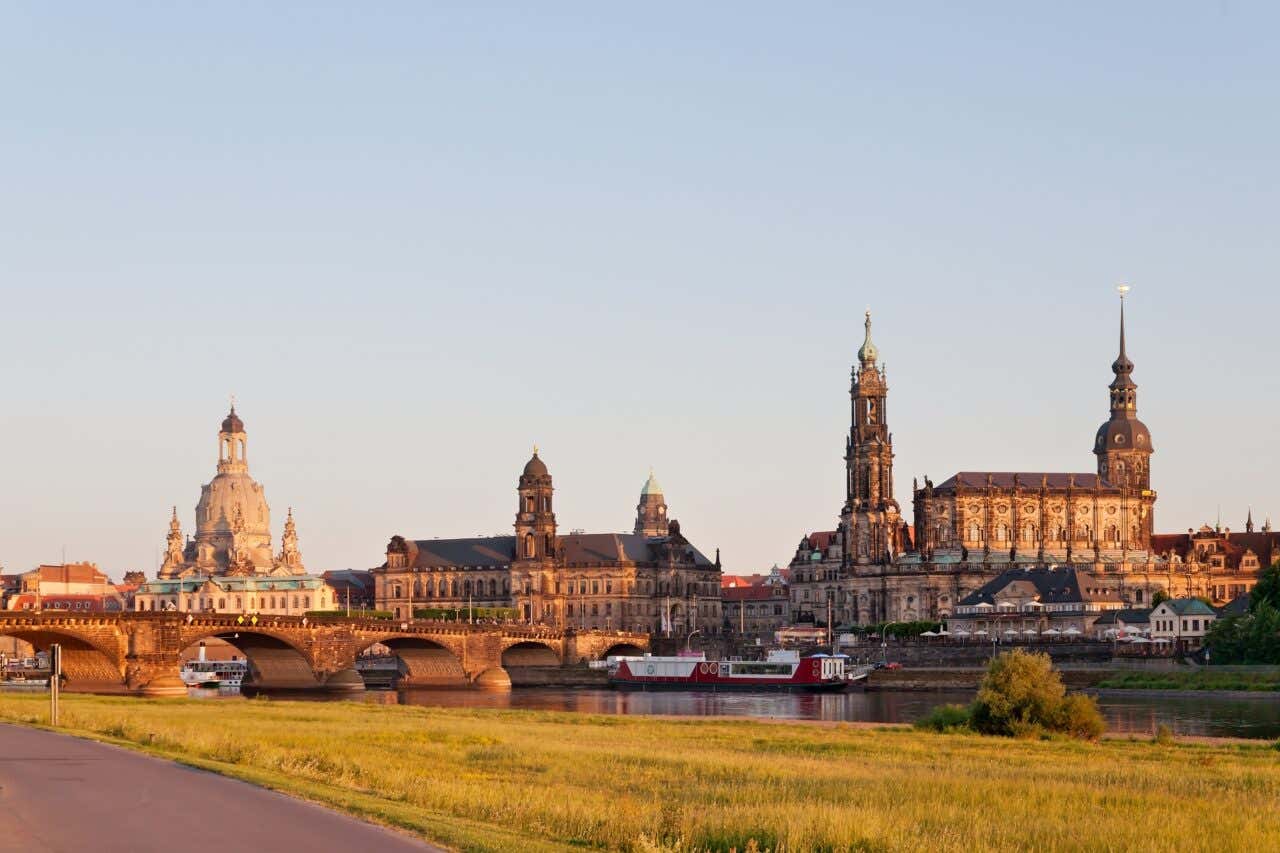
Nearby Meissen adds a quieter, medieval counterpoint. Long before Dresden’s Baroque flourish, Meissen was one of the earliest centres of German statehood, dominated by the Gothic Meissen Cathedral and Albrechtsburg Castle on a hill above the Elbe. In 1710, it became the first place in Europe to successfully produce hard-paste porcelain, breaking China’s long-held monopoly and establishing a craft tradition that still defines the town today.
One convenient way to experience both cities in a single day is on this Dresden and Meissen day trip from Berlin, which combines a guided walking tour of Dresden’s historic centre with time in Meissen, including a visit to the porcelain factory.
3. Lutherstadt Wittenberg
How to get there: ~45-55 minutes direct regional Hauptbahnhof or Südkreuz to Lutherstadt Wittenberg.
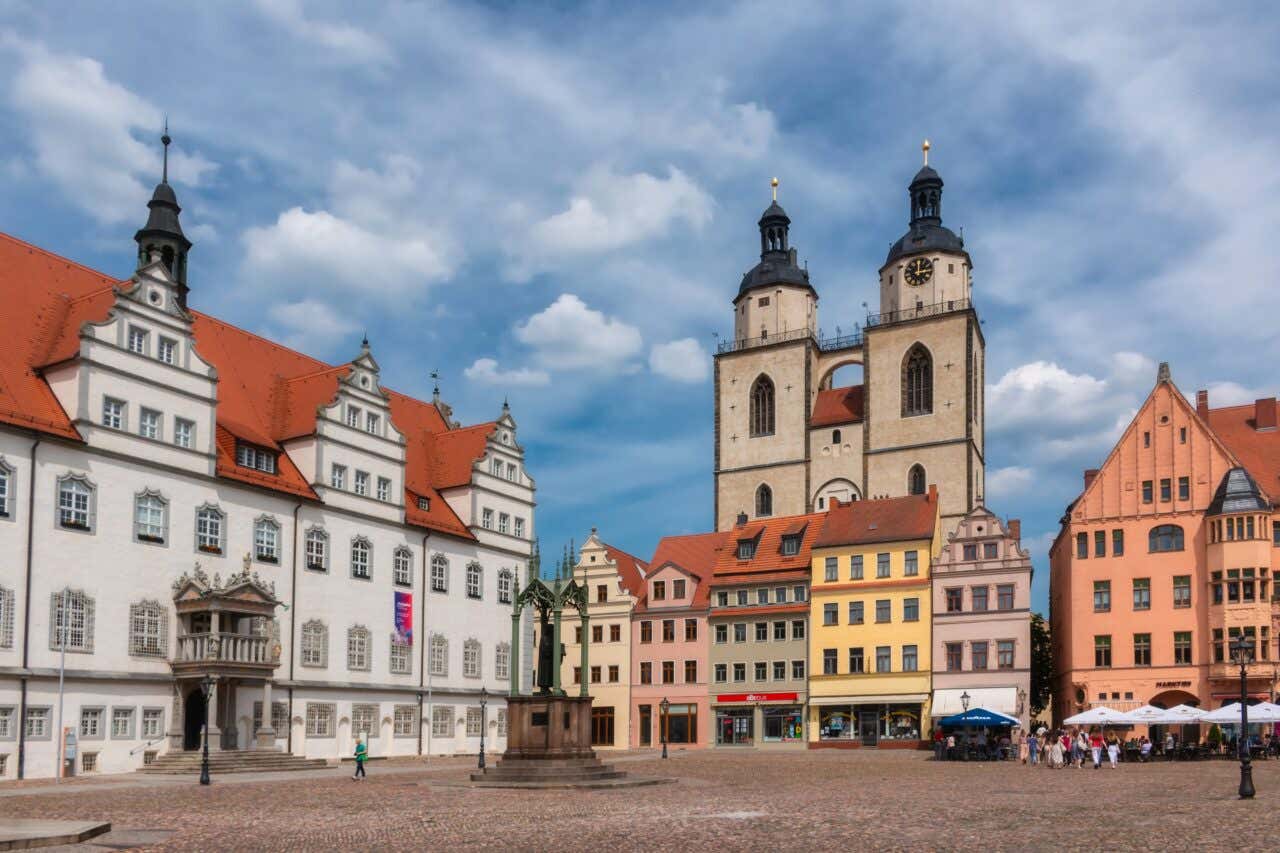
Lutherstadt Wittenberg is a compact, walkable, and historically fascinating city. It was here, in 1517, that Martin Luther is said to have published his Ninety-Five Theses, an act that would trigger the Protestant Reformation and permanently reshape religious and political life across Europe.
The town’s focal point is All Saints’ Church, where the Theses are commemorated on the church doors. Nearby, you’ll find the Lutherhaus, Luther’s former residence and now one of the finest Reformation museums, providing a fascinating context into the legendary figure’s life and writings. With its Renaissance façades, broad market square, and manageable scale, Wittenberg can be explored thoroughly in half a day without feeling rushed.
- If you’d like to experience the city accompanied by a guide, check out this Wittenberg day trip from Berlin.
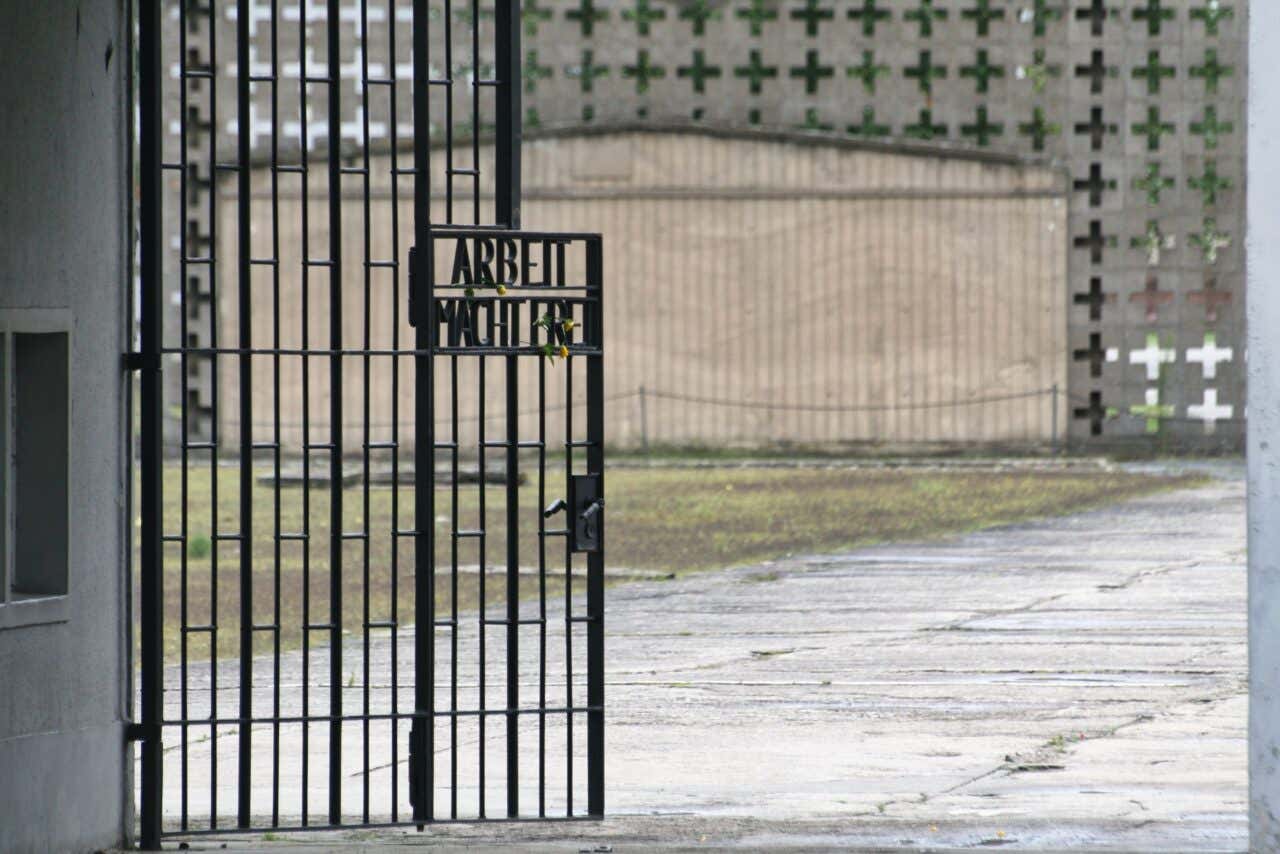
4. Sachsenhausen Memorial
How to get there: ~35–50 minutes by S-Bahn (S1/S2) or regional from Berlin Hauptbahnhof to Oranienburg, then a short bus/walk.
Established in 1936, Sachsenhausen was designed as a model concentration camp and administrative centre for the Nazi camp system. Its layout and operational structure influenced camps across the Reich. After 1945, it was used by Soviet authorities before becoming a memorial site. Today, preserved barracks, the former watchtower, and extensive exhibitions document systems of persecution, forced labour, and imprisonment under both regimes.
A practical way to combine Prussian grandeur with modern history is on this Potsdam and Sachsenhausen day trip from Berlin, which pairs Sanssouci and Potsdam’s royal landmarks with a guided visit to the memorial.
5. Spreewald
How to get there: ~75–90 minutes by regional train from Berlin Hauptbahnhof to Lübbenau (Spreewald).
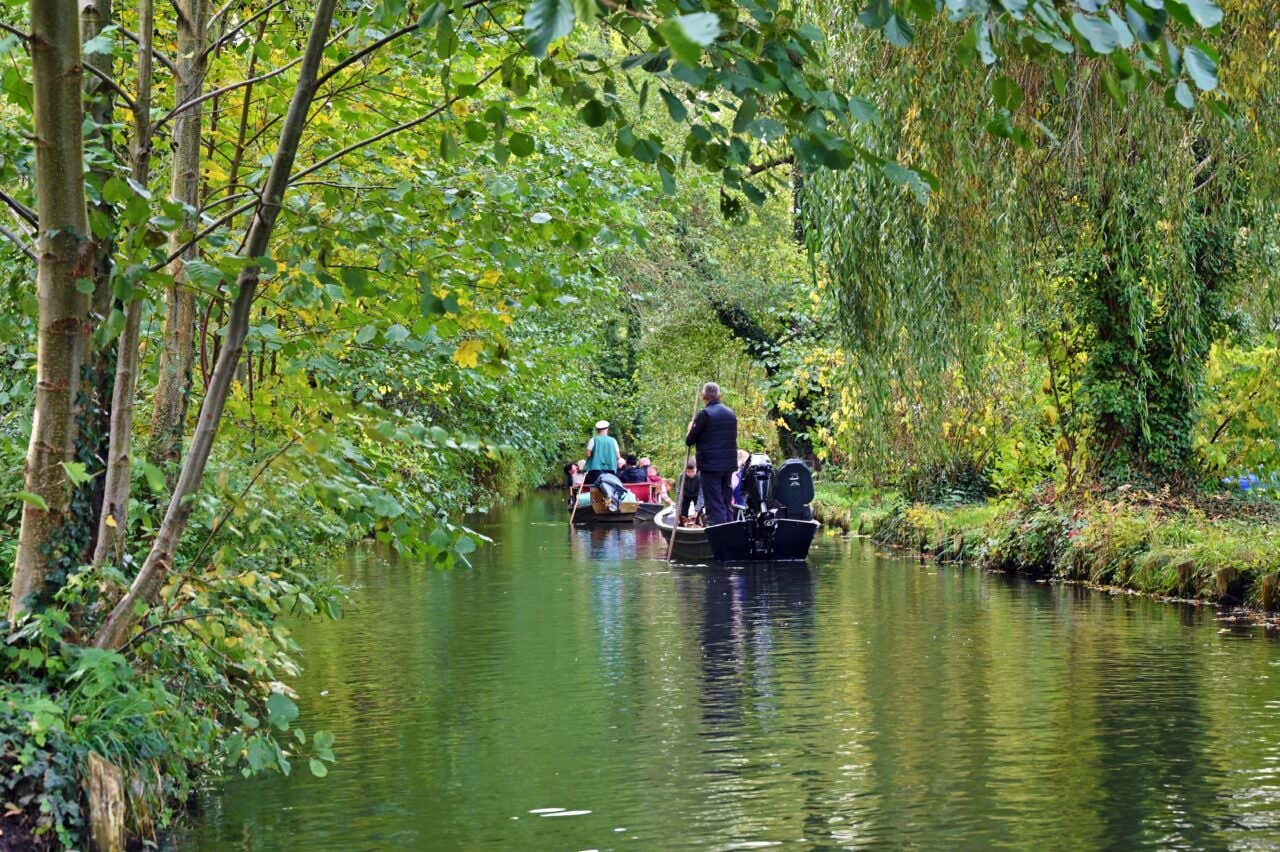
Visiting the Spreewald Biosphere Reserve offers a greater change of pace from Berlin compared to other options. Formed by hundreds of small canals branching from the River Spree, this UNESCO-protected landscape is defined by forests, wetlands, and traditional wooden farmhouses rather than monumental architecture.
The classic experience is a flat-bottomed boat ride through the narrow waterways, gliding past gardens and villages such as Lehde. The region is also home to the Sorbian people, whose language and customs remain visible in local signage and traditions.
A relaxed way to experience the canals and countryside is on this Spree Forest day trip from Berlin, which includes a traditional boat ride and time to explore the surrounding villages.
6. Leipzig
How to get there: ~1h15 direct ICE or IC train from Berlin Hauptbahnhof to Leipzig Hbf.
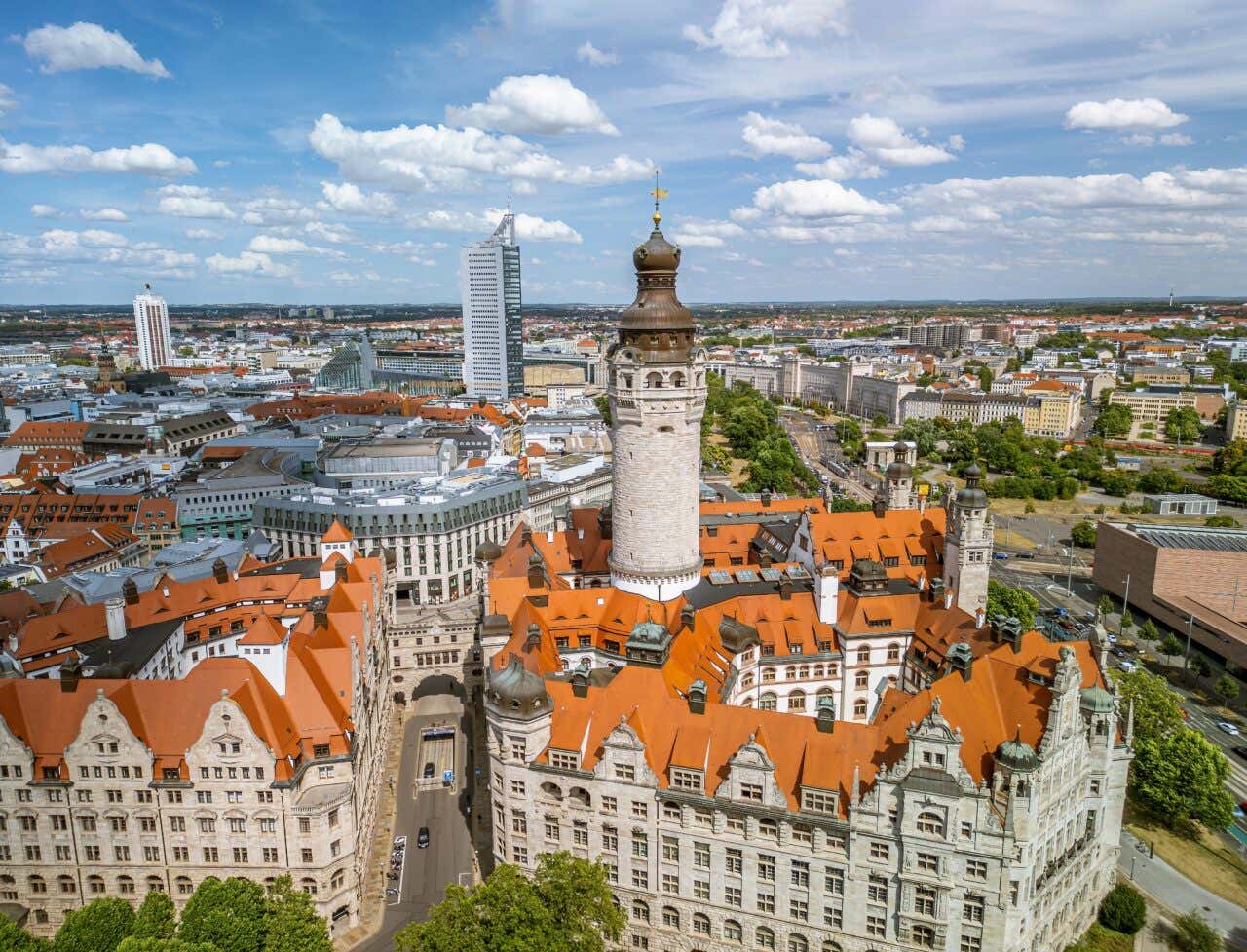
Leipzig blends itsrich history with a modern buzz. Once a major trade and publishing centre, Leipzig also played a pivotal role in the peaceful protests of 1989 that contributed to the fall of East Germany. Musically, the city is also closely associated with Johann Sebastian Bach, who was closely associated to St. Thomas Church, where he is now buried.
In recent decades, former industrial districts such as Plagwitz have transformed into cultural hubs. The Baumwollspinnerei, a former cotton mill, now houses galleries, studios, and exhibition spaces, reflecting Leipzig’s strong contemporary art scene. The city’s compact centre makes it easy to explore in a day while still feeling distinct from Berlin.
7. Wannsee
How to get there: ~30–40 minutes by S-Bahn (S1/S7) from Berlin Hauptbahnhof to Wannsee.
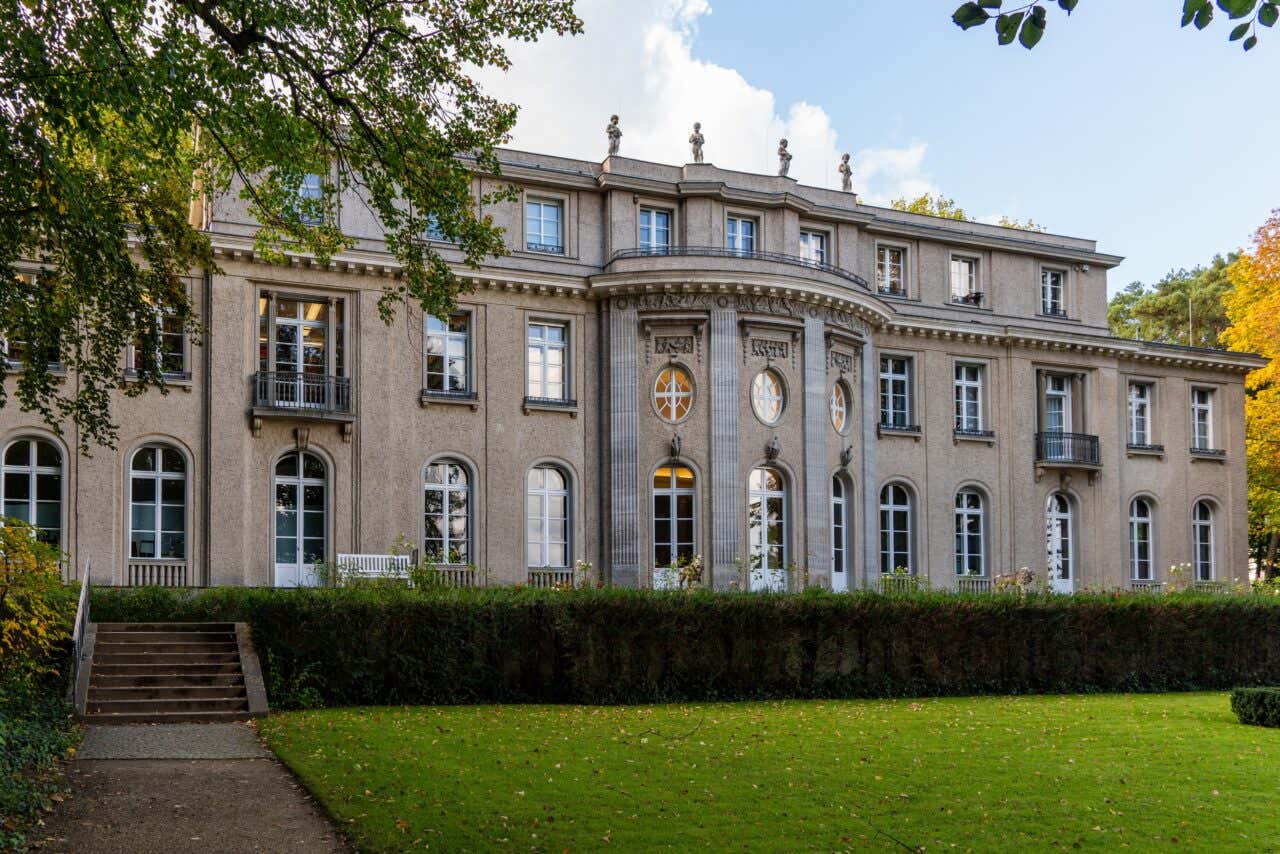
Wannsee is a place that feels removed from the capital’s intensity despite being within Berlin’s city limits. Centred around one of the largest lakes in the area, Wannsee is a place that Berliners go to relax, swim, and picnic when the sun comes out. Beyond the beach, the surrounding Grunewald forest offers wooded walking trails and lakeside paths.
8. Hamburg
How to get there: ~1h45–2h direct ICE train from Berlin Hauptbahnhof to Hamburg Hbf.
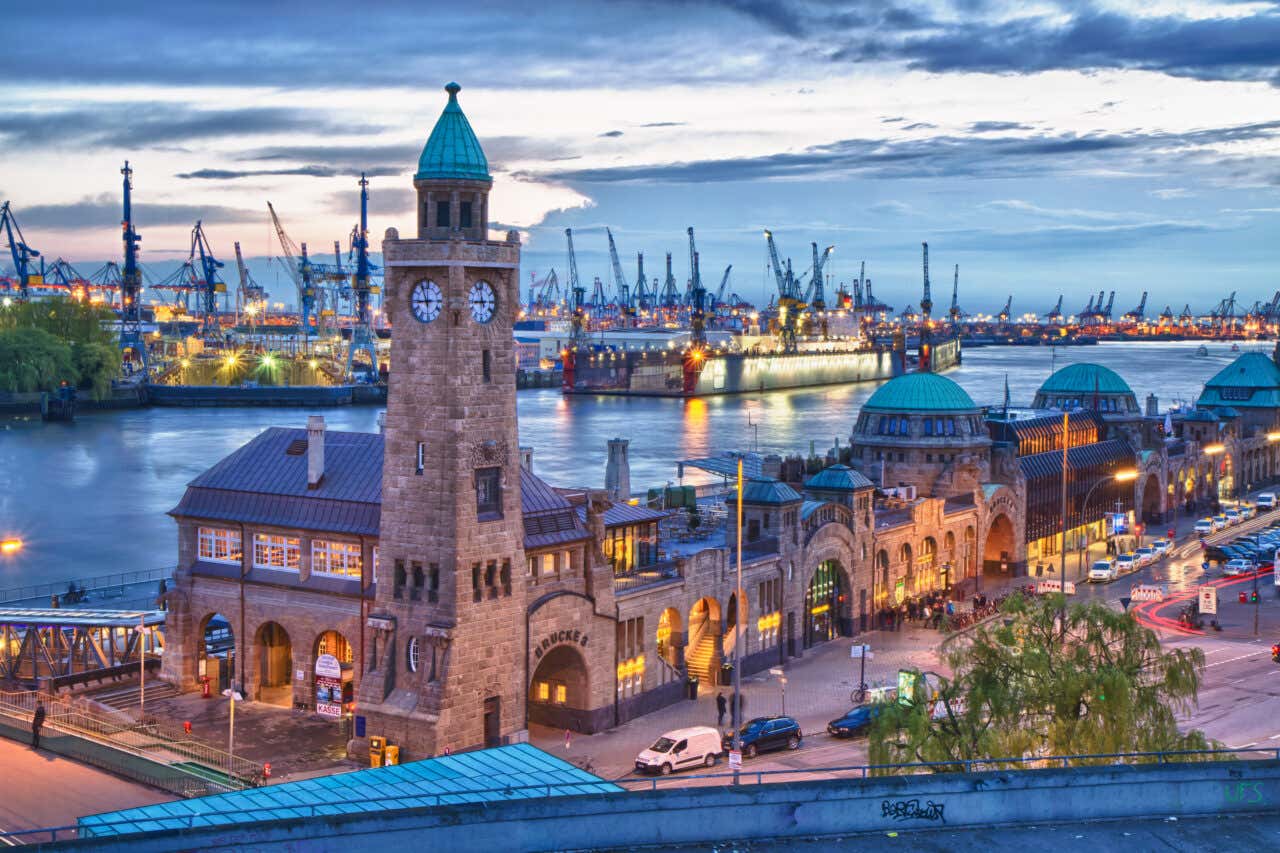
Hamburg is Germany’s second-largest city, whose identity has been significantly shaped by centuries as a major European port. That history is most visible in the Speicherstadt, a beautiful, UNESCO-listed warehouse district built between the late 19th and early 20th centuries to store goods coming and going through the port. Nearby, the Elbphilharmonie now dominates the skyline, its glass structure sitting atop a former warehouse and offering panoramic views across the harbour from its public plaza.
Beyond the waterfront, Hamburg reveals a different character. Around Jungfernstieg and the Binnenalster lake, the city feels elegant and composed, while districts such as St. Pauli and Sternschanze add a more creative, independent edge. Bridges, waterways, and harbour traffic give the city a rhythm that feels outward-looking and commercial in a way Berlin does not. It makes for an ambitious day trip, but with an early train and a focused itinerary, it is entirely manageable.
9. Magdeburg
How to get there: ~1h30–1h45 direct regional or IC train from Berlin Hauptbahnhof to Magdeburg Hbf.
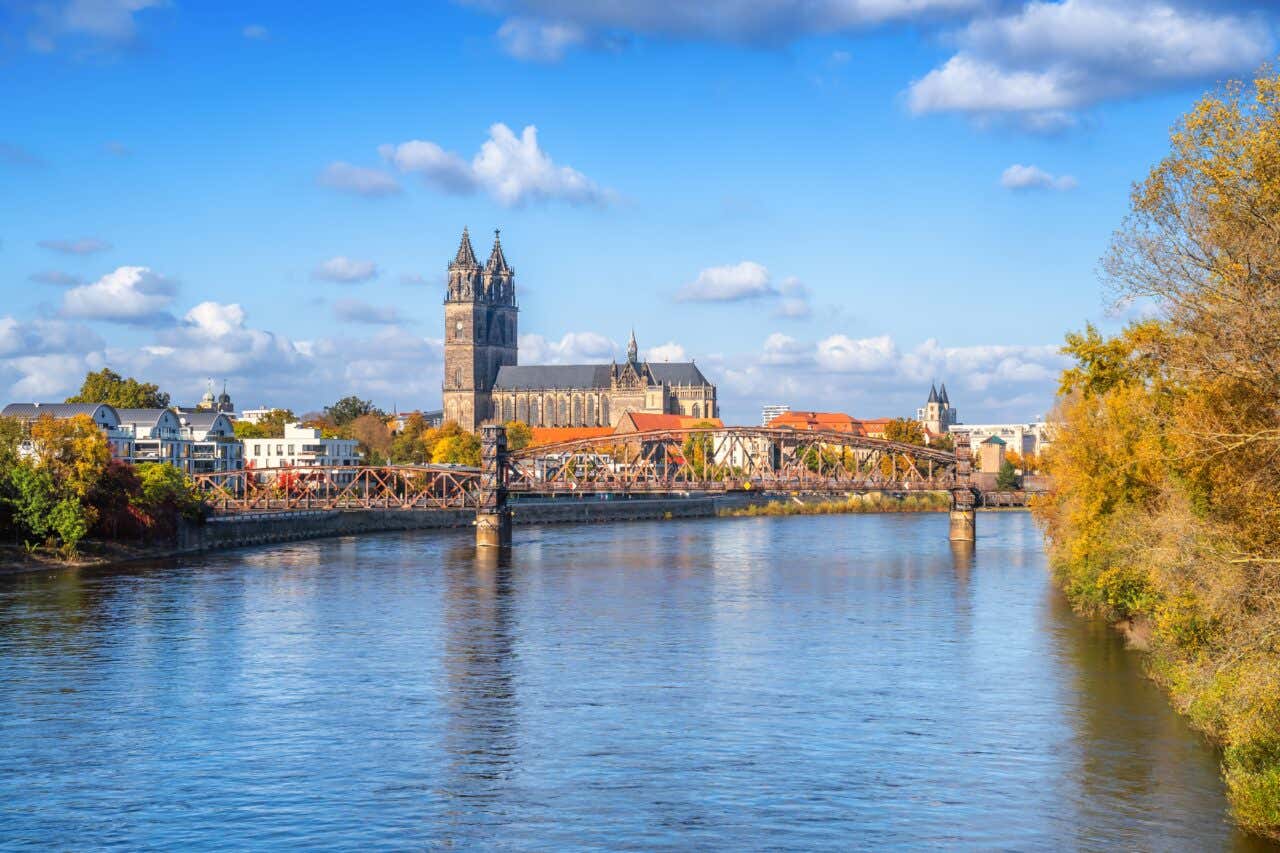
Magdeburg is one of Germany’s oldest cities and once served as a key political and religious centre of the Holy Roman Empire, particularly under Emperor Otto I in the 10th century. The city’s defining landmark is Magdeburg Cathedral, begun in 1209 and considered the first Gothic cathedral built on German soil. Its scale and stark interior reflect both medieval ambition and the city’s long ecclesiastical importance.
Today, Magdeburg has a wonderful, chill vibe, along with expansive squares and riverside paths along the Elbe that make it a joy to explore on foot. Beyond the cathedral, you’ll find remnants of medieval fortifications, leafy parks, and a compact old town that rewards a slow wander. It’s not a city of constant spectacle, but rather one that reveals itself gradually, with a calm atmosphere that contrasts with Germany’s more heavily visited cultural hubs.
10. Brandenburg an der Havel
How to get there: ~45–60 minutes direct regional train from Berlin Hauptbahnhof to Brandenburg Hbf.
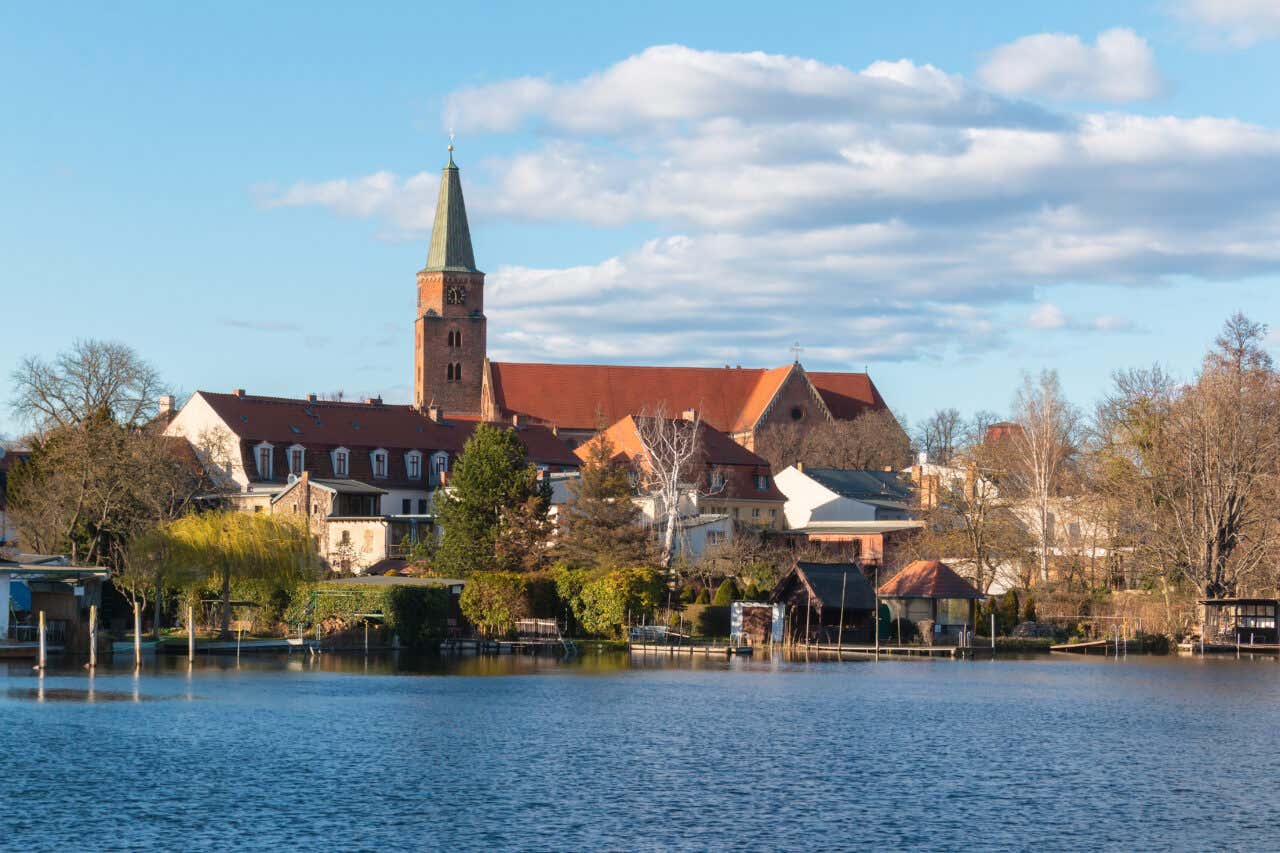
Brandenburg an der Havel predates Berlin and was once an important medieval centre in the Margraviate of Brandenburg. Spread across several islands in the Havel River, the town is defined by canals, brick Gothic churches, and low skylines rather than grand avenues.
The Cathedral of St. Peter and Paul on Dominsel anchors the historic core, its foundations dating back to the 12th century. Around it, quiet squares, modest townhouses, and riverside paths create a slower rhythm than nearby Potsdam. It’s less about headline landmarks and more about atmosphere, making it a calm, understated escape from the capital.
There you have it! Those are our picks for the best day trips from Berlin. If you’re still looking for more things to do in and around the city, check out all of our tours and experiences in Berlin!


Most read of #More of Europe
Top 10 Best Cities to Visit in Germany (2026)
2 March 202610 Secret Foodie Destinations to Visit in 2026
28 February 2026Top 11: What to Do in Belize in 2026
27 February 2026Top 11: What To Do in Marseille (Updated for 2026)
26 February 202610 Unmissable Day Trips from Berlin (2026)
26 February 2026Most read #More of Europe

10 Secret Foodie Destinations to Visit in 2026
28 February 2026Top 11: What to Do in Belize in 2026
27 February 2026Top 11: What To Do in Marseille (Updated for 2026)
26 February 2026
What to Do in Mallorca: 15 Ways to Experience the Island Life
25 February 2026Top 15: What to Do in Oaxaca, Mexico (2026)
23 February 2026What to Do in Malta: A Complete Guide (2026)
22 February 2026Top 10: The Best Cities to Visit in Mexico (Updated 2026)
21 February 2026
What to Do in Mazatlán: 12 Local ‘Musts’ Worth Your Time
20 February 2026The 11 Best Places to Visit in Ireland in 2026
19 February 2026Top 10: Places to See the Northern Lights (2026)
18 February 2026Top 10: What to Do in Barcelona + Travel Tips
17 February 2026
What to Do in Morocco: Where to Visit and What to See
15 February 2026Things to Do in Nice, the Queen of the French Riviera
15 February 2026What is the Best Island to Visit in Hawai’i? | 2026 Travel Guide
14 February 2026What to Do in Cairo: 10 ‘Musts’ in Egypt’s Capital (2026)
13 February 2026