11 Best Places to Visit in Argentina (2026)

Argentina stretches more than 2,300 miles (3,700 kilometers) from the subtropical north to the edge of Antarctica. That single fact shapes every trip here. You can stand in front of a glacier in the morning and eat empanadas in a red rock desert two flights later.
The country rewards travelers who choose a region and go deep. Below are 11 places to visit in Argentina that earn their spot, each with practical details, the best season to go, and the tours that make the logistics easy.
The best places to visit in Argentina are Iguazu Falls in Misiones, the Perito Moreno Glacier near El Calafate, the lakes and peaks around Bariloche, the multicolored Quebrada de Humahuaca in Jujuy, and Buenos Aires. Spring and fall bring the mildest weather across most of the country.
Where to Visit in Argentina
1. Iguazú Falls (Misiones)
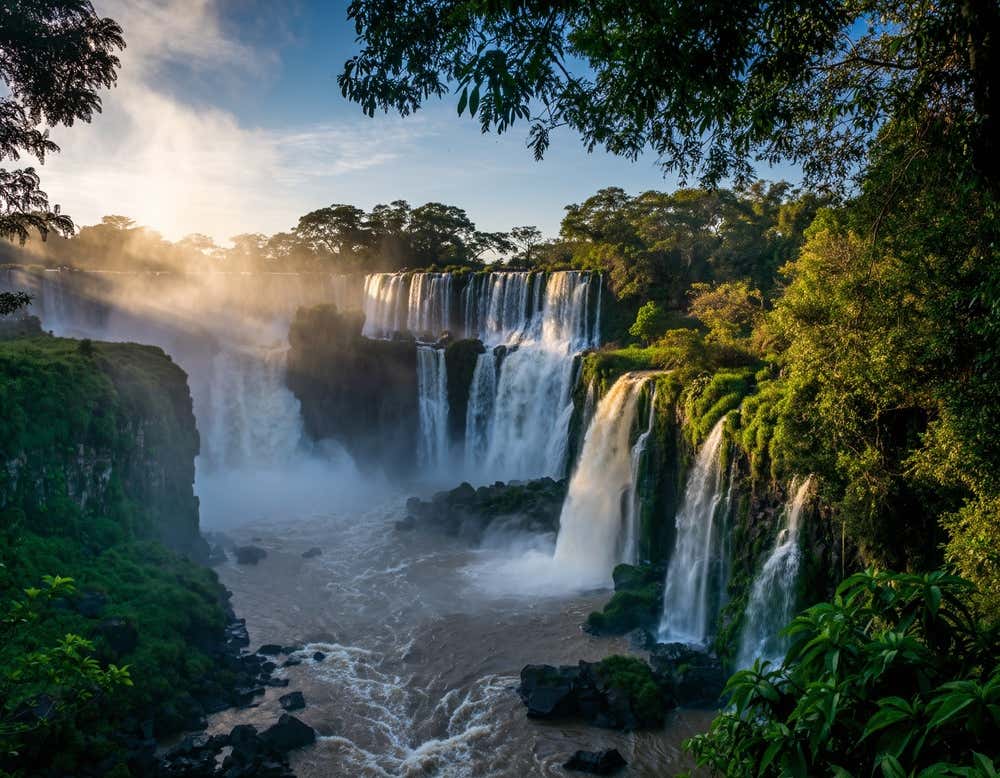
A UNESCO World Heritage Site and one of the New Seven Natural Wonders of the World, Iguazu Falls is a wall of water in the middle of the rainforest. The Argentine side holds roughly 80% of the 275 individual drops, which is why it takes a full day to see properly.
Metal walkways carry you right over the river to the Devil’s Throat, where the noise arrives before the view does. Iguazú National Park opens daily from 8 AM to 6 PM, though hours shift with the season, so it is worth checking the official site before you go. To skip the ticket lines and the driving, this Iguazu Falls tour of the Argentine side covers the full circuit with a guide.
2. Perito Moreno Glacier (El Calafate)
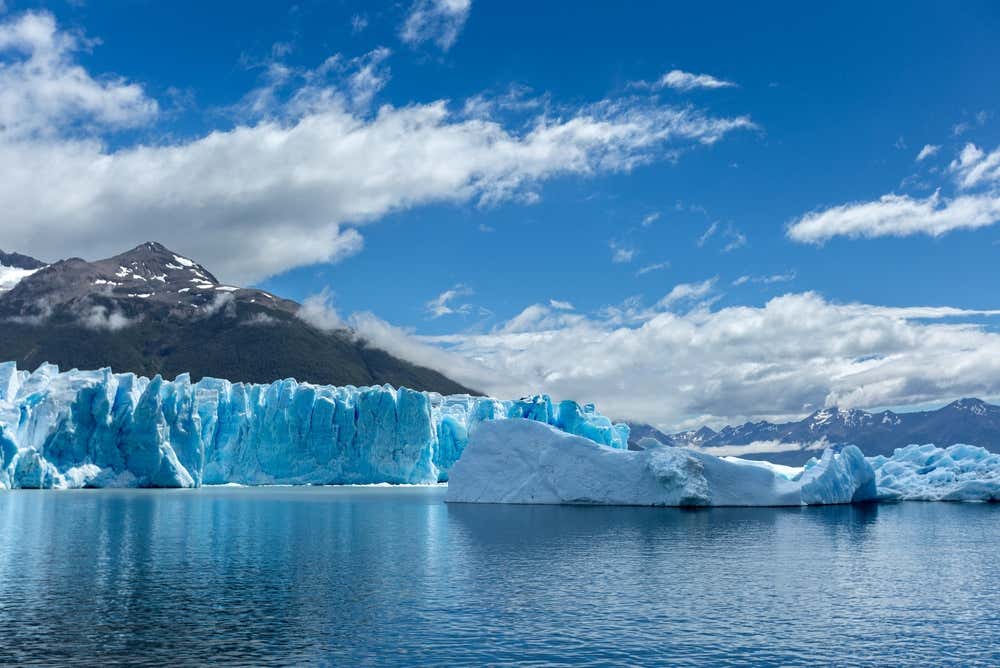
Inside Los Glaciares National Park, in Santa Cruz province, the Perito Moreno is one of the few glaciers on the planet that holds its ground instead of retreating. Its front wall rises about 240 feet (70 meters) above Lake Argentino. Every so often, a tower of ice breaks loose and the sound carries across the water.
The viewing balconies run from 8 AM to 6 PM, with seasonal changes worth confirming before you set out. You can watch from the walkways, sail up to the face on a boat, or strap on crampons and walk on the ice itself. This Perito Moreno Glacier day trip handles the two-hour drive each way. Our guide to what to do in El Calafate has more ideas for the rest of your stay.
3. El Chaltén and Mount Fitz Roy
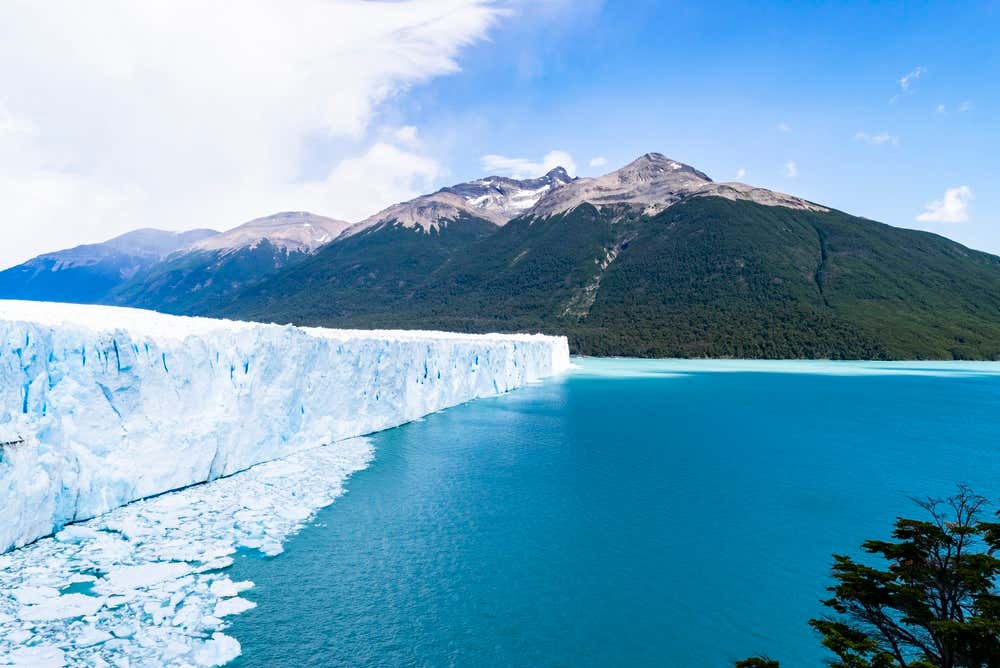
Three hours north of El Calafate sits El Chaltén, a small village that calls itself Argentina’s trekking capital and means it. Trails start at the last street of town, so you need no car and no shuttle. Mount Fitz Roy, at 11,020 feet (3,359 meters), gives the skyline its jagged profile.
The classic walk to Laguna de los Tres takes a full day and ends at a glacial lake right under the granite towers. If you would rather have a guide read the weather and set the pace, the Laguna Torre hike is a gentler introduction to the same landscape. Come between November and March, when the trails are clear, and daylight runs long.
4. San Carlos de Bariloche (Río Negro)
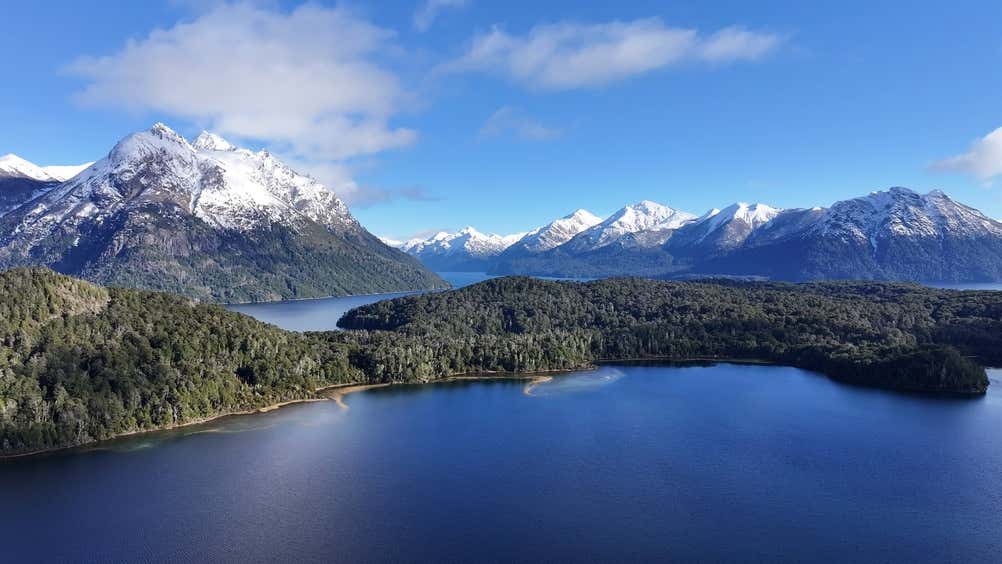
Wrapped around Lake Nahuel Huapi with the Andes behind it, Bariloche mixes alpine architecture, forest trails and a chocolate tradition the town takes seriously. In winter, Cerro Catedral becomes one of South America’s main ski areas. In summer, the same slopes fill with hikers and the lakes fill with boats.
The signature drive is the Circuito Chico, a 37-mile (60-kilometer) loop past viewpoints, beaches and the Llao Llao peninsula. To see it without renting a car or reading a map at every junction, book this panoramic tour of Bariloche’s Circuito Chico, which runs about four hours.
5. Mendoza and the Andes
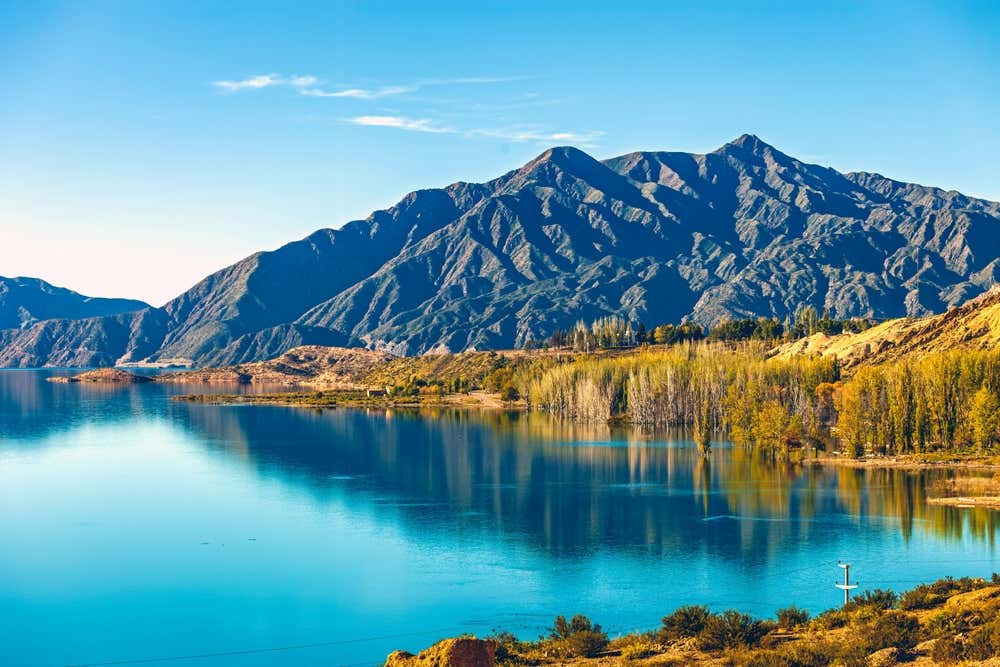
Mendoza is the heart of Latin American wine and it sits at the foot of the Andes, which gives every vineyard a backdrop of snow. Malbec is what most people come for, though the region grows plenty more. Cellar doors range from family operations to glass-and-concrete showpieces.
The province is also the gateway to Aconcagua Provincial Park, home to the tallest mountain in the Americas at 22,838 feet (6,961 meters). The park is generally open from 8 AM to 6 PM in the summer high season, with reduced winter access, so confirm before you drive up. The Andes high mountain day trip from Mendoza covers the route to the Aconcagua viewpoint, and a winery tour with tastings is the natural way to spend the following day.
6. Quebrada de Humahuaca (Jujuy)
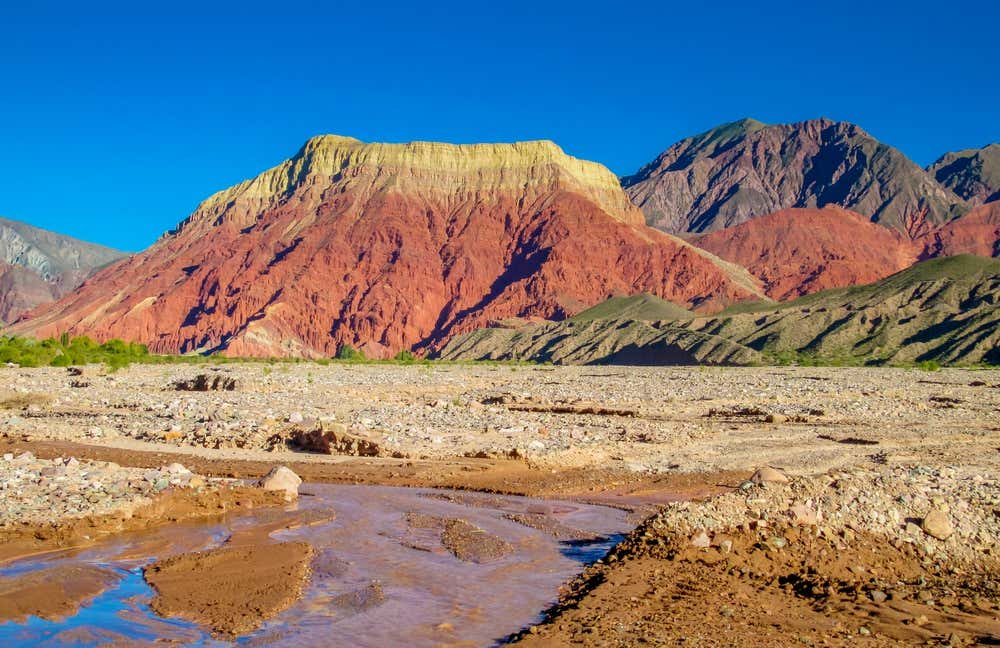
The Quebrada de Humahuaca is a narrow desert valley in Jujuy province, listed by UNESCO for a cultural route that has been in use for 10,000 years. Villages like Purmamarca, Tilcara and Humahuaca keep their adobe streets, their weaving and their Andean festivals.
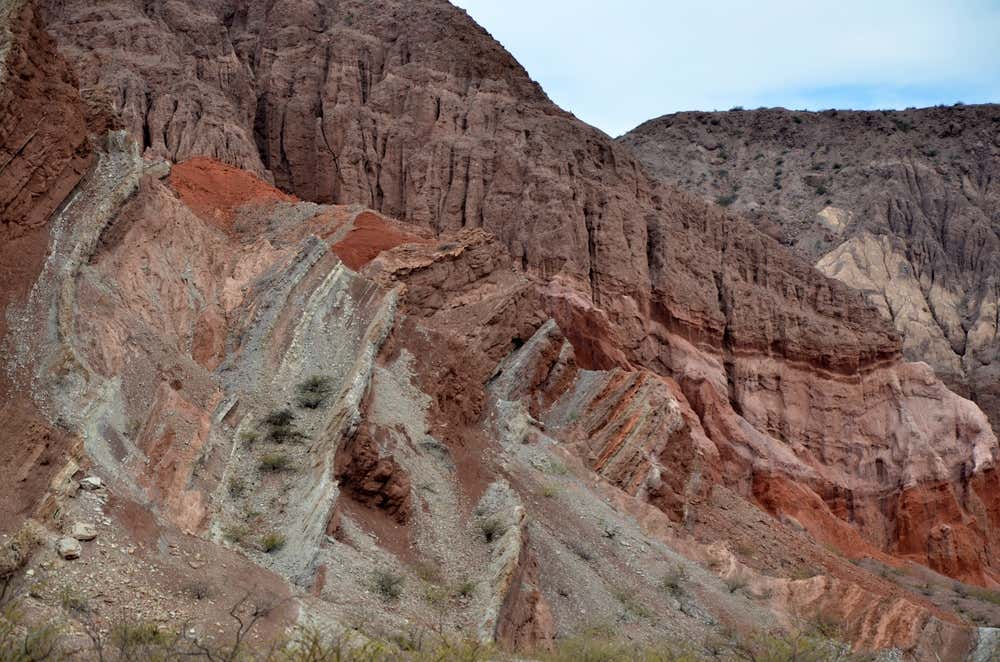
The colors are the reason to come. Purmamarca has the Hill of Seven Colors behind the main square, and an hour further north the Serranía de Hornocal shows a limestone ridge striped in 14 shades. Mountain roads here climb above 13,000 feet (4,000 meters), so this Humahuaca and Hornocal tour is the relaxed way to reach the viewpoint.
7. Salinas Grandes (Jujuy and Salta)
Two hours west of Purmamarca, the road climbs the Cuesta de Lipán and drops onto a salt flat that covers about 82 square miles (212 square kilometers). The surface is bright white and cracked into hexagons, and after summer rain a thin film of water turns the whole plain into a mirror.
Local cooperatives still harvest salt here by hand, and they run the short walks that explain how it works. Because the pass tops out above 13,600 feet (4,170 meters), take the altitude gently and drink plenty of water. This Salinas Grandes and Hill of Seven Colors tour pairs both landscapes in a single half day.
8. Ushuaia (Tierra del Fuego)
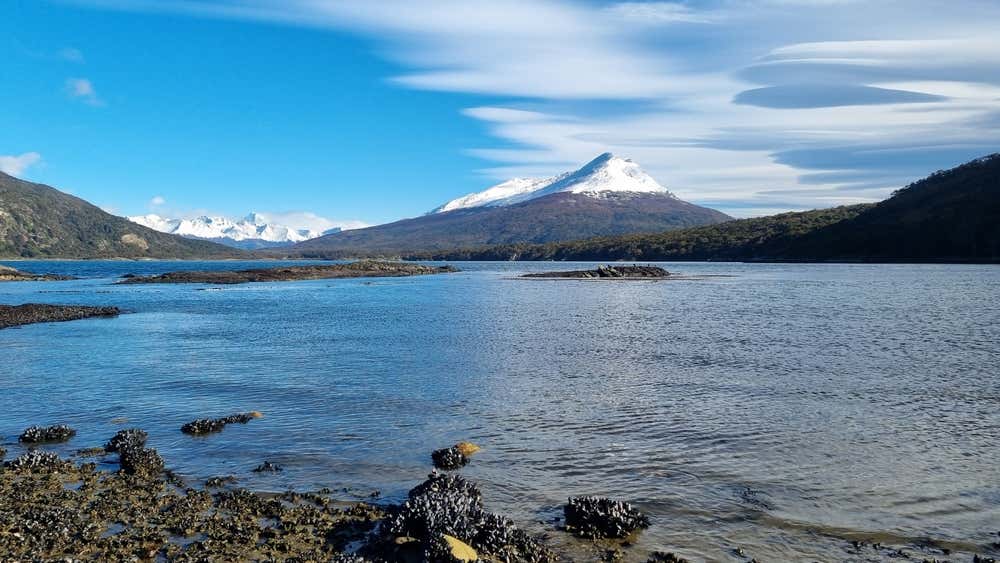
Ushuaia bills itself as the city at the end of the world and the geography backs it up. It sits on the Beagle Channel with the last folds of the Andes at its back, and it is the departure point for most Antarctic voyages. Sea lions, cormorants and, in season, penguins are a short boat ride away.
Tierra del Fuego National Park usually opens from 8 AM to 8 PM in summer and shortens its hours in the colder months, so check the day before. To combine the southernmost forests on the continent with a ride on the old prisoners’ railway, reserve this Tierra del Fuego National Park trip with the End of the World Train. A Beagle Channel cruise to Sea Lion Island makes a good second morning.
9. Valdés Peninsula (Chubut)
On the Atlantic coast of Patagonia, the Valdés Peninsula is a UNESCO World Heritage Site and one of the best wildlife stages in South America. Southern right whales calve in its sheltered gulfs, elephant seals haul out on the beaches, and orcas patrol the shoreline at Punta Norte.
Whale season generally runs from June to December, with the peak around September and October, though exact dates shift year to year. Base yourself in Puerto Madryn and take this Valdés Peninsula day trip with whale watching to cover the reserve and get out on the water in one go.
10. Buenos Aires
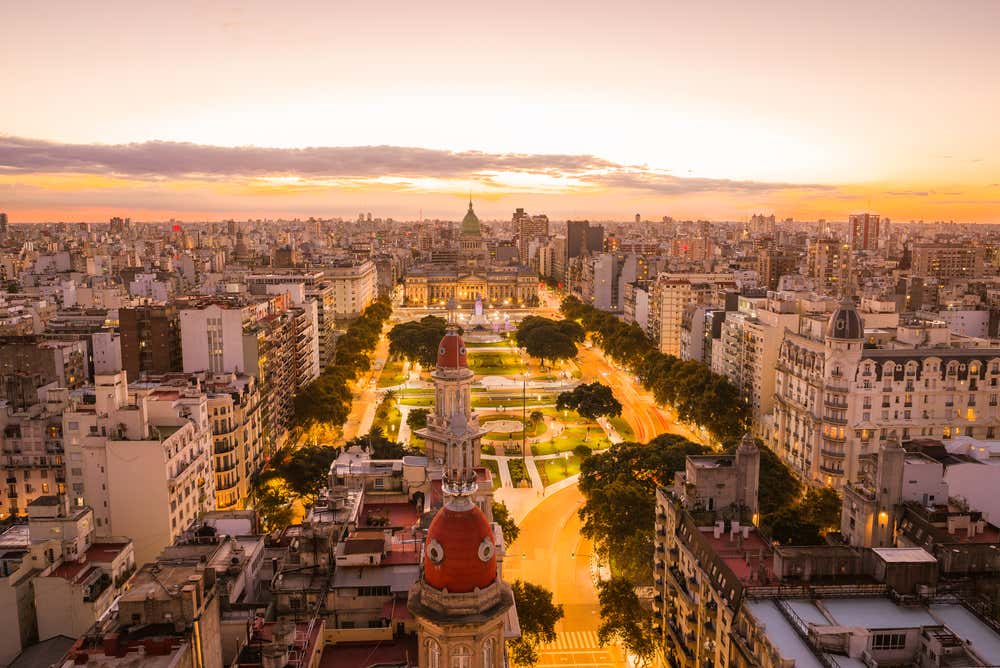
The capital rewards walking. San Telmo has the Sunday antiques market, La Boca has the painted houses of Caminito, Recoleta has its cemetery and its cafés, and Palermo has the parks and the best dinner tables in the city. Bookshops here sit inside old theaters, and nobody eats before 9 PM.
Teatro Colón is the landmark worth planning around, widely rated among the finest opera houses in the world for acoustics. For a first pass at the historic center with someone to explain what you are looking at, this guided tour of Buenos Aires covers Plaza de Mayo, the Obelisco and Palacio Barolo in two hours. Save an evening for a tango show with dinner.
11. Salta and the Quebrada de las Conchas
Salta keeps one of the best preserved colonial centers in the country, with a pink cathedral on the main square and cafés under the arcades. It is also the starting point for Route 68, which runs about 115 miles (185 kilometers) south to Cafayate through the Quebrada de las Conchas.
Erosion has carved the red sandstone into shapes with names to match: the Devil’s Throat, the Amphitheater, the Obelisk. Cafayate at the end of the road makes Torrontés, a crisp white that grows well at 5,600 feet (1,700 meters). This Cafayate day trip from Salta combines the canyon stops with a winery tasting.
12. Practical Tips for Traveling to Argentina
A little planning goes a long way in a country this size. Keep these points in mind as you build your route:
- Documents: US citizens can enter Argentina for tourism with a passport valid for the length of the stay, and no visa is required for short visits. Confirm current entry requirements with the Argentine embassy before you fly, since rules change
- Money: the Argentine peso is the local currency. Cards are widely accepted in cities, and it helps to carry some cash for rural stops, tips and small purchases
- Distances: domestic flights save days. Buenos Aires to Ushuaia is roughly 1,500 miles (2,400 kilometers), so plan on flying rather than driving between regions
- Seasons: the seasons are reversed from the northern hemisphere. Patagonia is at its best from November to March, while the northwest is more comfortable from May to October
- Opening hours and prices: park hours, ferry schedules and tour prices vary by season, so confirm them with the official source shortly before you travel
Argentina at a Glance
Argentina is not a country you finish in one trip, and that is part of its appeal. Pick two regions that pull you in different directions, give each of them room to breathe, and let the flights carry you between them.
Booking the key excursions ahead of time takes the pressure off once you land, especially in Patagonia during high season. Have a look through Civitatis’s full catalog and put the pieces of your route together before you go.


Most read of #South America
What is a Free Tour & How Much do They Cost?
16 October 202615 Bucket List Travel Experiences to Gift in 2026
14 October 2026What to Do in Athens: 11 ‘Musts’ in the Greek Capital
13 October 2026Top 11: What to Do in Belize in 2026
12 October 202611 Unmissable Day Trips from Rome (& How to Get There)
11 October 2026Top 12: What are the Best Things To Do in NYC With Kids? (2026)
10 October 2026Most read #United States

Iconic Food in Chicago: 17 Dishes You Have to Try
30 September 2026Best Time to Visit Hawaii: A Season-by-Season Guide
29 September 2026
NBA Game Tickets in New York: A Complete Guide
3 June 2026Top Fun Facts About New York
3 June 2026
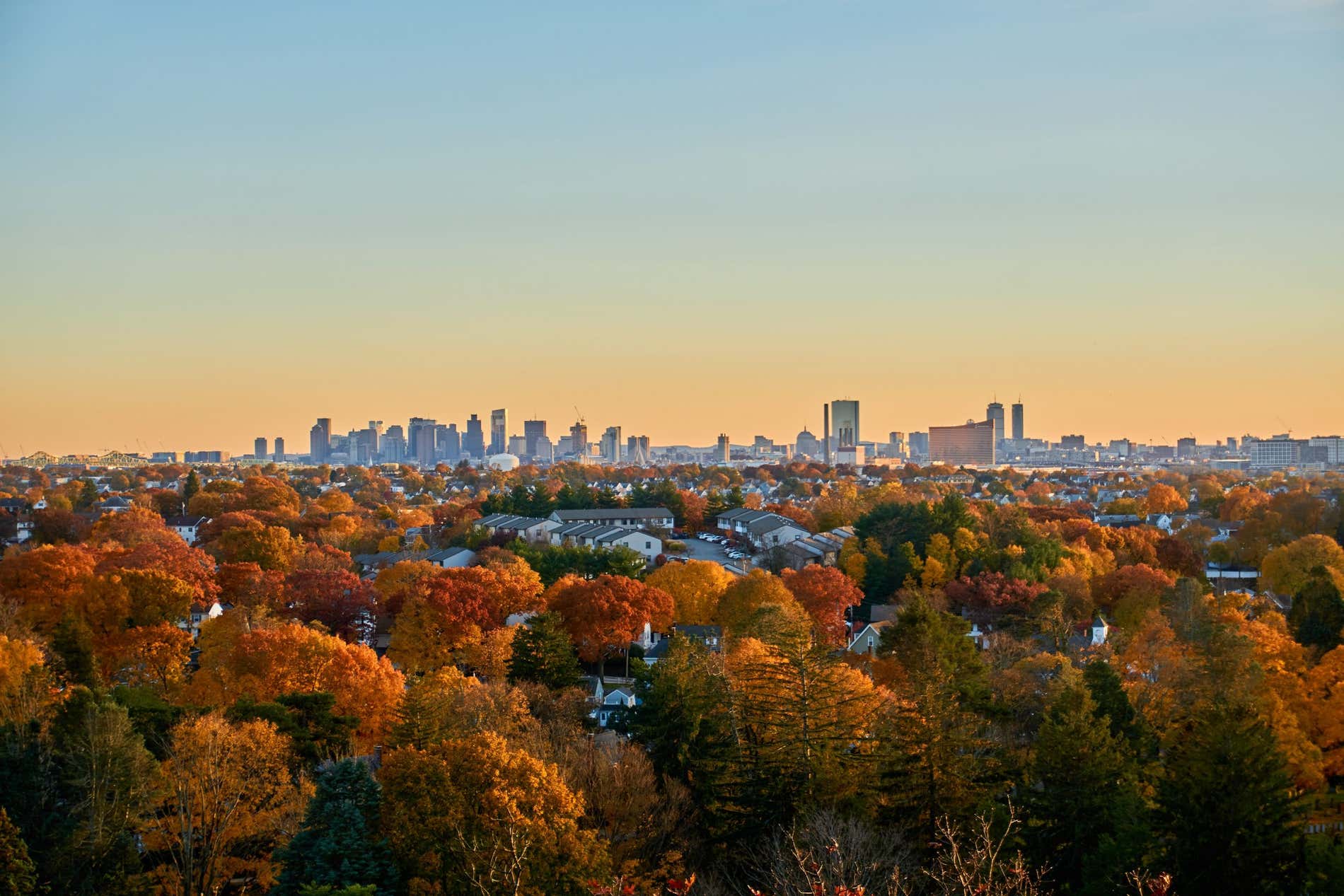
The Ultimate 3-Day Boston Itinerary for First-Time Travelers
14 January 2026Top 11: Best Day Trips from Miami (2026)
10 January 2026The 12 Best Day Trips from Los Angeles (+ Travel Time)
22 November 2025Top 11: Things to Do in Las Vegas Besides Gambling
14 February 2025Top 10: Things to Do in Washington, DC
22 November 2024