Best Time to Visit Hawaii: A Season-by-Season Guide

Hawaii is warm all year, with sea breezes, bright sunshine, and water you can swim in any month. That makes choosing the best time to visit Hawaii less about finding good weather and more about what you want from your trip: lower prices, fewer crowds, humpback whales, or giant winter waves.
The best time to visit Hawaii is during the shoulder seasons, from April to May and September to October, when the weather is warm and dry, crowds are thinner, and hotel prices drop. Winter, from December to April, is best for whale watching and big-wave surfing.
Season-by-Season Guide to Visiting Hawaii
Hawaii Weather at a Glance
Hawaii’s Two Seasons
Hawaiians traditionally recognize just two seasons: kau, the dry season from May to October, and hoʻoilo, the wetter season from November to April. In Honolulu, average highs range from around 80°F (27°C) in January to about 89°F (32°C) in August, and the ocean stays between roughly 75°F and 81°F (24°C and 27°C) all year. The difference between seasons is more about rain than temperature.
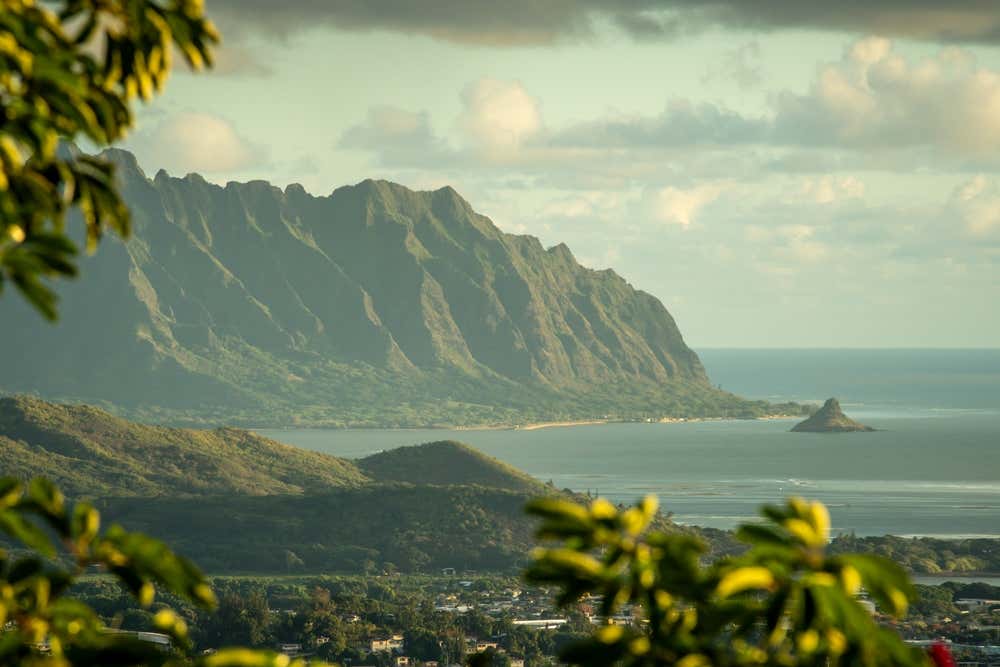
Where you stay matters as much as when you go. On every island, the northeast-facing windward coasts catch most of the rain and stay lush and green, while the leeward coasts, like Waikiki on Oahu, Kihei on Maui, and Kona on the Big Island, are much sunnier and drier. Winter showers are usually short, and they often end with a rainbow.
Hawaii Season by Season
Winter (December to February)
Winter is peak season, as travelers from the mainland escape the cold, so prices are highest around Christmas, New Year’s, and Presidents’ Day. It’s also the height of humpback whale season, and on Oahu’s North Shore, huge swells roll in and draw surfers from all over the world. Expect a few more showers, especially on the windward coasts, but plenty of sunny beach days too.
December brings the Honolulu Marathon, and the holidays are celebrated island-style, with lights on palm trees and Santa arriving by outrigger canoe. If you’re traveling at this time, book flights and hotels as early as you can.
Spring (March to May)
Spring is one of the best-value times to go. March can still be busy with spring break, but from mid-April the crowds fade, the rains ease off, and prices start to fall. Whales are still around in March and early April, and the islands are at their greenest after the winter showers.
The week after Easter, Hilo on the Big Island hosts the Merrie Monarch Festival, the most prestigious hula competition in the world. On May 1, Lei Day fills the islands with flower garlands and celebrations of Hawaiian culture.
Summer (June to August)
Summer is the driest and hottest time of year, and the north shores turn calm, making them great for swimming and snorkeling. It’s a popular season for families, so prices rise again and beaches get busier. King Kamehameha Day, on June 11, is celebrated with parades and floral tributes.
Hurricane season officially runs from June 1 to November 30. Direct hits are rare, but it’s worth checking the forecast before you travel and considering flexible bookings.
Fall (September to November)
Fall is often the cheapest time to go to Hawaii. Summer crowds are gone, the weather is still warm and mostly dry, and hotels and flights tend to offer their best deals until the holiday rush. September’s Aloha Festivals celebrate Hawaiian music, dance, and food with events across the islands.
By November, the first big winter swells reach the North Shore, and the famous winter surf contests begin. Thanksgiving week is the one exception to fall’s low prices.
Best Time for Whale Watching in Hawaii
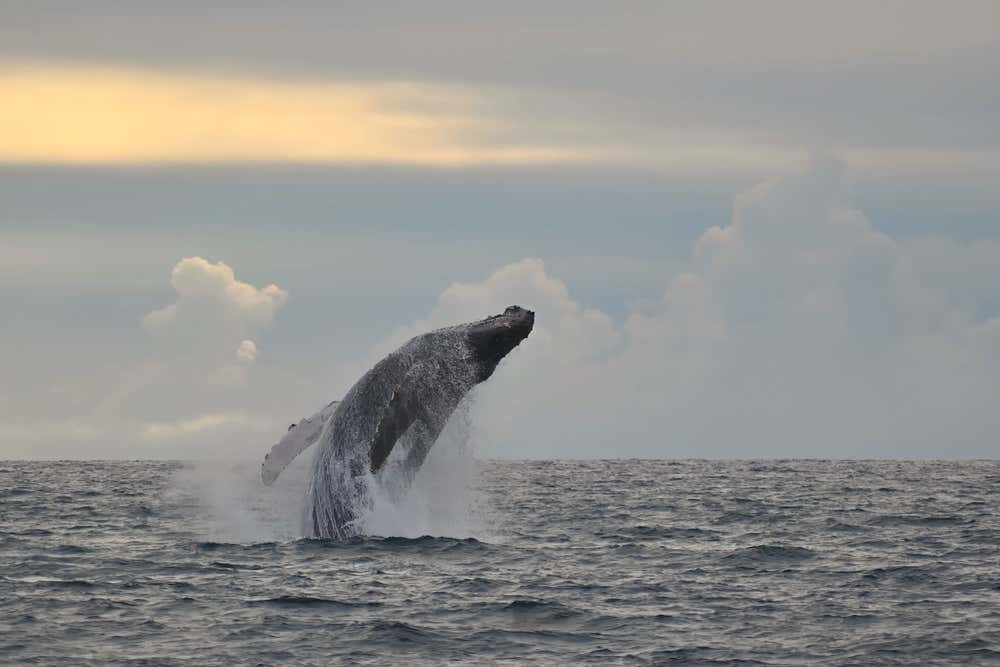
Thousands of humpback whales travel from Alaska to Hawaii’s warm waters each winter to mate and give birth. The season runs roughly from December to April, with peak sightings from January to March. The channel between Maui, Lanai, and Molokai is one of the best places in the world to see them, and you can often spot spouts right from the shore.
For a closer look, book this whale-watching tour in Maui, which sails into Maalaea Bay with guides who share facts about these giants.
Best Time for Surfing in Hawaii
In winter, from about November to February, the North Shore of Oahu gets some of the biggest waves on the planet, at legendary breaks like Pipeline and Waimea Bay. These waves are for experts only, but watching from the sand is a thrill in itself. In summer, the swell shifts to the south shores, and Waikiki’s gentle, rolling waves are ideal for beginners all year.
To see the North Shore at your own pace, this North Shore Oahu private tour stops at Hālona, Turtle Bay, and Kāneʻohe. If you’d like to ride a wave yourself, the Maui private surf lesson includes all the equipment and an instructor just for you. Both work in any season.
Best Time for Snorkeling in Hawaii
Snorkeling is good all year, but summer and early fall usually bring the calmest, clearest water, especially on north-facing coasts. You’re likely to see green sea turtles, colorful reef fish, and, with luck, spinner dolphins.
On Oahu, this snorkeling or diving tour in Honolulu takes you to reefs where turtles are common. From Maui, the snorkeling and dolphin watching trip to Lanai crosses to the neighboring island for some of the clearest water around. Bring reef-safe sunscreen, since Hawaii bans many chemical sunscreens that harm coral.
Best Time for Hiking and Sightseeing
The dry months, from May to October, are the best time for hiking, since trails are less muddy and waterfalls are easier to reach. On Maui, the sunrise from the summit of Haleakalā is one of the most famous sights in Hawaii, and it requires an advance reservation from the National Park Service. Bring warm layers, since it can be near freezing at the top before dawn.
This Haleakalā sunrise or sunset trip takes care of the early start and the drive. For waterfalls and rainforest, the Road to Hana tour follows one of the world’s most scenic roads, with dozens of waterfalls and one-lane bridges along the way. It’s a full day, so plan an early start.
On Oahu, the Manoa Falls hiking tour is an easy half-day escape from Honolulu.
Which Hawaiian Island Is the Most Beautiful?
Every island has its own kind of beauty. Kauai, the “Garden Isle,” is the greenest, with the dramatic cliffs of the Nā Pali Coast. Maui mixes volcano summits, rainforest, and golden beaches, while the Big Island has active volcanoes and black sand beaches. Oahu combines the energy of Honolulu with world-famous surf and easy access to Pearl Harbor.
To see Oahu’s highlights in one day, the Oahu Island Tour visits its best beaches and viewpoints. For help choosing, this guide to the best island to visit in Hawaii compares them side by side. It’s worth reading before you book.
Whenever you go, Hawaii rewards you with warm water, soft trade winds, and evenings that end with the sun sinking into the Pacific. Pick the season that fits your plans, whether that’s whales, waves, or quiet beaches, and leave time for a luau under the stars, like the Ka Moana Luau in Honolulu. For everything else, Civitatis’s full catalog has plenty of ideas.


Most read of #United States
Iconic Food in Chicago: 17 Dishes You Have to Try
30 September 2026Best Time to Visit Hawaii: A Season-by-Season Guide
29 September 2026West Coast Road Trip: An 8-Day Itinerary
12 July 2026Most read #United States

Best Time to Visit Hawaii: A Season-by-Season Guide
29 September 2026West Coast Road Trip: An 8-Day Itinerary
12 July 2026
The 8 Best Day Trips from Philadelphia in 2026
1 July 2026NBA Game Tickets in New York: A Complete Guide
3 June 2026Top Fun Facts About New York
3 June 2026
The Ultimate 3-Day Boston Itinerary for First-Time Travelers
14 January 2026Top 11: Best Day Trips from Miami (2026)
10 January 2026The 12 Best Day Trips from Los Angeles (+ Travel Time)
22 November 2025Top 11: Things to Do in Las Vegas Besides Gambling
14 February 2025