
When is the Best Time to Visit Cartagena, Colombia
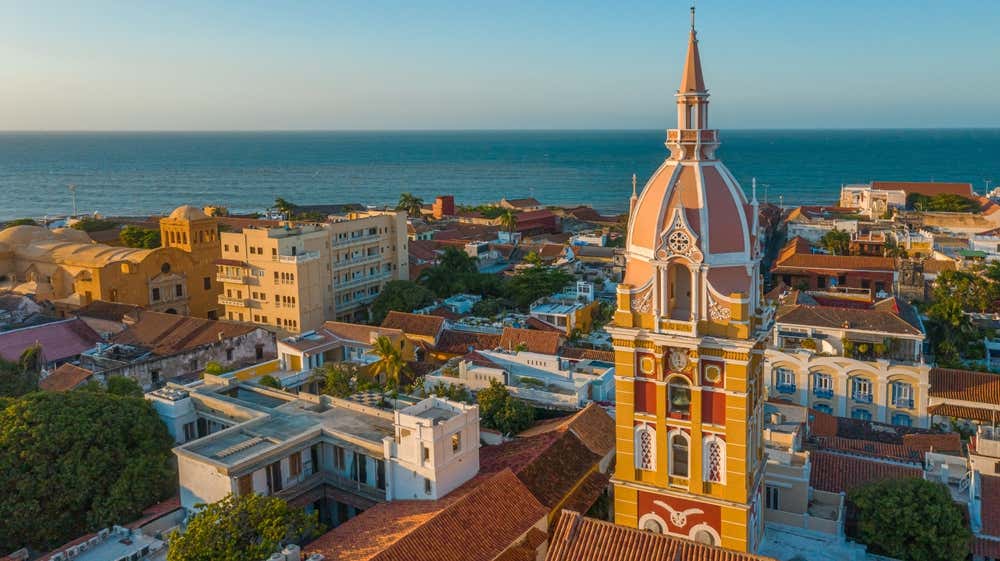

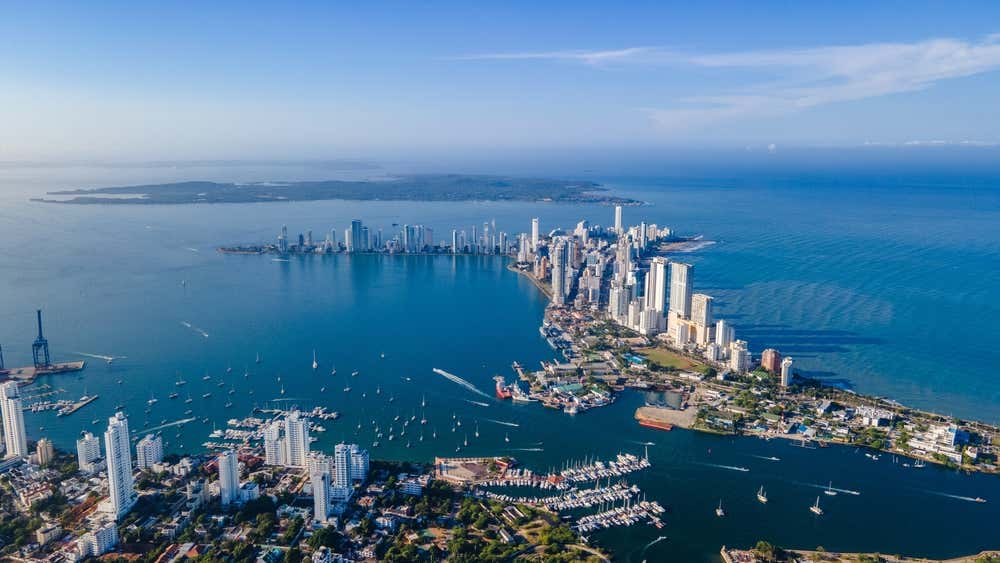
Cartagena is warm all year, so the question is never really about temperature. What changes from month to month is the rain, the crowds, and the festivals that take over the colorful streets of the historic center. This guide walks you through the city season by season so you can match your trip to what you actually want from it, whether that’s beach days, lower prices or a city in full celebration.
One thing to clear up first. Cartagena sits close to the equator, so the four astronomical seasons barely register here. What matters for your planning is the swing between the dry season and the rainy season, and that’s the rhythm this guide follows.
When to Visit Cartagena, Colombia (2026)
When Is the Best Time to Visit Cartagena?
The best time to visit Cartagena is December through April, when the dry season brings clear skies, lower humidity, and reliable beach days. May through November is wetter but cheaper, with short afternoon downpours and far fewer visitors in the walled city.
Those dry months make walking the cobbled streets genuinely pleasant, and boat trips run without weather cancellations. The flip side is that hotel rates climb and the main squares fill up. If your priority is a quieter city and a smaller bill, the rainy season rewards you: showers tend to be brief and concentrated in the late afternoon, leaving most of the day open.
If cultural events are what pull you, aim for late January and the Hay Festival, March or April for the Holy Week processions, or November for the Independence celebrations. Whenever you land, a free walking tour of Cartagena de Indias is a good first move, since it gets you oriented in the walled city before you commit your days to anything else.
Cartagena Season by Season
Spring in Cartagena (March to May)
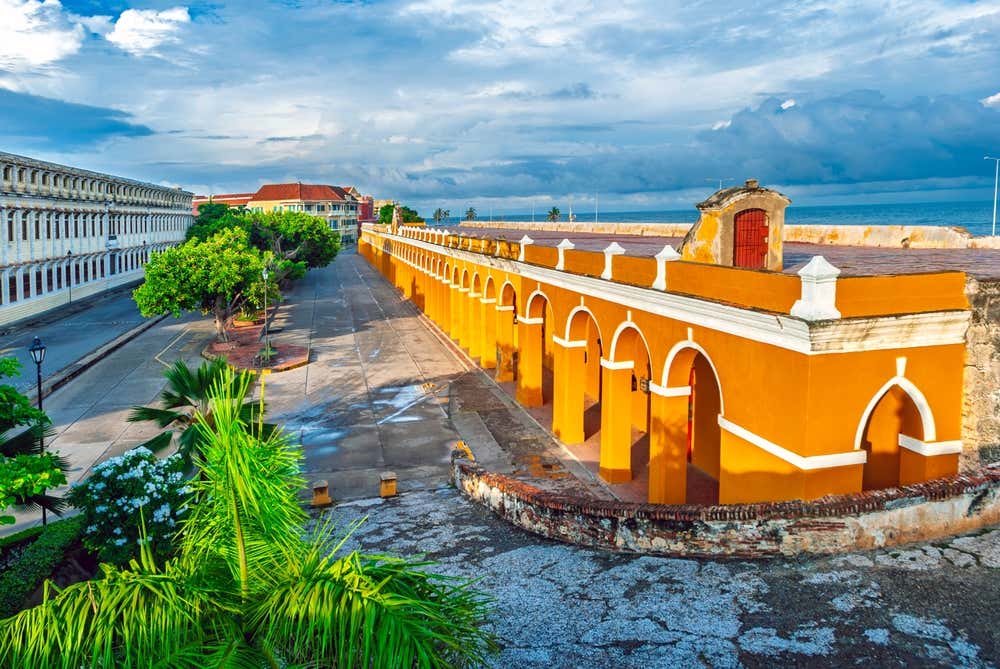
March and April still belong to the dry season. Highs sit around 88°F to 90°F (31°C to 32°C), skies stay clear and rain is rare, which makes this the easiest stretch of the year for walking the stone streets of the Ciudad Amurallada and climbing around the fortifications. If your trip overlaps with Holy Week, you’ll see religious processions moving through historic squares like the Plaza de la Aduana. May marks the turn toward the rainy season, though the showers arrive in short bursts and leave most of the day intact.
This is a good window for the fortress. Book the guided tour of Castillo San Felipe de Barajas if you want the full history of this UNESCO World Heritage site, or take the free tour of San Felipe Castle and Getsemaní if you’d rather combine the fortress with a neighborhood walk. Either way, go early in the day: there’s very little shade on those ramparts.
Summer in Cartagena (June to August)
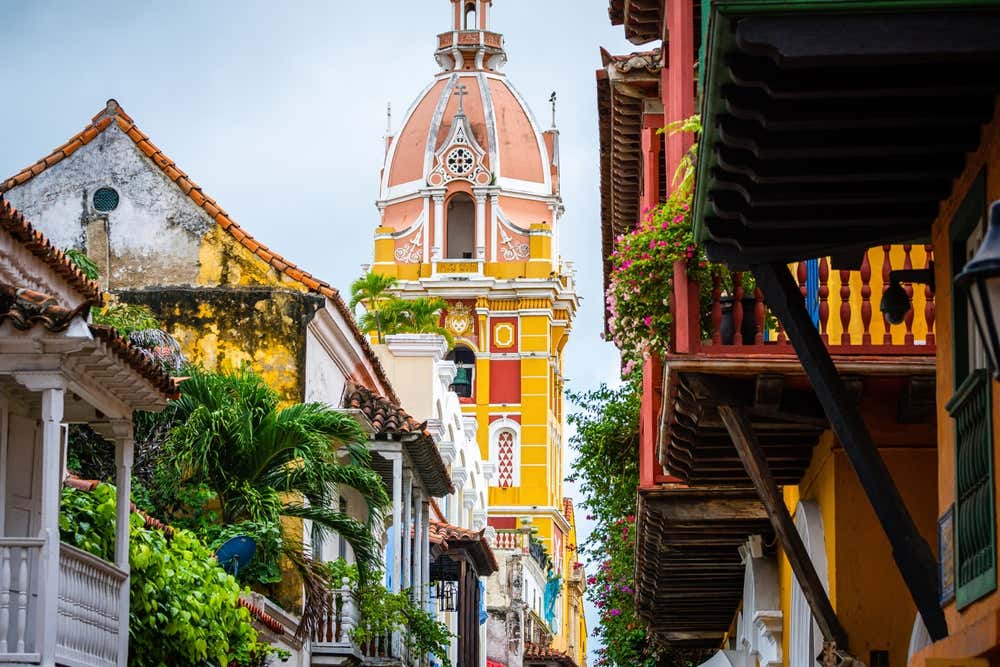
Summer falls squarely in the rainy season, with temperatures around 88°F (31°C) and high humidity. Mornings are usually bright and the rain saves itself for the afternoon, when it comes down hard and briefly. June and July bring the Fiestas Patronales, neighborhood celebrations for local patron saints, with parades and music spilling into the streets. It’s a good time to wander beyond the standard tourist circuit and spend a few hours in Getsemaní between showers.
Use the clear mornings well. The free walking tour of Getsemaní takes you past the murals and painted houses that made the neighborhood famous, and you can round the day off with a street food tasting in Cartagena to work through arepas de huevo, patacones, and the rest of the Caribbean Colombian repertoire.
Fall in Cartagena (September to November)
September and October are the wettest months of the year in Cartagena, but the temperature holds steady around 86°F to 88°F (30°C to 31°C), and the storms move through quickly. This is low season in its purest form: fewer visitors, discounted hotels and a historic center you can actually take your time in. November changes the mood entirely. On the 11th, the city marks the anniversary of its 1811 declaration of independence from Spain with parades, drums and street parties that run through the walled city and Getsemaní for several days.
On wet days, pick activities with cover built in. The free Gabriel García Márquez tour traces the real Cartagena locations behind his novels through the shaded lanes of San Diego, and dry evenings are perfect for the Cartagena boat trip with a folklore show and dinner. If you’d rather stay on land after dark, the night tour of Getsemaní catches the neighborhood at its liveliest.
Winter in Cartagena (December to February)
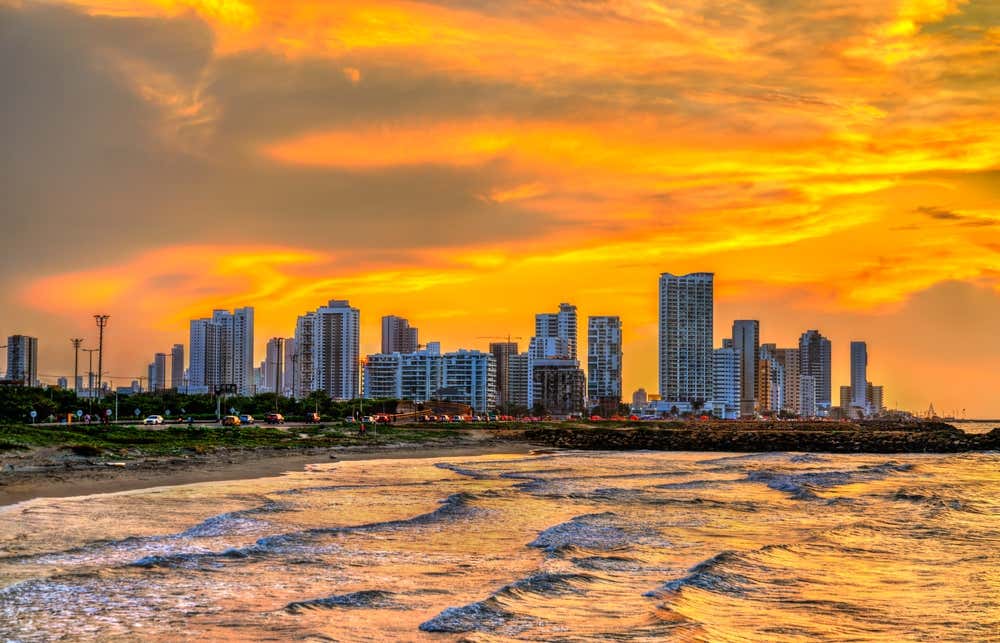
Winter brings the dry season back, and it’s the strongest stretch of the year for beaches and boat trips. Skies are sunny, humidity drops and average temperatures hover around 88°F (31°C). The city picks up extra energy from the New Year celebrations and from the Hay Festival in late January, which draws writers and artists from across Latin America and beyond for four days of talks and readings. If you want the same weather with a thinner crowd, February is your month.
This is when the water is at its best. The Playa Blanca day trip takes you to the white sand and clear water of Barú Island, while the Rosario Islands day trip gives you a full day of snorkeling over coral reefs. For something closer to the city, the Tierra Bomba day trip is only a short boat ride from the center. And for a day that’s nothing like the others, the Totumo mud volcano and mangroves tour lets you float in warm mineral mud before rinsing off in the lagoon.
Which Month Fits Your Trip
If beaches and time on the water are the point of the trip, travel between December and April, when your odds of losing a day to rain are lowest. That’s also when the day trips from Cartagena de Indias and the boat tours around the bay run most reliably.
If your budget matters more than a guaranteed dry afternoon, the rainy season from May to November usually means cheaper flights and hotels. Plan your outdoor hours for the morning and save the afternoons for the food and drink experiences in Cartagena, which are mostly indoors and unaffected by weather.
And if you’re building the trip around a specific event, three dates stand out: late January for the Hay Festival, March or April for Holy Week, and November for the Independence festivities. Festival dates shift from year to year, so confirm them with the official organizers before you book flights. If Cartagena is one stop on a longer route, it’s worth looking at the wider range of activities and excursions across Colombia to see what else fits your dates.
Cartagena Weather Questions, Answered
Does It Rain a Lot in Cartagena?
Rain concentrates between May and November, but the showers are usually short and arrive late in the afternoon. Even in the rainy season, most of the day stays open for exploring the city on foot.
What Is the Cheapest Month to Visit Cartagena?
September and October generally bring the lowest hotel rates, since they’re the wettest months and demand drops accordingly. Prices vary by year and by neighborhood, so it’s worth comparing dates before you commit.
Is Cartagena Worth Visiting in the Rainy Season?
Yes. Because the rain tends to fall fast and late in the day, you can use mornings for beaches and walking tours and keep the afternoons for museums, food experiences, and covered boat trips. You’ll also have the historic center largely to yourself.
How Hot Does Cartagena Get?
Daytime highs stay close to 86°F to 90°F (30°C to 32°C) year-round, with very little variation between months. Humidity is what changes: it’s noticeably heavier in the rainy season, so plan your walking for the cooler morning hours.
Planning Your Trip to Cartagena
There isn’t one right month for Cartagena, only the month that matches what you want. The dry season hands you the beaches and the boat days; the rainy season hands you a calmer city and a lighter bill. Both give you the same walled center, the same Caribbean light and the same food.
Once your dates are set, the rest falls into place quickly. Have a look at the best activities in English all over the world and start shaping the days you’ll actually spend in Cartagena, from Barú’s beaches to the streets of Getsemaní.


Most read of #South America
What is a Free Tour & How Much do They Cost?
16 October 202615 Bucket List Travel Experiences to Gift in 2026
14 October 2026What to Do in Athens: 11 ‘Musts’ in the Greek Capital
13 October 2026Top 11: What to Do in Belize in 2026
12 October 202611 Unmissable Day Trips from Rome (& How to Get There)
11 October 2026Top 12: What are the Best Things To Do in NYC With Kids? (2026)
10 October 2026Most read #United States

Iconic Food in Chicago: 17 Dishes You Have to Try
30 September 2026Best Time to Visit Hawaii: A Season-by-Season Guide
29 September 2026
NBA Game Tickets in New York: A Complete Guide
3 June 2026Top Fun Facts About New York
3 June 2026

The Ultimate 3-Day Boston Itinerary for First-Time Travelers
14 January 2026Top 11: Best Day Trips from Miami (2026)
10 January 2026The 12 Best Day Trips from Los Angeles (+ Travel Time)
22 November 2025Top 11: Things to Do in Las Vegas Besides Gambling
14 February 2025Top 10: Things to Do in Washington, DC
22 November 2024