What to See in El Salvador: 9 Must-Visit Places

Beaches of indescribable beauty, breathtaking volcanoes, and towns that connect you with indigenous traditions, colonial history, and pre-Hispanic heritage. El Salvador is a country that has it all! This vibrant, safe destination offers a trip packed with unforgettable experiences.
El Salvador boasts an ancient history and culture that blend seamlessly with a natural landscape that will delight any traveler. Lake Coatepeque, the Santa Ana Volcano, the colonial town of Suchitoto, Joya de Cerén, and the historic center of San Salvador are absolute musts on any proper El Salvador itinerary.
Whether you’re looking for a relaxing beach getaway or an action-packed adventure, El Salvador is the perfect destination for every taste. Here at Civitatis, we’ll share the top places to visit in El Salvador. Because El Salvador isn’t just a place you visit—it’s a place you truly experience!
Top Things to Do in El Salvador
Los Volcanes National Park
Did you know that over 90% of El Salvador’s territory has volcanic roots? This Central American nation sits right on the Pacific Ring of Fire, one of the most volcanically active zones on Earth. Spanning 1,111 acres (4,500 hectares) across the departments of Santa Ana and Sonsonate, the Los Volcanes National Park is a dream for hiking enthusiasts, ecotourists, and anyone chasing breathtaking panoramic views.
El Salvador has 242 volcanoes, 36 of which are active. That’s precisely why the Los Volcanes Complex is a must, as it brings together three of the country’s most iconic peaks: the Santa Ana Volcano (also known as Ilamatepec), the Izalco Volcano, and Cerro Verde.
The Santa Ana Volcano is the highest point in both the park and the country, standing at 7,811 ft (2,381 m) above sea level. Climbing up is easily one of the most memorable experiences you’ll ever have. You’ll hike along trails where the climate gradually shifts, revealing the country’s rich biodiversity. The ultimate highlight, though, awaits at the crater: a stunning, turquoise lagoon. Ready for an adventure? Book your Santa Ana Volcano hiking tour today!
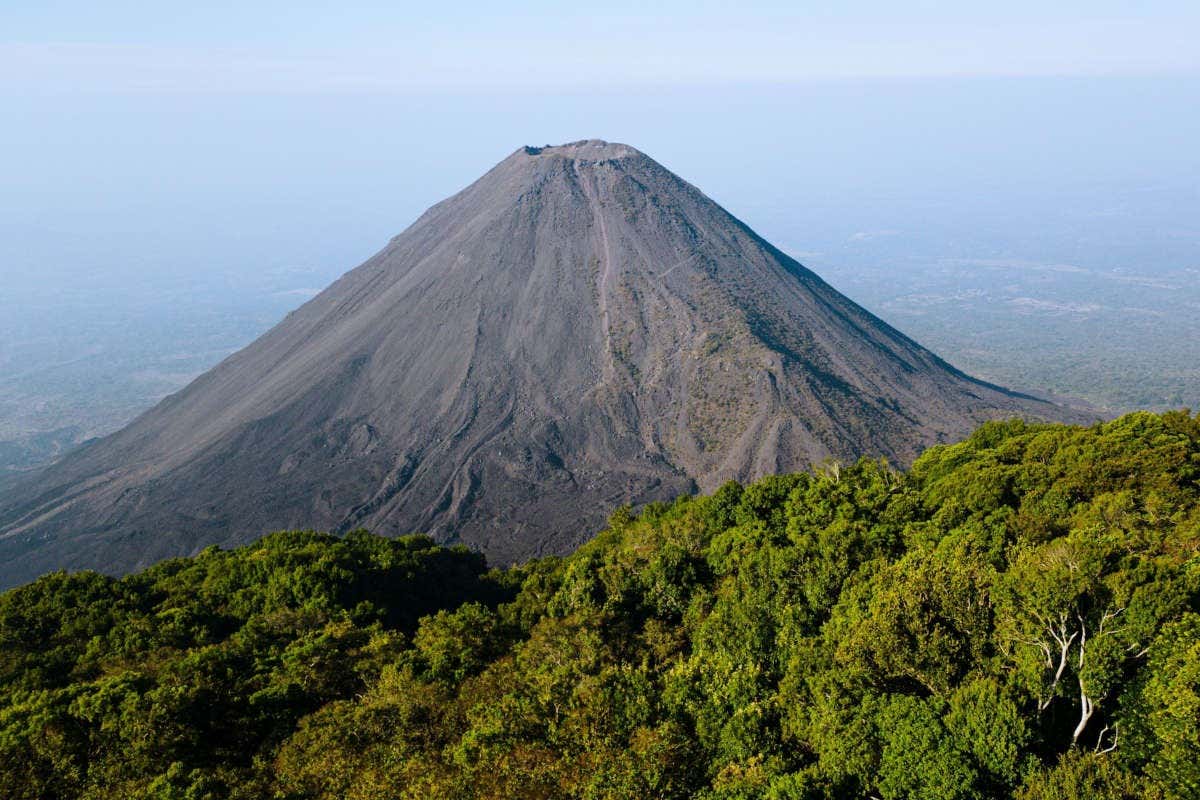
To complete your adventure in Los Volcanes National Park, you can also hike up the Izalco Volcano. Keep in mind, however, that trekking and climbing Izalco is considerably more challenging and requires a bit more skill. That said, the effort is well worth it once you reach the top and take in its jaw-dropping crater.
If you prefer something a little less intense, Cerro Verde is an ideal choice. The summit of this extinct volcano is completely blanketed in dense cloud forest. Along its various winding trails, you can enjoy a delightful walk packed with scenic viewpoints looking out over the neighboring volcanoes and Lake Coatepeque.
Lake Coatepeque
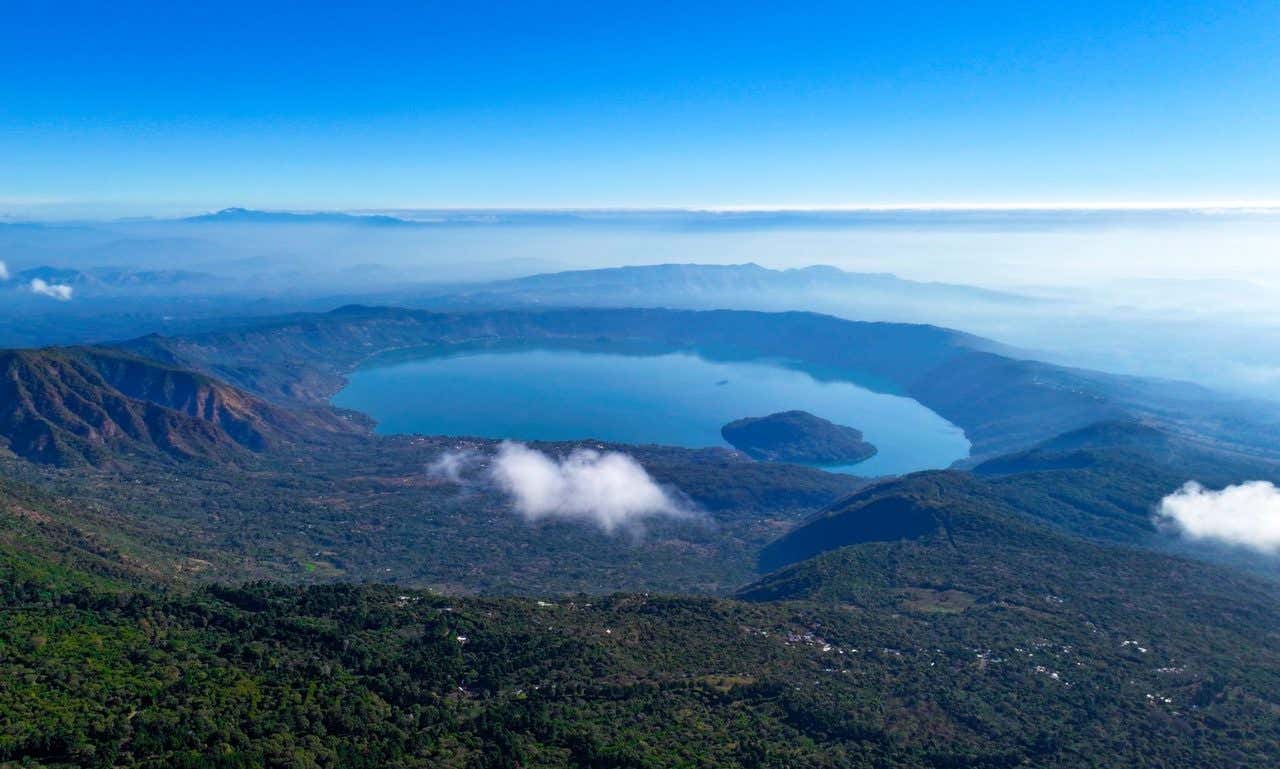
Lake Coatepeque is one of the country’s most beautiful spots and an essential stop on any trip to El Salvador. Since we’ve established that this is a volcanic land through and through, this lake is no exception. Can you imagine swimming in a volcanic crater lake? In El Salvador, you can!
This lake is one of El Salvador’s proudest natural treasures. Located in the department of Santa Ana, Lake Coatepeque sits inside a massive volcanic caldera formed by a colossal eruption between 57,000 and 72,000 B.C. Today, it serves as one of the country’s most important hubs for water sports and outdoor activities. Here, you can go kayaking, enjoy a boat ride, or simply unwind in its waters while taking in the scenery.
What’s more, the lakeshore is lined with many restaurants where you can savor delicious, traditional Salvadoran dishes paired with unparalleled views. If you want to make the most of your time, we recommend booking the day trip to Santa Ana and Cerro Verde with the Lake Coatepeque Hot Springs, a complete day trip that will take you to two of El Salvador’s greatest highlights in one go.
El Boquerón National Park
Continuing our volcanic tour, another place you can’t miss in El Salvador is El Boquerón National Park. Located in the department of La Libertad, just a short drive from San Salvador, you’ll find one of the most important nature reserves in the country. El Boquerón National Park delivers one of the best outdoor experiences in the country, perched at the summit of the San Salvador Volcano.
Despite sitting at an altitude of over 5,905 ft (1,800 m) above sea level, its pleasant climate, well-maintained trails, and impressive views overlooking the Salvadoran capital make visiting this park one of the top recommended activities in El Salvador.
The star attraction of El Boquerón National Park is its giant main crater, measuring 0.93 mi (1.5 km) in diameter and 1,830 ft (558 m) in depth. But that’s not all—tucked inside it rests a smaller crater, known as “El Boqueroncito.” To experience it stress-free, book this day trip to El Boquerón National Park, which includes transfers and an expert guide so you can focus entirely on enjoying the scenery.
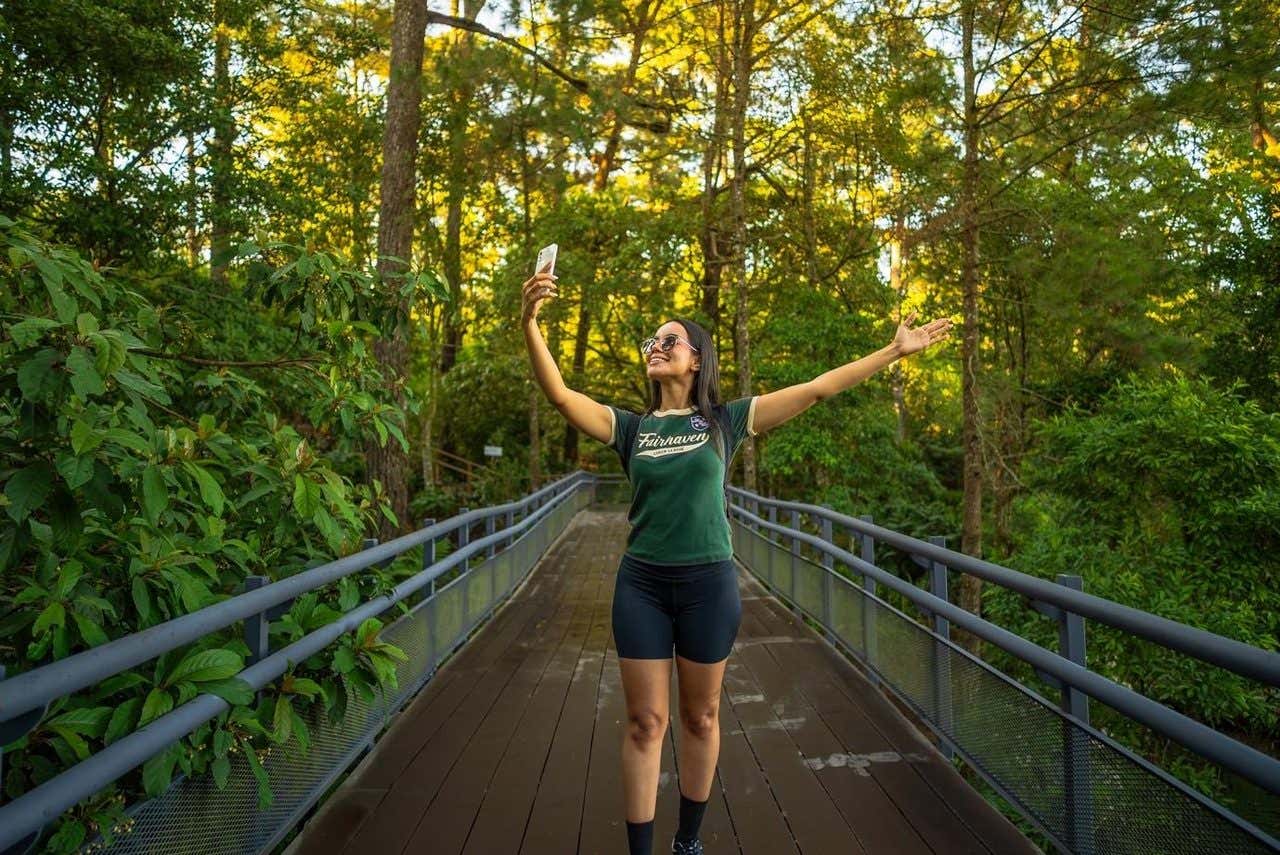
Playa El Tunco & Playa El Zonte
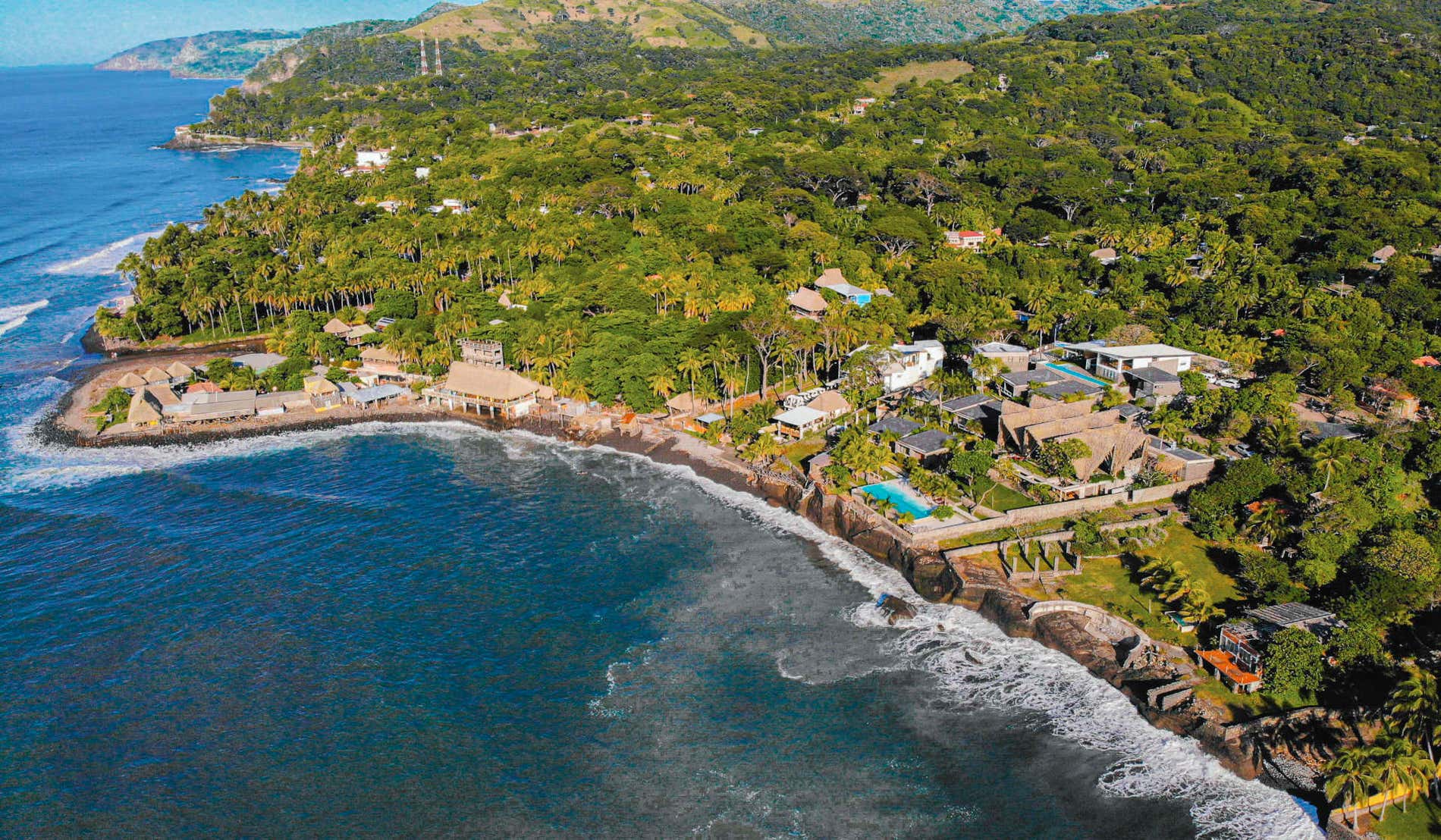
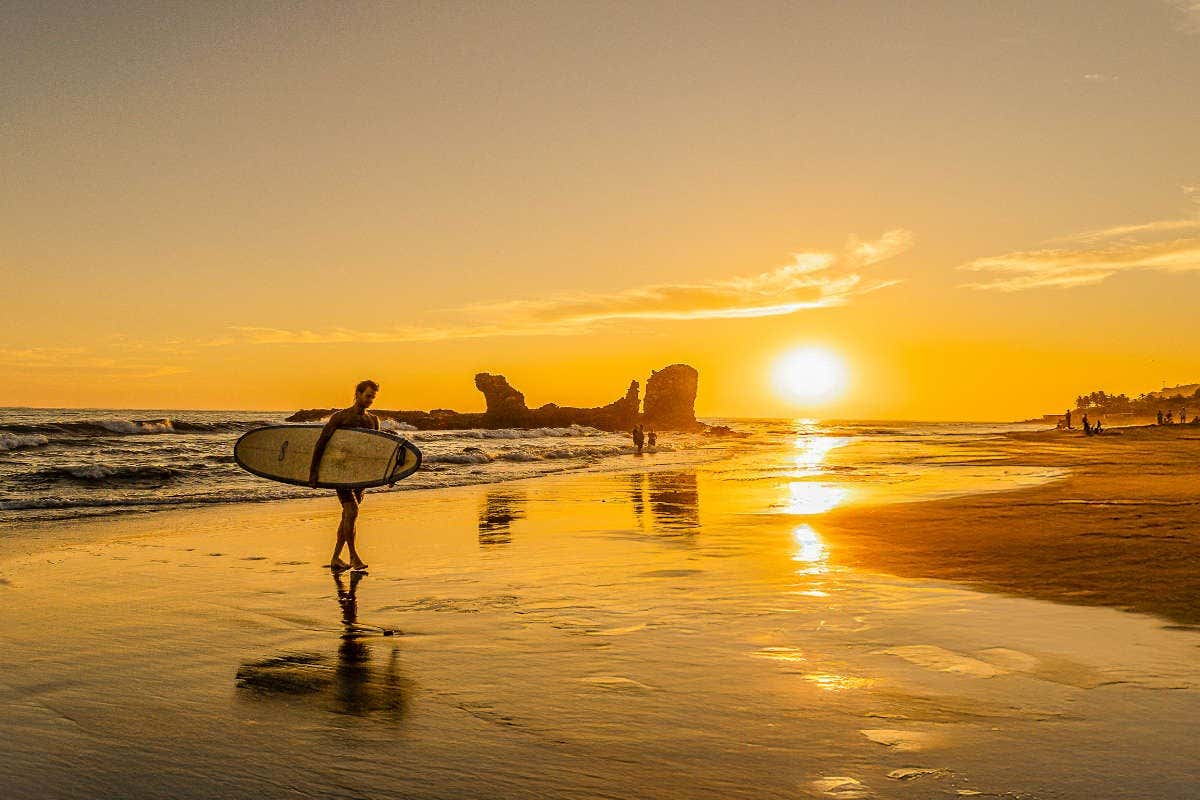
Famous around the world for its incredible waves and picture-perfect sunsets, the Salvadoran coastline is a paradise for surfers. El Salvador enjoys a year-round summer, making it the perfect destination whether you want to lounge in calm bays or catch legendary waves.
The Playa El Zonte is widely considered one of the best surf spots in the world. This bay in the department of La Libertad boasts several distinct surf breaks, with the standout being the rocky point break of La Punta. Some waves can reach 11.4 ft (3.5 m) high here! Combined with its bohemian atmosphere and great local food scene, El Zonte is an unforgettable beach retreat.
Another iconic coastal hotspot is Playa El Tunco, in Tamanique. Known far and wide as El Salvador’s surf and nightlife capital, its powerful waves, black volcanic sand, and the famous landmark rock sitting at the water’s edge bring travelers from all over. The surrounding town is equally buzzing, packed with colorful street murals, restaurants, and a booming weekend scene featuring live music.
The Ruta de las Flores
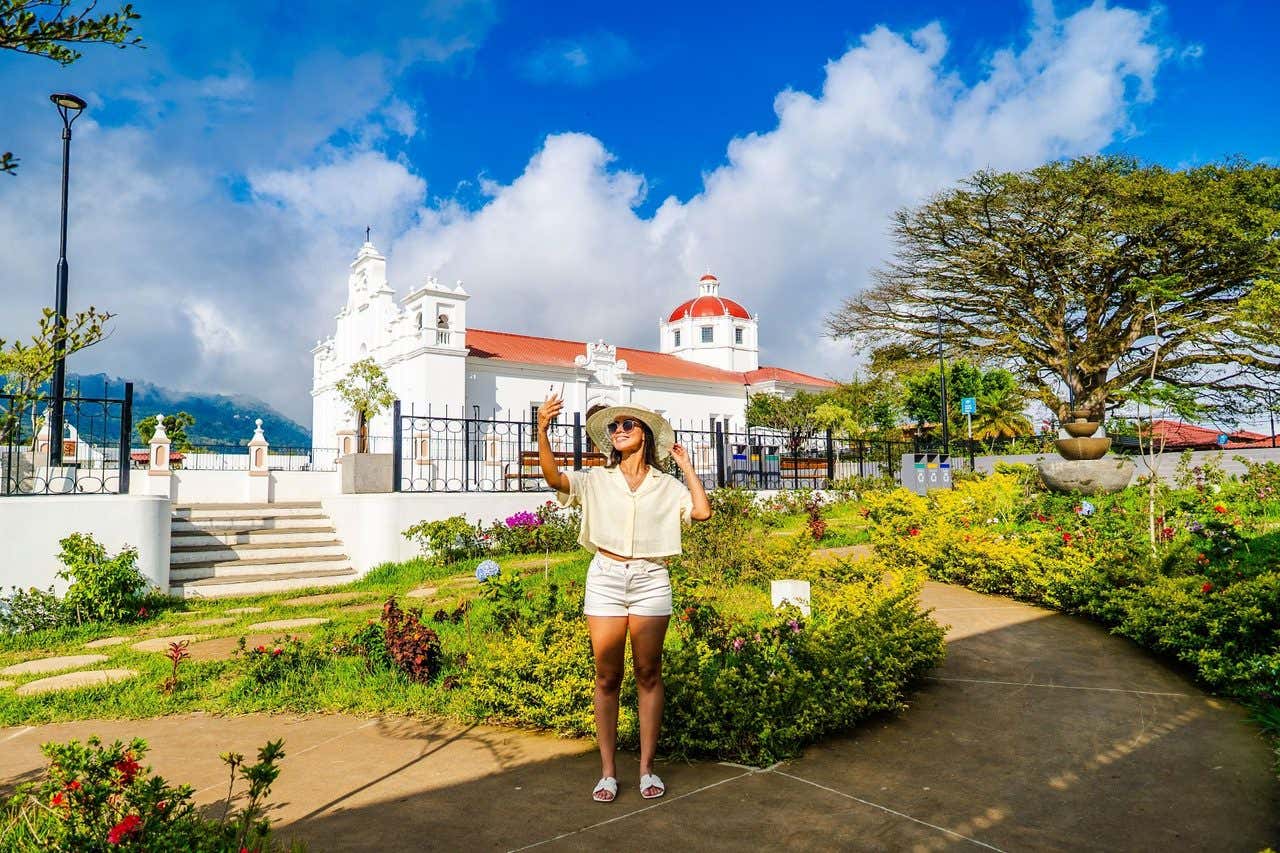
Another legendary highlight of El Salvador is the famous Ruta de las Flores, the “Route of the Flowers.” This 21 mi (35 km) scenic drive winds through mountain towns rich in Indigenous tradition, high-altitude coffee plantations, and a vibrant street culture. The route stretches along the Apaneca-Ilmatapec mountain range in western El Salvador. Travelers typically journey from south to north, starting in the department of Sonsonate and ending in Ahuachapán.
Color, tradition, local craft traditions, and warm hospitality greet you in every village along the drive, but five towns are considered absolute must-visits: Nahuizalco, Salcoatitán, Juayúa, Apaneca, and Concepción de Ataco.
To explore El Salvador’s most famous route hassle-free, don’t miss out on booking this Ruta de las Flores tour. Accompanied by a local guide, you’ll dive deep into the culture and history of the region while traveling comfortably in a minibus.
Suchitoto
Welcome to the colonial jewel of El Salvador! Suchitoto is one of the nation’s most charming historic towns, full of beauty, history, and heritage at every turn. Did you know Suchitoto is considered the birthplace of San Salvador? This town, perched on the shores of Lake Suchitlán, was founded by Spanish settlers in 1528.
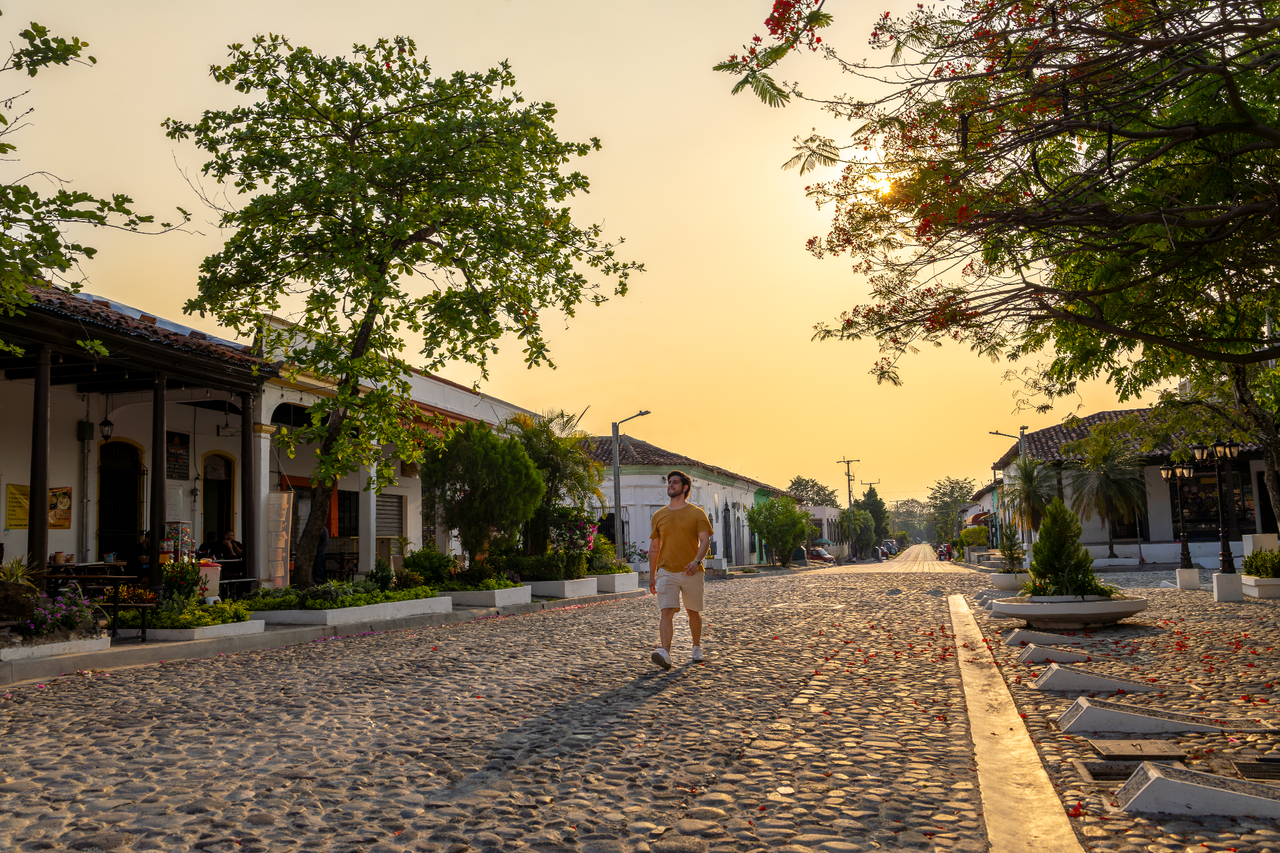
Known as the “City of the Bird-Flower,” Suchitoto invites visitors to slow down and wander past elegant adobe homes with red-tile roofs, cobblestone streets, and brightly painted balconies and facades that transport you back to the colonial era.
This town, just 29 mi (47 km) from San Salvador, suffered heavily during the civil war. However, it rose from the ashes like a phoenix to become one of El Salvador’s premier cultural and artistic hubs. Alongside its indisputable architectural beauty, you’ll find many museums, galleries, and artisanal shops that will make you fall in love with this charming town. To visit it, a day trip to Suchitoto from San Salvador is one of the best options.
Archaeological Sites in El Salvador
When people think of the Maya civilization, Guatemala or Mexico usually come to mind first. However, El Salvador harbors some of the most significant pre-Columbian archaeological sites in Central America. The western part of the country was a vital destination for trade and a cultural crossroads for the Maya, leaving behind fascinating ruins like Joya de Cerén, a UNESCO World Heritage Site, and Tazumal, home to El Salvador’s largest pyramid.
Joya de Cerén
Often called the “Pompeii of the Americas,” Joya de Cerén is located 22 mi (36 km) from the capital in the Valle de Zapotitán. This pre-Hispanic farming village was buried under thick layers of ash following the sudden eruption of the Loma Caldera volcano in 650 A.C. Discovered by accident in 1976, its nickname makes perfect sense.
Just like in Pompeii, the villagers had no time to pack and left behind food, tools, and everyday household items intact under the volcanic ash. This preservation provides an unprecedented window into the daily life of 7th-century Maya villagers.
Tazumal
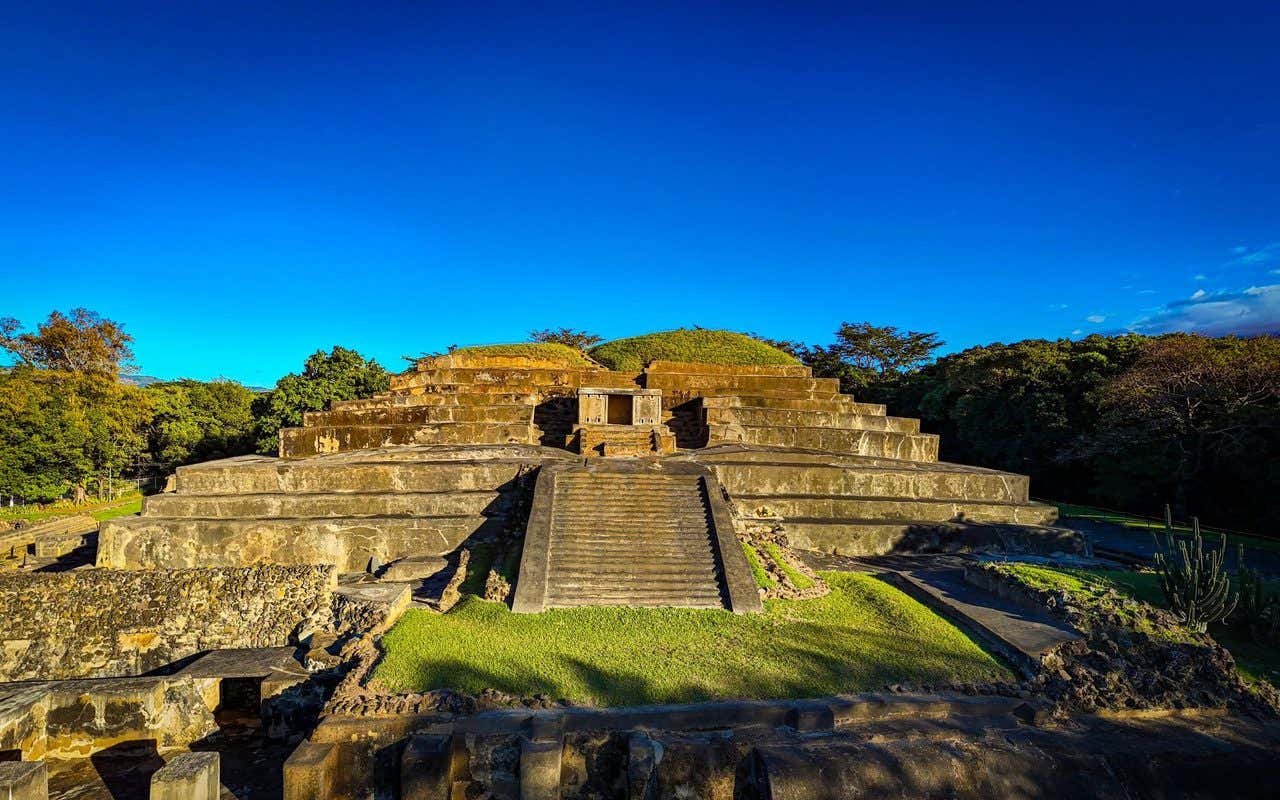
Beyond Joya de Cerén, El Salvador boasts several other major Maya sites, with Tazumal in Santa Ana being a standout. Did you know it’s the most visited archaeological site in El Salvador? This complex features the most important pyramid in Central America, standing at 78 ft (24 m) tall. It’s an extraordinary sight!
The archaeological site of Tazumal was a flourishing ancient city influenced over centuries by diverse ethnic groups, including the Maya, Teotihuacans, and Toltecs. As you explore the park’s 13 structures, you’ll see everything from ceremonial platforms to large mounds where archaeologists uncovered fine pottery, jewelry, mirrors, and traditional ballgame artifacts.
One of the best and most comprehensive ways to see these ruins is with this Mayan Route day trip, where you’ll discover the country’s most emblematic archaeological sites, including Joya de Cerén, San Andrés, Santa Ana, and Tazumal.
San Salvador
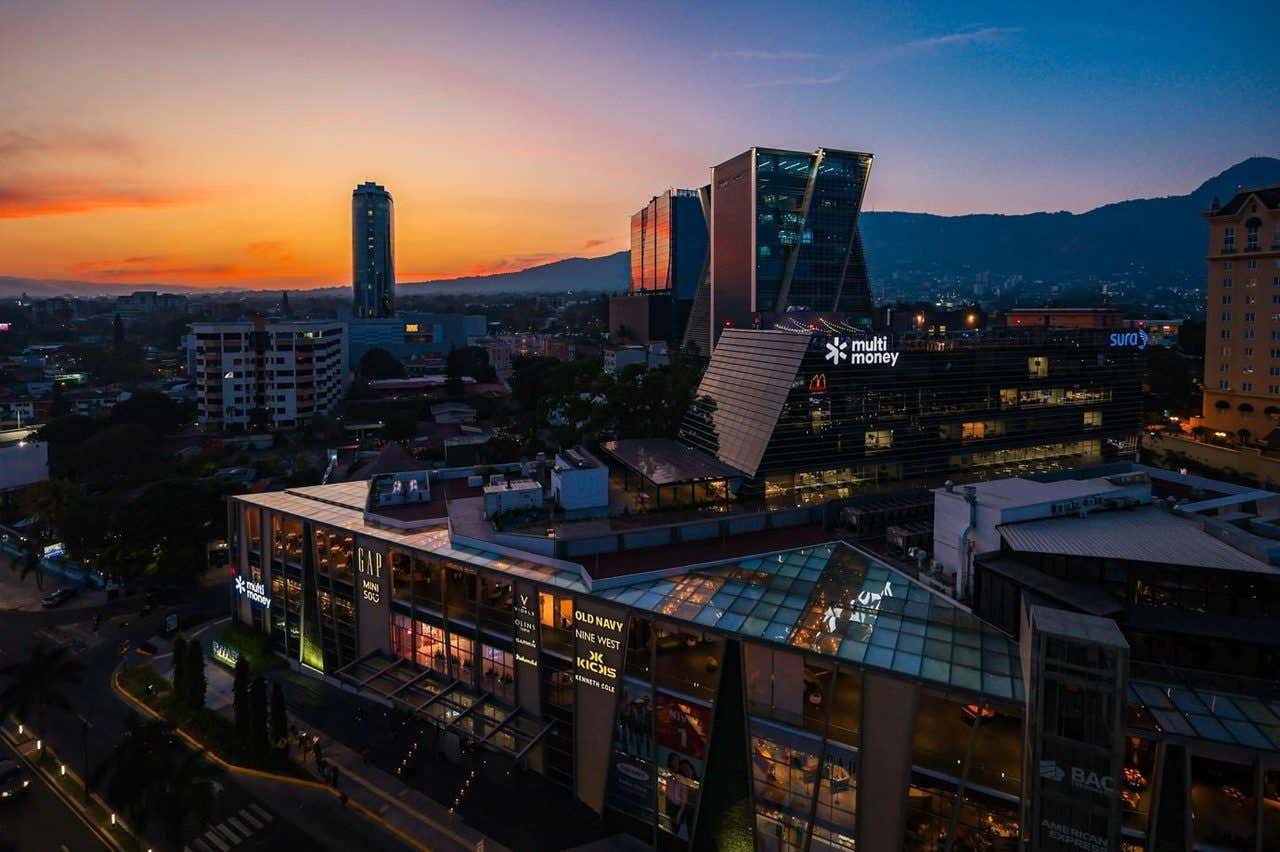
Of course, you can’t leave El Salvador without exploring its capital! The historic center of San Salvador is an absolute must-see—the lively, bustling heart of the country where gorgeous colonial architecture takes center stage. Recently reformed and transformed into a safe, walkable city, it offers a direct connection to everyday Salvadoran culture and history.
Start discovering San Salvador by visiting the Metropolitan Cathedral, a pivotal landmark for any traveler. Beyond its striking architecture, this cathedral serves as the final resting place of Saint Óscar Arnulfo Romero, one of the nation’s most beloved figures.
Another iconic landmark is the Iglesia El Rosario, renowned for its incredible modern stained-glass interior and unique architectural design. As you wander through the streets of the historic center, you’ll be amazed by the Plaza de la Libertad with its monument to the Angel of Liberty, officially known as the Monumento a los Próceres (Monument to the Heroes), the National Palace, and the National Theatre. These landmarks perfectly reflect the past that marked a before and after in the country.
A free tour of San Salvador is the best way to get your bearings on your first day. If you want to admire the capital’s illuminated buildings and experience its charm at nightfall, we recommend checking out a night tour of San Salvador.
Puerto de La Libertad
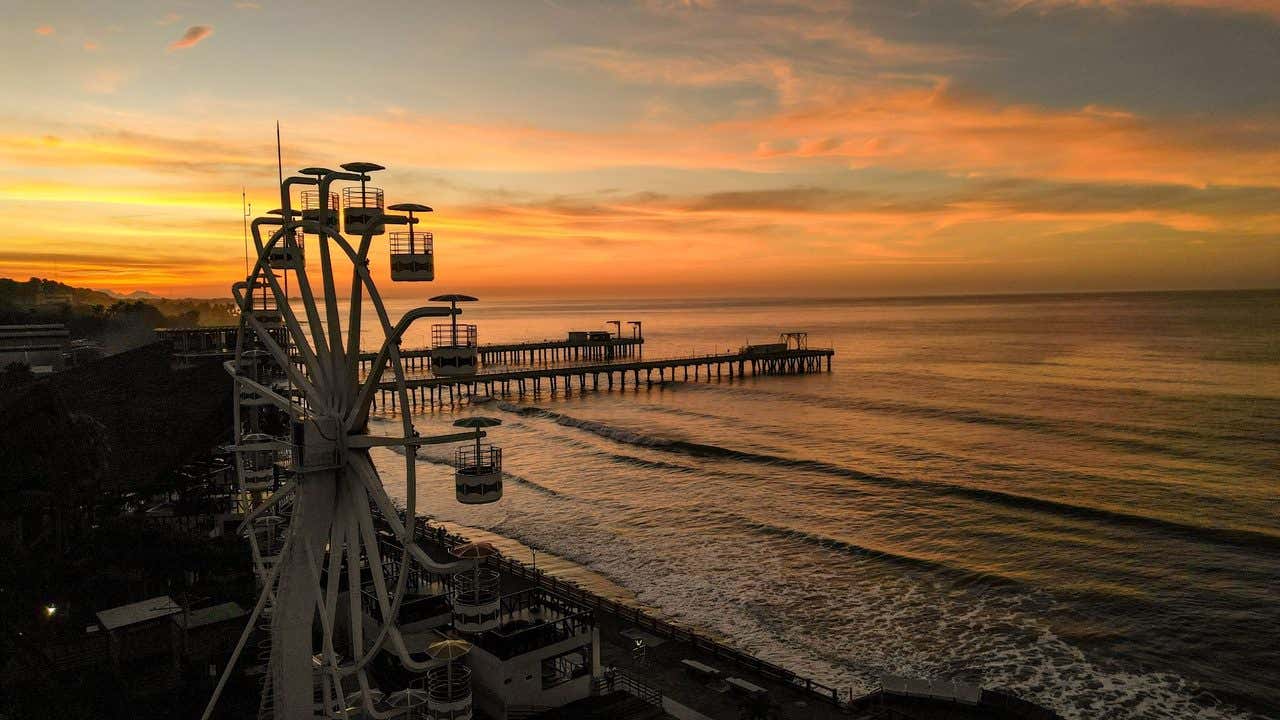
Puerto de La Libertad, known as El Puerto, is one of the most emblematic coastal destinations in El Salvador. As you’ve seen, this country in Central America is a dream spot for surfers, and El Puerto is the main gateway to the country’s world-renowned Surf City project.
Just 40 minutes from the Salvadoran capital, El Puerto combines modernity with traditional artisanal fishing heritage. Once you’re here, you’ll love strolling on the recently renovated pier to admire the views of the Pacific Ocean, relaxing in the plazas, and enjoying fresh seafood at its many restaurants. If you’re traveling with your family, check out Sunset Park, an oceanfront amusement park right on the boardwalk. To top it all off, the nearby Punta Roca beach has some of the best point breaks for surfers!
Whatever your travel style, Civitatis has you covered. Options like the day trip to Puerto La Libertad and El Tunco, the Sunset Park and El Tunco day trip, or the Puerto La Libertad and El Boquerón National Park tour are fantastic ways to make the most of your trip to El Salvador.
Now that you know what to see in El Salvador, all that’s left for you to do is prepare for your next trip! From majestic volcanic peaks and tropical coastlines to deep-rooted colonial and Maya heritage, this surprisingly diverse country has everything you need for an unforgettable adventure!


Most read of #More of Central America
Top 11: What to Do in Belize in 2026
12 October 202611 Unmissable Day Trips from Rome (& How to Get There)
11 October 2026Top 12: What are the Best Things To Do in NYC With Kids? (2026)
10 October 2026Top 10: The Best Cities to Visit in Mexico (2026)
9 October 2026What to See in Budapest in 2 Days: The Perfect Itinerary
9 October 2026The 8 Best Day Trips from Philadelphia in 2026
8 October 2026Most read #United States

Iconic Food in Chicago: 17 Dishes You Have to Try
30 September 2026Best Time to Visit Hawaii: A Season-by-Season Guide
29 September 2026
NBA Game Tickets in New York: A Complete Guide
3 June 2026Top Fun Facts About New York
3 June 2026
The Ultimate 3-Day Boston Itinerary for First-Time Travelers
14 January 2026Top 11: Best Day Trips from Miami (2026)
10 January 2026The 12 Best Day Trips from Los Angeles (+ Travel Time)
22 November 2025Top 11: Things to Do in Las Vegas Besides Gambling
14 February 2025Top 10: Things to Do in Washington, DC
22 November 2024