
Traditional Japanese Food: 10 Dishes to Try in Japan

Traditional Japanese food joined UNESCO’s list of Intangible Cultural Heritage in 2013 under the name washoku, recognized for its respect for seasonal ingredients and its careful presentation. Once you’re in Japan, you’ll quickly see that it goes far beyond raw fish: rich broths, crisp fried dishes, and melt-in-your-mouth beef all compete for your attention.
The most traditional Japanese food includes ramen, sushi and sashimi, takoyaki, okonomiyaki, tempura, tonkatsu, wagyu beef, udon and soba noodles, yakitori, and kaiseki ryori. You’ll find these dishes everywhere from street stalls in Osaka to century-old restaurants in Kyoto, at prices to suit almost any budget.
O que comer no Japão: 10 pratos deliciosos
Japanese cooking pairs centuries-old technique with close attention to detail, which is why even a quick bowl of noodles can feel like an occasion. Below you’ll find 10 dishes that deserve a spot on your itinerary, along with where to try each one and a few food experiences that make it easy.
| Dish | Style / Base | Where It Shines |
|---|---|---|
| Ramen | Wheat noodles in a rich, savory broth | Tokyo, Hakata (Fukuoka), Sapporo |
| Sushi and Sashimi | Fresh fish with seasoned rice / Raw fish on its own | Tokyo (Toyosu Market) |
| Takoyaki | Batter balls filled with octopus | Osaka (Dotonbori) |
| Okonomiyaki | Savory griddled pancake | Hiroshima, Osaka |
| Tempura | Seafood and vegetables in a light batter | Tokyo, Kyoto |
| Tonkatsu | Breaded, deep-fried pork cutlet | Nationwide (Tokyo) |
| Wagyu / Kobe Beef | Premium, highly marbled beef | Kobe, Takayama |
| Udon and Soba | Thick wheat noodles / Thin buckwheat noodles | Kagawa (udon), Nagano (soba) |
| Yakitori | Chicken skewers grilled over charcoal | Tokyo (Shinjuku izakayas) |
| Kaiseki Ryori | Traditional multi-course seasonal banquet | Kyoto (Gion) |
1. Ramen
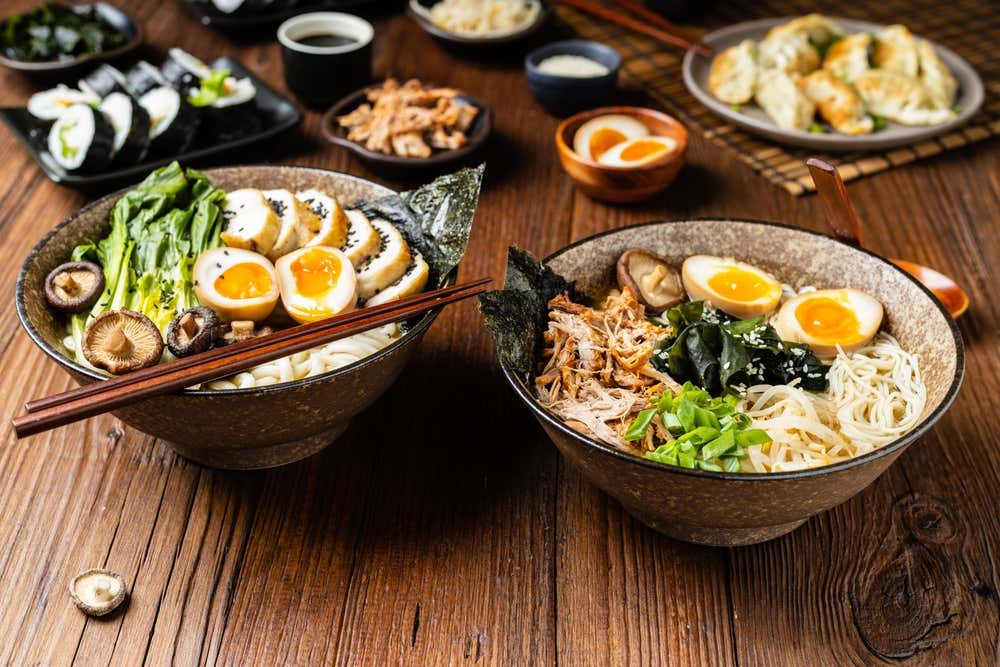
Ramen is one of the most popular everyday meals in Japan. It’s a bowl of wheat noodles in a hot broth made from pork bones, chicken, or fish, seasoned with soy sauce, miso, or salt. Typical toppings include slices of chashu (braised pork belly), bamboo shoots, and a soft-boiled egg with a jammy yolk.
Every region has its own style. In Hakata, on the island of Kyushu, you’ll find creamy tonkotsu ramen made from long-simmered pork bones, while Sapporo is famous for hearty miso ramen, perfect for Hokkaido’s snowy winters. In Tokyo, soy-based shoyu ramen is the classic, and you can sample several shops in one go at Tokyo Ramen Street, in the basement of Tokyo Station.
If you’d like to learn a few kitchen skills yourself, this sushi-making workshop in Tokyo teaches you to shape your own nigiri and maki with a professional chef, and it finishes with a warm bowl of wakame udon.
2. Sushi and Sashimi
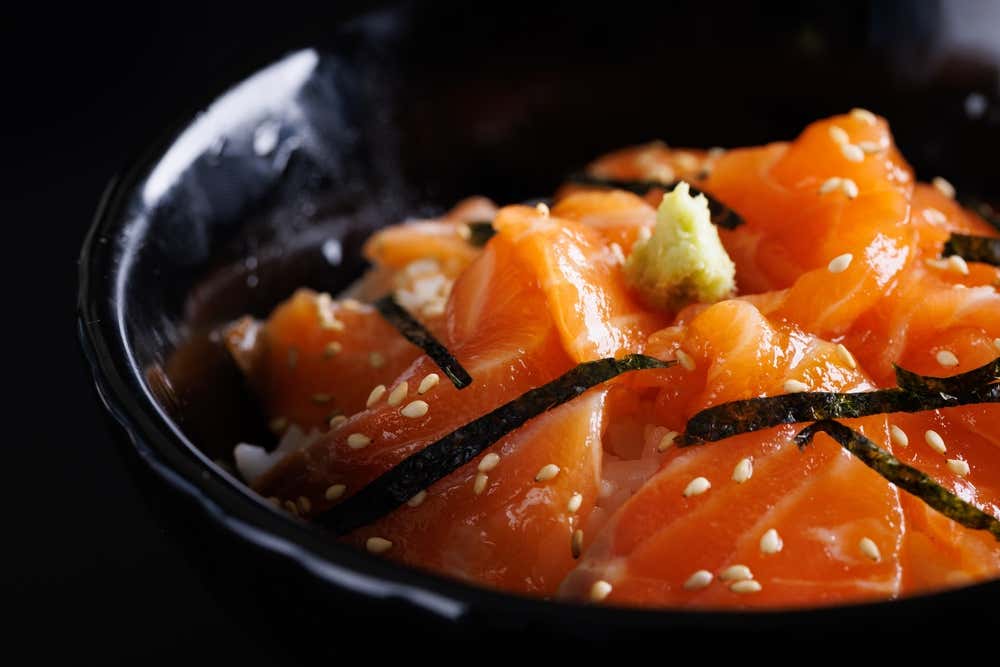
Sushi combines rice seasoned with rice vinegar and slices of fresh fish or seafood. Sashimi, on the other hand, is thinly sliced raw fish served without rice, with just soy sauce and freshly grated wasabi on the side.
The best-known place to eat it in Tokyo is Toyosu Market (6-6-1 Toyosu, Koto-ku), which took over from the old inner market at Tsukiji in 2018. The market generally opens at 5 AM Monday to Saturday, and most of its sushi counters close by early afternoon. It shuts on Sundays, national holidays, and some Wednesdays, so it’s worth checking the official calendar before you go.
The lanes of the Tsukiji Outer Market are still packed with seafood stalls and snack counters. To explore them with a local expert, you can book this Tsukiji fish market tour, which includes tastings of fresh fish and a behind-the-scenes look at a historic seafood restaurant.
3. Takoyaki
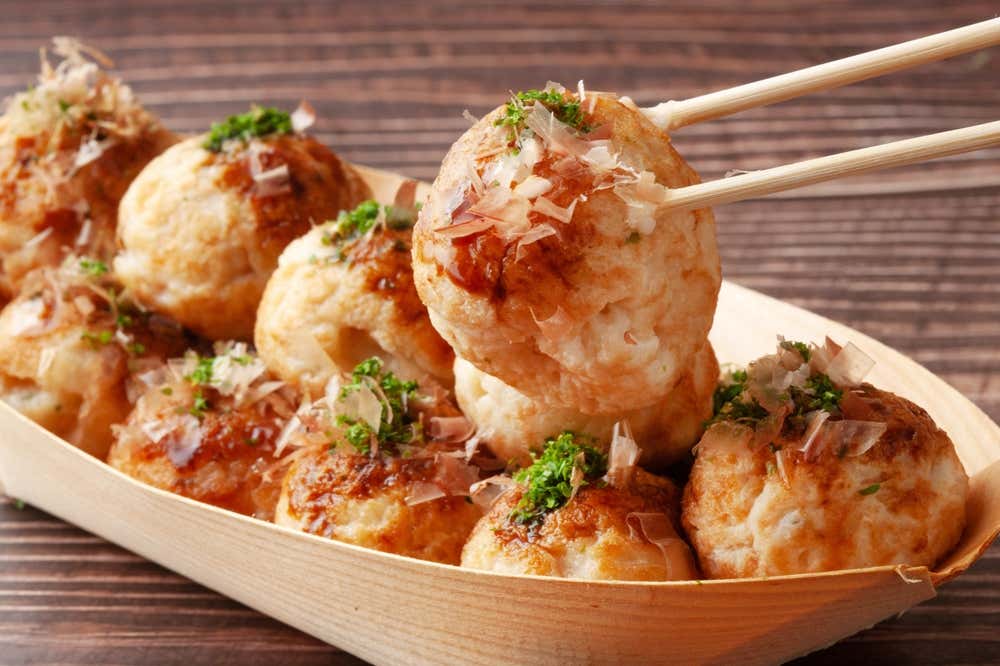
Born in the Kansai region, takoyaki is one of Japan’s most iconic street foods. A light, wheat-based batter is filled with pieces of octopus, pickled ginger, and green onion, then cooked in a special cast-iron pan lined with rows of half-sphere molds.
The balls come out piping hot, topped with sweet takoyaki sauce, Japanese mayonnaise, dried bonito flakes (katsuobushi), and powdered seaweed, so give them a moment before you bite in. If Osaka, long known as Japan’s kitchen, is on your route, this Osaka food tour is a fun way to try takoyaki and other local specialties with a local guide.
4. Okonomiyaki
Often described as a Japanese savory pancake, okonomiyaki takes its name from the phrase “grilled as you like it.” Shredded cabbage, flour, eggs, and dashi (a light stock) are mixed with the ingredients of your choice, such as pork belly, shrimp, or cheese, then cooked on a griddle and finished with a special sauce, mayonnaise, and katsuobushi.
There are two main styles. In Osaka, everything is mixed together before it hits the griddle, while in Hiroshima the pancake is built in layers with yakisoba noodles. If your trip includes Hiroshima, this guided tour of Hiroshima covers the Peace Memorial Museum and Orizuru Tower and includes lunch, and afterward you can try the city’s layered okonomiyaki for yourself.
5. Tempura
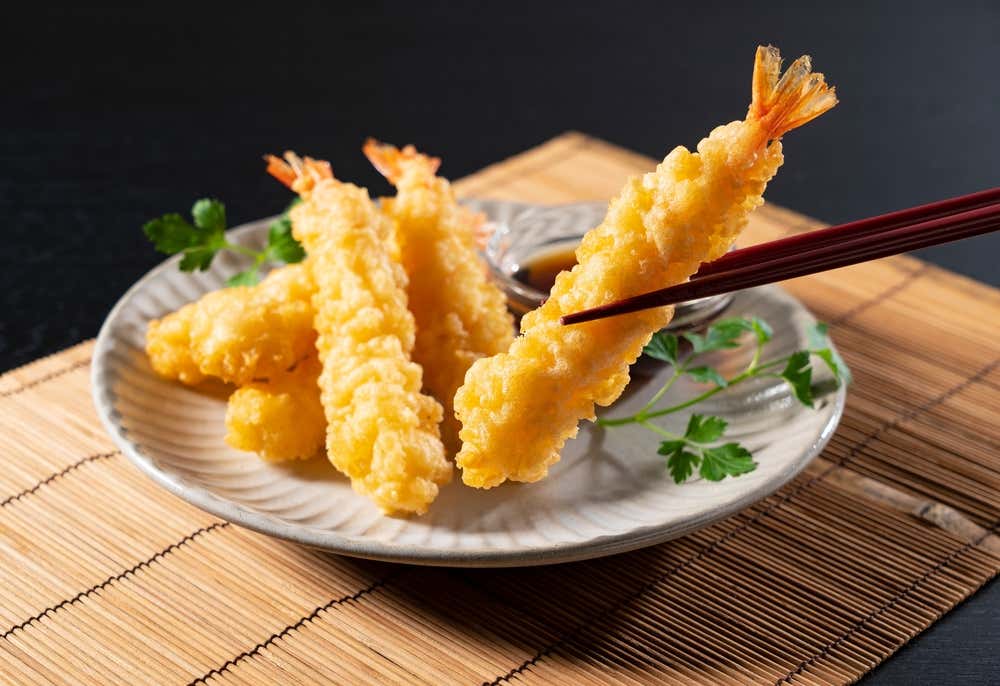
Introduced to Japan by Portuguese traders in the 16th century, tempura is seafood and vegetables coated in a cold, light batter of flour and ice water, then fried quickly in very hot oil. The technique seals in the natural flavor and moisture of each ingredient.
Shrimp, lotus root, kabocha squash, and shiso leaves are the most traditional choices, served with a light dipping sauce called tentsuyu and grated daikon radish. Tokyo’s Asakusa district is known for its long-running tempura restaurants, so it’s a great place to try it after this free walking tour of Asakusa, which takes you around Senso-ji, the city’s oldest temple.
6. Tonkatsu
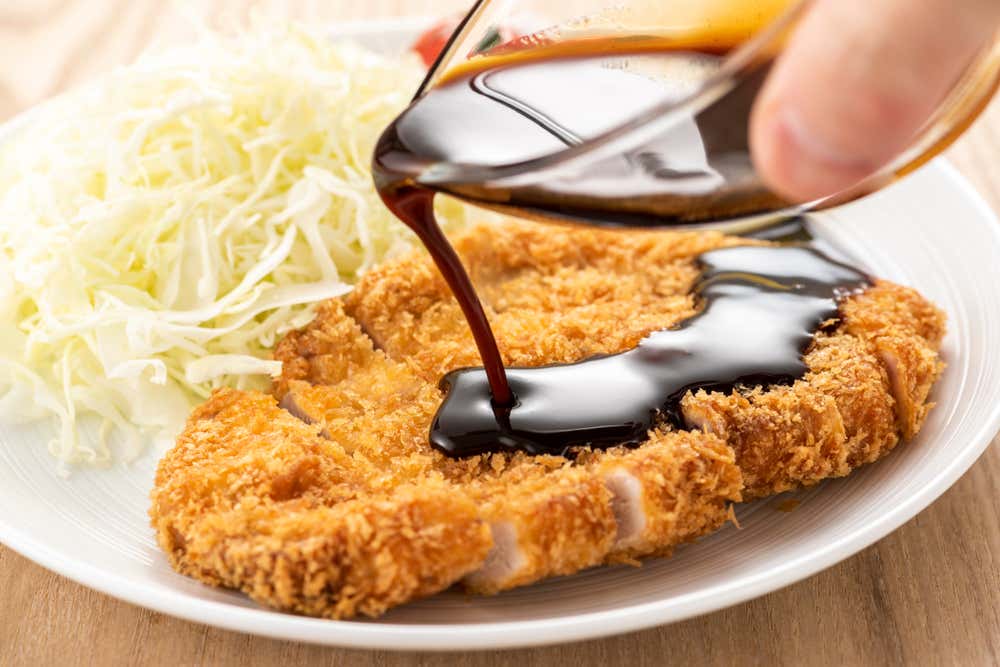
Tonkatsu is a thick pork cutlet coated in flour, egg, and panko (large, flaky Japanese breadcrumbs), then fried until golden. The result is a very crisp crust on the outside and juicy meat inside.
It’s usually served as a teishoku, a set meal with finely shredded cabbage, miso soup, rice, and a thick, tangy sauce. You’ll find it all over the country, and it’s one of the most comforting lunches you can order. For a sit-down meal in a traditional setting, this Tokyo city tour offers an option with lunch at an izakaya in Asakusa.
7. Wagyu and Kobe Beef
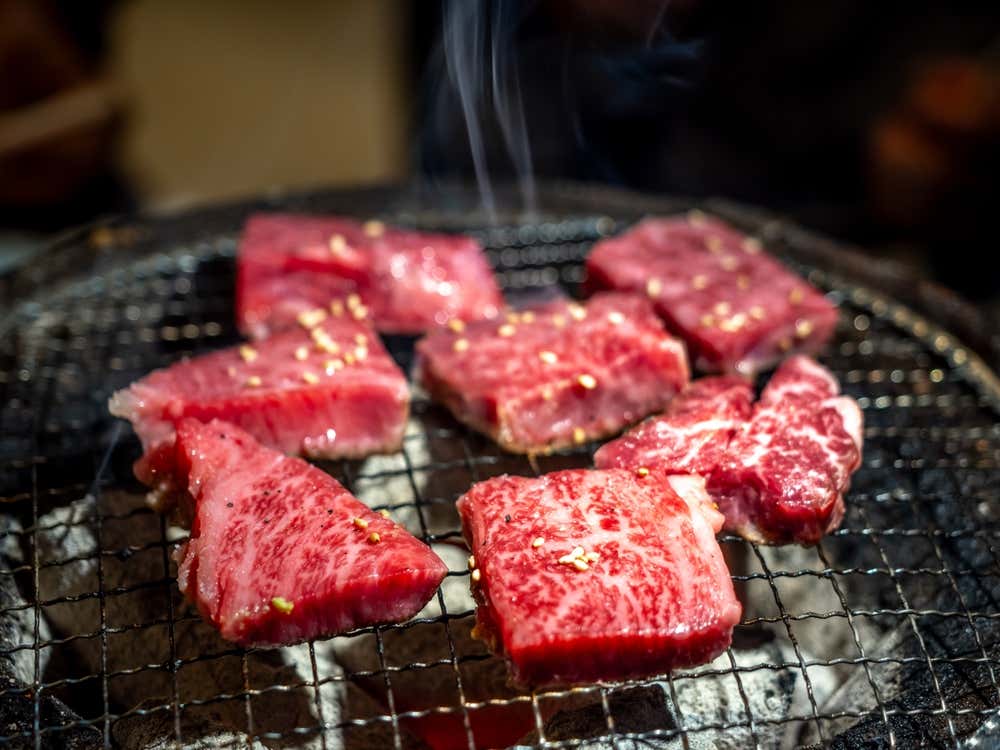
Wagyu is famous around the world for its marbling, the fine threads of fat running through the meat that melt at low temperatures. Kobe beef is the most celebrated name in this category, and it comes from Tajima cattle raised in Hyogo Prefecture.
You can enjoy it thinly sliced in shabu-shabu, grilled at a teppanyaki counter, or on skewers at food markets, and every version is incredibly tender. Hida beef from Takayama, in the mountains of Gifu Prefecture, is another highly prized variety worth looking out for.
8. Udon and Soba
Noodles play a starring role in Japanese cooking. Udon are thick, soft wheat noodles served in a light, hot dashi. Soba are made with buckwheat, which gives them a darker color and a nutty flavor, and you can order them hot or cold with a tsuyu dipping sauce.
Kagawa Prefecture is known for its chewy Sanuki udon, while Nagano is famous for its buckwheat soba. In Kyoto, a bowl of soba topped with fried tofu or tempura is a classic. While you’re in the old imperial capital, this Nishiki Market food tour lets you taste up to five traditional Kyoto delicacies as you wander one of the city’s liveliest food streets.
9. Yakitori
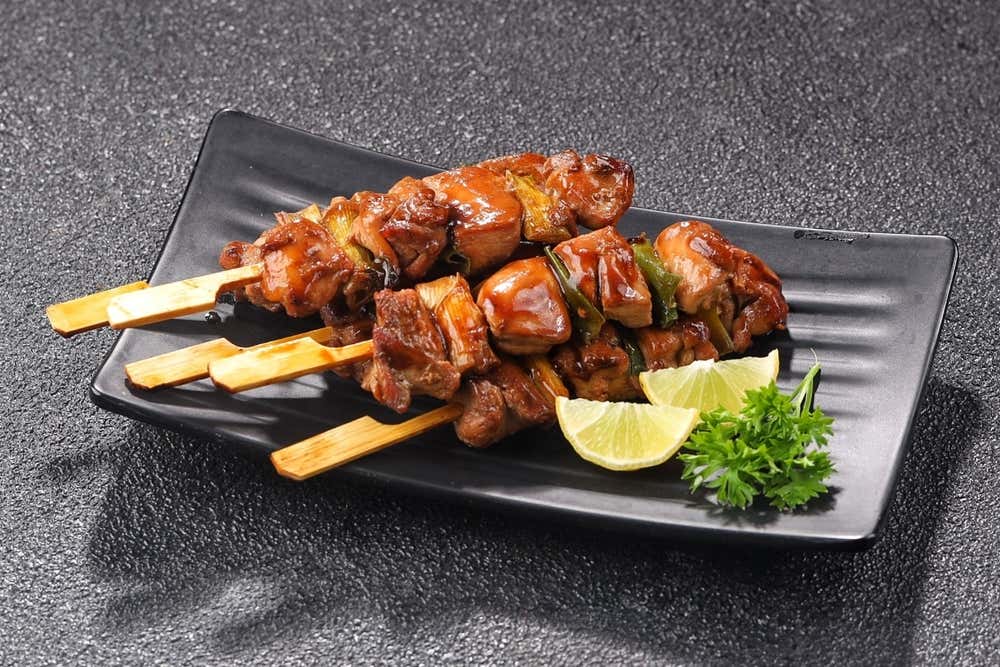
Yakitori brings together different cuts of chicken, such as breast, thigh, wings, gizzards, and skin, skewered on bamboo and grilled slowly over binchotan charcoal. The skewers are seasoned with sea salt (shio) or brushed with a sweet glaze of soy sauce and mirin (tare).
Yakitori is the classic companion to a night out at an izakaya, Japan’s casual taverns. In Tokyo, the narrow lanes of Omoide Yokocho in Shinjuku are lined with tiny yakitori stalls where you’ll sit elbow to elbow with locals. Join this free tour of Shinjuku to get your bearings in the district before dinner.
10. Kaiseki Ryori
Kaiseki ryori is the pinnacle of Japanese fine dining. It’s a banquet of many small courses, each carefully prepared to balance color, texture, flavor, and presentation according to the season.
Kyoto’s Gion district (Higashiyama-ku) is one of the best places to try it. Traditional restaurants there typically serve lunch from 11:30 AM to 2 PM and dinner from 5:30 PM to 9:30 PM, though hours vary, so it’s worth checking in advance and booking ahead. It’s a beautiful way to see wabi-sabi, the appreciation of simple, imperfect beauty, come to life on the plate. If you’re spending a few days in the city, the guide to 3 days in Kyoto will help you plan the rest.
Practical Tips for Eating in Japan
A few local customs will help you enjoy every meal. Never stand your chopsticks upright in a bowl of rice, since the gesture is associated with funeral rites. Tipping isn’t customary either: excellent service is simply part of the experience, and leaving money on the table can cause confusion.
Many restaurants display plastic food replicas in the window, which makes ordering easy even if you don’t read Japanese. And don’t be shy about slurping your noodles, since it’s a sign you’re enjoying them. For more ideas on where to eat and what to see in Japan’s food capital, take a look at the guide to things to do in Osaka.
If you’re adding South Korea to your trip, the guide to must-try Korean dishes is a great next read. For either country, it’s best to confirm current entry and visa requirements with the relevant embassy before you travel.
Enjoying the Best Traditional Japanese Food
Eating in Japan brings together centuries of history, top-quality seasonal ingredients, and real care in every step of the cooking. Wandering through markets, food stalls, and izakayas is one of the best ways to understand the country’s culture. When you’re ready to plan your food adventures, browse Civitatis’s full catalog and find the experiences that suit your trip.


Most read of #
Best Beaches in Sicily: 10 Spots for Your Next Trip
2 October 2026Best Time to Visit Japan: A Season-by-Season Guide
1 October 2026Traditional Japanese Food: 10 Dishes to Try in Japan
1 October 2026Iconic Food in Chicago: 17 Dishes You Have to Try
30 September 2026Best Beaches in Costa Rica: 12 Spots on Both Coasts
30 September 2026Best Time to Visit Hawaii: A Season-by-Season Guide
29 September 2026Most read #United States
Best Time to Visit Hawaii: A Season-by-Season Guide
29 September 2026West Coast Road Trip: An 8-Day Itinerary
12 July 2026
The 8 Best Day Trips from Philadelphia in 2026
1 July 2026NBA Game Tickets in New York: A Complete Guide
3 June 2026Top Fun Facts About New York
3 June 2026

The Ultimate 3-Day Boston Itinerary for First-Time Travelers
14 January 2026Top 11: Best Day Trips from Miami (2026)
10 January 2026The 12 Best Day Trips from Los Angeles (+ Travel Time)
22 November 2025Top 11: Things to Do in Las Vegas Besides Gambling
14 February 2025