

Croatia Beaches: The 13 Best Spots on the Adriatic
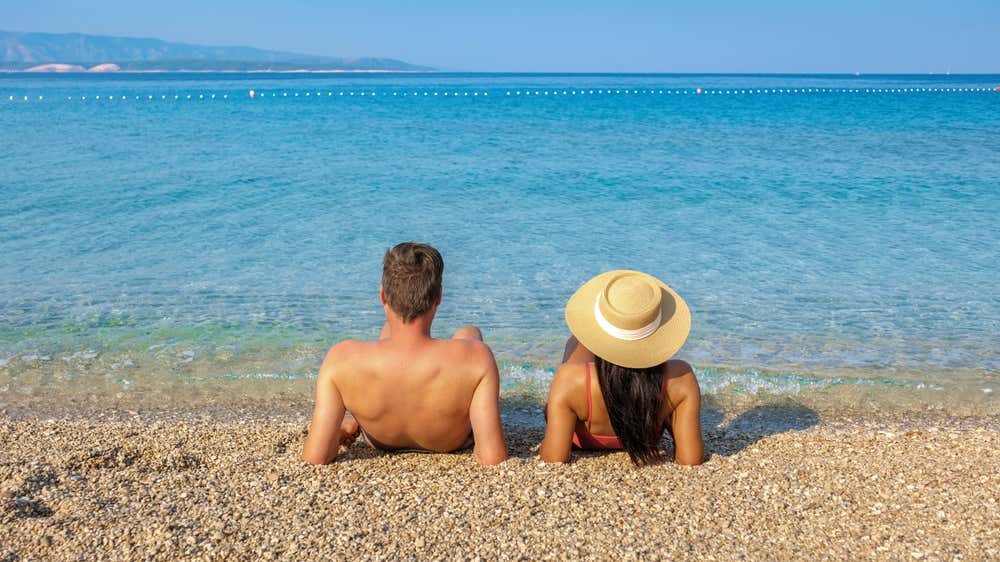

Croatia’s mainland coast stretches for more than 1,050 miles (1,700 kilometers), and the shores of over a thousand islands and islets scattered across the Adriatic add even more. With so many coves, bays, and beach clubs to choose from, picking the right Croatia beaches for your trip isn’t easy, especially if your time is limited.
The best beaches in Croatia are Zlatni Rat on Brač, Stiniva on Vis, Punta Rata in Brela, and Banje in Dubrovnik, plus rare sandy beaches like Sakarun on Dugi Otok, Šunj on Lopud, and Bačvice in Split. Most of the coast is pebble, which keeps the water crystal clear.
This guide brings together the country’s most beautiful beaches, including those rare stretches of sand that stand out on a coastline made mostly of pebbles and rock. For each one, you’ll find where it is, how to get there, and who it suits best, whether you’re planning a family vacation, a trip with friends, or a romantic getaway.
The most famous and best-loved beaches in Croatia are mainly along the Dalmatian Coast and on the islands of Brač, Hvar, Vis, and Pag, but the Istrian coast and the area around Zadar also hide beaches worth a visit. Some are reachable by car or bus, others only by sea or on foot through Mediterranean scrub, and here you’ll find everything you need to choose the right one for you.
The Best Beaches in Croatia
The Most Beautiful Beaches in Croatia
Before getting into the details, it’s worth being clear about one thing: Croatia isn’t a land of long sandy beaches like the Aegean or the Caribbean. Most of the coast is made up of pebbles, fine shingle, or smooth rock, and that’s exactly what makes the water so incredibly clear. The beaches below are the most photographed and talked about, and each one has its own personality.
1. Zlatni Rat (Bol, Brač Island)
This is probably the most famous and recognizable beach in all of Croatia. Zlatni Rat, which means “golden horn,” is a spit of very fine pebbles that reaches about 1,640 feet (500 meters) into the sea and changes shape with the currents and seasons. It’s a few minutes’ walk from the center of Bol, on the island of Brač, and pine forests behind it provide natural shade. It’s popular with windsurfers and kitesurfers, thanks to the steady winds that blow in the afternoon. You can reach Brač from Split by ferry, and a good way to plan the day is this Brač and Šolta islands boat cruise, with swims along the coast and lunch on board.

2. Sakarun (Dugi Otok)
If you’re looking for a true sandy beach, Sakarun is one of the best answers Croatia has to offer. It’s on the island of Dugi Otok, not far from Zadar, with fine white sand and shallow turquoise water that stretches far from the shore, ideal if you’re traveling with young children. The bay is sheltered from the wind, so the water is almost always calm. There are seasonal kiosks selling drinks and snacks, but it’s still worth bringing water and an umbrella, since the beach fills up fast in July and August. Dugi Otok is reached by ferry from Zadar, or you can explore the island’s south on this day trip to Kornati and Telašćica, which includes Telašćica Nature Park on Dugi Otok.
3. Stiniva (Vis Island)
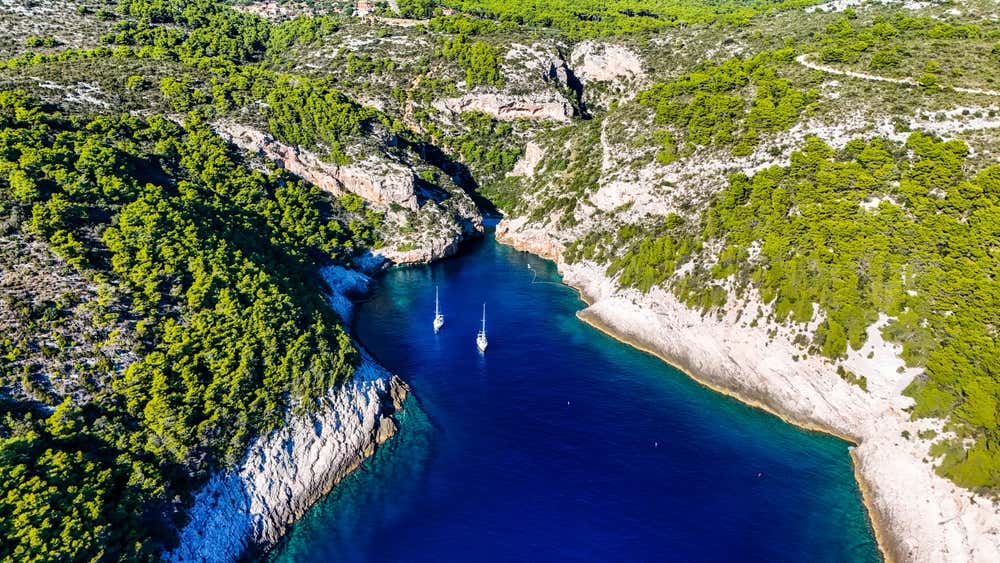
Stiniva is one of the most photographed coves in the Mediterranean, tucked between two tall rock walls that open onto a small bay of white pebbles. Getting there by land means a roughly 20-minute walk down a steep, uneven trail, so it’s not ideal with young children, strollers, or limited mobility. Many boat trips from Vis, Hvar, or Split stop for a view of the bay instead, although landing isn’t always possible because space is tight. To enjoy the whole area comfortably, this Blue Cave, Hvar, Vis, and Biševo boat trip is the easiest option.
4. Banje (Dubrovnik)
Just steps from the walls of the Old Town, Banje is Dubrovnik’s most famous city beach. It’s made of pebbles and shingle, with a direct view of the medieval walls and the island of Lokrum, which makes it perfect if you don’t want to give up the sea during this guided walking tour of Dubrovnik. Being so central, it’s also the busiest, so arrive early in the morning if you want some peace. Nearby, you’ll find bars and restaurants open all day, plus kayak and paddleboard rentals.
5. Punta Rata (Brela)
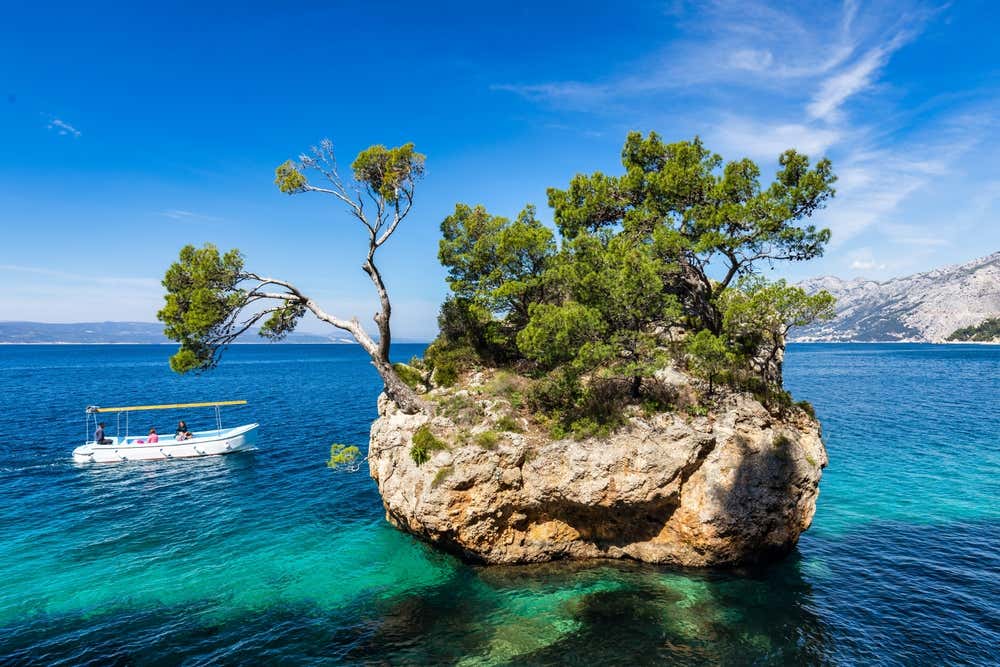
On the Makarska Riviera, Punta Rata is ranked by many international guides as one of the most beautiful beaches in Europe. It’s a long stretch of fine pebbles surrounded by pine forest, with the famous Kamen Brela rock, topped with pine trees, rising just off the shore. The seabed slopes gently, which makes it suitable for families too, although the pebbles mean little ones will need water shoes. Brela is about an hour’s drive from Split and is well served by buses along the coast.
6. Nugal (Makarska)
Not far from Brela, Nugal is a secluded cove reachable only on foot along a scenic trail that starts from the Makarska waterfront. The walk takes about 30 to 40 minutes through Mediterranean scrub with views of the open sea, so it’s not practical with strollers or very young children. That’s exactly why it’s quieter than the riviera’s main beaches, and it’s popular with naturists.
7. Šunj (Lopud, Elaphiti Islands)
Framed by maritime pines on the island of Lopud, a short trip from Dubrovnik, Šunj is one of the few sandy beaches in the area. The water here is clear and shallow for hundreds of feet, ideal if you’re traveling with children or aren’t a confident swimmer. The island is car-free, so the atmosphere is relaxed from the moment you step off the boat. Take the ferry from Dubrovnik and walk about 20 minutes from the harbor, or book this Elaphiti Islands cruise with lunch, which combines Lopud with Koločep and Šipan in a single day.

8. Zrće (Novalja, Pag Island)
If your trip is all about a vacation with friends and great nightlife, Zrće is Croatia’s go-to beach. It’s near Novalja, on the island of Pag, and it’s famous for beach clubs that host parties and music events all summer, often until sunrise. By day, besides swimming, you can try water sports like banana boating and jet skiing. It’s a pebble beach with paid loungers and umbrellas, very different from the quiet coves above, but a must if you’re after energy, fun, and a social scene.
9. Bačvice (Split)
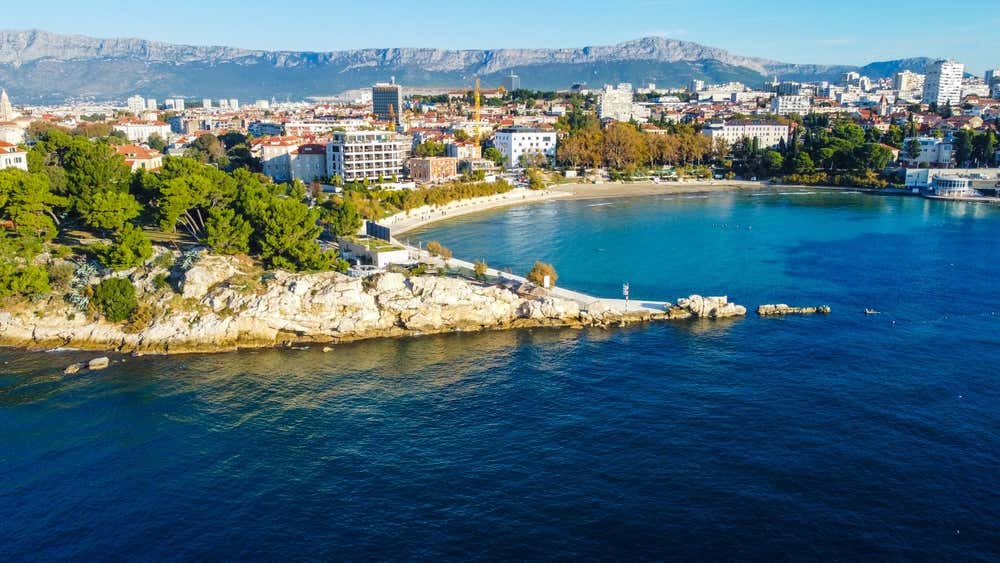
Bačvice is the city beach of Split, a few minutes’ walk from the old town and Diocletian’s Palace. It’s one of the rare sandy beaches in central Dalmatia, and its standout feature is the very shallow water that stretches a long way out. That made it the birthplace of picigin, a traditional ball game played in the shallows. As a city beach, it’s popular with both visitors and locals, with bars, restaurants, and nightclubs along the promenade.
10. Pasjača (Near Dubrovnik)
About 40 minutes by car from Dubrovnik, toward the border with Montenegro, Pasjača is a pebble beach enclosed by tall limestone cliffs. You reach it by a staircase cut into the rock, which is steep but manageable. The scenery is spectacular and less crowded than the beaches closer to the city, making it a great choice if you want to escape the main tourist flow without straying too far from Dubrovnik.
11. Vela Pržina (Korčula Island)
Near the village of Lumbarda, on the island of Korčula, Vela Pržina is one of the best-loved sandy beaches in southern Dalmatia. The sand here has a golden tone that’s unusual for the region, and the sandy seabed keeps the water shallow and safe for dozens of feet. It’s ideal for families with young children, with parking nearby and a few seasonal kiosks. Korčula is reachable by ferry from Split or Dubrovnik, or on this Korčula Island day trip from Dubrovnik.
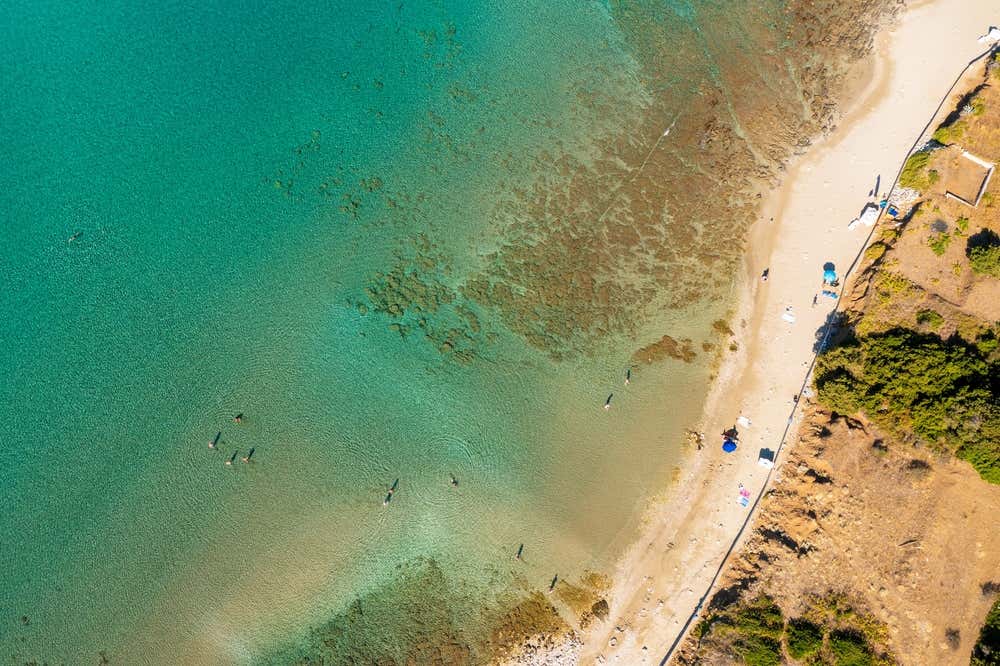
12. Proizd (Islet Near Vela Luka, Korčula)
Proizd is a small, uninhabited islet off Vela Luka, on the island of Korčula, often described as one of the most unspoiled corners of the Adriatic. Its white pebble coves and turquoise water make it perfect for a full day out by boat, with no permanent facilities apart from a few seasonal kiosks. Since there’s no dock for regular ferries, the only way to get there is by private boat or water taxi.
13. Kolovare (Zadar)
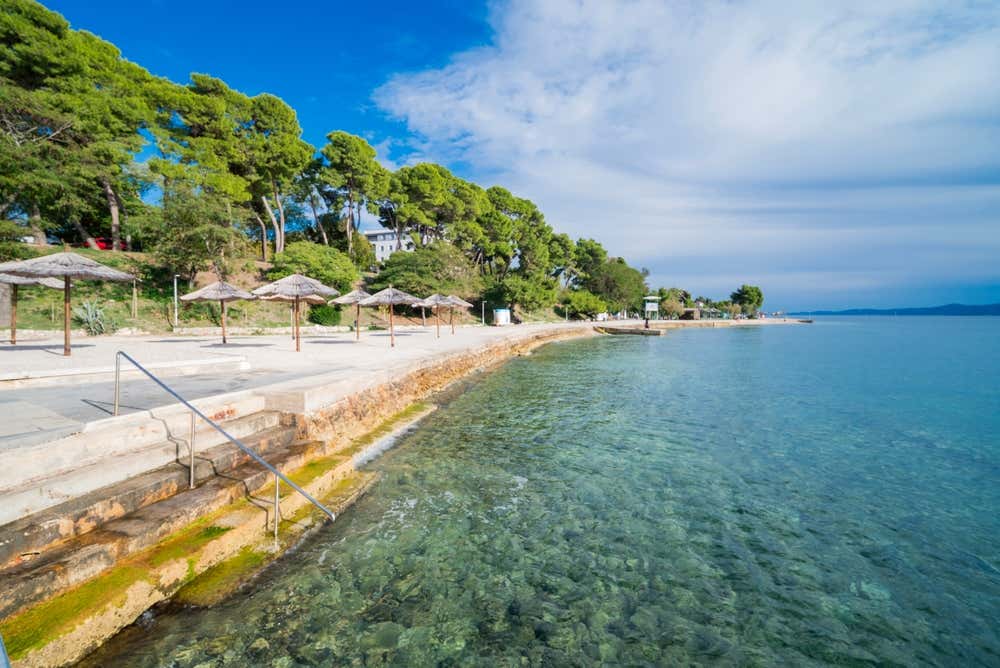
A few minutes’ walk from Zadar’s old town, Kolovare is a city beach of fine pebbles backed by a long, tree-lined promenade. It’s perfect if you’re visiting Zadar and want a swim without straying far from the main sights, like the Sea Organ or the Sun Salutation. Nearby, you’ll find restaurants, bars, and water sports rentals for paddleboarding and kayaking.
Where to Find Sandy Beaches in Croatia
One of the most common questions when planning a trip to Croatia is about sand. Unlike Greece or Spain, the Croatian coast is made up mostly of pebbles, fine shingle, and rock. True sandy beaches do exist, but they’re relatively rare and concentrated in a few specific areas, like Sakarun, Bačvice, and Vela Pržina, all covered above.
Another area worth knowing is Nin, near Zadar. Its Kraljičina Plaža, literally “Queen’s Beach,” stretches across natural sand dunes, which is quite rare on the Adriatic, and it’s also known for the healing mud found nearby, traditionally used in wellness treatments. Nin is well connected to Zadar and makes an easy stop if you’re visiting the city.
One last area to keep in mind is the island of Murter, with Slanica beach: fine sand and shallow water, very popular with families, with a playground nearby and several places to eat. Murter is also the most convenient starting point for exploring Kornati National Park. Since these sandy beaches are so rare, they fill up fast in high season, so arriving early in the morning or traveling in June or September makes a big difference.

Beaches for Families with Kids
If you’re traveling with young children, you’re probably looking for three things: shallow water, natural or artificial shade, and facilities nearby. Sakarun, Vela Pržina, Šunj, and Slanica, all covered above, tick those boxes thanks to their gently sloping sandy seabeds. Punta Rata is still a good alternative despite the pebbles, as long as you bring water shoes for the little ones and use the pine forest behind the beach during the hottest hours. Skip coves that can only be reached by long, steep trails, like Stiniva or Nugal, since they require a good level of fitness and are hard to manage with strollers or small children.
To enjoy a day at the beach without worrying about logistics, many families also choose this Dubrovnik private boat tour, which lets you swim at different spots without driving or walking too far with kids in tow.
Beaches for Young Travelers
If you’re traveling with a group of friends in search of nightlife, music, and water sports, Zrće remains the top choice, with an atmosphere reminiscent of Ibiza’s beaches. Hvar is another popular option. The beaches around its old town are mostly pebble, but the real draw is the evening bar scene, plus the Pakleni Islands, just minutes away by boat, where you can spend the day in calmer water before heading back to town at night. This Hvar and Pakleni Islands catamaran cruise from Split covers both.
How to Get There and When to Go
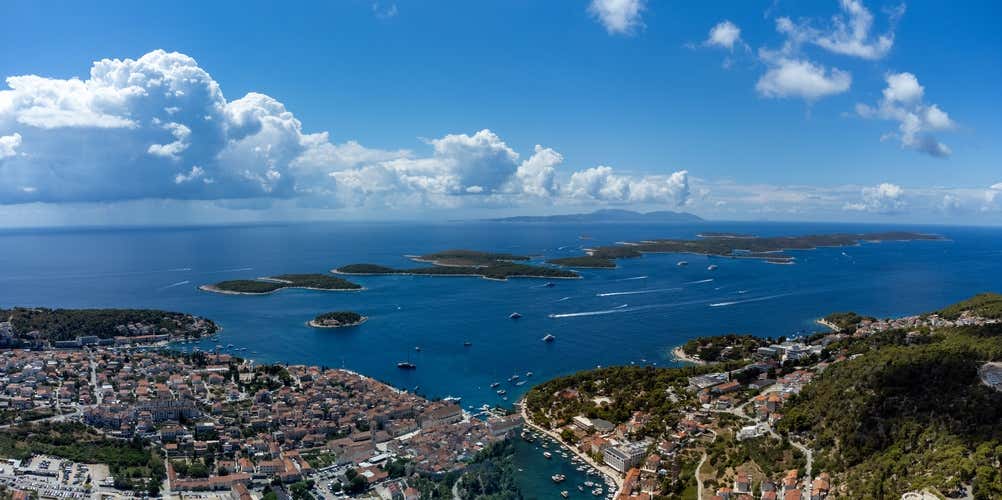
You can reach most of Croatia’s beaches by car along the coastal road, but the islands require a ferry. The main connections leave from Split, Zadar, and Dubrovnik, with more frequent departures in summer. If you don’t have a rental car, many island or remote beaches are still reachable on organized boat trips, which often include several stops in one day, a handy option if you only have a few days.
If you want to avoid the crowds at the most photographed beaches, like Zlatni Rat or Banje, June and September are the best months. The weather is still warm and ferries keep running, although departures may be less frequent than in July and August. In high season, arrive early at the best-known beaches, especially those you can reach by car. Ferry schedules change from season to season, so it’s always worth checking them in advance on the companies’ official websites, particularly if you’re planning a same-day return.
As for what to pack, water shoes are useful on most pebble beaches, especially for kids. A mask and snorkel are worth bringing, since visibility is excellent in the waters around Vis, Korčula, and the Kornati islands. And if you like camping, several areas near Zadar and on the island of Krk have well-equipped campsites right by the beach.
Croatia’s beaches cover a huge range of experiences, from coves reachable only on foot or by boat to city beaches steps from the old town and the rare stretches of sand that families love. The right choice depends mostly on how you’re getting around, who you’re traveling with, and how much time you have. If you’d like to explore the most beautiful islands and bays without worrying about ferry logistics, take a look at Civitatis’s full catalog, with boat tours, day trips, and experiences all over Croatia for every kind of traveler.


Most read of #Croatia
Croatia Beaches: The 13 Best Spots on the Adriatic
3 October 2026Top 10: Best Places to Visit in Croatia in 2026
16 April 2026What to see in Istria
29 September 2022Most read #Croatia