
Easter 2026: 9 Safe Destinations for a Worry-Free Trip


Easter 2026 falls on April 5, and with so much uncertainty in the world right now, choosing a safe and welcoming destination feels more important than ever. This year also happens to have some genuinely interesting travel angles that most roundups won’t tell you about…
Rome is coming off the back of a historic Jubilee Year, which means the crowds have slightly eased. Dublin marks the 110th anniversary of the Easter Rising, making it a more significant Easter destination than usual. Budapest’s famous Gellért Baths are unexpectedly closed for renovation, which will catch a lot of visitors off guard. Amsterdam’s Easter weekend happens to coincide with one of Europe’s best electronic music festivals. And Malta, which almost nobody puts on these lists, turns out to have some of the most extraordinary Holy Week processions in Europe.
None of that is stuff you’ll find on a generic “best Easter destinations” list. So rather than give you another one of those, we’ve tried to put together something more useful: nine destinations worth considering this Easter, each with the practical tips and honest local knowledge that actually help when you’re planning a trip. Including things to do in the Easter holidays for families, Easter activities for adults, ideas for Easter Monday, and a “Going Further” paragraph at the end of each section for anyone who wants to venture a little off the beaten path. And given the current global climate, all nine are stable, welcoming, and genuinely safe places to travel.
Where to Go for Easter 2026
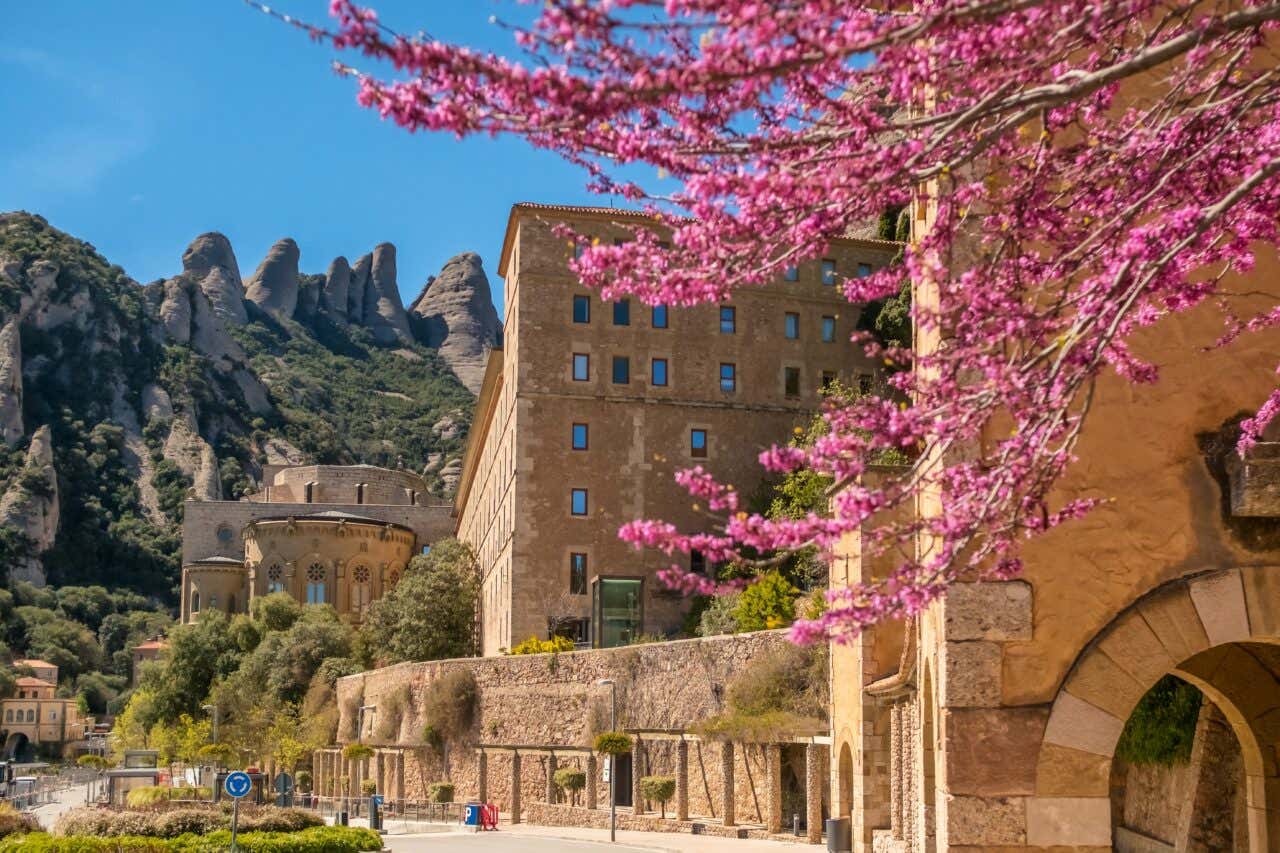
Why Easter Is One of the Best Times to Travel in Europe
It gets overlooked because it falls in the shadow of summer, but Easter is genuinely one of the best windows to travel. Temperatures across southern Europe are warm without being punishing. Flights and hotels, while not cheap during the Easter holiday break, are still significantly more manageable than in August. And the cultural calendar is at its richest: Holy Week processions in Spain and Italy, spring markets in Central Europe, tulip season in the Netherlands, and cherry blossoms in unexpected corners of the continent. Best of all, given the current global climate, the destinations on this list are all stable, well-touristed, and safe.
The one real catch is that Easter is also peak season for families with school-age children, which means popular sites fill up fast. Throughout this guide, we’ve flagged where advance booking is non-negotiable and where the crowds tend to thin out if you know where to look…
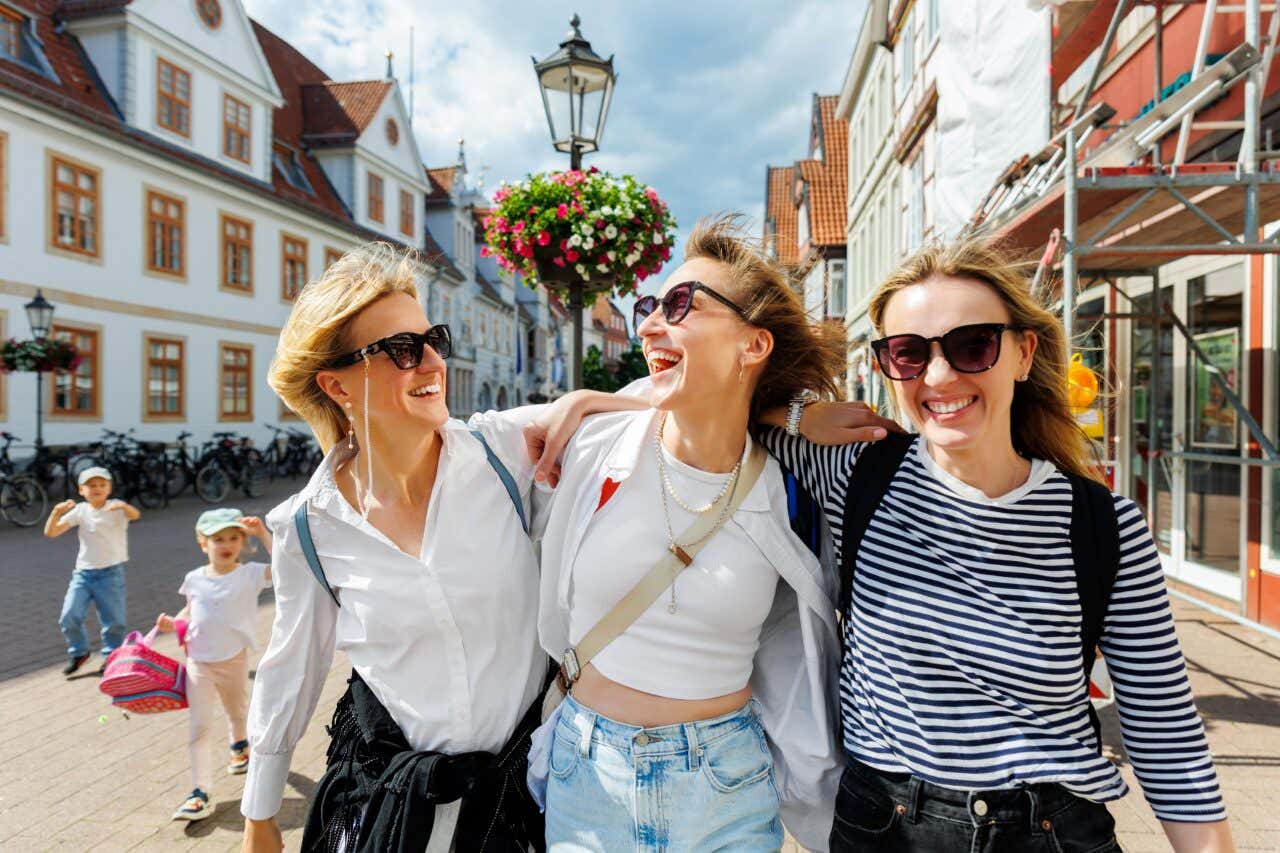
1. Rome & the Vatican: Holy Week at the Source
There’s nowhere quite like Rome at Easter. St Peter’s Square fills with pilgrims for Palm Sunday Mass on March 29, and on Good Friday (April 3), the Pope leads the solemn Via Crucis at the Colosseum, starting around 9:15 pm. This is one of the most extraordinary things you can witness in Europe. Easter Sunday brings another papal Mass at 10 am, followed by the famous Urbi et Orbi blessing at noon.
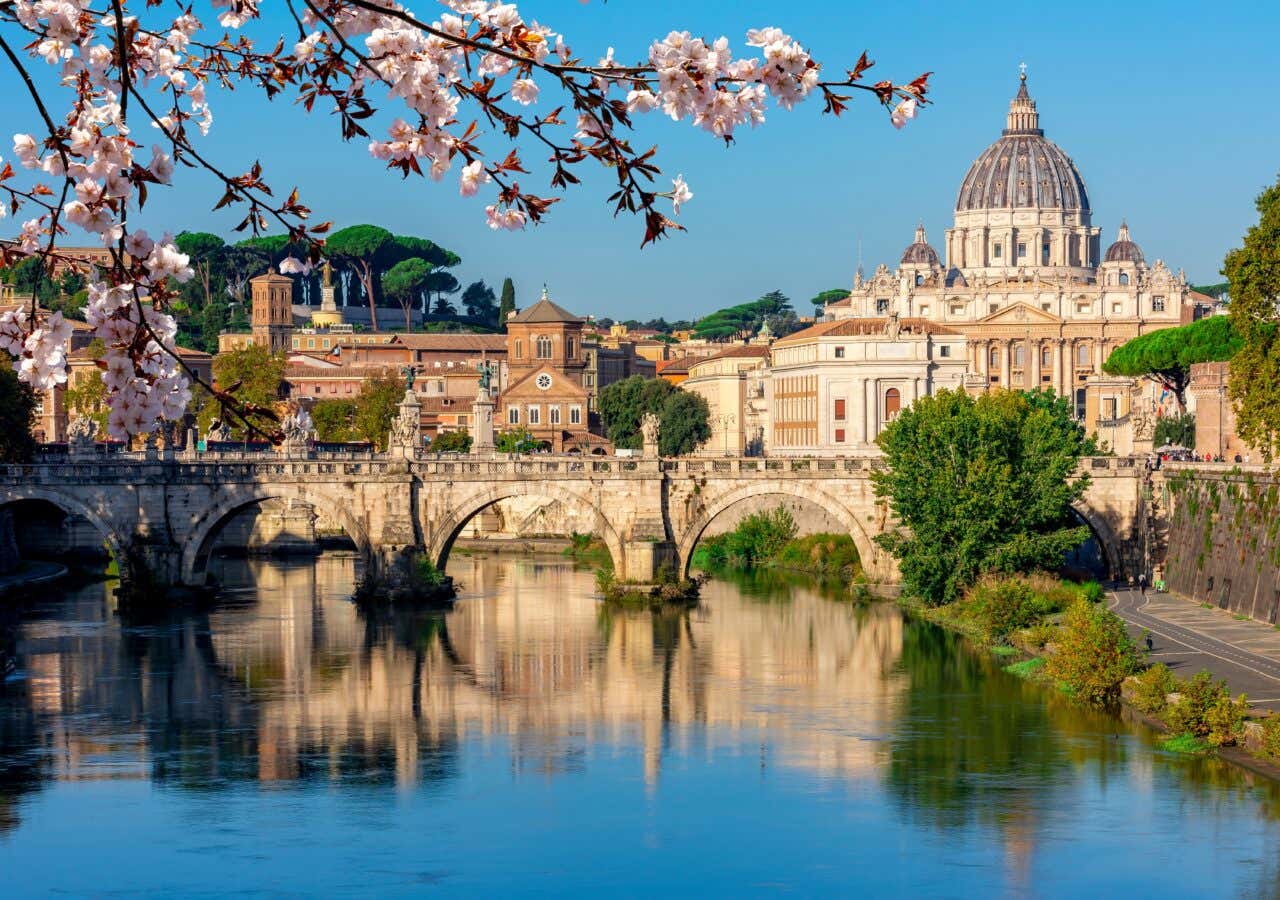
Why 2026 is a particularly good year to go: Easter 2026 falls just after the conclusion of the Holy Year, the Catholic Jubilee that drew record crowds to Rome throughout 2025. That means you’ll still get the full atmosphere of a spiritually charged city, but with a sharp dip after all the madness last year. If you’ve been putting Rome off, this is a smart window.
A Few Things Worth Knowing Before You Go
Papal Mass tickets are free but go fast, so request them well in advance through the official Vatican Prefecture website. The Vatican Museums are closed on Easter Sunday and Monday, so plan accordingly. I highly recommend this Vatican Museums & Sistine Chapel Guided Tour for any other day of holy week. And book restaurants ahead for Easter lunch; the city fills up quickly.
Beyond the Obvious
Most visitors pack their Rome itinerary with the Colosseum, Vatican, Trevi Fountain, which are all unmissable, yes. But save an afternoon for the Testaccio neighbourhood, home to Rome’s oldest and best food market (Mercato Testaccio), a string of unpretentious trattorias, and zero tour groups. For something architecturally remarkable that almost nobody visits, look up Quartiere Coppedè, a surreal cluster of art nouveau buildings tucked between two tram stops, completely free to walk through, and genuinely jaw-dropping.
Near Rome
The town of Civita di Bagnoregio, a medieval village perched on an eroding tufa rock plateau, accessible only by footbridge, is about 90 minutes from Rome and looks like something out of a Miyazaki film. Go on a weekday morning in spring, and you’ll practically have it to yourself.
2. Seville: Semana Santa Like Nowhere Else
Seville’s Holy Week is, quite simply, one of the most impressive spectacles in the world, so much so that it holds the status of Festival of International Tourist Interest. From late March through early April, the city’s brotherhoods take to the streets with enormous decorated floats through the historic centre, accompanied by the haunting sound of saetas, a form of flamenco sung spontaneously from balconies as processions pass below.
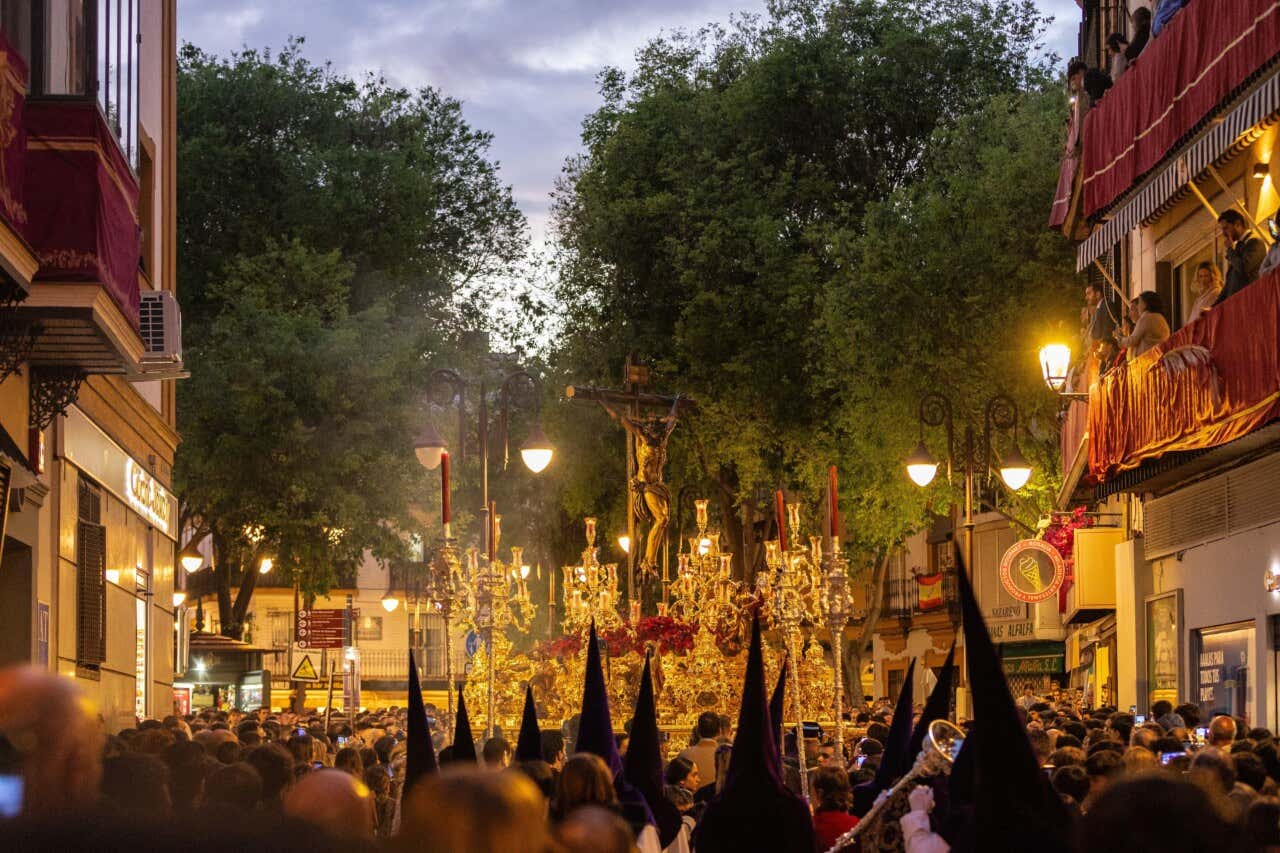
The highlight for most Sevillanos is La Madrugá: the early hours of Good Friday morning, when several of the most beloved brotherhoods process through the night. It’s intense, emotional, and unlike anything else. Watching the processions from street level in the crowd is one way to experience it; watching from a rented balcony above is another, and if you can manage it, the elevated view is extraordinary.
The Local Tip Most Guides Skip
Cross the Guadalquivir River into the Triana neighbourhood (and take a Free Tour of Triana when you do). It has its own brotherhoods, its own ceramic workshops, its own dive bars with flamenco happening organically on weekend nights, and it feels far removed from the tourist circuit. Seville is also at its most authentic in the early morning… if you’re willing to be up at 3 am on Holy Thursday night, you’ll see the processions with the devout rather than the crowd.
Beyond Holy Week
The Torre del Oro, the magnificent Plaza de España (yes, that one from Star Wars), and an eating culture centred on long, unhurried tapas crawls make Seville one of the most enjoyable cities in Europe at any time of year.
Near Seville
The white hilltop village of Vejer de la Frontera, about 1.5 hours south, is one of Andalusia’s most beautiful and least visited pueblos blancos (white villages). Stroll through its maze of narrow lanes, Moorish arches, and rooftop terraces with views over the Atlantic.
Speaking of pueblos blancos, if you’re into that vibe, we can’t recommend this Day Trip to Ronda and the White Villages from Seville enough.
3. Amsterdam: Tulips, Canals, and a City in Full Bloom
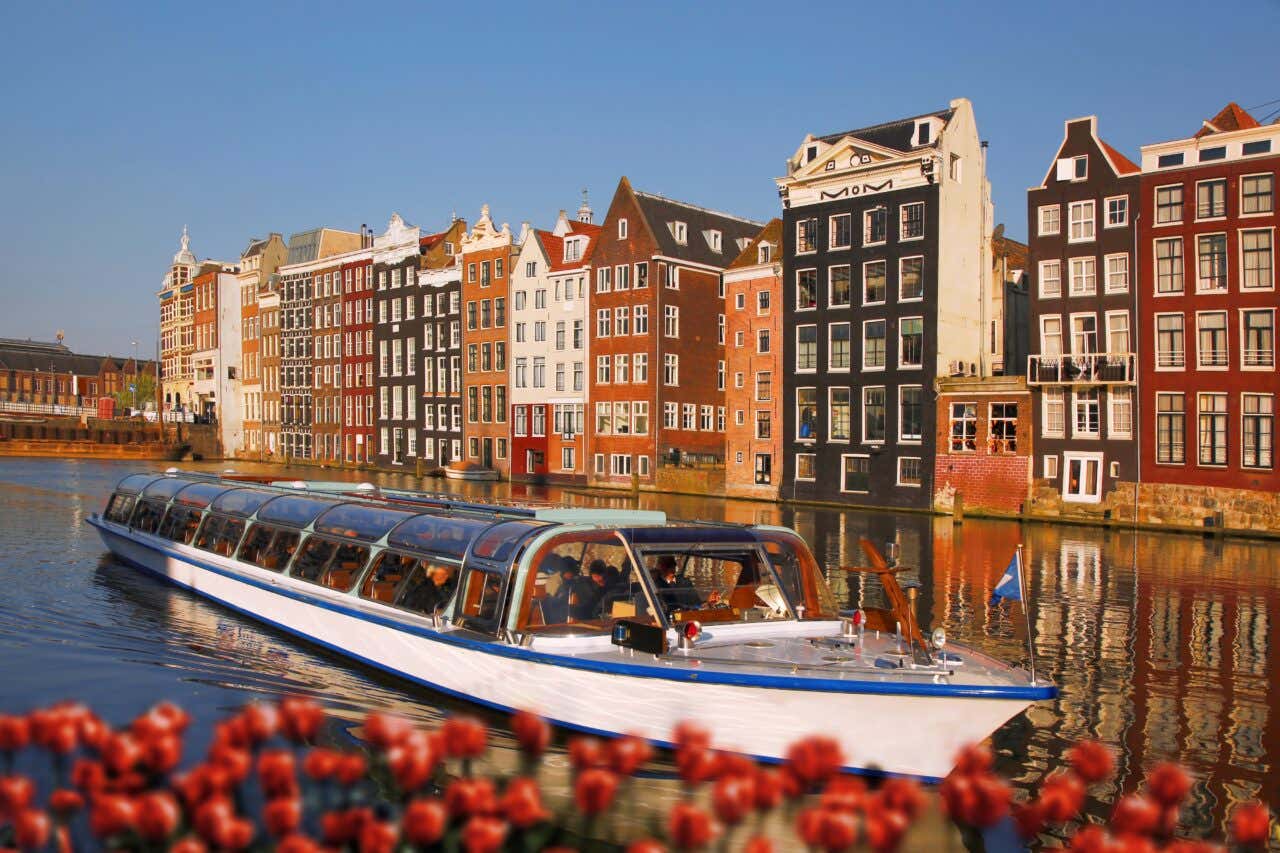
Spring is Amsterdam’s moment. The city comes alive with colour as tulip season kicks off, and a boat trip along the canals framed by blooming flowers and historic canal houses is pretty hard to beat.
The real draw for Easter visitors is Keukenhof, one of the most spectacular gardens in the world. Up to seven million flowers are planted each year, open for only around three months. This year, Keukenhof opened on March 19 and runs through mid-May, so Easter sits right in the sweet spot. A bus from Amsterdam that includes garden admission is the easiest independent option, or you can join an organised day trip to Keukenhof.
What’s on in 2026
For Easter activities for adults, Amsterdam is hard to beat this year. Easter weekend coincides with the DGTL Festival (April 3–5), a globally respected electronic music event held at the NDSM Wharf on the north side of the city. If that’s your scene, it’s worth knowing about.
On the cultural side, the Jewish Museum is currently hosting its first major retrospective of American artist Judy Chicago, running through August, and there’s a fascinating immersive Frida Kahlo exhibition at Vincent Hall. Both are well worth an afternoon.
The Hidden Gem
Skip the crowded Rijksmuseum queue one morning and head to STRAAT instead, the world’s largest street art museum, housed in an 8,000 m² warehouse at NDSM Wharf, with some 180 massive works created on-site by international artists. It’s completely unlike anything else in the city, and the ferry there from Central Station takes about 15 minutes and is free.
Near Amsterdam
The towns of Leiden and Haarlem are both under 30 minutes by train and far quieter than Amsterdam. Leiden in particular has a canal city feel, a strong university-town energy, and very good museums, including the National Museum of Antiquities (Rijksmuseum van Oudheden) and a surprisingly excellent natural history collection. If you decide to travel to Haarlem, don’t miss this boat cruise with a local wine and cheese tasting.
4. Budapest: Easter Markets, Thermal Baths, and Quirky Traditions
Budapest at Easter has a distinctive character: outdoor markets, folk crafts, chimney cakes warm from the oven, and a genuine local festivity that hasn’t been entirely smoothed out for tourists yet.
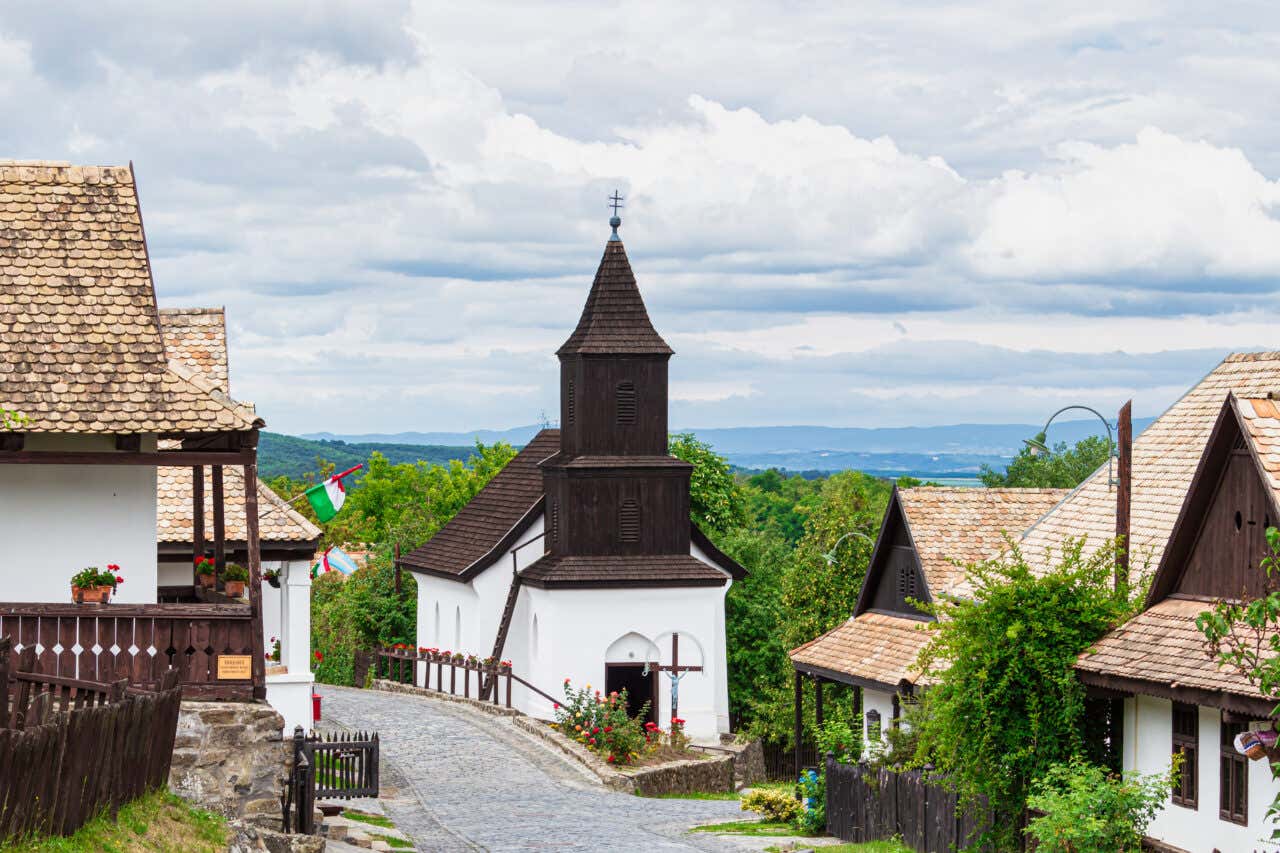
If you’re wondering what to do on Easter Monday, Budapest has one of Europe’s most distinctive answers: Locsolkodás or “Watering Monday”, where men traditionally sprinkle women with water or perfume and recite a short poem in exchange for a painted egg. It sounds peculiar, but it’s a living tradition you can witness in its most authentic form by doing a day trip to the village of Hollókő, a UNESCO-listed settlement about 90 minutes from the city that holds a full Easter folk festival with traditional costumes, music, and egg painting. It’s one of the most genuinely special day trips you can do from any European capital.
What’s new in 2026
This year’s main Easter market has relocated from its usual home at Vörösmarty Square to the Buda side of the city, at the Corso next to the Allee Shopping Centre (Kőrösy József Street), which is easily reached by Tram 4. The free concerts, folk shows, and food stalls run from April 1–6.
One more heads-up: the Gellért Baths are closed for full renovation until 2028. This means the other baths like Széchenyi, Lukács, and Palatinus will be busier than usual, so book your spa session in advance rather than turning up on the day.
The Local Tip
Budapest in April is also peak cherry blossom season. Gellért Hill has some of the best trees in the city and, from the top, a panoramic view over the Danube that’s among the finest in Central Europe. A morning walk up there before the crowds arrive costs nothing and sets the day up beautifully.
Near Budapest
The Szentendre open-air village museum (Skanzen), which is about 40 minutes by train, is one of the best ethnographic museums in Central Europe, with traditional Hungarian buildings from different regions reconstructed across a large hillside site. At Easter, it hosts craft demonstrations and folk events.
Check out other day trips from Budapest here.
5. Malta: the Best Easter Destination Most Families Have Never Considered
Malta is one of those places that surprises almost everyone who goes. It’s small (you can drive the length of the island in under an hour), English is an official language, the weather in April is warm and reliable, and it punches far above its weight in terms of things to do: ancient temples older than Stonehenge, a walled capital city that looks like a film set, sea caves, and crystal-clear water. For families, it’s genuinely easy: manageable distances, no language barrier, safe, and varied enough that different ages get something out of it.
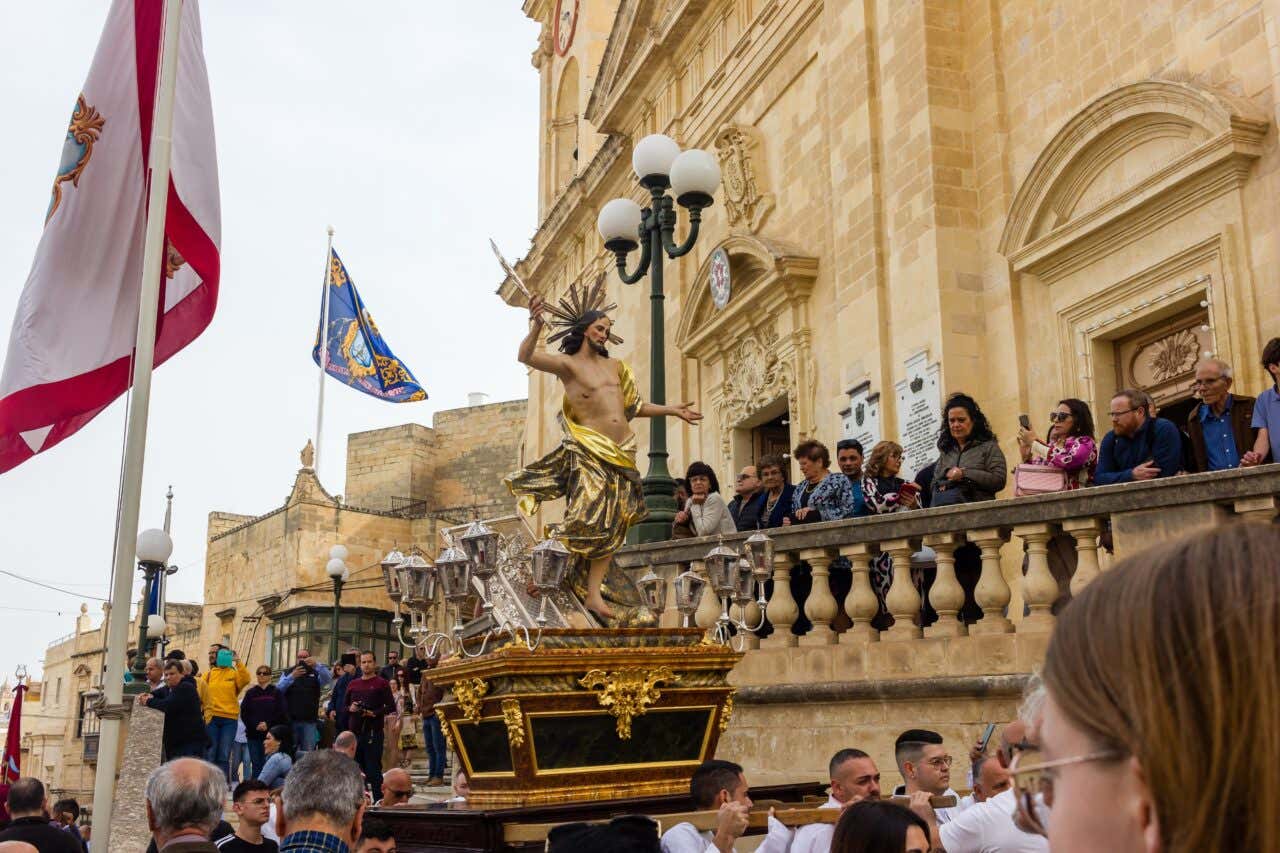
But what makes Malta particularly extraordinary at Easter is Holy Week. The island has one of the most intense and authentic Holy Week traditions outside of Spain: processions dating back centuries, life-sized biblical tableaux carried through narrow baroque streets, and a level of community participation that makes you feel like a guest at something genuinely sacred rather than a spectator at a tourist event. The Good Friday processions in Valletta and the village of Żejtun are among the most dramatic in Europe and almost completely unknown to the wider world. If you’re interested in religious heritage and want to see Holy Week without the crowds of Seville, Malta is your answer.
Beyond Easter
The fortified silent city of Mdina, perched on a hilltop at the centre of the island, is worth half a day at minimum, especially in the early morning before the day-trippers arrive. For families with older kids, the Hypogeum of Ħal Saflieni (an underground prehistoric burial complex with UNESCO status and strictly limited daily admission) is unlike anything else in the Mediterranean. Book it well in advance; it sells out weeks ahead. And the Blue Lagoon at Comino island, a short boat ride from the main island, is one of the most beautiful stretches of water in Europe, though it gets crowded in summer. At Easter, it’s still relatively calm.
The Practical Bit
Malta is well served by budget airlines from most European cities, accommodation is significantly cheaper than comparable Mediterranean destinations, and almost everything is walkable or easily reachable by local bus. It’s one of the best-value Easter city breaks in Europe right now.
Near Malta
Gozo, Malta’s smaller sister island (a 25-minute ferry ride), is dramatically quieter and greener… think clifftop citadels, salt pans, and some of the best diving in the Mediterranean. The Azure Window may be gone, but Gozo has more than enough left to justify a day or two. It’s a completely different pace from the main island.
Wondering how to get to Gozo from Malta? This Ferry from either Silema or Bugibba to Gozo makes it easy and extra enjoyable, since you’ll get to see tons of sights along the way.
6. Tenerife: Volcanoes, Wine, and Black Sand
Tenerife is one of the Canary Islands’ most versatile destinations, and Easter is a great window to visit, when the weather is warm without hitting peak summer heat, and the island is quieter than July and August.
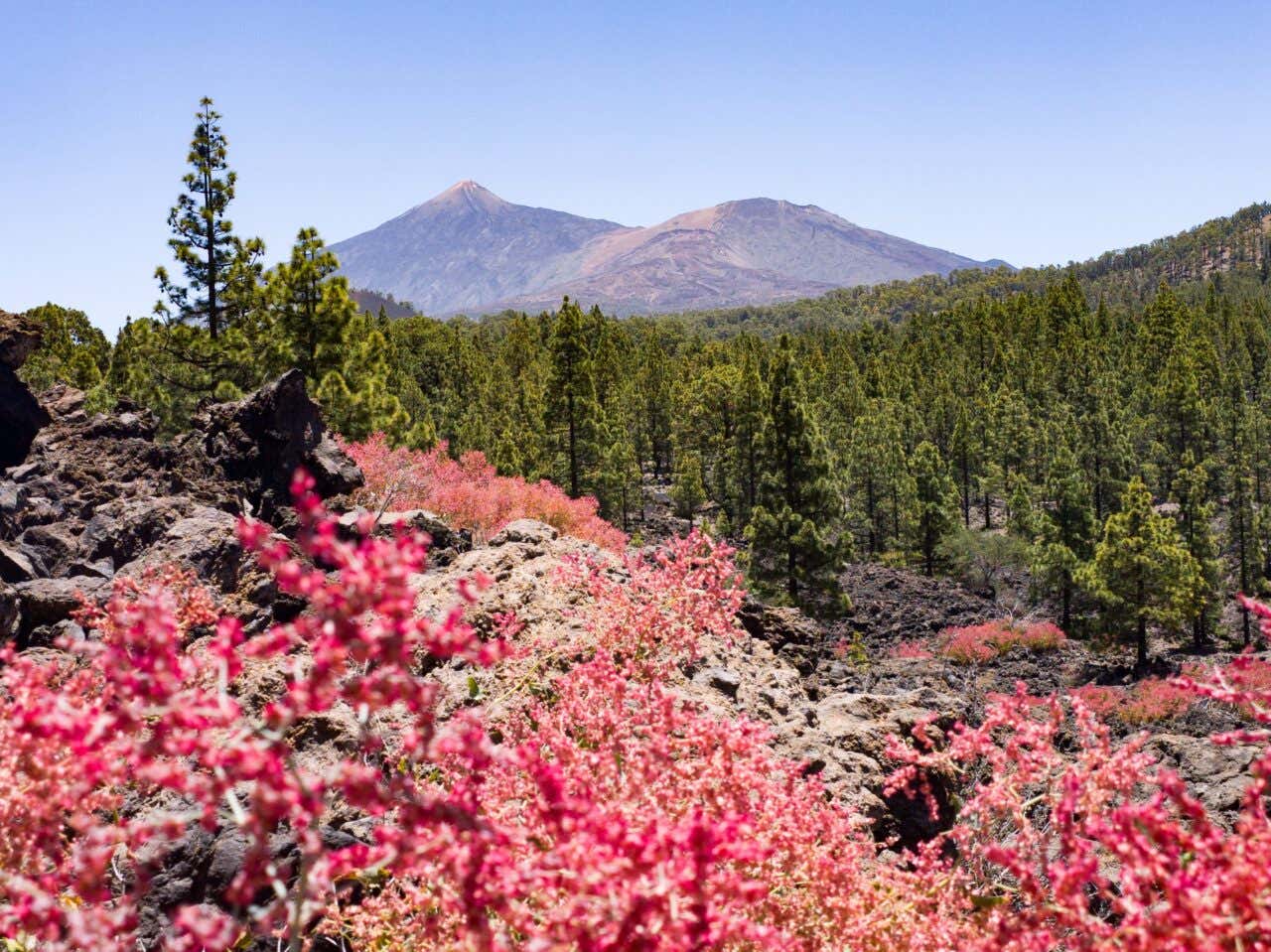
There’s far more here than beach and pool: the volcanic landscape of Teide National Park is spectacular (an excursion from the north or south of the island is easy to arrange), La Laguna’s UNESCO-listed old town gets beautifully atmospheric during Holy Week with its own religious processions, and the wine routes through the north of the island, past vineyards producing some of Spain’s most interesting award-winning wines, are a lovely half-day for anyone who enjoys a scenic drive and a glass.
The Insider Route
The vast majority of tourists base themselves in the south and rarely make it to the Anaga Rural Park in the northeast, an ancient landscape of deep ravines and laurisilva forest (one of the last surviving subtropical laurel forests in the world) that feels like walking through a fairy tale. The hiking trails range from gentle to challenging; the GR 131 stretch through the park is one of the most dramatic walks in all of Spain.
For families, Siam Park Tickets are a must (this water park is regularly rated among Europe’s best). And if you’ve never seen a black sand beach, Playa Jardín near Puerto de la Cruz is a striking one, backed by botanical gardens designed by artist César Manrique.
Near Tenerife
La Palma, a 35-minute flight from Tenerife, is known as “La Isla Bonita”, a dramatically beautiful volcanic island with some of the darkest night skies in Europe (it’s a Starlight Reserve, so don’t miss this La Palma Stargazing Experience), almost no mass tourism, and a slow, genuine island pace.
7. Punta Cana: the One for Switching Off
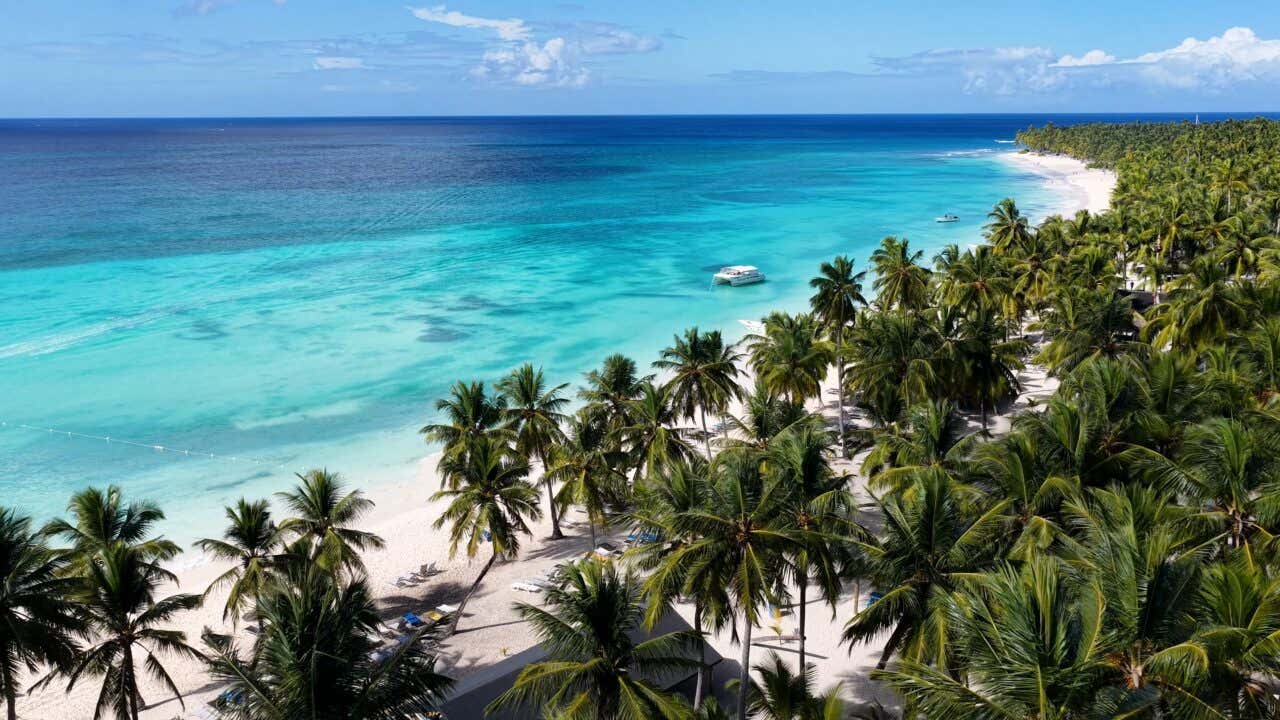
Sometimes Easter just calls for a beach. Punta Cana delivers: white sand, turquoise water, and a pace of life that actively resists rushing. The Dominican Republic is one of the more welcoming Caribbean destinations for first-time visitors, with a solid tourism infrastructure and plenty to do beyond the sun lounger.
The Hidden Gem Most People Don’t Know About
The Samaná Peninsula, a couple of hours north along the coast, is the Dominican Republic that most tourists never see: dramatic waterfalls (El Limón is the most famous), a calmer atmosphere, and some of the best whale watching in the Atlantic (humpback whales breed in Samaná Bay between January and March, so the tail end of the season may still be active at Easter). Book your whale watching boat trip tickets here.
Isla Saona, on the other hand, is a classic for a reason. A day trip to Isla Saona through shallow turquoise water with starfish visible on the seabed are exactly as good as they look in the photos.
Near Punta Cana
Most visitors to Punta Cana never get as far as Altos de Chavón, an extraordinary recreated 16th-century Mediterranean village built by Italian set designer Roberto Copa on a clifftop above the Chavón River. It houses a 5,000-seat Greek amphitheatre, an archaeology museum, and a handful of artist studios. It’s about 90 minutes from Punta Cana and genuinely unlike anything else in the Caribbean.
8. Dublin: Easter With Real Historical Weight
Easter 2026 in Dublin carries particular significance: it marks the 110th anniversary of the Easter Rising, the six-day armed rebellion of April 1916 that set Ireland on the road to independence. Every year, the state holds a solemn ceremony at the GPO on O’Connell Street on Easter Sunday, where the Proclamation of the Irish Republic was first read aloud by Patrick Pearse. The President lays a wreath, the Defence Forces parade, and the national flag flies high. In a landmark year like 2026, the commemorations are expected to be especially resonant.
This gives Easter in Dublin a dimension you simply won’t find anywhere else. The bullet marks are still visible on the GPO’s stone columns. Kilmainham Gaol, where fourteen of the Rising’s leaders were executed, is one of the most powerful historical sites in Europe and deserves more than a rushed visit. To learn more about the April 1916 Rising, grab your tickets to the Dublin GPO Museum.

Beyond the History
Dublin is warm, walkable, and genuinely fun (find out for yourself with a free tour of Dublin!). The Liberties, the old working-class neighbourhood west of Christ Church Cathedral, has quietly become one of the city’s most interesting areas, with craft breweries, independent record shops, and some of the best modern Irish cooking in the city. And for a breath of fresh air, the coastal path from Dún Laoghaire to Dalkey offers stunning views of Dublin Bay, a handful of excellent seaside pubs, and a strong chance of spotting seals.
Near Dublin
The Wicklow Mountains are less than an hour from the city centre and home to Glendalough, a valley with a sixth-century monastic settlement set beside two lakes. It’s one of Ireland’s most beautiful and historically significant sites, and completely free to visit.
9. New York: for When You Want to Go All Out
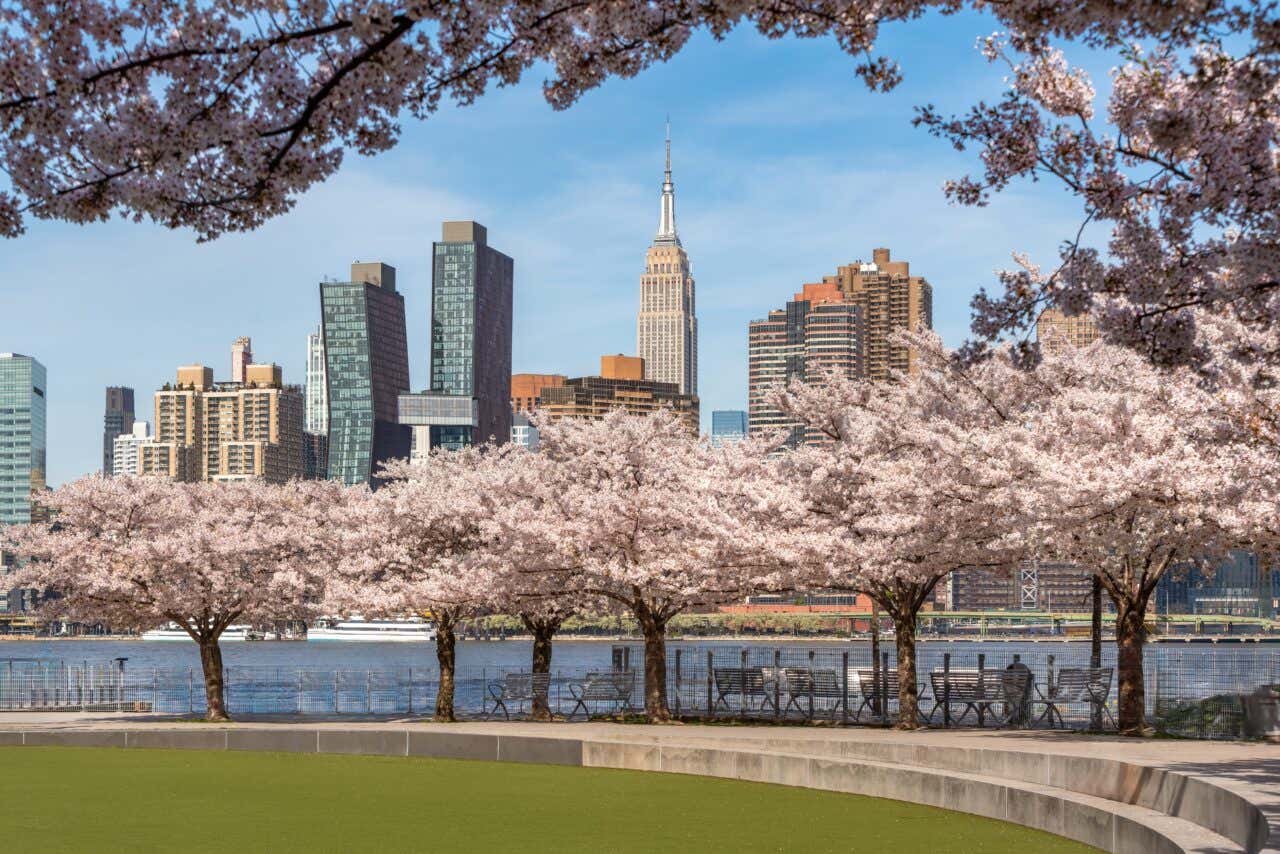
New York doesn’t need a specific season to justify the trip, but Easter weekend gives it a particular spring energy. Temperatures in early April are still crisp (a jacket is non-negotiable), but the city is gorgeous, the parks are waking up, and the cultural calendar is in full swing.
What’s on in April 2026
The New York Botanical Garden’s Orchid Show runs through April 26, transforming the conservatory into a recreation of the city in flowers… subway scenes, stoops, and slice shops, all made from orchids. Macy’s annual Flower Show at Herald Square is themed this year around America’s 250th anniversary. And the Brooklyn Botanic Garden’s Hanami Nights, cherry blossoms lit up after dark, with Japanese garden walks and origami, is one of the most beautiful, quietly romantic things the city does in spring.
The city’s own Easter Parade along Fifth Avenue on Easter Sunday is a long-standing tradition, a less solemn procession, a more elaborate hat competition, and it’s free to watch and wander through. A gospel service in Harlem remains one of those experiences that genuinely stays with you.
The money-saving move most visitors miss
The Staten Island Ferry is free, runs around the clock, and gives you unobstructed views of the Manhattan skyline and the Statue of Liberty. No ticket, no queue, no catch. Tourist passes like the New York CityPASS® or The New York Pass® can stretch your budget significantly if you’re planning several museum visits and attractions.
Near New York
The Hudson Valley in spring is one of the most beautiful parts of the American Northeast. You’ll find rolling hills, historic estates, farm-to-table restaurants, and relatively easy to reach by train from Penn Station. The town of Cold Spring, about 90 minutes out, is a particularly good base.
One More Thing: Skip Disneyland Paris at Easter, but Don’t Skip It Altogether
Disneyland® Paris at Easter is, frankly, a lot. Peak crowds, peak prices, and queues that can test the patience of even the most enthusiastic Disney fan. We’d genuinely steer you away from it over the Easter holiday break, specifically.
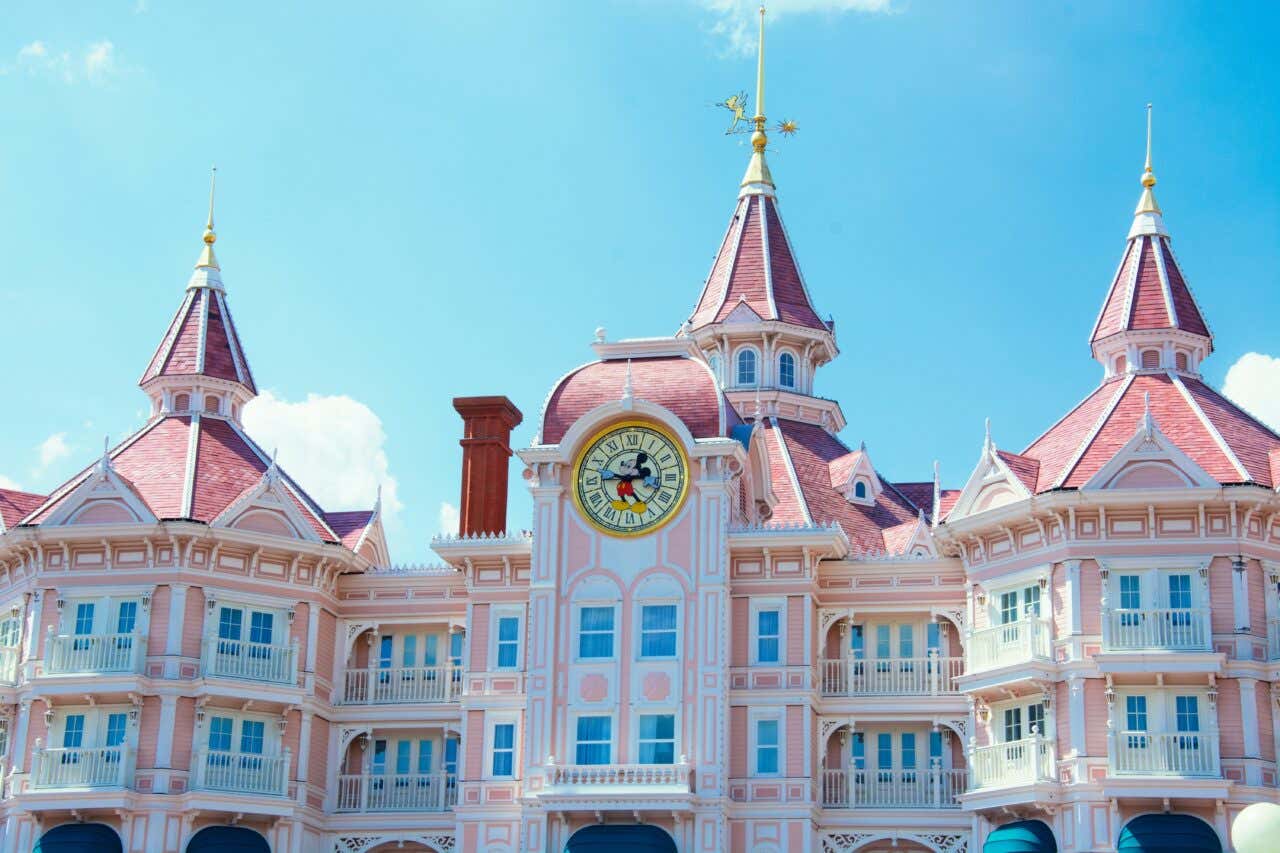
That said, if you’re a Disney family, 2026 is actually a brilliant year to go at a different time. The brand-new World of Frozen has just opened, and the fully revamped Disney Adventure World (the former Walt Disney Studios Park) makes this the most complete and exciting version of Disneyland® Paris in years. Go in late April, early May, or mid-September when the park is quieter, the prices drop, and you can actually enjoy it. It’ll be a completely different experience, and a much better one. Grab your tickets to Disneyland® Paris here.
Have you decided where you’re heading for Easter 2026? The world can feel uncertain right now, but spring is a beautiful time to travel, and there’s no shortage of safe, welcoming places out there just waiting to surprise you. Let us know in the comments which places we missed and where you end up traveling!


Most read of #Travel tips
Easter 2026: 9 Safe Destinations for a Worry-Free Trip
23 March 2026Are Private Tour Guides Worth It? Pros & Cons to Help You Decide
24 February 2026What is a Free Tour & How Much do They Cost?
4 February 2026ETIAS: The New Travel Authorization for Europe
1 December 2023