
What to Do in El Calafate, Argentina: A Complete Guide
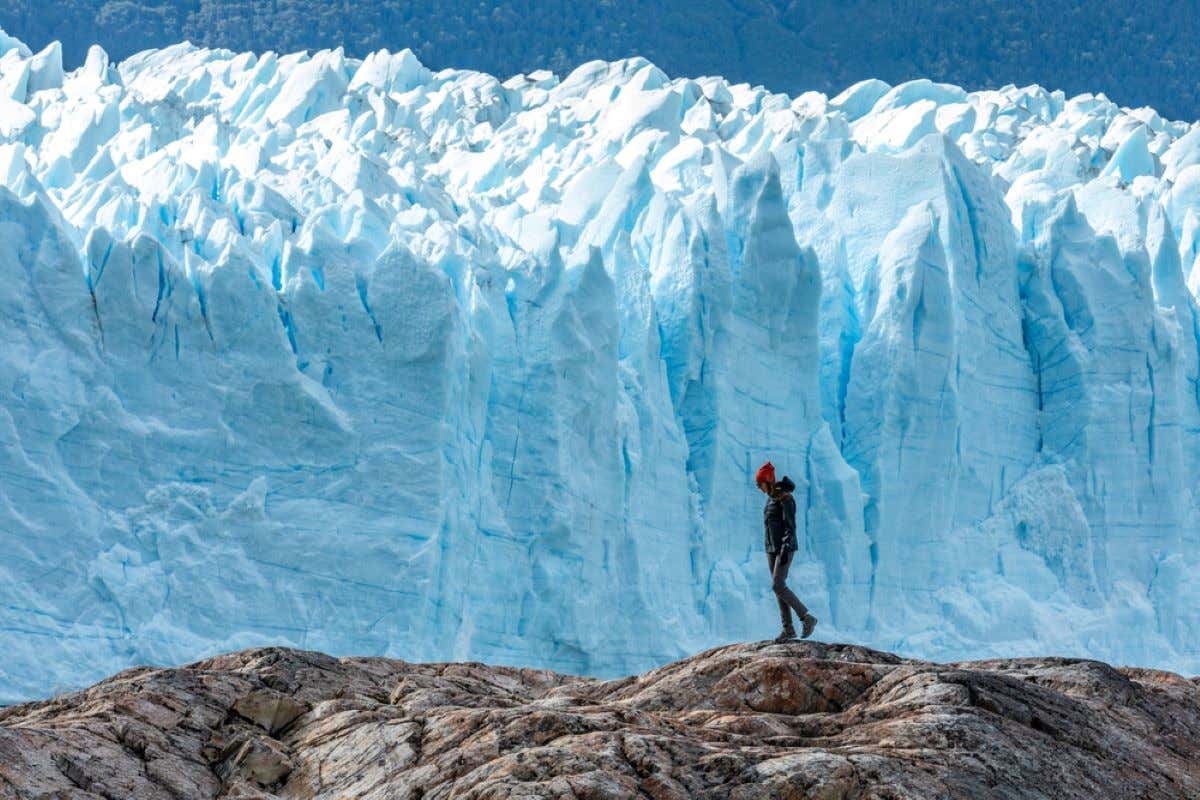

Welcome to the ultimate guide for exploring the heart of Argentine Patagonia! If you’re looking for the most breathtaking landscapes on the planet, you’ve arrived at the right place. In this post, you’ll find a curated list of the best glacier treks, boat navigations, and hidden gems in and around the city. This post is your ultimate roadmap to navigating El Calafate, ensuring you don’t miss a single breathtaking view or epic adventure.
Explore the Argentine Patagonia
1- Perito Moreno Glacier
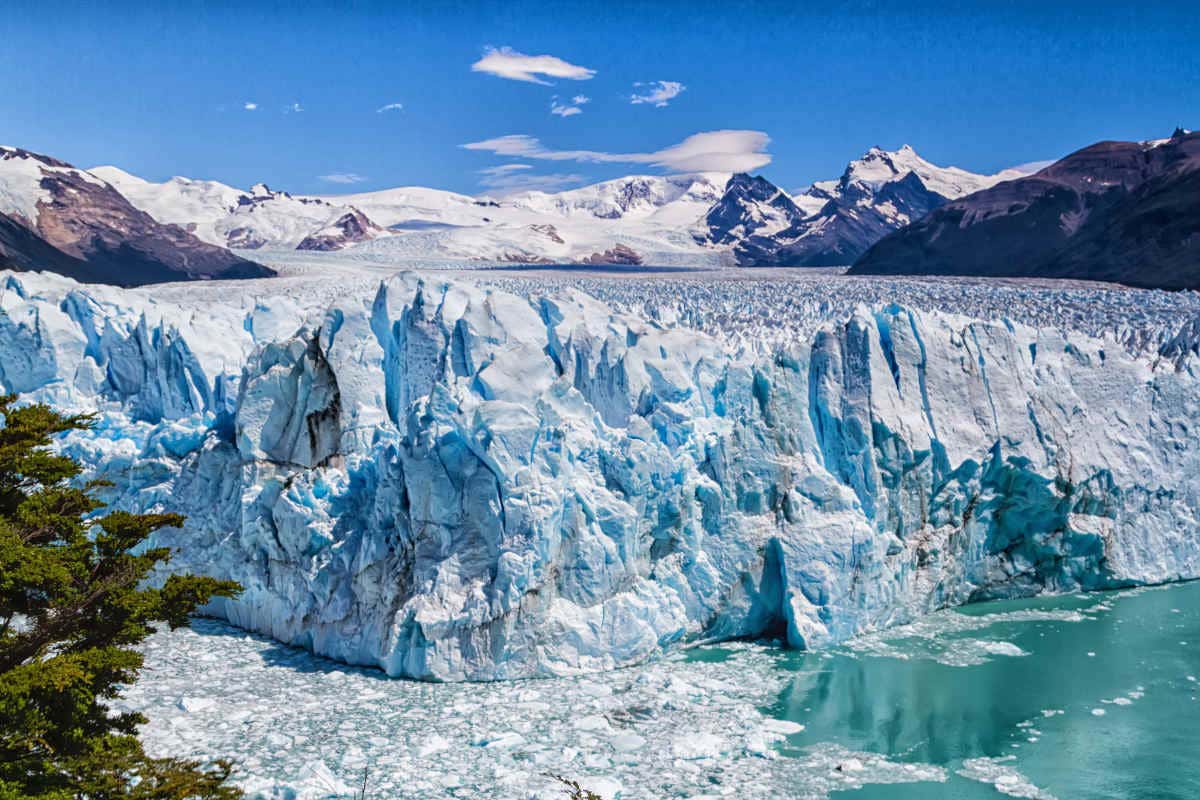
The star of the show is undoubtedly the Perito Moreno Glacier. It’s one of the few glaciers in the world that is still advancing rather than retreating. Spanning 96 square miles (250 square kilometers)—an area larger than the city of Buenos Aires—it reaches heights of up to 229 ft (70 m) above the water level of Lake Argentino. To see it, you can take a tour of the Perito Moreno Glacier or a simple bus trip to walk the extensive boardwalks.
One of its most famous features is the “Rupture,” a dramatic natural event that occurs every few years. As the glacier advances, it eventually hits the Magallanes Peninsula, forming a natural ice dam that separates the Brazo Rico from the rest of the lake. The resulting water pressure carves a tunnel through the ice until the entire arch spectacularly collapses!
If you want to get your heart racing, you should embark on a hike through the Perito Moreno or a hike and boat trip for a multi-sensory experience. With this boat trip to the Perito Moreno from Los Glaciares National Park, you’ll discover one of the world’s most magnificent displays of nature up close. For a truly unique perspective, we recommend this kayak tour, where you’ll sail right near the massive deep-blue ice walls!
2. Lake Argentino
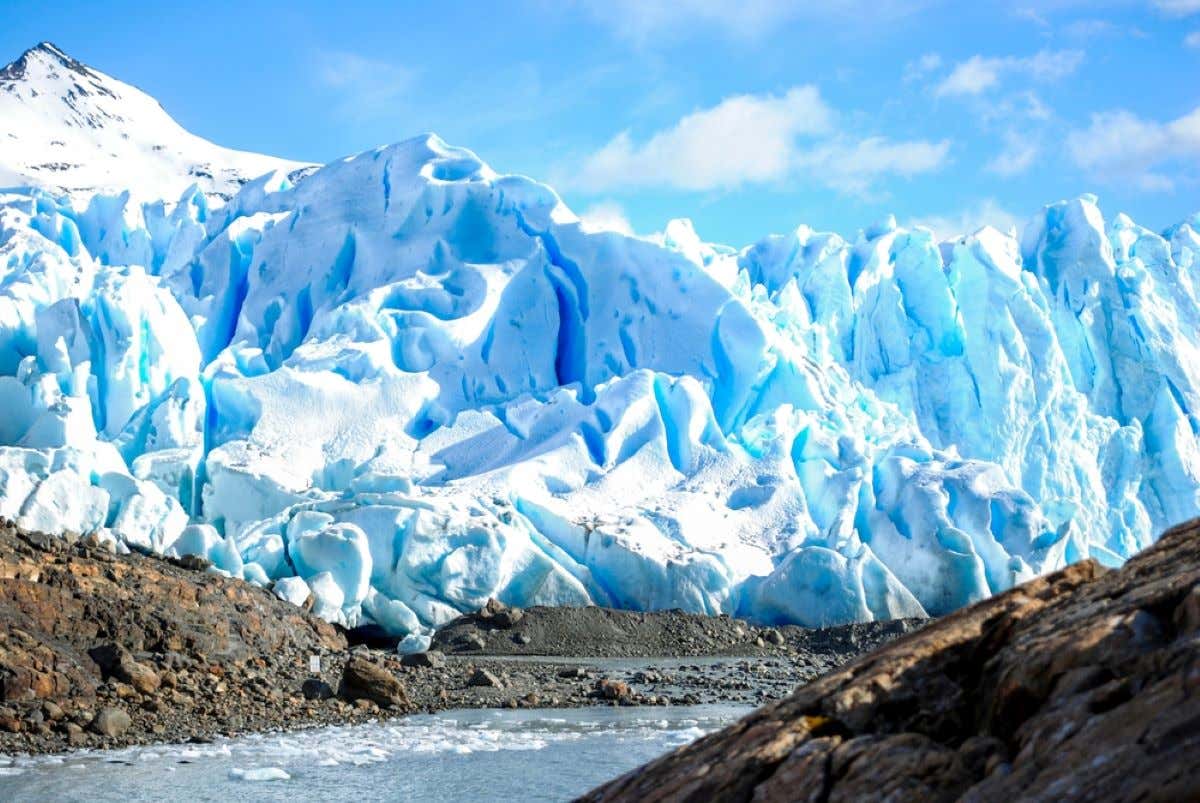
As the largest freshwater lake in Argentina, Lake Argentino is the stage for some of the most dramatic boat tours in the world. Its striking milky-blue color is caused by “glacial flour”—fine sediment suspended in the water from the grinding of glaciers against rock.
For a truly extensive journey across these waters, a full cruise on Lake Argentino will take you toward the colossal Upsala and Spegazzini glaciers, where you’ll navigate through a graveyard of massive floating icebergs. If you’re looking for an all-encompassing experience on the water, a glacier cruise with lunch on board allows you to see the diversity of the ice field from the comfort of a modern vessel.
3. Los Glaciares National Park
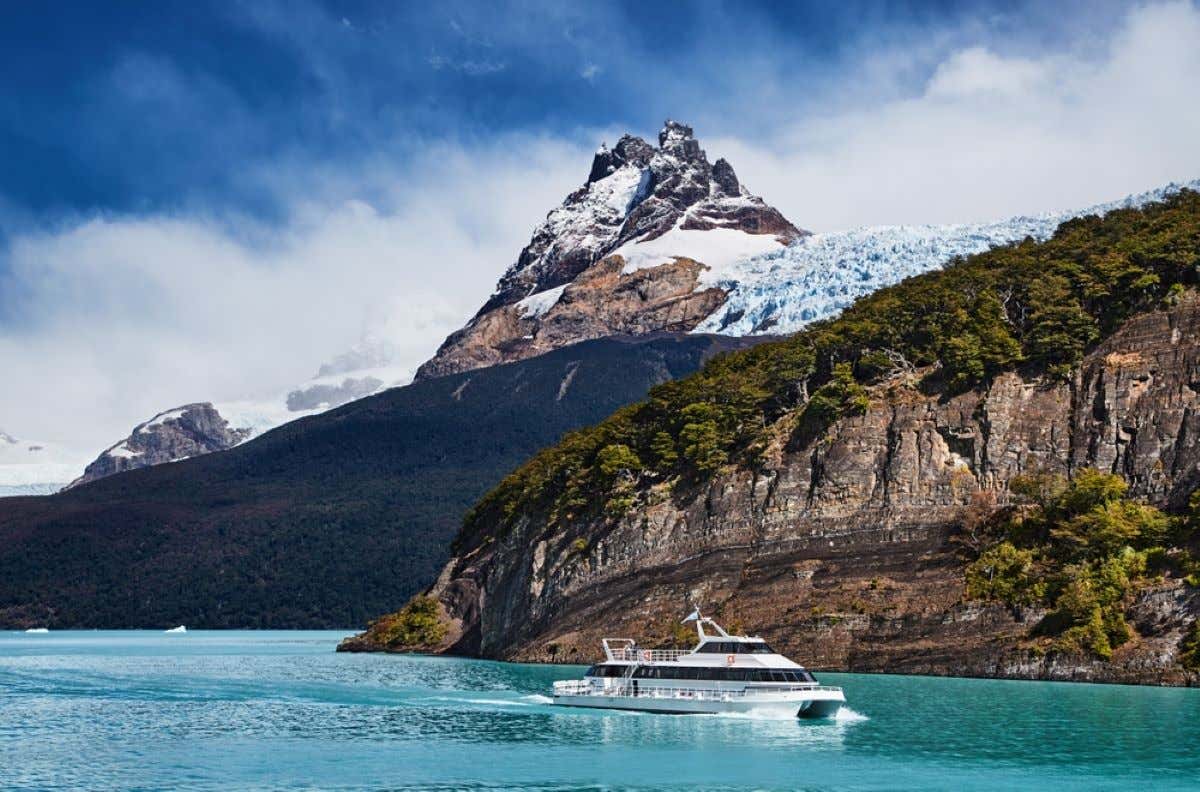
Established in 1937 and declared a UNESCO World Heritage site in 1981, Los Glaciares National Park is a massive protected area spanning over 2,700 square feet (7,000 square kilometers). It houses the Southern Patagonian Ice Field, the largest ice cap outside of Antarctica and Greenland. The park is a sanctuary for unique Andean-Patagonian flora and fauna, including the elusive huemul (south Andean deer) and the majestic Andean condor.
To see the best of the park’s diverse ecosystems, a day trip to Los Glaciares National Park is a fantastic way to start. A simple boat trip to the Perito Moreno provides a scale of the ice you just can’t get from land. If you’re looking for luxury within the park, the GVIP cruise and hiking experience at the Glaciares Park offers premium comfort while you explore the remote corners of this frozen wilderness.
4- La Leona Petrified Forest
For something completely different from the ice, head into the desert to visit the petrified forest of La Leona for a hike. This ancient lunar-like landscape is home to fossilized trees and dinosaur remains that date back millions of years. It’s a fascinating break from the glaciers and offers a deep look into the geological history of the Patagonian Steppe.
5- El Chaltén & Mount Fitz Roy
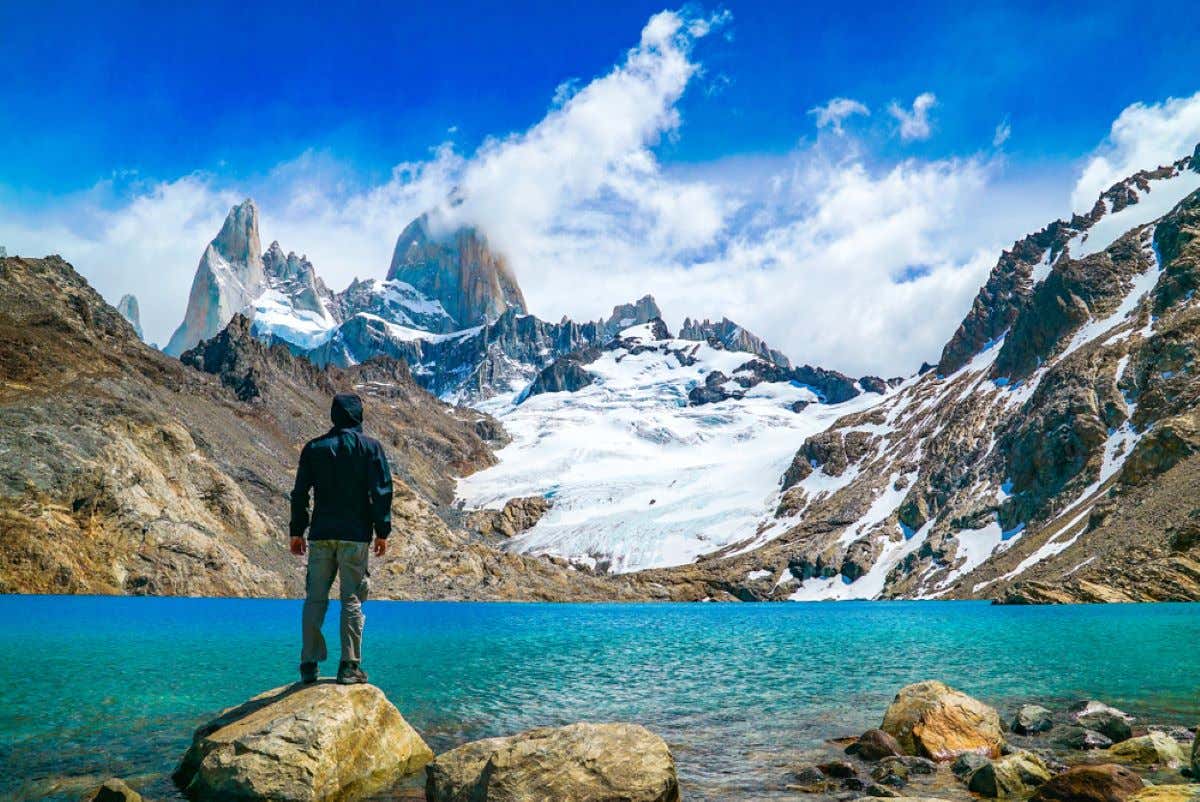
Known as the trekking capital of Argentina, El Chaltén is a must-visit for hikers. Many travelers based in Calafate opt for a day trip to El Chaltén or a dedicated day of trekking in El Chaltén to see the jagged granite peaks of Mount Fitz Roy. If you want the legendary views without the heavy hiking, the day trip to El Chaltén and Mirador de los Cóndores viewpoint offers a perfect balance. You’ll even get to see the beautiful Chorrillo del Salto waterfall!
6- Torres del Paine National Park
It’s even possible to cross the border into Chile for a day! A day trip to Rorres del Paine allows you to witness the world-famous granite towers and turquoise lakes that define the Chilean side of Patagonia. It’s a long journey, but it’s one of the most famous landscapes in South America and well worth the early wake-up call.
Unique Experiences in El Calafate
If you’re looking for activities beyond the standard trails, El Calafate has plenty of surprises. For thrill-seekers, the Balcones de Calafate ziplining and hiking tour provides a bird’s-eye view of the landscape. If you’re a fan of wildlife, a safari in the Estancia 25 Nature Reserve is a must to spot guanacos and eagles. Finally, when the sun goes down, the stargazing experience reveals the magic of the southern night sky in one of the world’s least light-polluted regions.
Planning Your Visit to El Calafate: Practical Info
When is the best time to visit?
The high season runs from October to March (spring and summer), offering long daylight hours and milder temperatures (averaging 59°F/15°C to 64°F/18°C). If you’re looking for fewer crowds and lower prices, the shoulder seasons of April or September are great options, though some trekking paths may be muddier.
Weather
El Calafate is famously windy! Even in the height of summer, you’ll need a high-quality windproof jacket. It’s best to dress in layers (“onion style”) because the weather can shift from bright sun to heavy rain in minutes. Don’t forget sunscreen—the Patagonian sun is surprisingly strong due to the clear atmosphere.
How long should I stay in El Calafate?
Stay at least 3 to 4 days to cover the main glaciers and a day trip to El Chaltén. If you plan on doing the full Big Ice trek or crossing into Chile for Torres del Paine, it’s better to budget 5 to 6 days so you don’t feel rushed by the long travel times.
Currency & costs
While the Argentine Peso is the official currency, many shops and tour operators accept US Dollars or Euros. However, it’s always wise to carry some local cash for smaller cafes or artisan markets. Credit cards are widely accepted in the town center, but it’s smart to notify your bank before you travel.
Transportation
Fly into Comandante Armando Tola International Airport (FTE), located just 20 minutes from the town center. Once you’re in town, most of the main street (Avenida del Libertador) is walkable, but you’ll need to book organized transfers or rent a car to reach the National Park, which is about 49 mi (80 km) away.
There you have it! Now you know what to do in El Calafate. From the thunderous calving of the Perito Moreno Glacier to the starry skies over the Patagonian steppe, El Calafate is truly a bucket-list destination. With so much to see and do, planning ahead is key. We recommend booking your tours through Civitatis early, as the most popular treks and cruises fill up quickly. For even more ideas, check out our full catalog of activities in El Calafate. Get ready for an unforgettable Patagonian adventure!


Most read of #South America
Ultimate Madrid Food Tour Guide: Tapas, Wine, & Markets
26 March 2026Is the Gaslamp Quarter Worth Visiting? A Complete Guide
26 March 2026Agafay Desert: The Ultimate Day Trip in Morocco
26 March 2026What to Do in El Calafate, Argentina: A Complete Guide
25 March 2026Comuna 13 Medellín Guide: Street Art, History, & Tours
25 March 2026Gondola Rides in Venice: Prices, Routes, & Best Tours
25 March 2026Most read #Italy
The Best 9-Day Southern Italy Itinerary
23 January 2026What to Do in Milan: 12 Must-See Sites
17 January 202611 Unmissable Day Trips from Rome (& How to Get There)
25 December 2025