Top 14 Places to Visit in Italy in 2026

From the legendary city of Rome, the heart of the Ancient Roman Empire, to the serene rolling hills of Tuscany and the towering Dolomites, Italy is a country of contrasts. Encompassing a multitude of cultures, Italy hides secrets just waiting to be discovered on every street corner, from the ruins of a centuries-old chapel to the best meal of your life, hidden in a quaint mom-and-pop shop you stumble into after a day of exploring.
Where Should You Visit in Italy?
A question that probably comes to mind is how many days do you need to visit Tuscany? We recommend spending at least 5 days exploring this region. That way, you’ll have time to discover at least one of its main cities while also visiting several charming villages scattered across the countryside. Some travelers choose to dedicate a full 7 days or even longer to Tuscany, allowing for greater flexibility and the chance to explore at a slower pace. One thing is certain: Tuscany’s enchanting towns could easily fill a week… and much more.
There are so many places in Italy that are worth checking out, but for most of us, time is the enemy, so we need to plan accordingly to make sure we don’t miss out on the best spots when we travel. As such, today at Civitatis, we’re going on a journey through this beautiful country, looking at the old favorites and the hidden gems. Read on to find out the best places to visit in Italy!
Italy at a Glance
| Destination | Region | Best For |
|---|---|---|
| Rome | Lazio | Ancient history, the Colosseum, and the Vatican |
| Florence | Tuscany | Renaissance art and architecture |
| Venice | Veneto | Canals, gondolas, and Venetian Gothic palaces |
| Milan | Lombardy | Fashion, design, and the Duomo rooftop |
| Naples | Campania | Pizza and day trips to Pompeii |
| Cinque Terre | Liguria | Coastal hikes and colorful villages |
| Amalfi Coast | Campania | Clifftop towns and scenic drives |
| Tuscany | Tuscany | Hill towns and Chianti wine |
| Lake Como | Lombardy | Lakeside villas and boat trips |
| Verona | Veneto | Romeo and Juliet and the Roman Arena |
| Bologna | Emilia-Romagna | Food tours and university history |
| Pisa | Tuscany | The Leaning Tower and Piazza dei Miracoli |
| The Dolomites | Veneto and Trentino-Alto Adige | Hiking, skiing, and alpine scenery |
| Sicily | Sicily | Greek temples, Mount Etna, and street food |
1. Rome
There’s no better place to kick off our list than Rome, the Eternal City. One of the oldest cities in the world, Italy’s capital has seen it all. Just imagine the epic, bloody gladiator fights in the Colosseum, rousing speeches made by politicians in the Forum, and Michelangelo painting the ceiling of the Sistine Chapel… you can truly feel Rome’s history at every corner.
To discover this deep history for yourself, this Colosseum, Roman Forum & Palatine Hill tour is a must. Take a journey through 2,000 years of history at 3 of Rome’s most important sites. Then, make your way to the Vatican City for this Vatican Museums & Sistine Chapel guided tour. Accompanied by an expert guide, you’ll explore one of the world’s largest and most important art collections, with countless Renaissance masterpieces and classical sculptures, as well as Michelangelo’s iconic ceiling fresco.

You can also grab a ticket to the Pantheon, a 2nd-century Roman temple that was converted into a Catholic church in the 7th century. Its dome is still the largest unreinforced concrete dome in the world. Other musts include the famous Trevi Fountain and the Spanish Steps, both of which you can see on the Big Bus: Rome Sightseeing Bus.
Good to know: since February 2026, getting right down to the Trevi Fountain’s basin (the classic coin-toss spot) costs €2 for non-residents, while the view from the piazza is still free. Hours and rules may change, so it’s worth checking the official site before you go.
There’s so much to do in Rome, we can’t include it all on this list. So, if you’re looking for more things to do in the city, check out our comprehensive selection of the top things to do in Rome.
2. Florence
Next up on our list is another fascinating historical city, which, despite its fame, has maintained an undeniably authentic spirit that makes it an absolute joy to visit. Florence is best explored on foot, its cobblestone streets leading you through its most beautiful architecture and iconic landmarks, including the Medici Chapels, San Lorenzo Market, Florence Cathedral (Il Duomo, or Santa Maria del Fiore), and more. Learn more about the city along the way on this free walking tour of Florence.
Florence is known as the world’s art capital. Enjoy a tour of the Uffizi Gallery, the city’s most important museum, home to works by Cimabue, Leonardo da Vinci, Michelangelo, and Botticelli, whose celebrated The Birth of Venus is one of the most famous paintings in the museum. Also, check out this tour of the Accademia Gallery, a fantastic collection of Renaissance masterpieces with Michelangelo’s David as its crowning jewel.
Again, there’s just so much to talk about in this city, so if you’re looking for more, check out our list of the best things to do in Florence!

3. Venice
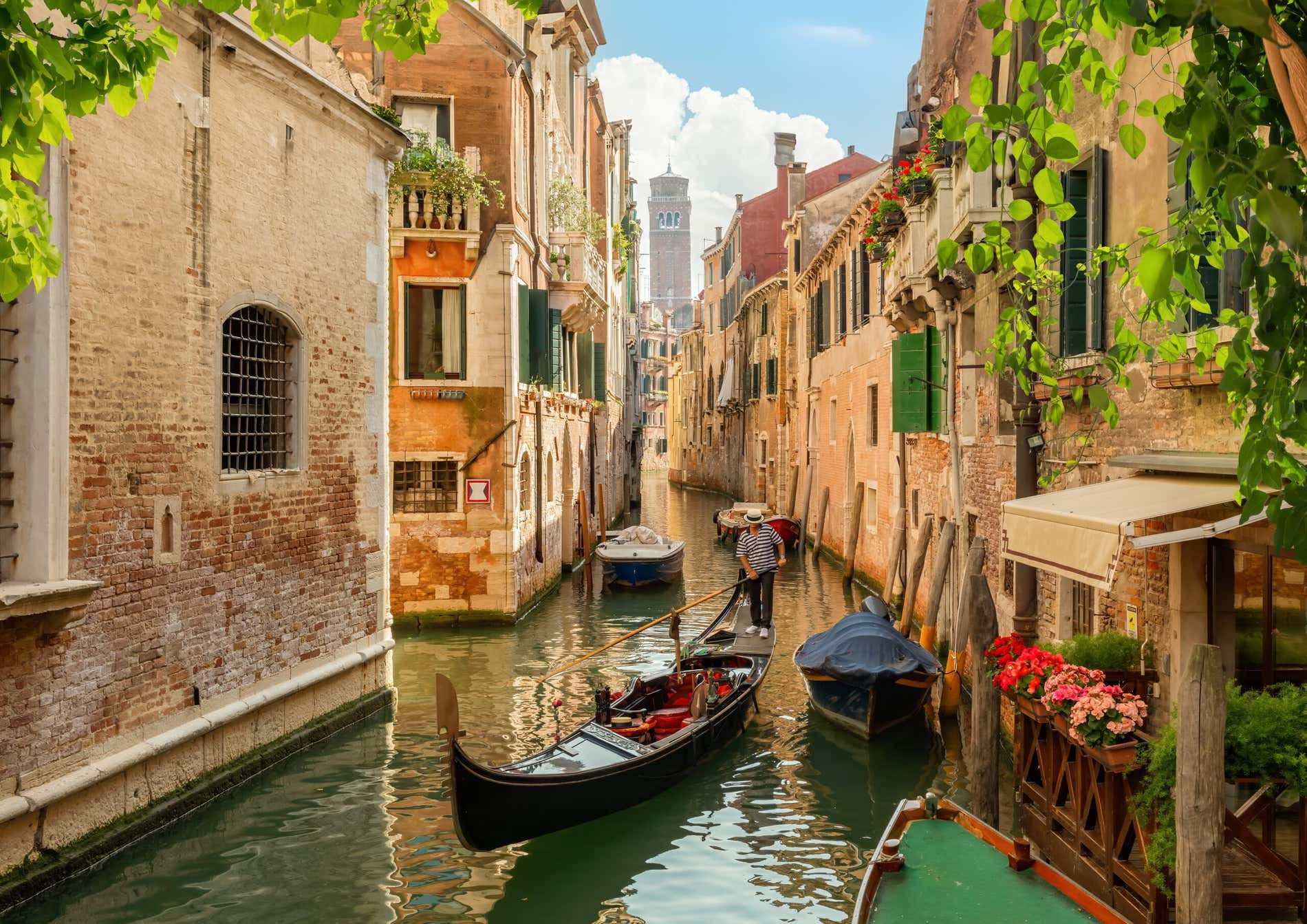
The floating city of Venice is built on over 100 small islands, separated by its iconic canals. Venice is also known for its vibrant Carnival celebration and rich history, having been a vital maritime power and trade center during the Middle Ages.
The best way to discover Venice’s history is on a gondola tour through Venice’s canals, which includes an audio guide! Make your way past the city’s most iconic sights, from Mozart’s House to the La Salute basilica and the Doge’s Palace. We’d also recommend grabbing this skip-the-line ticket to the Doge’s Palace. This beautiful Venetian Gothic palace, which also once served as a prison, is home to wonderful paintings by Tintoretto, Titian, and Veronese.
Other must-visit places in Venice include the Rialto Bridge (come here at sunset for great photos) and the Bridge of Sighs. According to legend, it was here that convicted Venetian prisoners would look out onto the city for the final time before being locked up, letting out a final sigh as they crossed. Get the best photos on this gondola ride under the Bridge of Sighs!
Planning a day trip? Venice charges day-trippers an access fee on peak days. In 2026, it applied on 60 dates between April 3 and July 26, from 8:30 AM to 4 PM, at €5 if booked at least four days ahead or €10 closer to the date. Overnight guests are exempt. Expect a similar calendar in future seasons, and check the official access fee portal before you travel.

4. Milan
Italy’s fashion and design capital, Milan, is a bustling metropolis that blends modern innovation with timeless elegance. The city is known for its fantastic shopping, with a multitude of luxurious designer boutiques and high-end department stores along Via Montenapoleone and in the Galleria Vittorio Emanuele II. In February 2026, Milan also co-hosted the Winter Olympics with Cortina d’Ampezzo.
There’s a lot more to Milan than shopping, though. The city’s architecture is truly stunning, most notably the Duomo, Milan Cathedral. Right in the heart of the city, construction of this cathedral began in 1386 and continued for nearly 600 years. Admire its incredibly ornate exterior, then head inside and up to the rooftop on this Milan Duomo rooftop & cathedral tour! Other architectural highlights include the Royal Palace of Milan and the Sforza Castle, a stunning medieval fortification now home to a number of museums and galleries. Check it out on this Sforza Castle guided tour!
If you’re looking for more things to do in Milan, check out our blog on the must-see sites in Milan, which also includes some great information on what to eat, as well as day trips from the city!

5. Naples
One of the oldest cities in Italy, Naples was founded by the Greeks around 470 BC. Edgier and grittier than the cities we’ve already mentioned, Naples is also one of the country’s most culturally vibrant and authentic places, and the ones who fall for it tend to fall hard.
The best way to explore the city is on this free walking tour of Naples. You’ll see the city’s main highlights, including the Royal Palace of Naples, the Basilica of San Francesco di Paola, the medieval Castel Nuovo, the Port of Naples, and much more.

Did you know that Naples is the birthplace of modern pizza? Across the city, you’ll find unbelievably good pizza in both local mom-and-pop shops and high-end restaurants. We highly recommend this Naples pizza-making class, where you’ll learn how a true, authentic pizza is made!
What’s more, you can easily enjoy a day trip to Pompeii and Herculaneum from Naples. These ancient cities were buried by the catastrophic eruption of Mount Vesuvius in 79 AD. While devastating, the eruption remarkably preserved their buildings, artifacts, and even everyday moments in time. You can also visit Mount Vesuvius and Pompeii from Naples and look down into the crater itself.
6. Cinque Terre
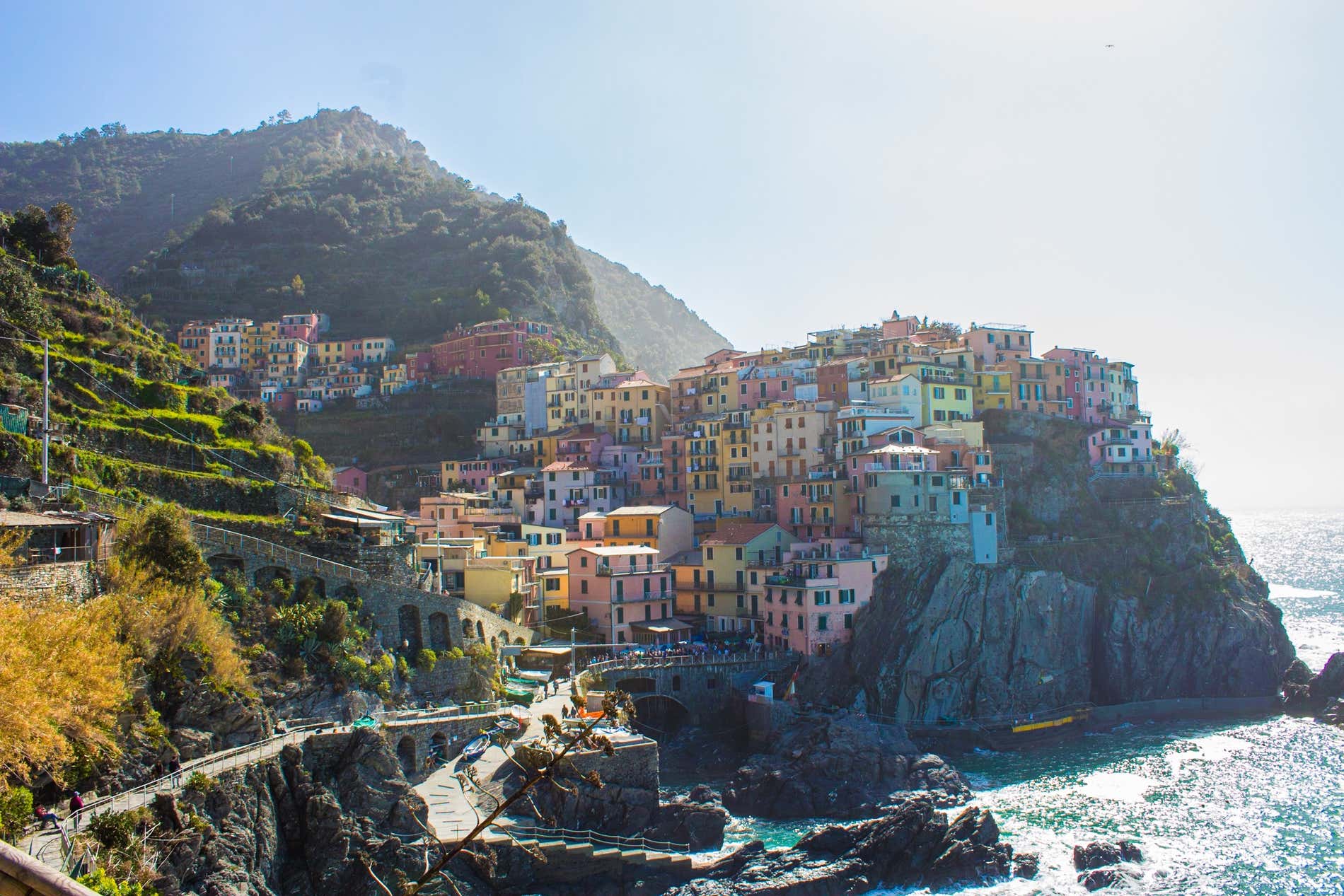
Cinque Terre is made up of five colorful fishing villages perched on cliffs above the Ligurian Sea. It offers some of Italy’s most breathtaking coastal views, which you can enjoy on its hiking trails or by sailing along the coast. Hike between the towns on the Sentiero Azzurro trail, take a kayak tour along the coast, go for a swim at the beach, or simply relax with fresh seafood and local wine. Cinque Terre is a beautiful and truly unique Italian escape.
Keep in mind that Cinque Terre gets quite busy in high and shoulder season, so an early start is your best friend if you want to beat the crowds. The paid sections of the Sentiero Azzurro also require a Cinque Terre Card, and some stretches close for maintenance, so it’s worth checking which are open before you set off.

7. Amalfi Coast
The Amalfi Coast is where dramatic cliffs meet crystal-clear waters. Making your way along the romantic winding roads of this coastline south of Naples, you’ll come across charming town after charming town: Positano, Amalfi, and Ravello, to name a few. To get a taste of what the Amalfi Coast has to offer in style, check out this Amalfi Coast Fiat 500 tour, and take in views of the Tyrrhenian Sea in a classic car!
While it’s wonderful to relax and enjoy the great food, wine, and views along the Amalfi Coast, thrill-seekers will be happy to know there’s no shortage of excitement here either. For a bit of an adrenaline rush, one of our favorite activities is this Amalfi Coast zipline. Check it out!

8. Tuscany
Tuscany is a region defined by its rolling hills, scenic vineyards, and timeless medieval towns. While Florence rightfully holds the spotlight as its crown jewel, the true essence of Tuscan life is often found in its smaller, more serene towns.
One of our favorite towns to explore is Volterra. Perched on a hilltop, it was first settled by the Etruscans as far back as the 8th century BC and is thought to have been continuously inhabited ever since. Etruscan landmarks can be seen throughout the town, most notably the Porta all’Arco. Volterra later became a Roman town, and you can still see its well-preserved Roman theater. Check out the town for yourself on this Volterra private tour!
If you’re a wine lover, another must is Chianti. This area is home to some of the most beautiful rolling hills in the Tuscan countryside, as well as some of the region’s most wonderful vineyards. If you’d like to enjoy a wine tasting in the region, check out this Chianti wine tour from Florence, which includes a tasting and a visit to a winery!

9. Lake Como
Nestled at the foot of the Alps, Lake Como is one of the most elegant destinations in the country, known for its luxurious villas, charming lakeside villages, and stunning mountain scenery, which you can enjoy over your morning coffee or on a sunrise hike. For a truly memorable experience, though, we recommend taking in the views on this Lake Como boat tour.

10. Verona
“In fair Verona, where we lay our scene…” This city is perhaps best known as the setting of Shakespeare’s Romeo and Juliet, but Verona is also a romantic city with a rich Roman past. You can uncover both on this guided tour of Verona, which takes you to the city’s most iconic landmarks, including the balcony said to have inspired one of Shakespeare’s most famous scenes.
The city’s Roman history really comes alive at the Arena di Verona, a 2,000-year-old amphitheater that once hosted gladiator fights and today hosts a world-famous summer opera festival. It even staged the closing ceremony of the 2026 Winter Olympics. You can see it for yourself on this tour of the Arena di Verona!

11. Bologna
Home to the world’s oldest university in continuous operation (dating all the way back to 1088) and some of Italy’s best food, Bologna is a feast for the mind and the stomach. Discover the city’s history on this Bologna free walking tour, making your way through the magnificent Piazza Maggiore, one of the finest squares in the country. You’ll also see the Basilica of San Petronio and the Archiginnasio, which became home to the university in the 16th century. You can also visit the Archiginnasio for yourself with Civitatis.
While in Bologna, you might be tempted to order a plate of spaghetti Bolognese. However, the famous dish isn’t a local tradition, and you won’t find it on many menus here. For something truly Bolognese, try tortellini in brodo, small ring-shaped pasta filled with meat and served in a flavorful broth, or tagliatelle al ragù. For a deeper look at the city’s cuisine, check out this Bologna food tour!

12. Pisa
While it’s best known for the Leaning Tower, Pisa has plenty more to offer. Of course, visiting the tower is a must. This ornate bell tower started tilting during its construction in the 12th century because of the soft ground beneath it. The best way to see it is on this Pisa Cathedral, Baptistery + Leaning Tower of Pisa tour, which covers the main monuments of the Piazza dei Miracoli.
Pisa is also a fantastic place for good Tuscan food. Look out for gnocchi with seafood sauce or, if you’re feeling adventurous, Tuscan-style tripe. For a hands-on food experience, try this mozzarella workshop with Civitatis. You’ll dive into Italy’s cheese-making tradition and learn to mold your own mozzarella, a key ingredient in a traditional Italian pizza.

13. The Dolomites
A UNESCO World Heritage site, the Dolomites are a dream for nature lovers and adventure seekers. With jagged peaks, alpine meadows, and charming mountain villages, it’s a haven for hiking, skiing, and photography. The region was in the global spotlight in February 2026, when Cortina d’Ampezzo co-hosted the Milan Cortina Winter Olympics.
With Civitatis, you can enjoy the Dolomites from Garda on this Dolomites day trip. On this wonderful adventure, you’ll explore the stunning scenery of Cortina d’Ampezzo, Lake Misurina, and the Tre Cime di Lavaredo.

14. Sicily
Sicily is an island of striking contrasts, from ancient Greek ruins and grand Baroque cities to active volcanoes and sun-drenched beaches.
Visit the stunning Valley of the Temples in Agrigento, hike the fiery slopes of Mount Etna, and get lost in the vibrant markets of Palermo, where the island’s rich culinary heritage comes alive. Taste iconic dishes like arancini and cannoli, and soak in the layered history you’ll see in its cathedrals, street life, and coastal towns.
For a taste of Sicily’s wild side, this Mount Etna sunset jeep tour takes you through lava caves and forest trails, with a tasting of local wine and honey along the way, before ending with golden-hour views high on the volcano.

Where Should I Go in Italy for the First Time?
Rome is the classic starting point for first-time visitors. As the Eternal City, Rome has seen it all, and you can truly feel its history at every corner, from the Colosseum to the Vatican. After Rome, Florence and Venice are natural next stops, and fast trains link all three in a few hours.
What Is the Safest City in Italy?
Italy is generally a very safe country for tourists. Smaller cities like Bologna and Verona tend to feel especially relaxed, while in busier places like Rome, Florence, and Naples the main thing to watch for is pickpockets in crowded tourist areas and on public transport. Keeping your valuables zipped away is usually all it takes.
What Is the Nicest Month to Visit Italy?
May and June are generally considered the best months to visit, with warm weather, blooming landscapes, and fewer crowds than in July and August. September and early October are another lovely window, with warm seas and the grape harvest in full swing. If you’re heading somewhere popular like Cinque Terre or Venice, an early start helps you enjoy it at its calmest.
There you have it: our list of the best places to visit in Italy in 2026. Wherever you go, you’re sure to have a fantastic time and enjoy some great food. If you’re looking for more ideas for your trip, browse Civitatis’s full catalog of tours and experiences!


Most read of #Italy
Top 14 Places to Visit in Italy in 2026
7 October 2026Best Beaches in Sicily: 10 Spots for Your Next Trip
2 October 2026The Best 9-Day Southern Italy Itinerary
8 June 2026Gondola Rides in Venice: Prices, Routes, & Best Tours
25 March 2026Most read #Italy
Best Beaches in Sicily: 10 Spots for Your Next Trip
2 October 2026The Best 9-Day Southern Italy Itinerary
8 June 2026