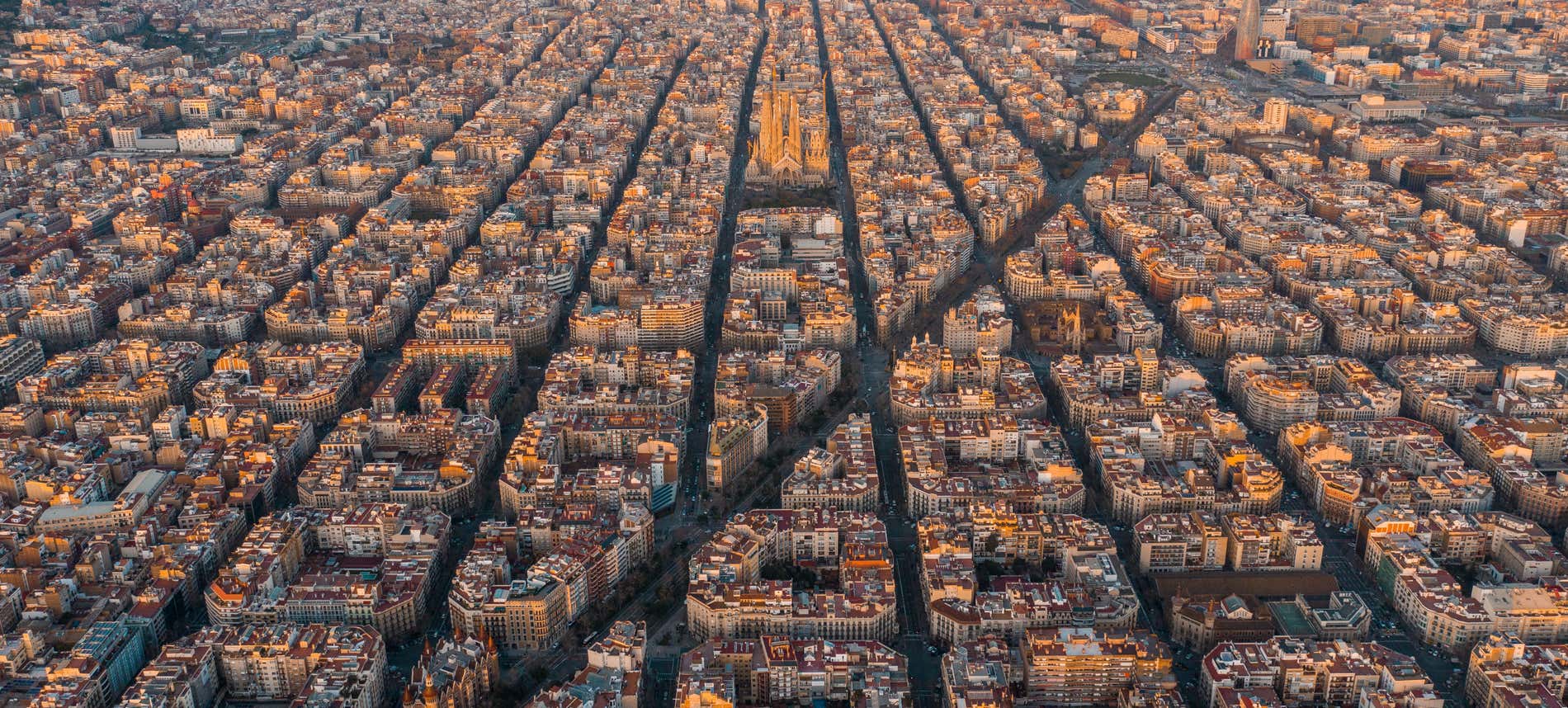
12 Best Places to Visit in Spain (2026)

Spain packs more variety into a short drive than almost anywhere in Europe. In a few hours you can go from a city with 2,000 years of history to a golden beach, a mountain range, or a medieval village that time forgot to update.
So what are the best places to visit in Spain? Granada and the Alhambra, Barcelona with the Sagrada Familia, and Seville with its cathedral are the three that appear on every list. The country runs much deeper than that, from the Canary Islands to the sea cliffs of Galicia, the white villages of Andalusia and the Camino de Santiago.
Here are twelve that earn the trip, with what to see in each and the tickets worth locking in before you fly.
Where to Visit in Spain
1. Granada
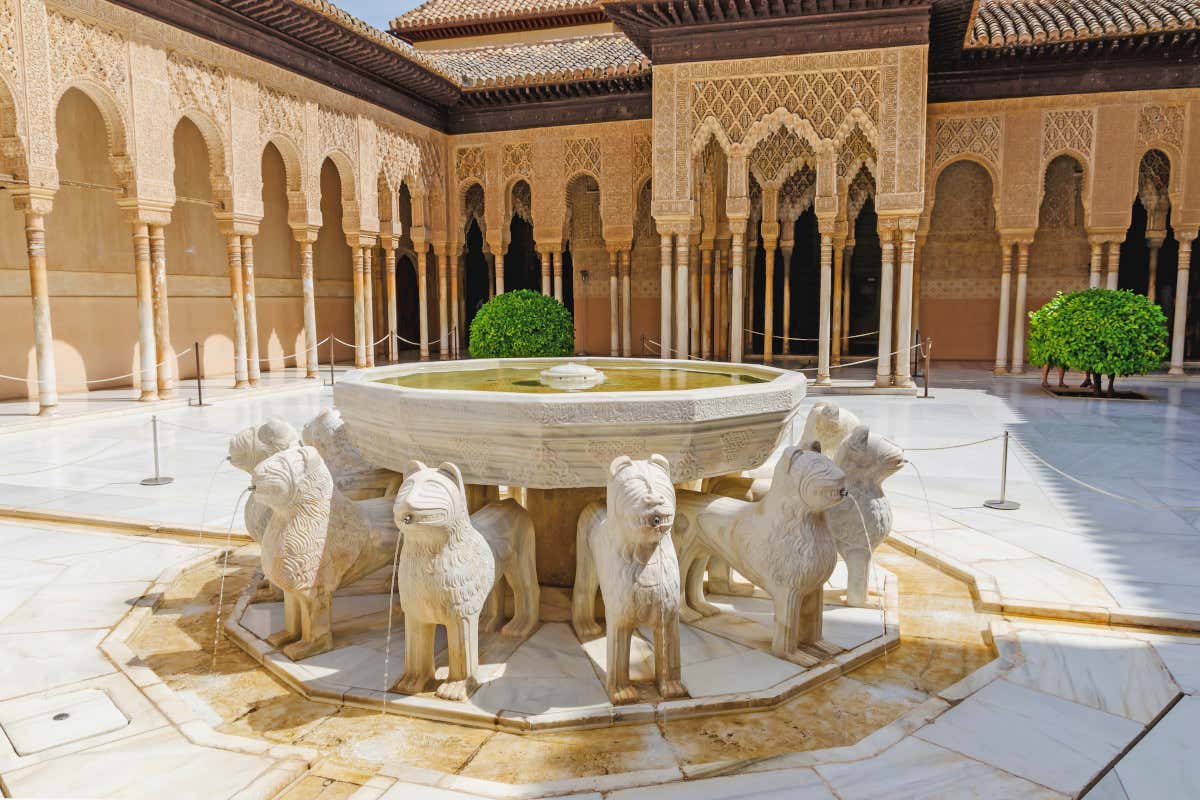
The Alhambra is the most visited monument in Spain, and the reason goes beyond its fame. The Nasrid complex, built across the 13th and 14th centuries, concentrates a level of ornamental detail with no equal in western Europe. Its courtyards, fountains and honeycomb vaulting are the product of centuries of Islamic craft refined on the peninsula.
Daily capacity is capped and slots sell out weeks ahead in high season, so book early. The Alhambra and Nasrid Palaces guided tour includes admission, which takes the timed entry problem off your hands.
Beyond the palace, Granada has the Albaicín, a World Heritage neighborhood of white houses and narrow lanes, and the Sacromonte, where flamenco is still performed in caves dug into the hillside. The Albaicín and Sacromonte guided tour covers both, and a flamenco show at the Cueva de la Rocío is how to end the night.
2. Barcelona
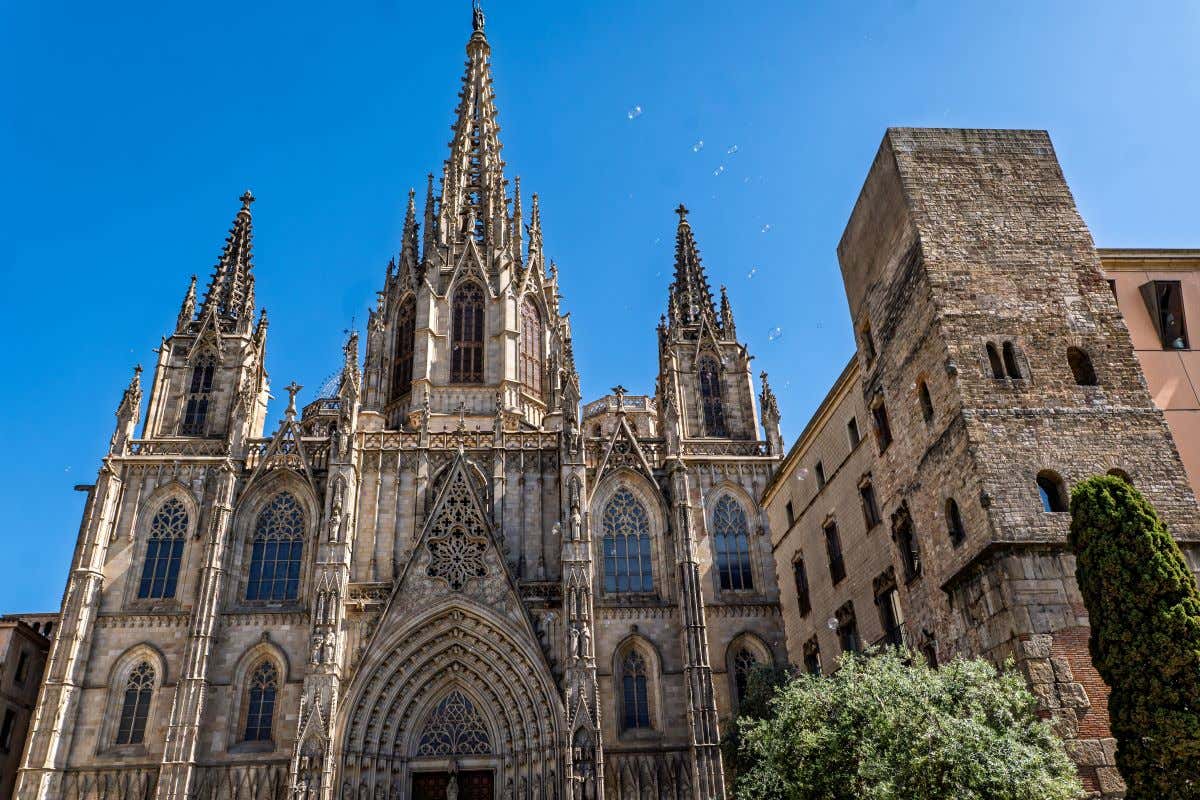
Barcelona holds the highest concentration of modernist architecture anywhere, and Antoni Gaudí signed much of it. The Sagrada Familia has been under construction since 1882 and is still going, which makes it the largest architectural project currently in progress in Europe. Standing inside it, in the colored light from the stained glass, is the part nobody prepares you for.
Book the Sagrada Familia tour and tickets, with options depending on whether you want to go alone, with a guide, or up the towers. Past Gaudí, the Gothic Quarter, Passeig de Gràcia and the Boqueria market give you architecture, design and food within the same few blocks. The activities in Barcelona section covers the rest.
3. Seville
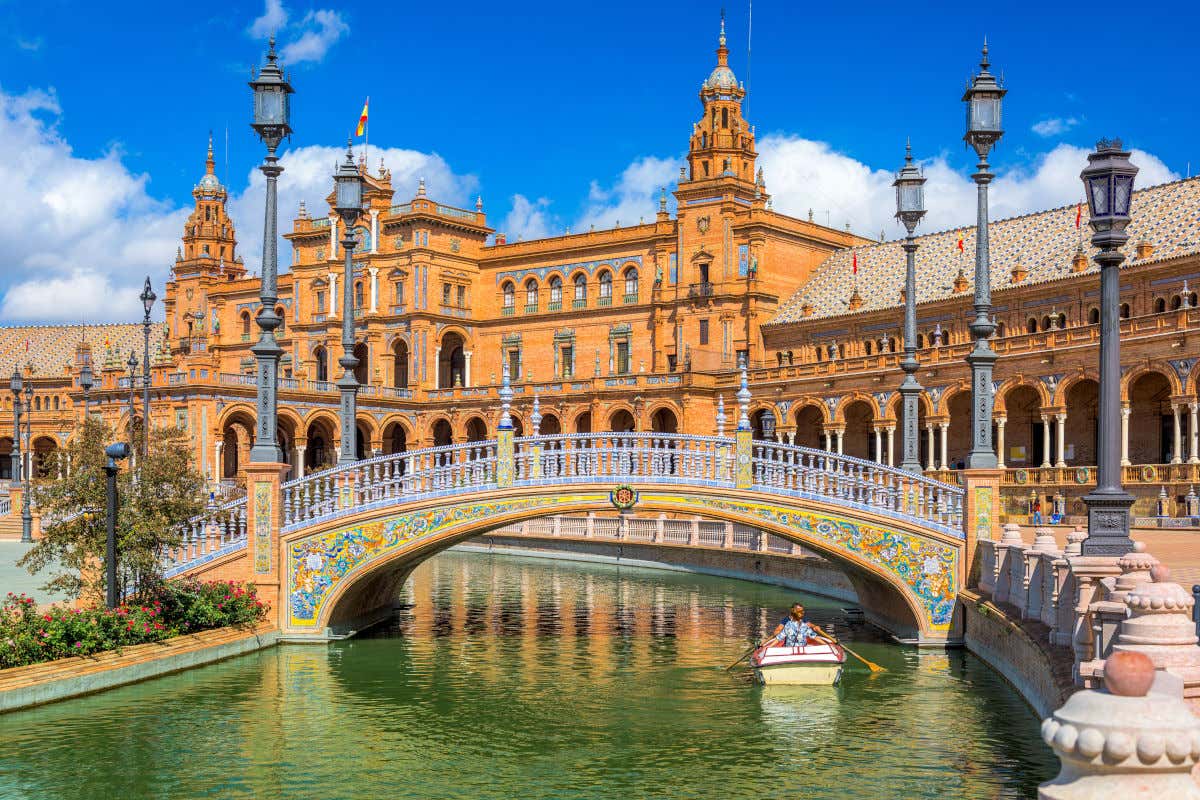
Seville has three World Heritage monuments on the same block: the cathedral, the Giralda and the Royal Alcázar. The cathedral, raised on the site of an Almohad mosque, is the largest Gothic church in the world, and the Giralda beside it was the mosque’s minaret before it became a bell tower.
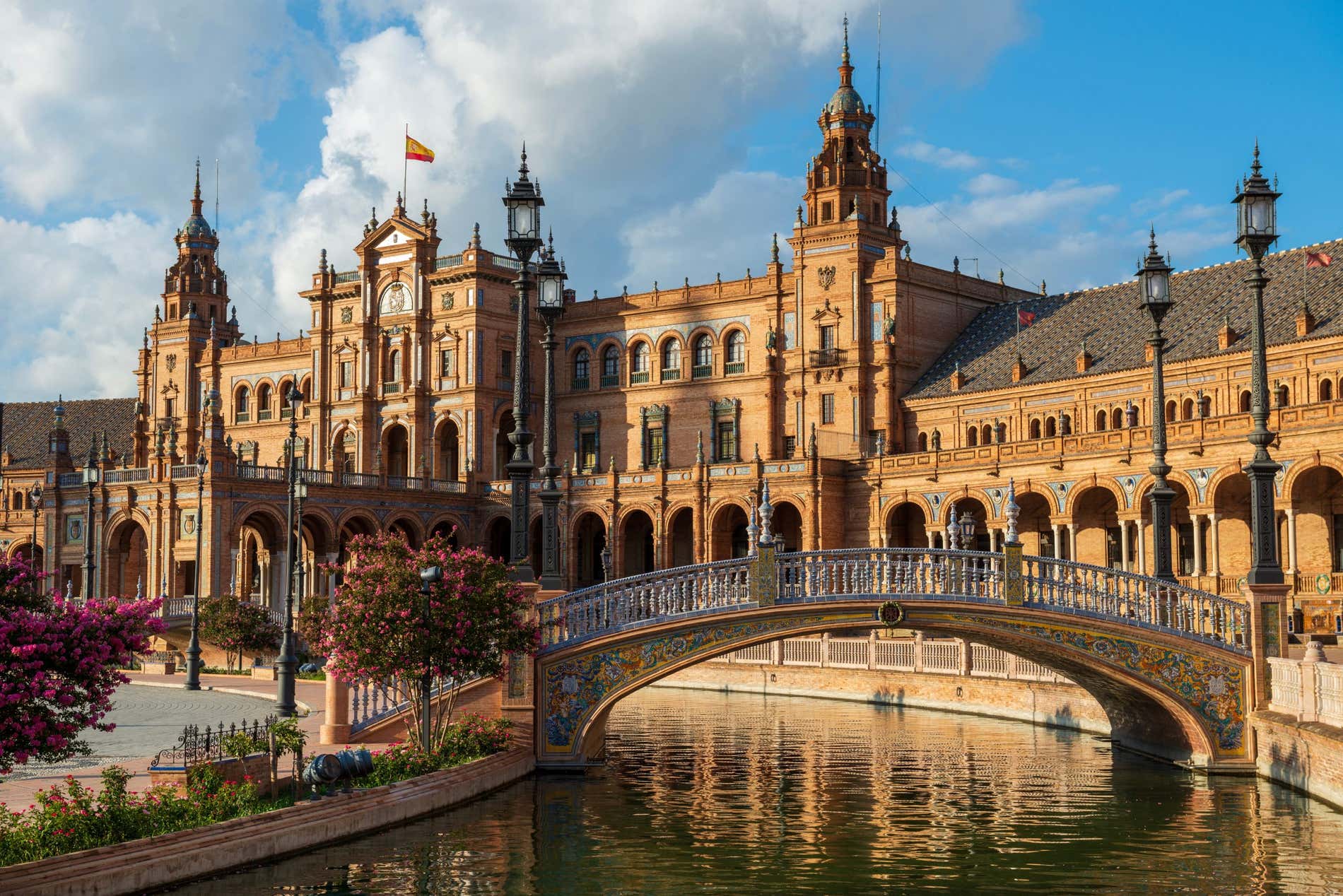
Reserve Seville Cathedral and Giralda tickets with an audio guide, or take the Alcázar, Cathedral and Giralda guided tour to cover all three at once. Add the Plaza de España and the Triana district and you have a city few others in the country can match. Our guide to what to do in Seville has the full picture.
4. Madrid
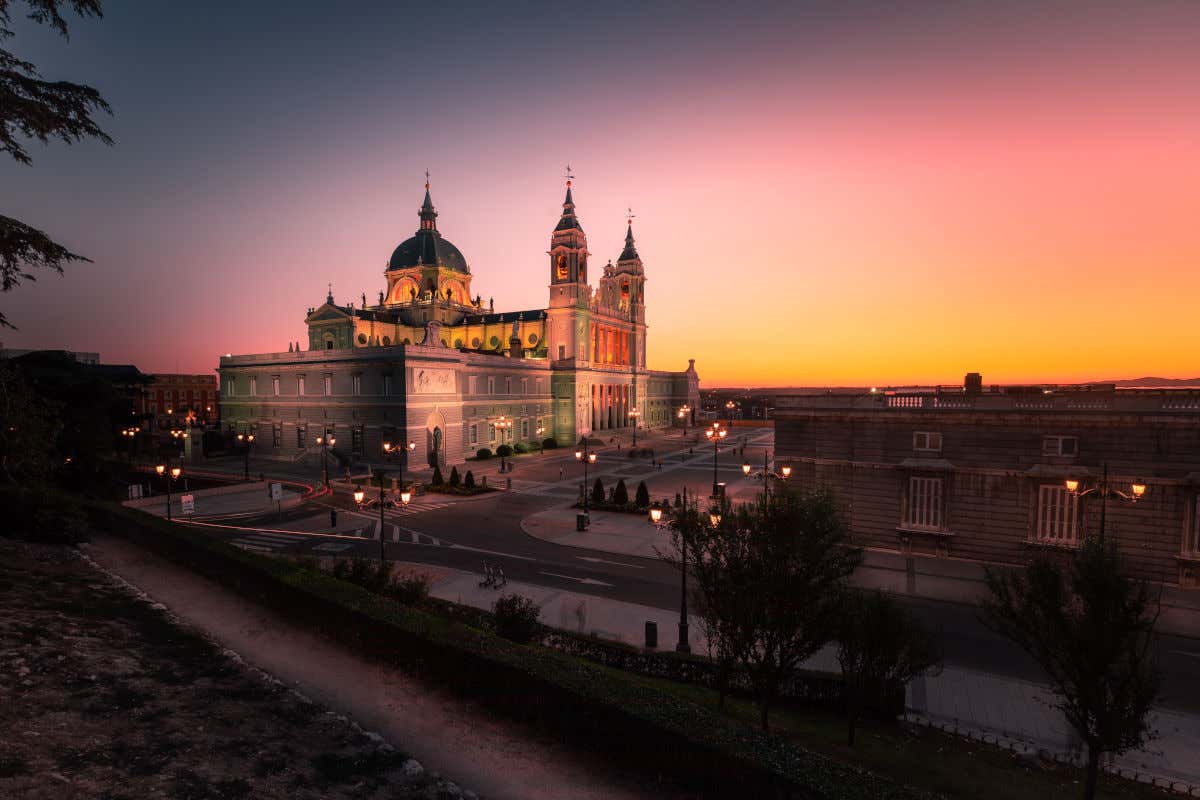
The capital puts three of the world’s major art museums within half a mile of each other: the Prado, holding the largest collection of Spanish painting on the planet, the Reina Sofía, and the Thyssen-Bornemisza. Together they form the Golden Triangle of Art, and you could spend days there without exhausting it.
The Prado Museum guided tour skips the line and gives you the shape of the collection in 90 minutes, which beats wandering it cold. Outside the museums, Malasaña, Lavapiés and La Latina hold the city’s best markets, taverns and a nightlife that starts late and ends later. Browse the activities in Madrid to fill out the rest.
5. Córdoba
Córdoba was the largest city in western Europe in the 10th century, and its Mosque-Cathedral is the clearest surviving evidence. Hundreds of red and white double arches march off in every direction, and a Renaissance cathedral sits in the middle of them, dropped there in the 16th century without removing what came before.
The Jewish Quarter around it is a maze of whitewashed lanes and flowered courtyards, at their best in early May when the city opens its private patios for competition. Have a look through the tours and activities in Córdoba to see what fits your dates.
6. Toledo
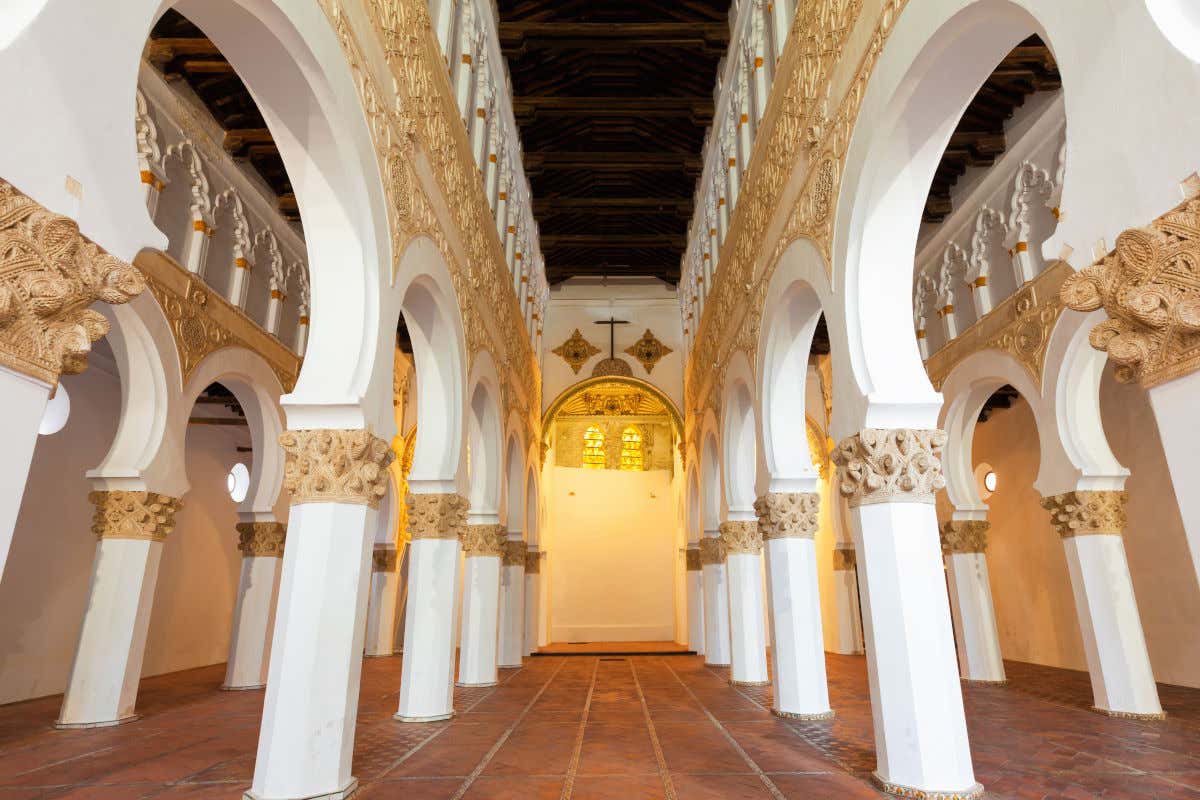
Toledo was the Visigothic capital and later the city of three cultures, where Jews, Muslims and Christians lived side by side. Its old town, seen from across the Tagus as an unbroken medieval skyline, holds cathedrals, synagogues and mosques inside roughly 0.4 square miles (1 square kilometer).
It sits under an hour from Madrid, which makes it one of the most popular day trips in the country. The Toledo free walking tour unpacks that three cultures history in about 90 minutes, and our guide to things to do in Toledo helps you make the most of a single day.
7. Valencia
Valencia gave the world paella, and it still cooks the original version with rabbit and beans rather than seafood. The city also drained its flood-prone river and turned the old bed into a nine mile park that curls through the center, ending at Santiago Calatrava’s City of Arts and Sciences.
The City of Arts and Sciences free tour covers that complex, while the Albufera day trip takes you to the rice paddies where the dish was born. Our guide to the region of Valencia covers what lies beyond the city.
8. San Sebastián
San Sebastián curves around La Concha, a shell shaped bay backed by hills on both sides, and it is one of the great eating cities of Europe. The old town is wall to wall pintxos bars, where you order one or two things, drink a small glass, and move on to the next place.
The San Sebastián free walking tour is the fastest way to learn which streets matter. For something local, the Basque cider house day trip takes you to a sagardotegi, where you pour straight from the barrel and eat steak at long shared tables.
9. Santiago de Compostela
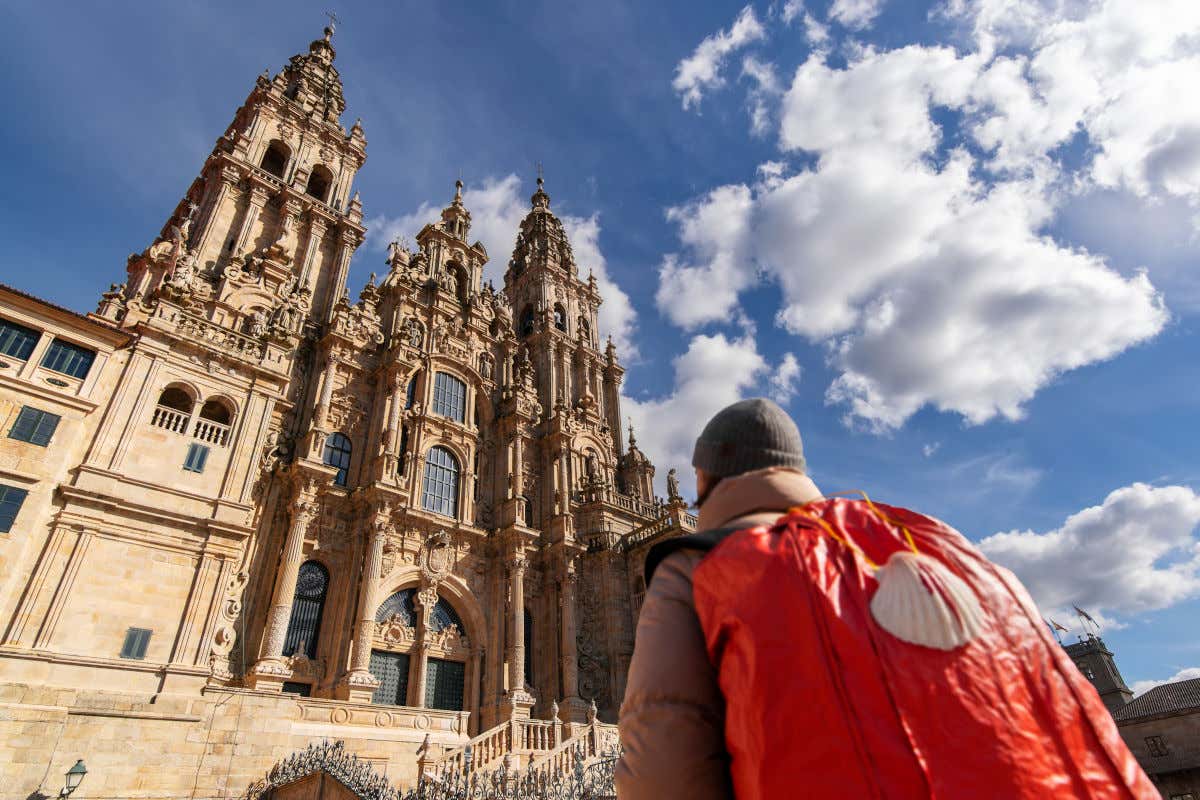
Santiago is the end point of the Camino de Santiago, the most walked pilgrimage route in Europe. Its Romanesque cathedral receives thousands of walkers a year arriving on foot from across the continent, and the Praça do Obradoiro in front of it is one of the most photographed squares in Spain. The granite streets and Galician cooking, built on shellfish and octopus, make it feel like a different country from Andalusia.
The Camino itself is one of the best ways to see interior Spain, passing through Burgos, León and Logroño, each with its own cathedral and its own kitchen. Book the cathedral and museum guided tour, or start with the Santiago free walking tour.
10. Canary Islands
The Canaries are the only part of Spain with a subtropical climate year round, which makes them the country’s leading sun destination even in January. Each island has its own character, so the choice depends on what you are after:
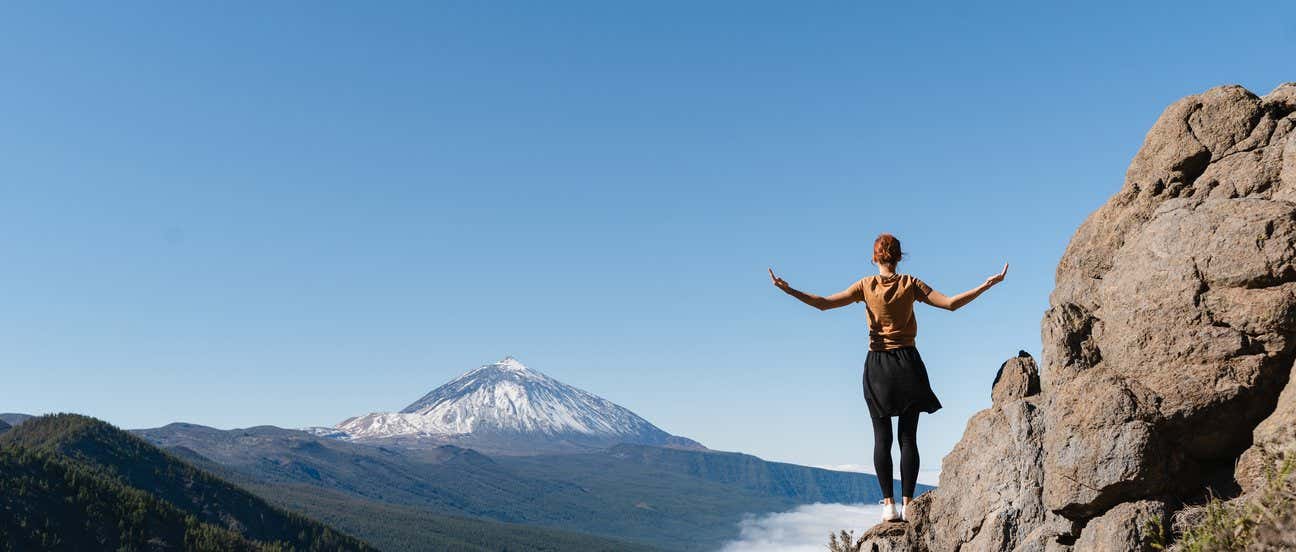
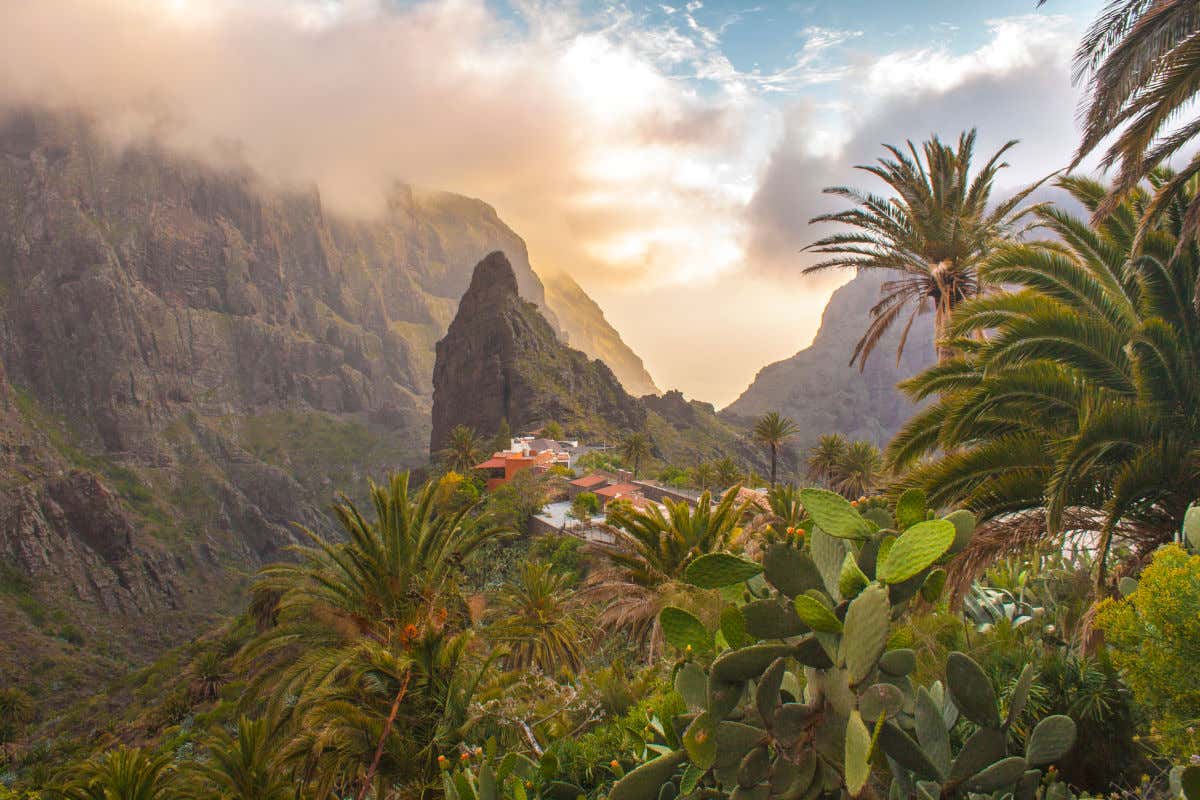
- Tenerife, with Mount Teide rising to 12,188 feet (3,715 meters), is the most visited of the group. The Teide National Park night tour with stargazing uses some of the clearest skies in the northern hemisphere
- Gran Canaria pairs the Maspalomas dunes with deep ravines inland. See the activities in Gran Canaria
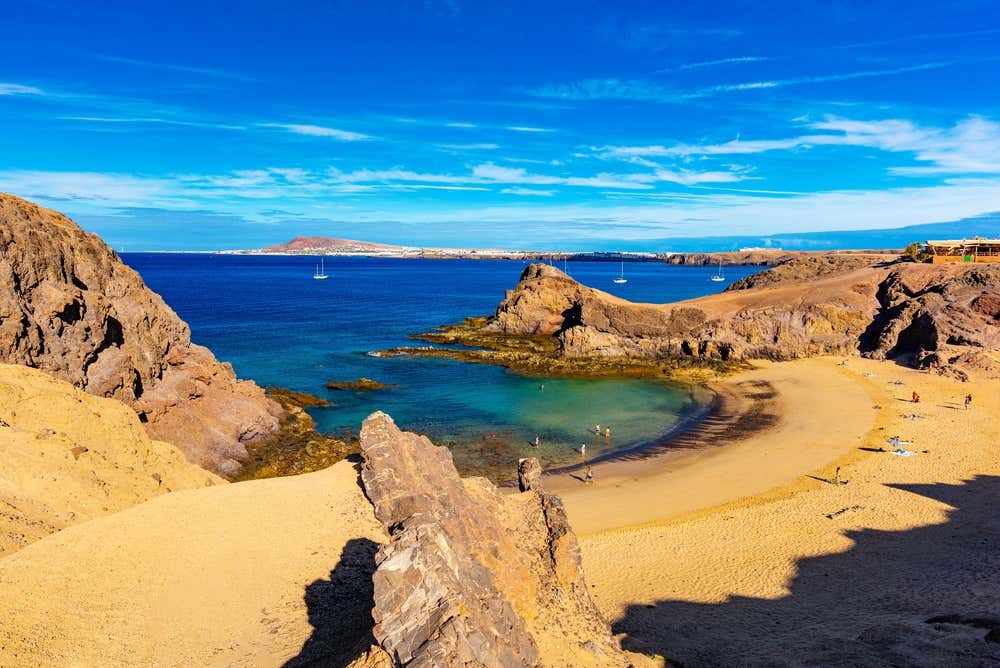
- Lanzarote is the strangest looking of them, a volcanic landscape shaped by the artist César Manrique. Browse the activities in Lanzarote
- Fuerteventura has the best beaches in the archipelago and the steadiest wind for surfing and windsurfing
- La Palma, La Gomera, El Hierro and La Graciosa are quieter and reward anyone willing to island hop
11. Mallorca
Mallorca combines turquoise coves, mountain villages in the Serra de Tramuntana, a World Heritage range, and Palma, a city with a Gothic cathedral standing right at the water’s edge. The island is small enough that you can go from an empty cove in the north to a medieval town inland in under an hour.
The other Balearics offer something different again within the same archipelago. Compare what is on offer across Mallorca, Menorca and Ibiza.

12. Costa Brava
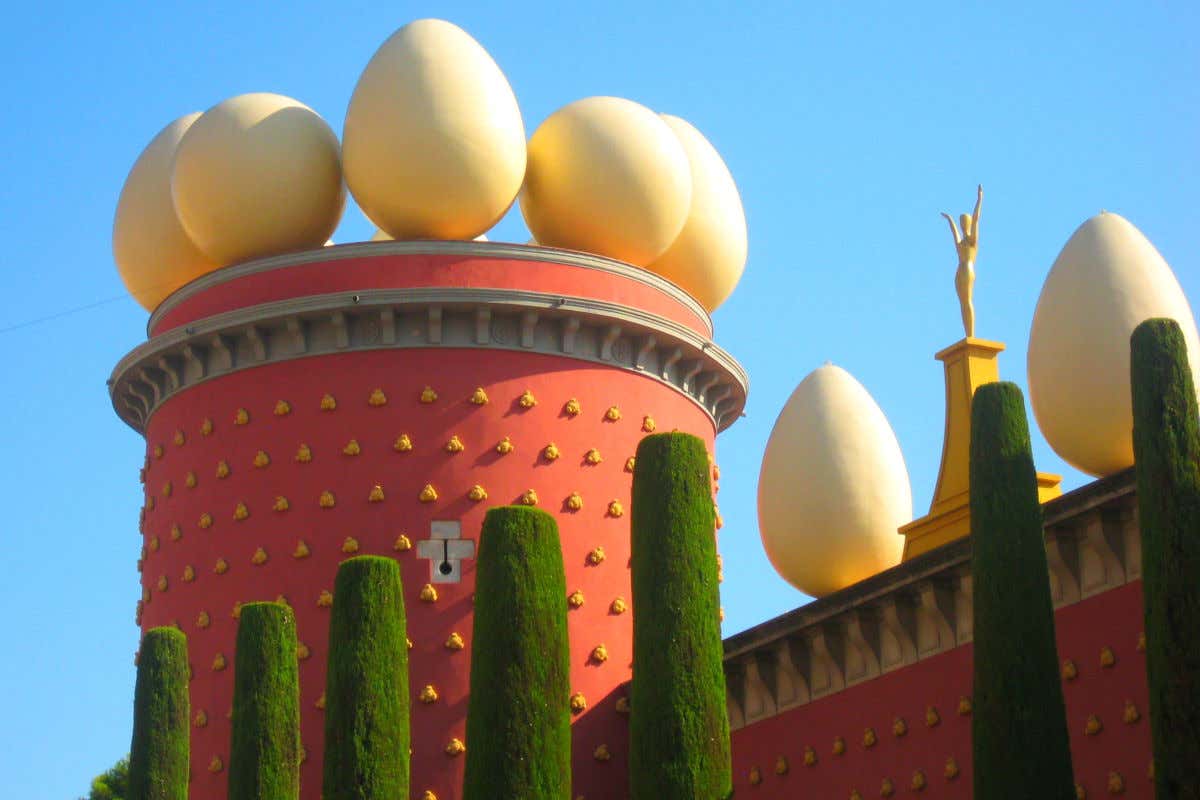
The Costa Brava, in the province of Girona, holds some of the most photogenic coves in the Mediterranean, with red rock cliffs dropping straight into blue water and fishing villages like Cadaqués that have barely changed in decades. Salvador Dalí lived here, and his triangle of the Figueres museum, the house at Portlligat and the castle at Púbol is the most surreal day out in Spain.
It is close enough to Barcelona to work as a weekend, though the coastline and the medieval villages inland reward a trip of their own. See the activities on the Costa Brava for boat trips and guided routes.
Spain Travel FAQ
What Are the Top 5 Places to Visit in Spain?
Barcelona, Madrid, Seville, Granada and Córdoba are the five that appear most often, and between them they cover Gaudí, the Prado, the largest Gothic cathedral in the world, the Alhambra and the Mosque-Cathedral. That is a strong first trip on its own.
Where Should You Visit in Spain for the First Time?
Madrid, Seville and Barcelona make the easiest first route. High speed trains connect all three, Madrid to Seville takes about two and a half hours, and you get the capital, Andalusia and the Mediterranean coast without renting a car.
What Is the Most Beautiful Region in Spain?
Andalusia gets named most often for its combination of Moorish architecture, white villages and coastline. Galicia in the northwest and the Basque Country make the case just as well if green hills and serious food matter more to you than palaces.
What Should You See in Southern Spain?
Andalusia holds most of the south’s highlights: the Alhambra and the Albaicín in Granada, the cathedral and Alcázar in Seville, the Mosque-Cathedral in Córdoba, and the white villages of the Cádiz mountains. The Almería coast, around the Cabo de Gata, is among the best preserved stretches of the Spanish Mediterranean.
Spain is not a country you finish in one trip, and the distances are short enough that you never have to try. Pick a region, give it room, and let the trains carry you to the next one when you are ready.
Booking the big tickets ahead of time matters more here than almost anywhere, especially at the Alhambra and the Sagrada Familia. Browse Civitatis’s full catalog for the best activities in English all over the world and put your route together before you go.


Most read of #Spain
16 Best Beaches in Spain: A Coast by Coast Guide
10 September 2026What to See Near Madrid: Best Royal Palaces & Historic Towns
10 September 202612 Best Places to Visit in Spain (2026)
27 August 2026Top 13: A Local’s Guide to What to Do in Málaga
9 July 2026Most read #Spain
What to See Near Madrid: Best Royal Palaces & Historic Towns
10 September 202612 Best Places to Visit in Spain (2026)
27 August 2026Top 13: A Local’s Guide to What to Do in Málaga
9 July 2026
48 Hours in Barcelona: The Best 2-Day Itinerary
29 March 2026
Seville or Granada? Where to Stay in Andalusia 2026
19 March 2026How Many Days in Granada? The Perfect 3-Day Itinerary
12 March 2026The Alhambra: How Much Time Do You Need & When to Visit
12 March 2026What to Do in Mallorca: 15 Ways to Experience the Island Life
25 February 2026