Best Time to Visit Buenos Aires: Month by Month

Buenos Aires sits in the southern hemisphere, so its seasons run opposite to yours. Summer in the city falls between December and February, and winter covers June, July and August. Christmas here happens in the heat, and July is when you pack a coat.
So what is the best time to visit Buenos Aires? Spring, from September to November, and fall, from March to May, give you the best balance of weather, crowds and cost. Temperatures stay mild in both, without the humid heat of summer or the damp chill of winter, and prices sit below the December peak.
Below is the year broken down month by month, with the weather, the festivals worth planning around, and where the real savings are.
When is the Best Time to Visit Buenos Aires?
High and Low Season in Buenos Aires
High season runs from December to February, matching the southern summer and the Christmas and New Year holidays. Plenty of porteños leave for the Atlantic coast during these weeks, which quiets down residential neighborhoods. That does nothing for prices, though, since international visitors more than fill the gap.
Low season falls between June and August, during the southern winter, and flights and hotels drop noticeably. July is the exception inside that window. It overlaps with Argentine school vacations, so rates tick up in the second half of the month, though nowhere near summer levels.
January
January is deep summer. Highs average around 86°F (30°C) and nights stay near 68°F (20°C), with humidity that makes the number feel higher than it reads. It is also the month when the most residents leave town, so Recoleta and Belgrano feel emptier than usual while hotel rates hold firm on foreign demand.
Heat like this pushes you toward the water. The Tigre boat trip sails the Río de la Plata and into the Paraná Delta, a maze of channels and stilt houses that porteños themselves treat as the standard hot weather escape.
February
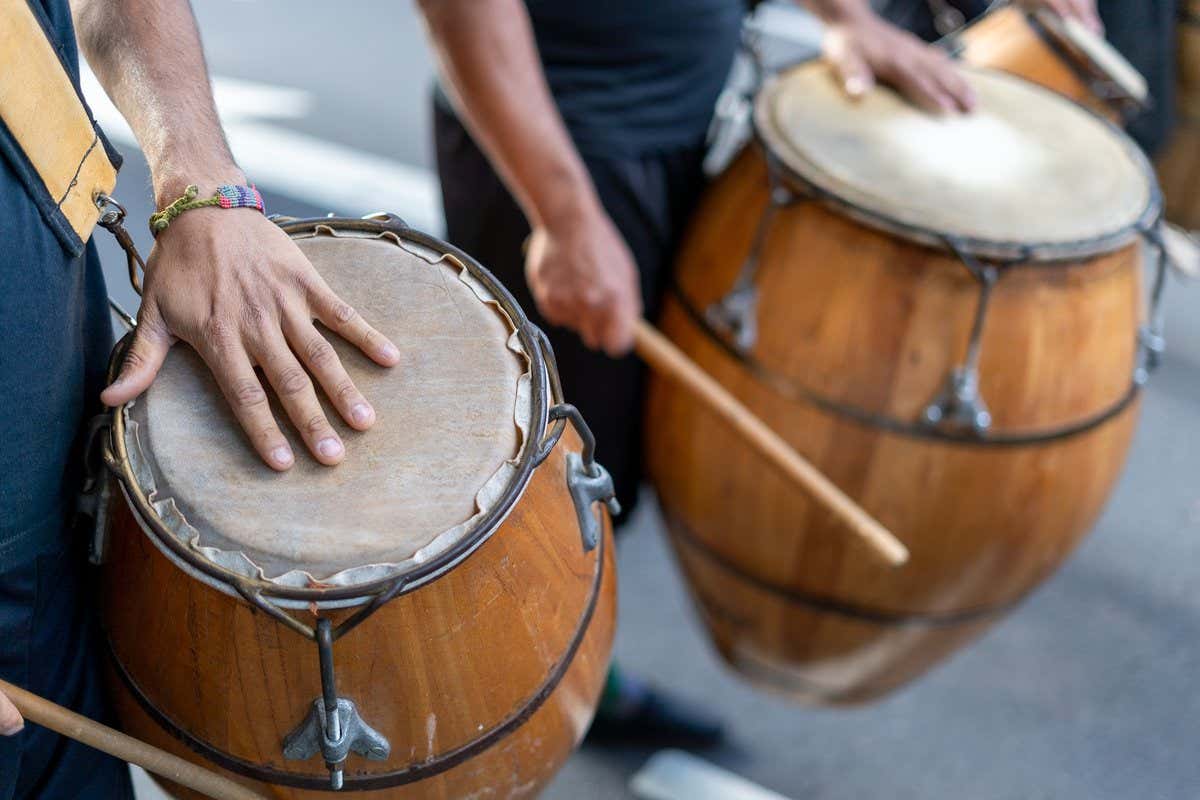
February holds the heat but adds a reason to put up with it. This is Carnival month, and the porteño version belongs to the murgas, neighborhood troupes of drummers and dancers who parade on the weekends before the official date. Expect street theater and political satire rather than feathers and floats.
February also brings the Argentina Open tennis tournament to a club in Palermo. It draws fans from across the country and lands during one of the last stretches of real heat before fall starts to show.
March
March opens fall and brings the first real relief after summer. Temperatures ease down gradually rather than dropping all at once, which makes it comfortable to walk the city for hours. High season visitors have gone home by now, so flight and hotel prices start to give.
It is a good window for San Telmo before the fall crowds arrive chasing that same mild weather. The free walking tours of Buenos Aires cover most neighborhoods and are an easy way to get your bearings in the first days.
April
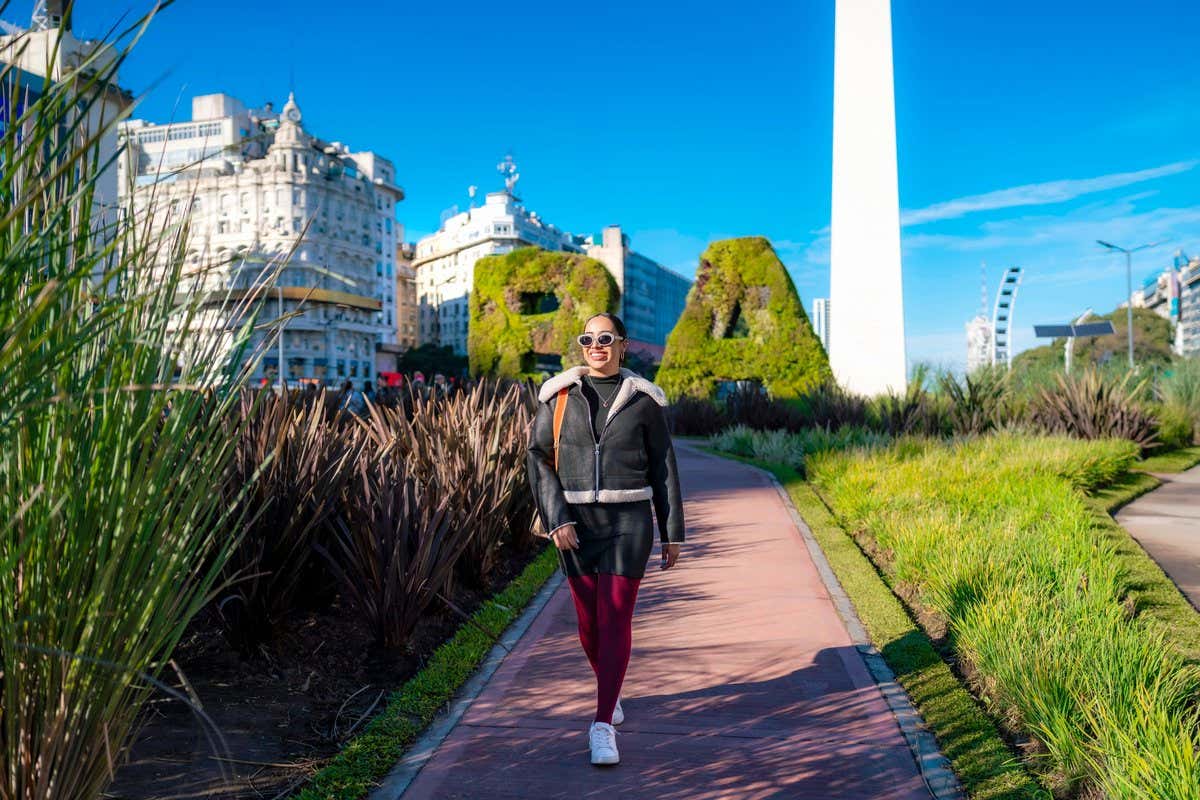
April is widely counted among the best months of the year to visit Buenos Aires. The weather has let go of summer without asking for a heavy coat. Leaves turn along Avenida 9 de Julio and through the Palermo woods, which is the version of the city that fills travel photography.
BAFICI, the Buenos Aires International Festival of Independent Cinema, usually runs early in the month. Dates move year to year, so check the official program, but it is a good reason to trade an afternoon of sightseeing for a porteño movie theater.
May
May turns cooler, though the middle of the day stays pleasant at an average around 59°F (15°C) before winter settles in. On May 25 the city marks the May Revolution of 1810 with ceremonies and crowds in Plaza de Mayo, commemorating the events that set Argentine independence in motion.
As a transition month heading into winter, visitor numbers fall off sharply. That means better lodging rates without the hardest cold of the year.
June
June opens the southern winter, with a drop you notice on the street, though snow in the city itself is essentially unheard of. It is the first month of low season, so flight and hotel prices fall clearly before July school vacations nudge them back up.
For anyone putting savings ahead of sunshine, this is the sweet spot. The cold is still moderate compared with July, and the city’s indoor life, its cafés, theaters and milongas, is at full strength.
July
July is the coldest month of the year. Daytime highs average near 60°F (15°C) and nights drop to around 45°F (7°C), so a warm layer and a rain jacket cover you. It also overlaps with Argentine winter school vacations, which lifts lodging prices through the second half of the month as families travel within the country.
Even with that bump, July stays far cheaper than any summer month. If the cold does not bother you, the overall savings on the trip still hold up.
August
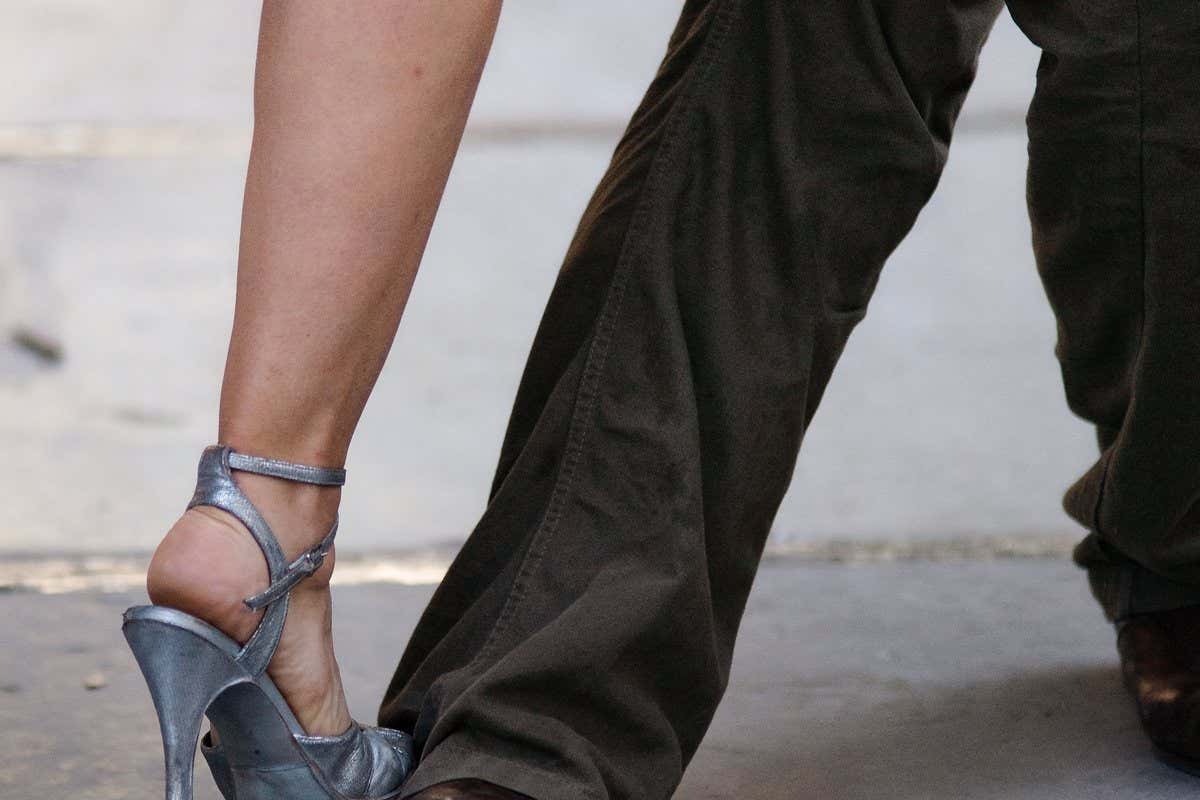
August stays in winter, though the chill softens toward the end of the month. Above all, this is tango month. The Tango Festival and World Championship takes place in Buenos Aires each year, usually between mid and late August, drawing dancers from more than fifty countries for competitions and free shows across the city. Confirm the exact dates on the official program before you book.
If your trip misses the festival, the feeling is available year round. Book a seat at the Tango Porteño theater show, or compare venues across the tango shows in Buenos Aires section.
September
September opens spring, and the warmth returns gradually, averaging around 59°F (15°C). You feel it first in how the city uses its outdoor space again. Toward the end of the month the first jacarandas begin to flower, the purple canopied trees that account for most of the photographs people bring home.
It is a good moment to start walking the Rosedal and the Palermo woods, though full bloom is still a few weeks out.
October
October is the most photogenic month of the year. The jacarandas reach full bloom and turn entire streets violet, especially through Recoleta and Palermo Chico. The weather cooperates too: neither summer heat nor winter cold, just the middle ground that lets you walk for hours.
Along with November, it is the month most guidebooks single out as the sweet spot between climate and spectacle. The Recoleta Cemetery free walking tour pairs well with the bloom, since the trees line the streets right outside the gates.
November
November stays firmly in spring, warm but still clear of the heavy humidity that arrives in December. Plenty of residents call it the most agreeable month to live here, precisely for that balance of moderate warmth and light rainfall.
It is also the last stretch of the year when lodging stays reasonable, before high season starts squeezing rates again in December.
December
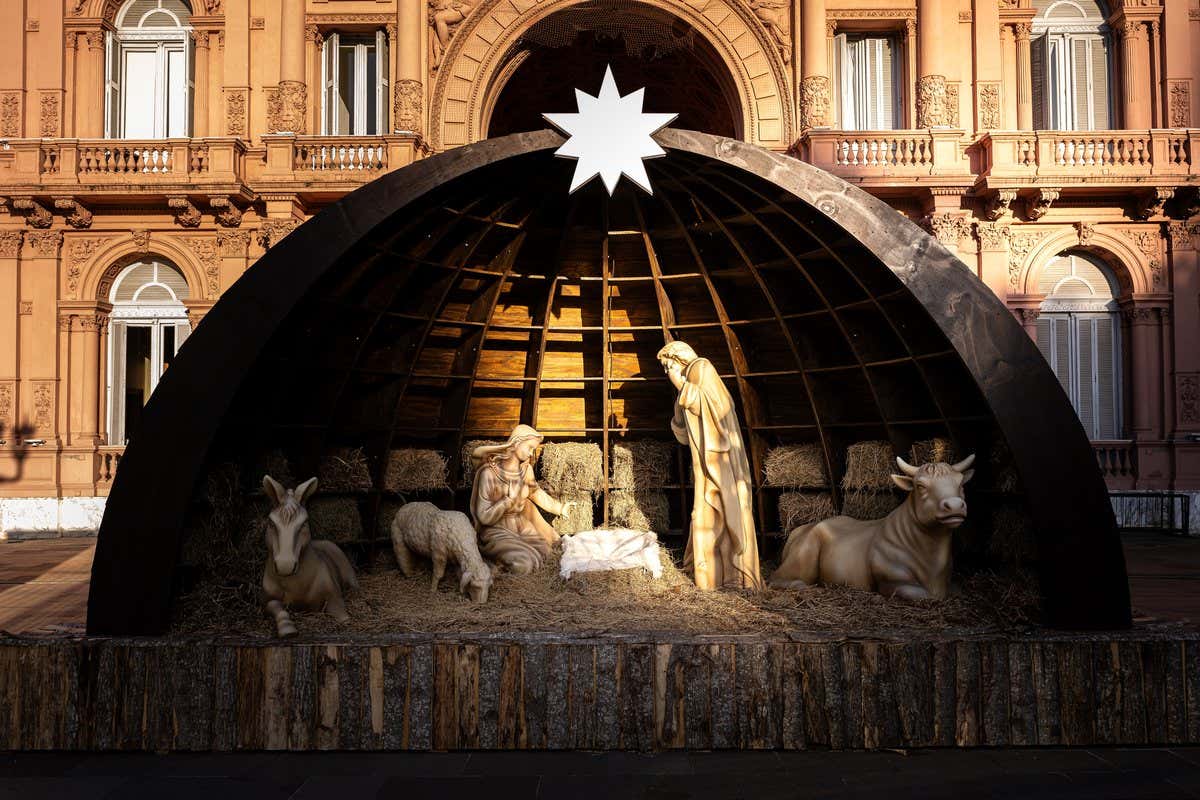
December opens summer, and the temperature climbs quickly as the month goes on. The city fills with holiday atmosphere in the second half, with lights and decorations along the commercial avenues in Palermo and Belgrano, all of it under a summer sun rather than snow.
Christmas and New Year drive both demand and prices up, starting the high season that runs through February. If your trip lands in these weeks, book well ahead to avoid scrambling at the last minute.
Buenos Aires Travel FAQ
What Is the Cheapest Month to Visit Buenos Aires?
Winter, from June to August, brings the lowest flight and lodging prices. Within that window, June and the first half of July are usually cheapest, since they avoid both the summer peak and the mid July bump from Argentine school vacations. Prices shift year to year, so compare dates before booking.
Which Low Season Month Is Best?
June is probably the pick. It combines low prices with cold that is still moderate, ahead of the deeper chill in July and August.
Do Americans Need a Visa for Argentina?
US citizens can generally enter Argentina for tourism with a passport and no visa for short stays. Requirements do change, so confirm the current rules with the Argentine embassy or consulate before you travel.
How Many Days Do You Need in Buenos Aires?
Three to four days covers the main neighborhoods without rushing. Five or more lets you add day trips and settle into the slower rhythm of the city, which is where Buenos Aires tends to win people over.
What Can You See in a Weekend?
A weekend covers San Telmo, Recoleta and Palermo, with room to cross over to Tigre or to Colonia del Sacramento in Uruguay. Start with the San Telmo free walking tour for the oldest part of the city, and find more ideas in our guide to the best day trips from Buenos Aires.
Buenos Aires shifts a lot from one season to the next, in weather and in what the city is doing with itself. Picking your dates well makes a real difference to the trip, and spring and fall remain the safest bet for the balance of temperature, crowds and price.
Once your dates are set, see our guide to what to do in Buenos Aires, and browse Civitatis’s full catalog for the best activities in English all over the world.


Most read of #South America
What to See in Jalisco in 2026: Lake Chapala, Tequila & More
31 August 2026Moroccan Food: 12 Dishes to Try in Morocco
29 August 202614 Best Places to Visit in Canada
28 August 202612 Best Places to Visit in Spain (2026)
27 August 20263 Days in Lisbon: The Perfect Itinerary
25 August 202611 Best Places to Visit in Argentina (2026)
24 August 2026Most read #South America
Moroccan Food: 12 Dishes to Try in Morocco
29 August 202614 Best Places to Visit in Canada
28 August 202612 Best Places to Visit in Spain (2026)
27 August 20263 Days in Lisbon: The Perfect Itinerary
25 August 2026
12 Things to Do in Buenos Aires With Kids
21 August 2026What to See in San Luis Potosí, Mexico: 11 Highlights
14 August 2026The 10 Best Things to Do in Puerto Vallarta, Mexico
14 August 2026The 14 Best Museums in Mexico City, Aztecs to Chocolate
12 August 2026
The 14 Most Beautiful Places to Visit in Canada
11 August 202616 Best Things to Do in Querétaro, Mexico
10 August 202615 Best Places to Visit in India in 2026
8 August 202617 Best Places to Visit in France in 2026
7 August 2026
15 Must-Try Korean Dishes to Eat in South Korea
6 August 2026Top 11: The Best Day Trips from Mexico City (2026)
5 August 2026Things to Do in Los Cabos: 12 Unmissable Spots
4 August 2026