How to Visit Auschwitz: Tickets, Tours and Getting There
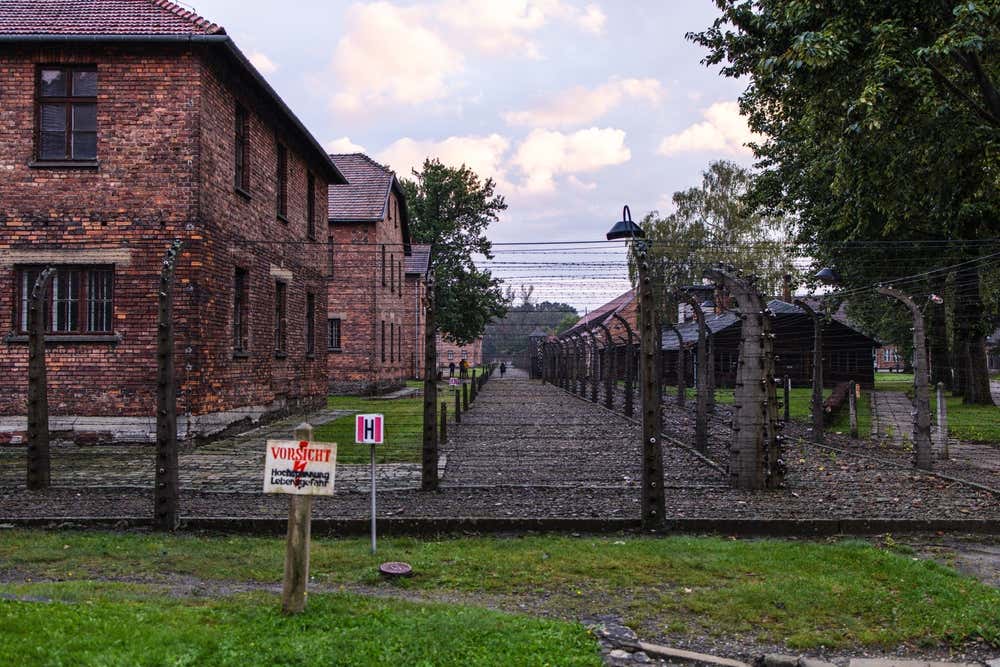

Planning how to visit Auschwitz takes more preparation than most sites you’ll see in Poland, partly because of the booking system and partly because of what the place is. The former Nazi concentration and extermination camp sits just outside the town of Oświęcim, roughly 41 miles (66 kilometers) west of Krakow, and it receives more visitors than any other memorial in the country. This guide covers booking your entry, choosing the type of visit that suits you, and reaching the site from several Polish cities.
Entry to Auschwitz-Birkenau is free but must be reserved in advance under your own name, either self-guided or with an official guide. The complex covers two camps, Auschwitz I and Birkenau, two miles apart and linked by a free shuttle. Allow three and a half to four hours.
How to Visit Auschwitz (2026)
Auschwitz Tickets: How and When to Book
Securing entry is the first thing to sort out. Admission to the memorial is free, but numbers are capped each day to protect the site and preserve the conditions for a serious visit. Daily demand is high, which is why a reservation is required even for a free entry.
Tickets are issued in your name and must be matched to valid photo identification, which you’ll be asked for at the main entrance. If you plan to book through the official Auschwitz-Birkenau Museum website, be aware that passes go months in advance, both the free unguided slots and the paid guided ones. Booking an organized excursion is usually the more reliable route.
Many visitors reserve an Auschwitz-Birkenau day trip from Krakow with an English-speaking guide, which covers admission along with return transport from the city center. If you’d rather travel in a smaller group, the small group day trip is limited to twelve people. Prices and departure times shift with the season, so confirm the current details when you book.
Guided Visit or Going on Your Own
Which format you choose comes down to how you prefer to take in a site like this. A guided visit gives you the historical context behind each building and explains what you’re looking at as you move through the grounds. It takes longer, though the extra time can also be spent reading the information panels and QR codes along the route.
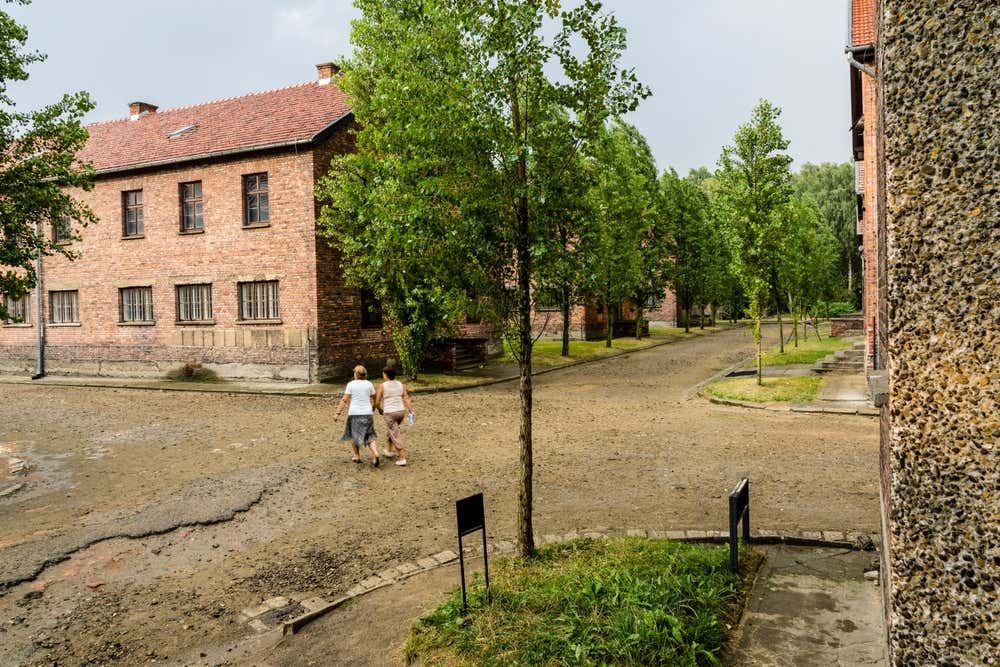
On a tour led by an official museum guide, the commentary comes through headsets handed out at the entrance, which lets you follow the explanation while keeping the quiet the site calls for. Guided routes cover the interiors of the brick blocks at Auschwitz I, now used as exhibition halls holding personal belongings that were taken from prisoners, and the open expanse of Birkenau.
If you’d rather move without a group, the self-guided day trip to Auschwitz-Birkenau includes transport and an English-language brochure. Free unguided entry is only permitted in certain time slots, usually early morning or late afternoon, and those places are extremely limited and tend to go within minutes of the booking window opening. Traveling independently also means arranging your own transfers and the connection between the two camps.
For a visit at your own pace with a guide dedicated to your group, there’s also an Auschwitz-Birkenau private day trip from Krakow, which adds the Judenrampe and the Auschwitz III-Monowitz memorial to the standard route.
How to Get to Auschwitz from Krakow
Krakow is the starting point for most visitors. It sits around an hour and a half away and offers the widest choice of public and private transport.
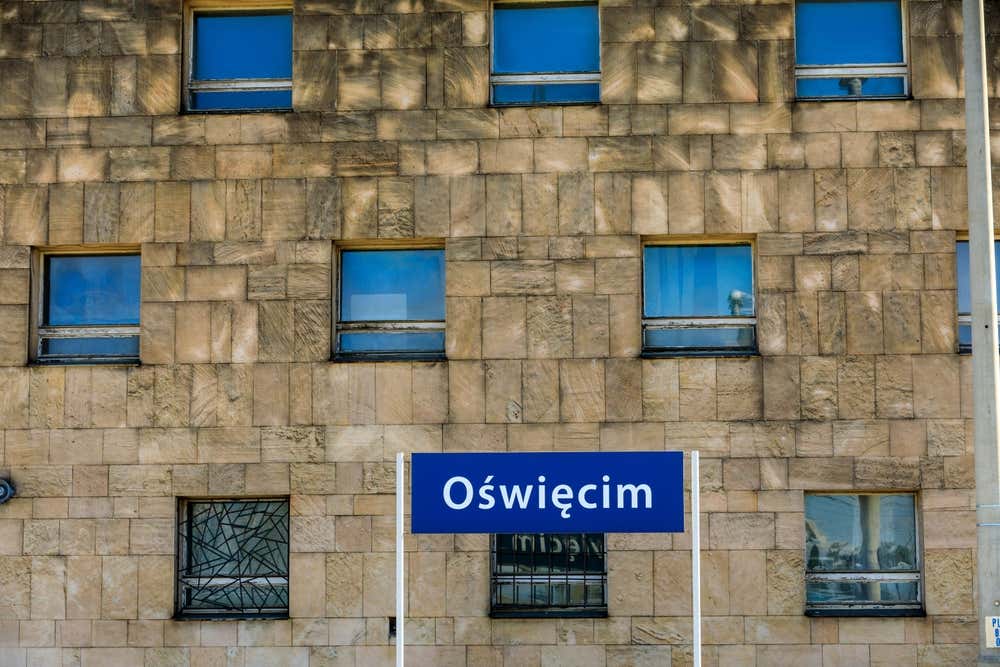
Regional buses run frequently from Krakow’s main bus station, known as MDA, and stop in the parking area directly opposite the Auschwitz I entrance. Trains are the other option: services from Kraków Główny reach Oświęcim station in about an hour and twenty minutes, and local MKS Oświęcim city buses leave from the station forecourt and stop at the museum entrance. An organized tour with transport included removes the connection times and the risk of delays from the equation altogether.
If you’re already in Krakow and want to build out the rest of your stay, the guide to what to do in Krakow covers the city and its surroundings. To combine two sites in a single day, there’s a full-day combo tour of Auschwitz and the Wieliczka Salt Mine, or a private version of the same route with an English-speaking guide.
Reaching Auschwitz from Warsaw and Wroclaw
A day trip from the capital or from Lower Silesia is entirely possible, though the distances make for a much longer day. Both are best treated as full-day commitments rather than something to fit around other plans.
From Warsaw, the fastest self-organized route uses PKP Intercity high-speed trains from Warszawa Centralna to Krakow in a little over two hours and twenty minutes, then continues to Oświęcim from there. To avoid managing the connections, the Auschwitz-Birkenau day trip from Warsaw includes hotel pickup and a guide on site, with roughly three and a half hours of driving each way. There’s also an Auschwitz-Birkenau private day trip from Warsaw if you’d prefer to set your own departure time.
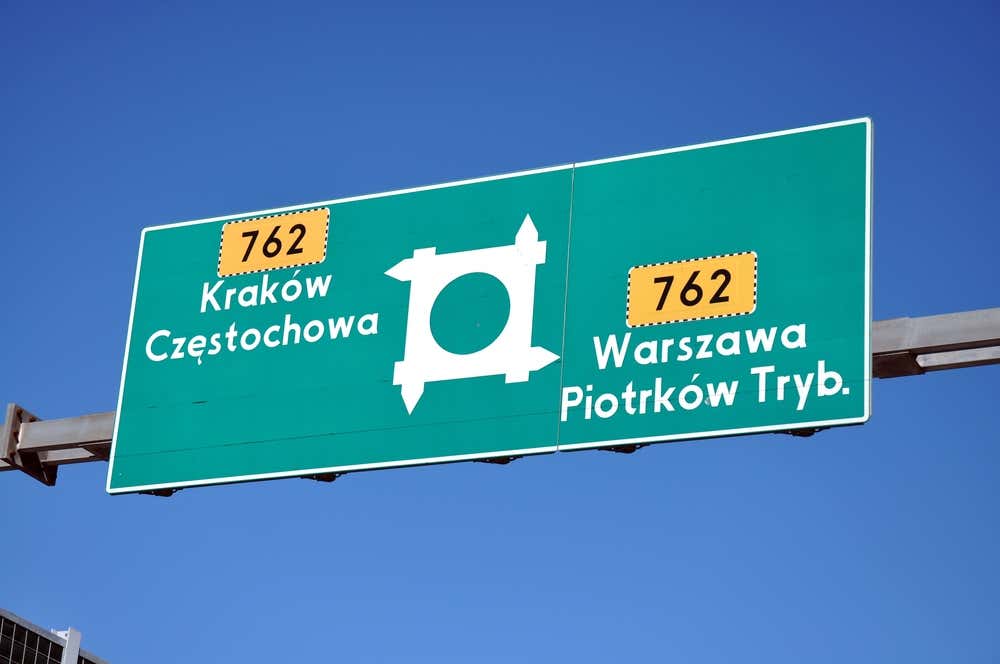
From Wroclaw the drive takes around two and a half hours, east along the A4 motorway and then south toward Oświęcim. Direct trains to Oświęcim exist, though they run less often than the Krakow services. The full-day trip from Wroclaw travels by bus with an English-speaking guide at the memorial, which is the simpler option from that side of the country.
The Visitor Route: Auschwitz I and Birkenau
The visit runs through the two main camps that made up the complex. Each has a distinct layout and served a different function during the years the camp operated, and the contrast between them is part of what the route is designed to convey.
Auschwitz I: The Main Camp and Museum
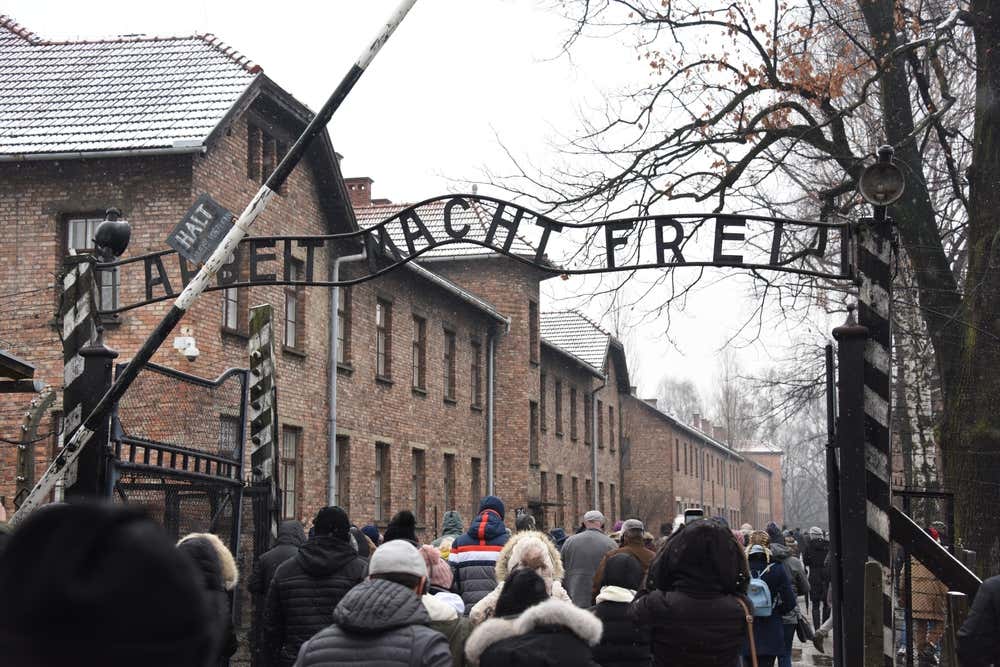
The route usually begins at Auschwitz I, the brick complex that originally housed Polish army barracks. Past the entrance gate and its sign reading Arbeit macht frei, the path leads through a series of exhibition blocks. The site has been on the UNESCO World Heritage list since 1979.
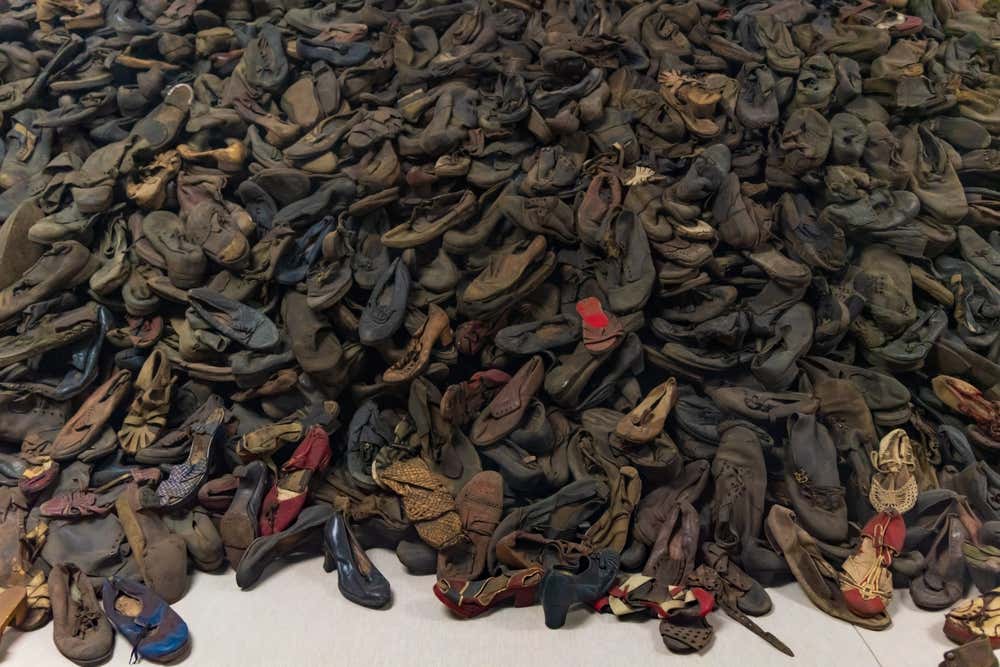
Inside are permanent collections of historical documents, period photographs and firsthand testimony. Among the most difficult rooms are those holding the volume of personal possessions confiscated from prisoners on arrival: suitcases marked with their owners’ names, eyeglasses, shoes and everyday objects. Block 11, known as the death block, contains the punishment cells and the yard where the Death Wall stands. This part of the visit ends near the only gas chamber and crematorium left intact after the Nazi withdrawal.
Auschwitz II-Birkenau: The Site of Mass Extermination
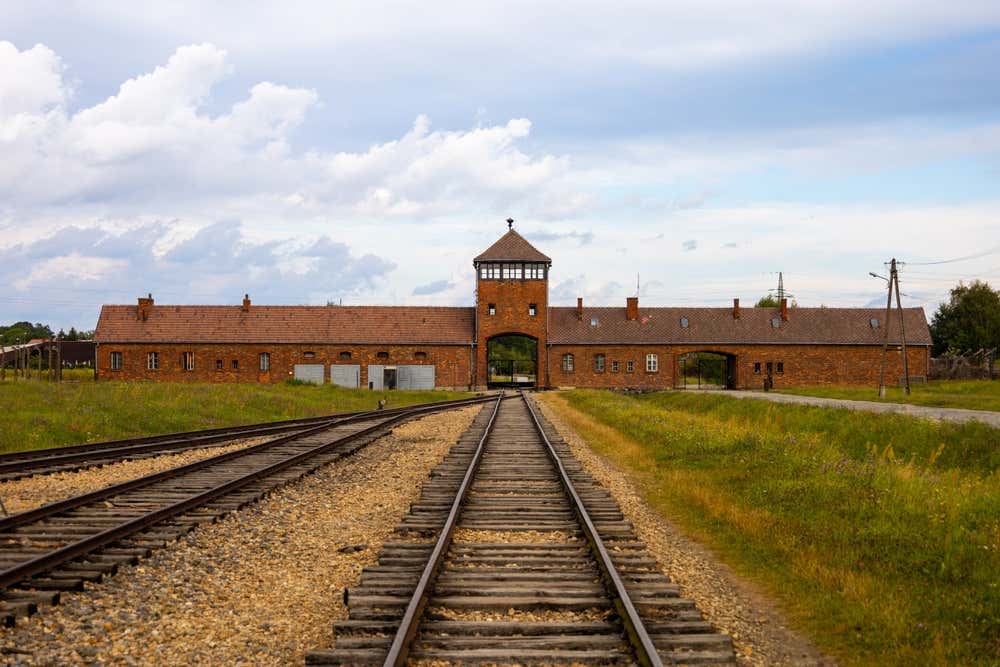
Two miles (three kilometers) from Auschwitz I lies Birkenau, built from 1941 onward to carry out the mass murder planned under the Nazi Final Solution. The image most people recognize is its guard tower and the railway tracks running through the main gate, along which transports arrived from across Europe.
Unlike the brick buildings of the main camp, Birkenau covers more than 430 acres (175 hectares), once filled with hundreds of wooden and masonry barracks. Walking the selection platform, you pass the ruins of the large gas chambers, which the Nazis blew up in an attempt to destroy the evidence before liberation. At the far end of the railway line stands the International Monument to the Victims of Fascism.
A free shuttle service runs between the two camps, operated by the museum, with timetables posted at each exit.
Rules and Practical Advice for Your Visit
Given the nature of the site, the museum applies strict rules on conduct and security that every visitor is expected to follow throughout their time on the grounds.
Bags. Entry involves a metal detector check, and bags larger than roughly 12 x 8 x 4 inches (30 x 20 x 10 centimeters) are not permitted inside. A paid left luggage service is available at the entrance.
Identification. You’ll need to show an original passport or ID card matching the name on your ticket exactly. Nicknames or shortened forms of your name will prevent entry. If you’re traveling from outside the EU, confirm visa and entry requirements for Poland with the relevant embassy before booking.
Photography. Photographs without flash are allowed in most indoor and outdoor areas. The exceptions are the room containing victims’ hair and the basement areas of Block 11, where photography is not permitted.
Conduct. Appropriate dress is expected, in keeping with the character of the site. Smoking, eating and loud behavior are prohibited across the whole of the memorial grounds.
Age. The museum advises against bringing children under 14, given the nature of the material on display.
It’s also worth wearing comfortable shoes for the uneven ground at Birkenau, and dressing for the forecast, since much of the visit takes place outdoors with little shelter from wind or rain.
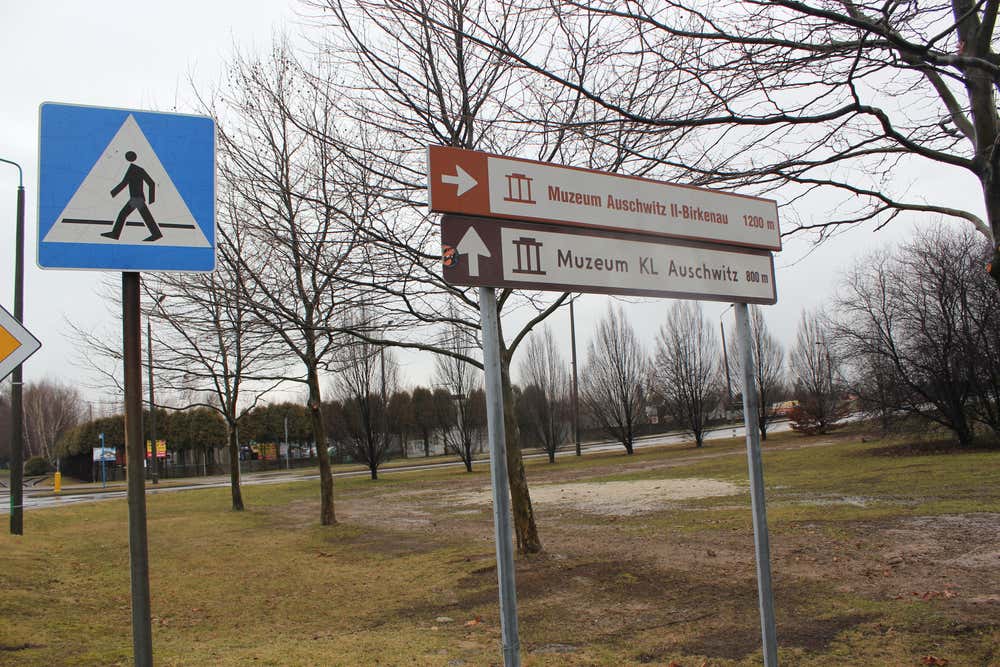
Few places open to visitors carry the weight that Auschwitz does, and few ask as much of the people who go. It remains an essential stop on any trip to Poland, difficult as it is. Whichever way you choose to get there, the full range of guided visits to Auschwitz covers departures from several cities, and the wider best activities in English all over the world can help with the rest of your route.


Most read of #More of Europe
What is a Free Tour & How Much do They Cost?
16 October 202615 Bucket List Travel Experiences to Gift in 2026
14 October 2026What to Do in Athens: 11 ‘Musts’ in the Greek Capital
13 October 2026Top 11: What to Do in Belize in 2026
12 October 202611 Unmissable Day Trips from Rome (& How to Get There)
11 October 2026Top 12: What are the Best Things To Do in NYC With Kids? (2026)
10 October 2026Most read #United States

Iconic Food in Chicago: 17 Dishes You Have to Try
30 September 2026Best Time to Visit Hawaii: A Season-by-Season Guide
29 September 2026
NBA Game Tickets in New York: A Complete Guide
3 June 2026Top Fun Facts About New York
3 June 2026
The Ultimate 3-Day Boston Itinerary for First-Time Travelers
14 January 2026Top 11: Best Day Trips from Miami (2026)
10 January 2026The 12 Best Day Trips from Los Angeles (+ Travel Time)
22 November 2025Top 11: Things to Do in Las Vegas Besides Gambling
14 February 2025Top 10: Things to Do in Washington, DC
22 November 2024