Ultimate Madrid Food Tour Guide: Tapas, Wine, & Markets
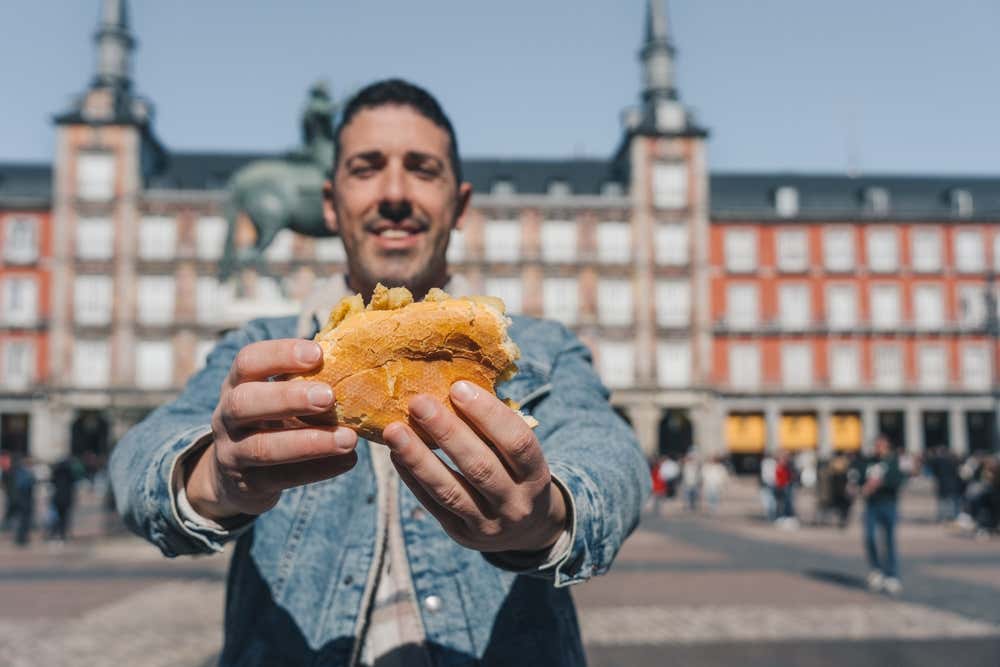

Madrid is one of those cities where eating isn’t just something you do between sightseeing. It’s arguably the main event. The Spanish capital has a food culture built around slowing down, sharing plates, and staying out far later than you planned. Whether you’re after a cold caña and a plate of jamón at a standing bar, or a full dinner with live flamenco, there’s a lot to get through. Let’s start from the beginning.
Explore Madrid's food scene
Discovering the Heart of Madrid Tapas & Wines
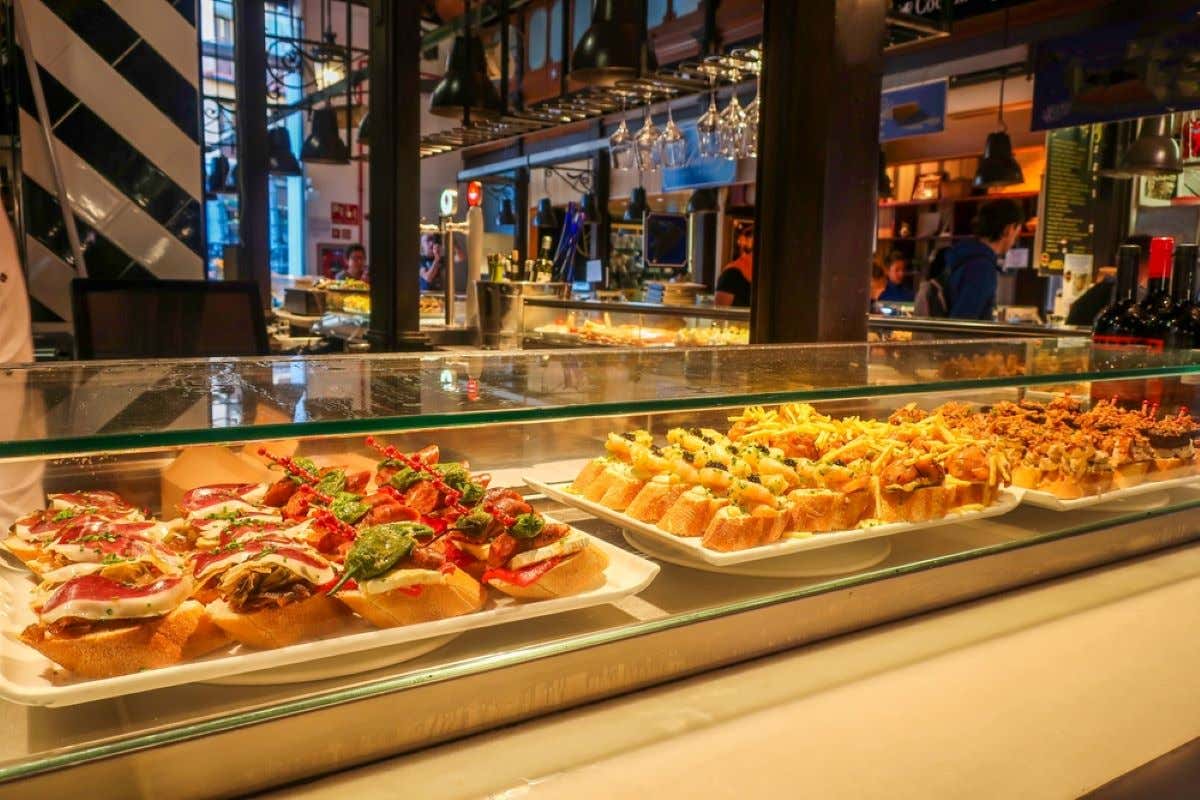
The best way to get under the skin of this city is to do what locals do: go for tapas. Not at one place, but several, moving from bar to bar as the night unfolds. It’s a social ritual as much as a meal, and it’s been the backbone of Madrid nightlife for as long as anyone can remember.
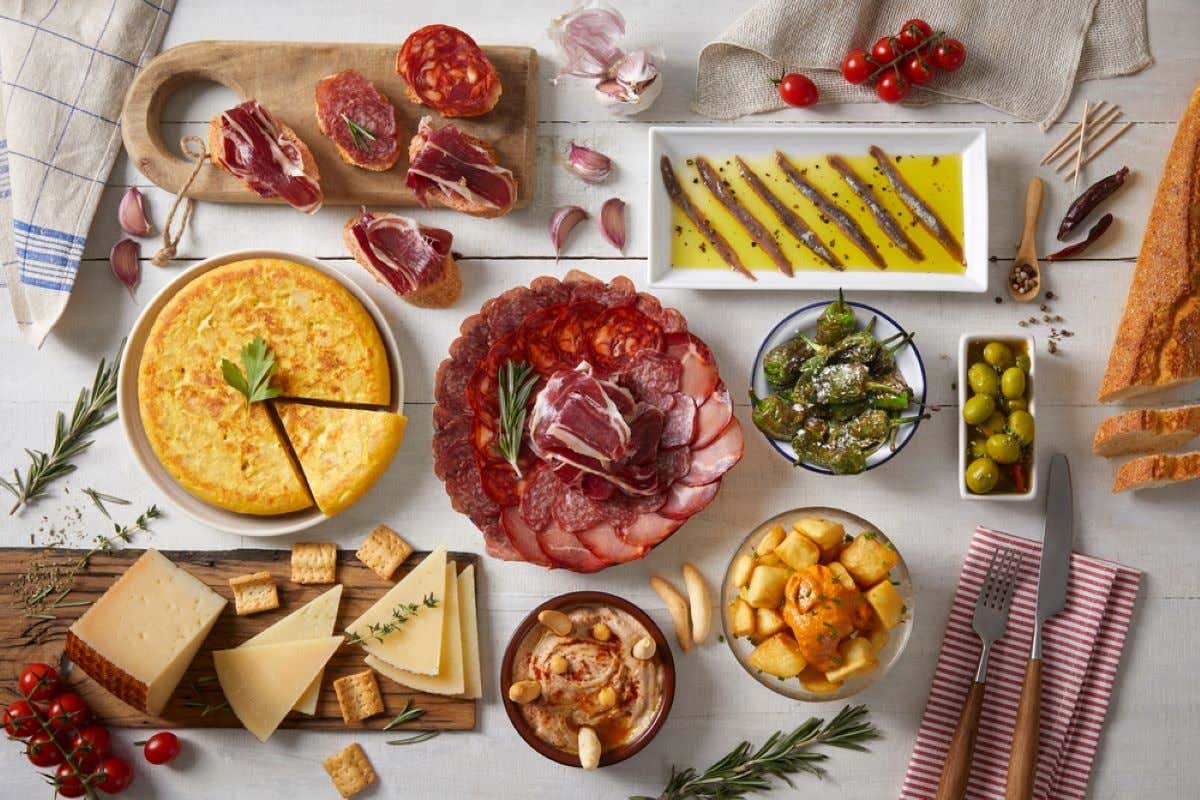
The flavors range from the simple (a wedge of aged Manchego, a handful of olives) to the more involved (patatas bravas, croquetas, grilled prawns). A glass of Rioja or Tempranillo ties it all together nicely. If you want to skip the guesswork and head straight for the spots locals actually go to, a tapas tour of Madrid is the way to do it. ¡Descubre las tapas y vinos de Madrid!
Essential Stops at the Main Mercados & Local Gems
Madrid’s markets are worth visiting even if you’re not particularly hungry. Each one reflects a different side of the city, and you can easily spend a morning just wandering.
The Mercado de San Miguel, just off the Plaza Mayor, is the most famous and the most photogenic, with its beautiful iron facade and counter after counter of gourmet bites. The Mercado de San Antón in Chueca is more low-key and more local, with a rooftop bar that’s great at the end of the afternoon. Over in Lavapiés, the Mercado de San Fernando has a rougher, more eclectic feel, with natural wine, artisan cheese, and international street food all under one roof. And if you want to see where Madrileños actually buy their groceries, the Mercado de la Cebada in La Latina is as no-frills as it gets. For a more curated take on all of the above, the gourmet tapas tour is a great option!
Zarzuela & Operatic Dinners
For a night that feels uniquely “Castizo,” you should explore the world of zarzuela—Spain’s very own lyrical theater that originated right here in the capital. There’s no better way to experience this local heritage than by combining it with a traditional meal. The dinner show at La Castafiore Restaurant offers a truly immersive atmosphere where the waitstaff performs iconic zarzuela arias and opera classics as they serve your dinner. It’s a sophisticated and deeply authentic Madrileño experience that celebrates the city’s artistic soul alongside its Mediterranean flavors.
Hands-On Culinary Experiences
If you’ve ever wanted to take the secrets of the Spanish kitchen home with you, it’s time to get your hands dirty. Learning to balance the saffron in a paella or the perfect flip of a tortilla is a skill that lasts a lifetime. You can join a Spanish cooking class to master these traditional techniques under the guidance of a professional chef. It’s an interactive way to understand why the local ingredients are so special.
Flamenco Rhythms & Gastronomic Delights
In Madrid, dinner often comes with a side of soul-stirring music. Combining a meal with a performance is the ultimate Spanish night out. With this tapas and flamenco tour, you can enjoy a high-energy activity and see multiple sides of the city. Or you can settle in for a dedicated dinner show at one of the city’s iconic tablaos:
- Tablao Flamenco Torre Bermejas: A classic choice with a vibrant atmosphere and traditional décor.
- Corral de la Morería: One of the most prestigious flamenco venues in the world.
- Tablao La Carmela: Perfect for a more intimate setting.
- Carboneras Tablao: Known for its artistic performances and cozy atmosphere.
- Tablao La Quimera: A passionate and traditional show with a welcoming feel.
Frequently asked questions about food in Madrid
What food is Madrid known for?
Madrid has a handful of dishes that are genuinely its own. The most famous is cocido madrileño, a slow-cooked chickpea stew with chorizo, morcilla (blood sausage), and various cuts of meat, traditionally served in three courses: first the broth, then the chickpeas and vegetables, then the meat. It’s a proper winter dish and you’ll find it on menus across the city from October onwards.
Bocadillo de calamares is another Madrid staple, and a surprisingly good one: a crusty bread roll stuffed with fried squid rings, eaten standing up near the Plaza Mayor. Simple, cheap, and hard to beat. Beyond these two, the city’s position at the center of Spain means it draws the best produce from every region, so the jamón, the cheeses, and the seafood (yes, even though Madrid is landlocked) are all excellent.
What is the best food market in Madrid?
It depends on what you’re after. For atmosphere and architecture, the Mercado de San Miguel near the Plaza Mayor is the obvious answer, with its cast-iron structure and upmarket food stalls. For a more everyday, local experience, the Mercado de la Cebada in La Latina is where residents actually shop, and it gives a much more honest picture of the city. If you want something in between, the Mercado de San Fernando in Lavapiés has a great mix of local traders and international street food, and tends to be lively on weekend afternoons. Whichever you choose, go hungry.
What should I eat in Madrid for the first time?
Start with the basics: a plate of jamón ibérico, patatas bravas, and a tortilla española. These three things appear on almost every bar menu in the city, and the quality gap between a good version and a mediocre one is significant enough to make it worth asking a local for their recommendation. After that, try the bocadillo de calamares near the Plaza Mayor, and if you’re there in cooler months, sit down for a cocido madrileño. Round things off with a churro and a thick hot chocolate at one of the city’s old chocolaterías, and you’ll have covered most of the essential ground.
Now that you’ve got the inside scoop on the best markets and bars, the next step is to get out there and start tasting! From traditional taverns to lively tapas spots, the real magic happens when you dive in and explore at your own pace. To go even further and uncover more of what the city has to offer, check out our full catalog of activities in Madrid.


Most read of #Spain
Top 15: Things to Do In Menorca
28 April 2026Top 10: Things to Do in Toledo, Spain in 2026
16 April 2026Top 13: A Local’s Guide to What to Do in Málaga
7 April 2026Most read #Spain
Top 15: Things to Do In Menorca
28 April 2026Top 10: Things to Do in Toledo, Spain in 2026
16 April 2026
48 Hours in Barcelona: The Best 2-Day Itinerary
29 March 2026
Seville or Granada? Where to Stay in Andalusia 2026
19 March 2026How Many Days in Granada? The Perfect 3-Day Itinerary
12 March 2026The Alhambra: How Much Time Do You Need & When to Visit
12 March 2026
Top 10: What to Do in Lanzarote (2026)
4 March 2026What to Do in Mallorca: 15 Ways to Experience the Island Life
25 February 2026Top 10: What to Do in Barcelona + Travel Tips
17 February 2026UNESCO Sites in Madrid: 3 City Escapes off the Beaten Path
16 February 2026