10 Best Places to Visit in China in 2026

The best places to visit in China run from a 2,000-year-old wall to a bamboo forest full of pandas, and the distances between them are part of the experience. A first trip usually means picking a handful of anchors and building around them. These ten are the ones worth building around: imperial capitals, karst rivers, terraced hillsides and one very famous fortress.
Best Places to Visit in China
The ten highlights below are the Great Wall, the Forbidden City, the Terracotta Army, the Summer Palace, the Bund, the Li River, the Longji rice terraces, Victoria Peak, the Chengdu panda base and Hangzhou’s West Lake. Together they cover imperial history, modern cities and some of Asia’s best scenery.
1. The Great Wall of China, Beijing
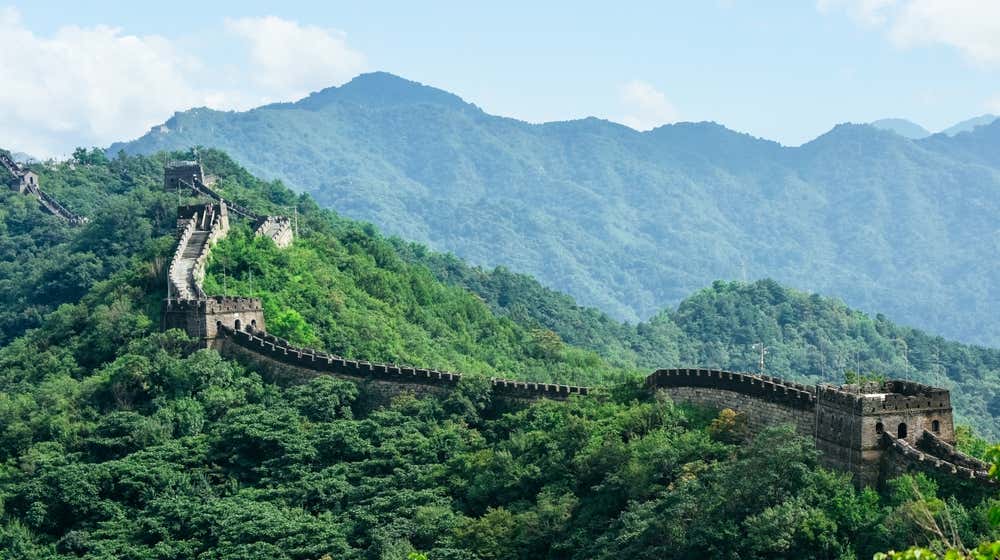
You can’t talk about famous places in China without starting here. Built and rebuilt over more than 2,000 years to defend the northern frontier, the wall runs for over 13,000 miles (21,000 kilometers) of surveyed length across ridgelines and valleys. Several well-preserved stretches sit within a few hours of Beijing. Mutianyu tends to be the pick for most visitors, thanks to its restored watchtowers, long views down the valley, and noticeably thinner crowds than Badaling.
If you’d rather have transport, entry, and timing handled for you, the Great Wall of China Mutianyu day trip from Beijing covers the whole day, including access to the Mutianyu complex.
2. The Forbidden City, Beijing
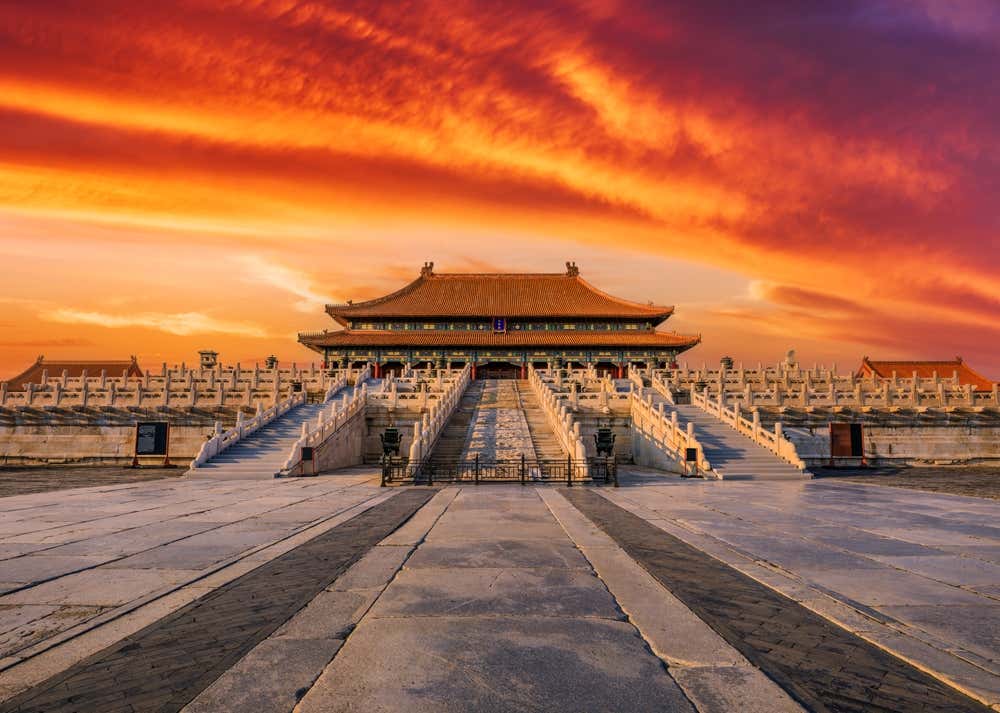
The Forbidden City was the seat of Chinese imperial power for more than 500 years, home to the Ming and Qing emperors until 1911. It’s an enormous complex of nearly a thousand buildings and courtyards that ordinary people were barred from entering, which is where the name comes from. Walking through the halls is the most direct way to understand how hierarchy and symbolism shaped imperial China. Every color, roofline and stone figure carried a specific meaning.
To catch the detail rather than just the scale, the Forbidden City guided tour walks you through the history behind Beijing’s most recognizable landmark.
3. The Terracotta Army, Xi’an
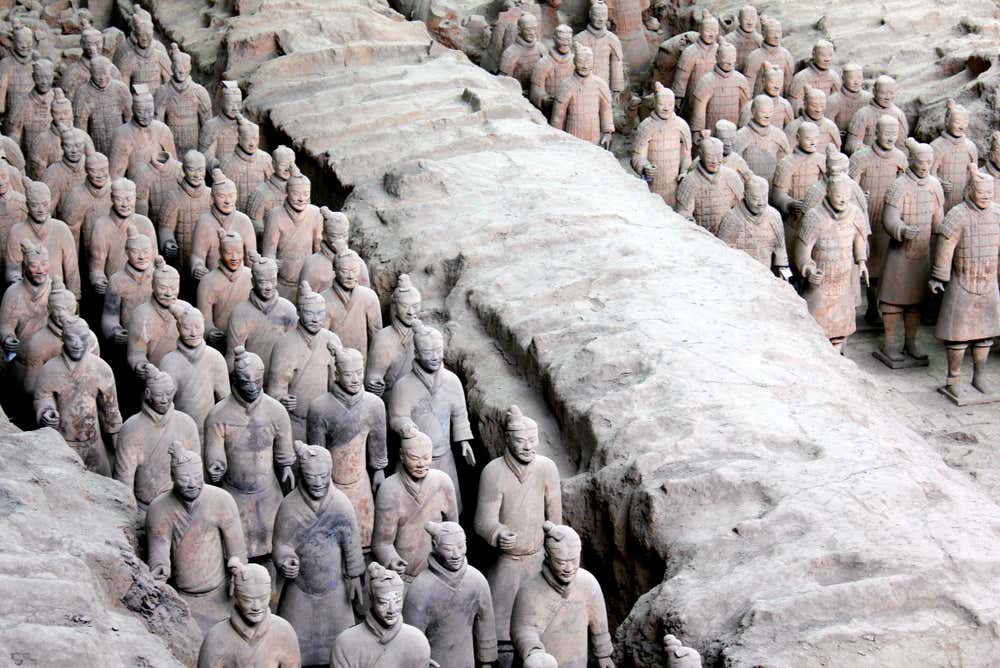
In 1974, farmers digging a well stumbled into one of the great archaeological finds of the century: thousands of life-size clay soldiers, buried for more than two millennia to guard China’s first emperor in the afterlife. Often called the eighth wonder of the world, the site holds over 7,000 figures, and the detail is what stays with you. No two faces are alike. Armor, hairstyles and expressions vary from one warrior to the next.
The Terracotta Army day trip from Xi’an includes transport, entry and the full background on how the site was built and uncovered.
4. The Summer Palace, Beijing
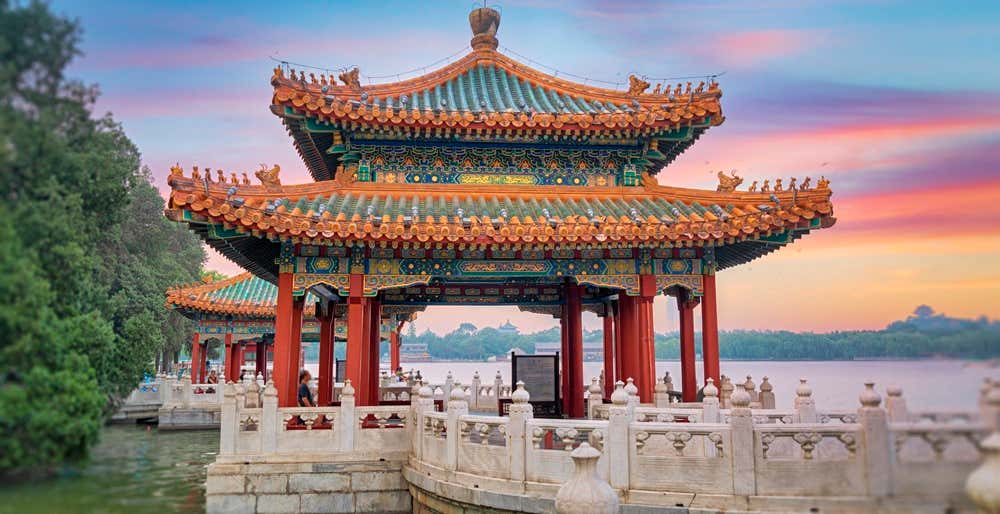
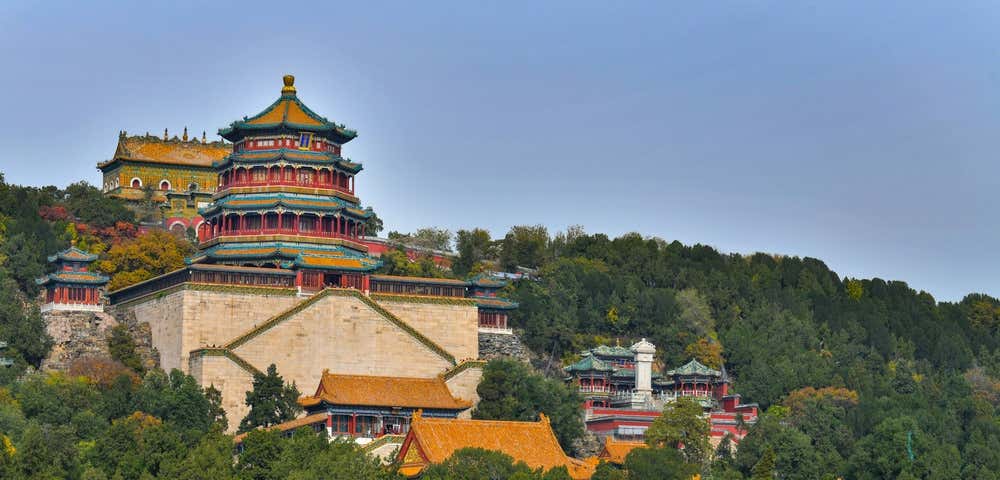
Spread along the shore of Kunming Lake, the Summer Palace was where the imperial family escaped Beijing’s summer heat. It’s one of the best-preserved imperial gardens anywhere, with painted pavilions, stone bridges and the Long Corridor, a covered walkway running more than 2,300 feet (700 meters) beside the water. If you have the time, rent a boat and take the lake slowly, which is more or less what the emperors did. The complex opens daily except Mondays, though hours shift with the season, so it’s worth checking before you go.
You can book Summer Palace tickets and explore at your own pace, or take the Temple of Heaven, Lama Temple and Summer Palace tour if you’d rather cover three of Beijing’s sacred sites in one guided day.
5. The Bund, Shanghai
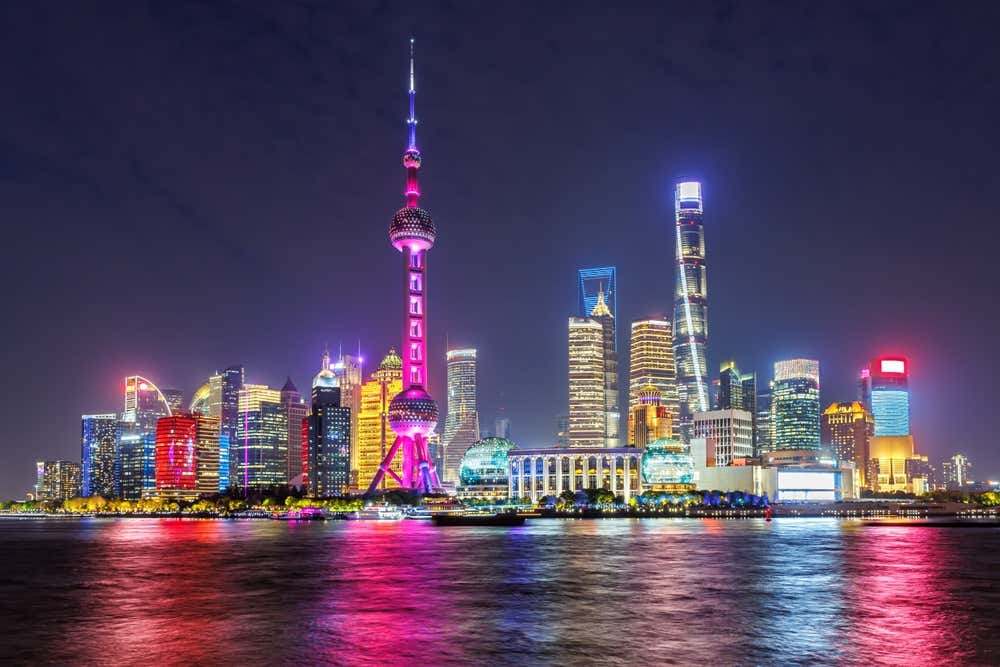
If imperial China lives in Beijing, the China of the future is in Shanghai, and the Bund is where you feel the contrast most sharply. This riverside strip along the Huangpu lines up grand colonial-era buildings on one bank and the lit-up towers of Pudong on the other. It’s at its best after dark, when the skyline doubles in the water. The historic Peace Hotel sits along here too, and was the center of Shanghai nightlife through the 1920s and 1930s.
For the stories behind those facades, the Shanghai night cruise and Bund walking tour pairs an evening sail on the Huangpu with a guided walk through the district.
6. The Li River, Between Guilin and Yangshuo
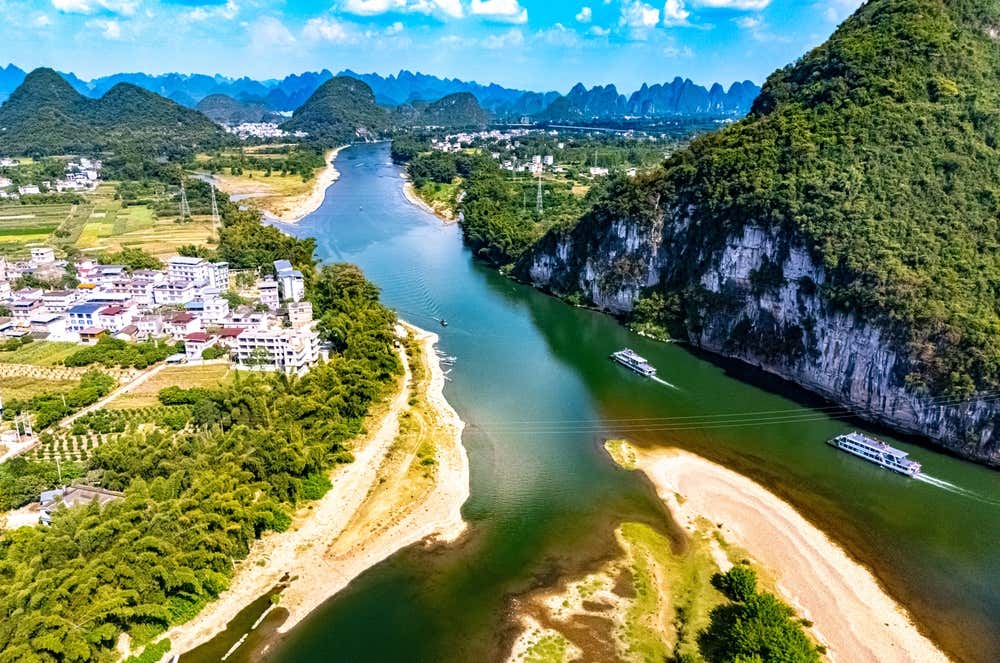
The karst peaks framing the Li River are among the most painted landscapes in Chinese art, and you don’t need to know anything about ink painting to fall for them. A cruise downstream from Guilin to Yangshuo takes you past limestone towers draped in green, small riverside villages and water buffalo grazing at the edge of the water. The whole thing looks staged, and it isn’t.
The Li River cruise from Guilin to Yangshuo runs around four and a half hours with a Chinese meal served on board. If you want to stretch it into a full day, the Yangshuo cruise with the Impression Liu Sanjie show adds an outdoor light performance staged on the river itself.
7. The Longji Rice Terraces, Near Guilin
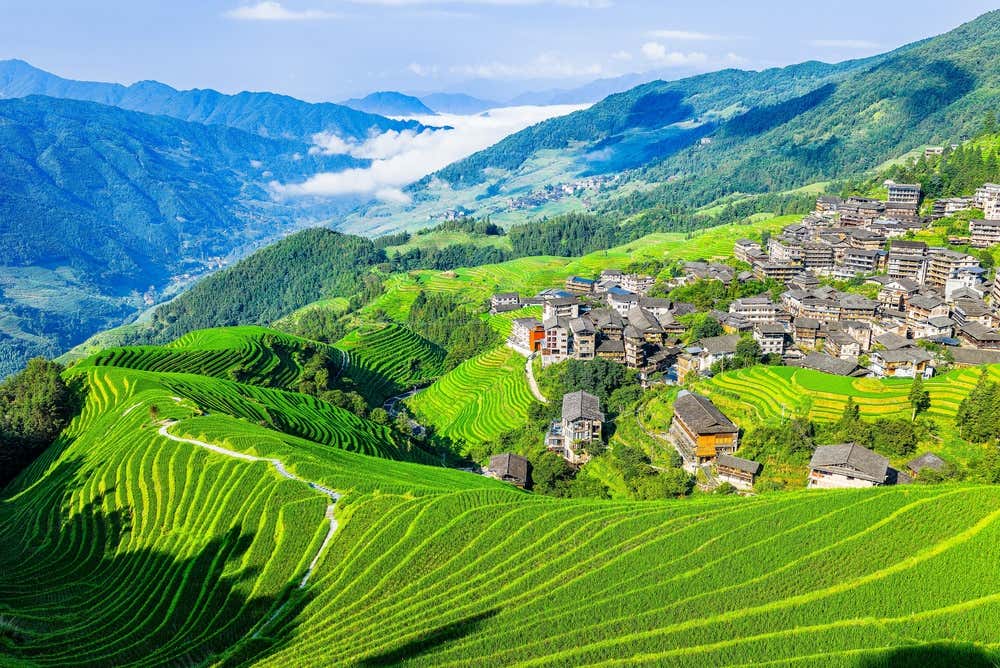
A few hours from Guilin, the Longji rice terraces cut hypnotic curves into the hillsides, carved by local communities over more than 650 years. The look changes completely with the season: deep green through spring and summer, gold at harvest, and mirror-flat sheets of water reflecting the sky just after planting. This is the rural China that the big-city circuit skips entirely, and the villages up here are worth the drive on their own.
The Longji rice terraces and villages day trip covers transport from Guilin and entry to the villages. For a smaller group and a flexible pace, the private rice terraces tour heads into the same Longsheng region with a guide to yourself.
8. Victoria Peak, Hong Kong
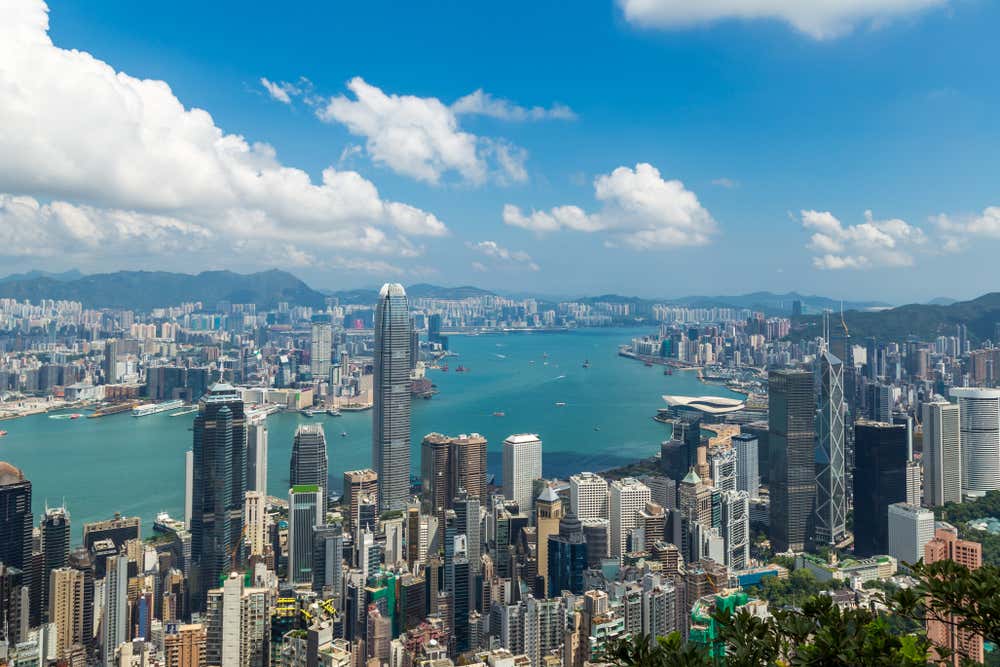
Hong Kong has one of the most dramatic urban skylines in Asia, and the place to take it in is Victoria Peak. The historic Peak Tram climbs to the highest point on Hong Kong Island, where you get a 360-degree sweep over the towers, Victoria Harbour and the outlying islands. It’s a short visit compared to everything else on this list, and it’s still the one thing most people remember. Go on a clear day if you can, and consider staying until the lights come on.
To fold the Peak into a wider look at the island, the Hong Kong Island tour takes in Aberdeen Harbour and the skyline view from the top. You can also browse the full range of entrance tickets in Hong Kong if you’d rather go up independently.
9. The Giant Panda Base, Chengdu
If one animal stands in for China worldwide, it’s the giant panda, and Chengdu is where you see them properly. The city is home to the largest panda breeding and research base on the planet, built around conservation of the species. You can watch cubs tumbling over each other in the nursery and adults working through piles of bamboo from a few feet away. Two hours goes quickly here, whatever your age.
The tour of Chengdu and the panda base pairs time in the reserve with People’s Park and the old Wide and Narrow Alley district. To combine the pandas with a UNESCO site, the Leshan Giant Buddha and panda base day trip covers both in a single day.

10. West Lake, Hangzhou
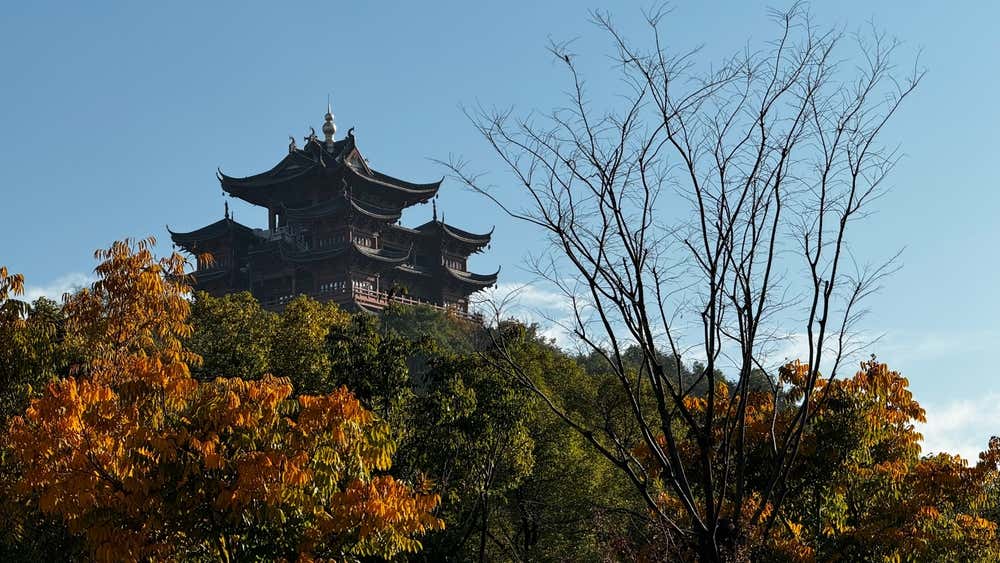
About two hours from Shanghai, Hangzhou has been called paradise on earth in China for centuries, and West Lake is most of the reason why. A UNESCO World Heritage site, its shoreline is stitched with pagodas, stone bridges and gardens that poets have been writing about since the Song dynasty. A boat across the water is the right way to take it in. Pair it with Lingyin Temple, one of the most significant Buddhist sites in the country, and you have a full and unhurried day.
The Lingyin Temple and West Lake tour covers both in one outing, including a boat ride on the lake and a stop at the Red Carp Pond Garden.
Frequently Asked Questions About Visiting China
Do You Need a Visa to Visit China?
Entry rules for mainland China have changed several times in recent years, and visa-free and transit arrangements vary by nationality and by where you fly in. Confirm the current requirements with the Chinese embassy or consulate for your country well before you book, since applications can take time. Hong Kong is handled separately, and US citizens can generally visit for tourism for up to 90 days without a visa, again worth confirming with the relevant authorities.
When Is the Best Time to Visit China?
Spring, from March to May, and fall, from September to November, are the most comfortable stretches, with mild temperatures and less rain. Summers get hot and humid across much of the country, and winters are cold in the north. Guilin is a slight exception, at its greenest from April to October.
How Many Days Do You Need?
China is big enough that it’s easier to think in blocks. Beijing and the Great Wall usually want three or four days, Xi’an works in one or two, and Shanghai, Guilin, Hong Kong, Chengdu and Hangzhou slot together well by high-speed rail and short flights. A trip of 12 to 15 days covers most of this list without rushing.
Is It Hard to Get Around Without Speaking Chinese?
It can be, particularly outside the largest cities, where English signage thins out fast. Payment is the other wrinkle, since day-to-day spending runs almost entirely through mobile apps. Booking guided tours in English, like the ones linked above, takes most of that friction out of the days when you’re covering a lot of ground.
China at a Glance
Planning Your First Trip to China
Ten places is a lot of ground, and nobody covers it in one go. The useful thing about this list is that it splits cleanly: a few days of imperial history in the north, a stretch of river and terraces in the south, and a coastal run through Shanghai, Hangzhou and Hong Kong. Pick the half that pulls at you and leave the rest for a second trip.
When you’re ready to start pinning down days, browse the full range of tours and activities across China, or look further afield at the best activities in English all over the world.


Most read of #More of Asia
What is a Free Tour & How Much do They Cost?
16 October 202615 Bucket List Travel Experiences to Gift in 2026
14 October 2026What to Do in Athens: 11 ‘Musts’ in the Greek Capital
13 October 2026Top 11: What to Do in Belize in 2026
12 October 202611 Unmissable Day Trips from Rome (& How to Get There)
11 October 2026Top 12: What are the Best Things To Do in NYC With Kids? (2026)
10 October 2026Most read #United States

Iconic Food in Chicago: 17 Dishes You Have to Try
30 September 2026Best Time to Visit Hawaii: A Season-by-Season Guide
29 September 2026
NBA Game Tickets in New York: A Complete Guide
3 June 2026Top Fun Facts About New York
3 June 2026
The Ultimate 3-Day Boston Itinerary for First-Time Travelers
14 January 2026Top 11: Best Day Trips from Miami (2026)
10 January 2026The 12 Best Day Trips from Los Angeles (+ Travel Time)
22 November 2025Top 11: Things to Do in Las Vegas Besides Gambling
14 February 2025Top 10: Things to Do in Washington, DC
22 November 2024