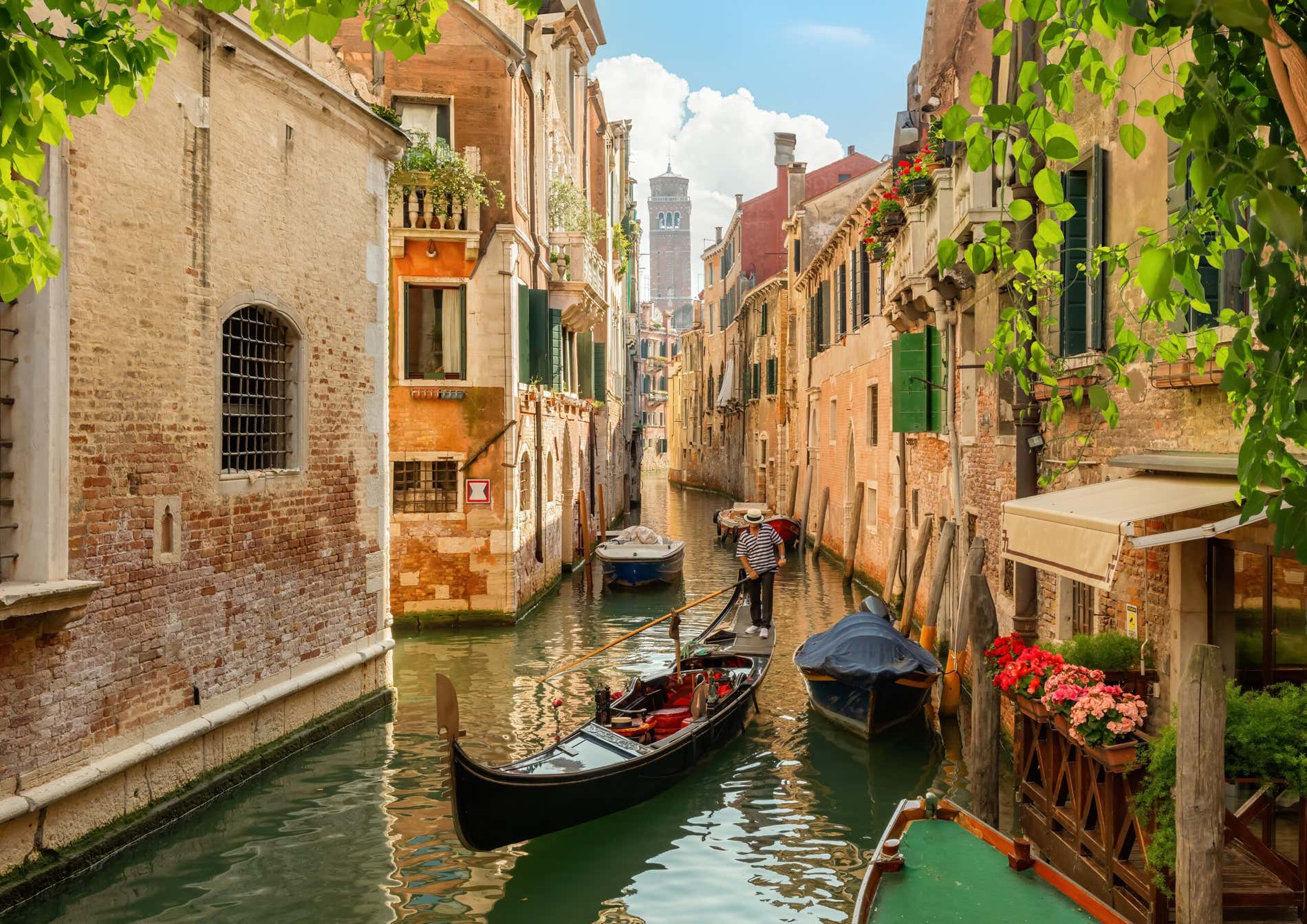
Traditional Italian Dishes: One From Each of the 20 Regions
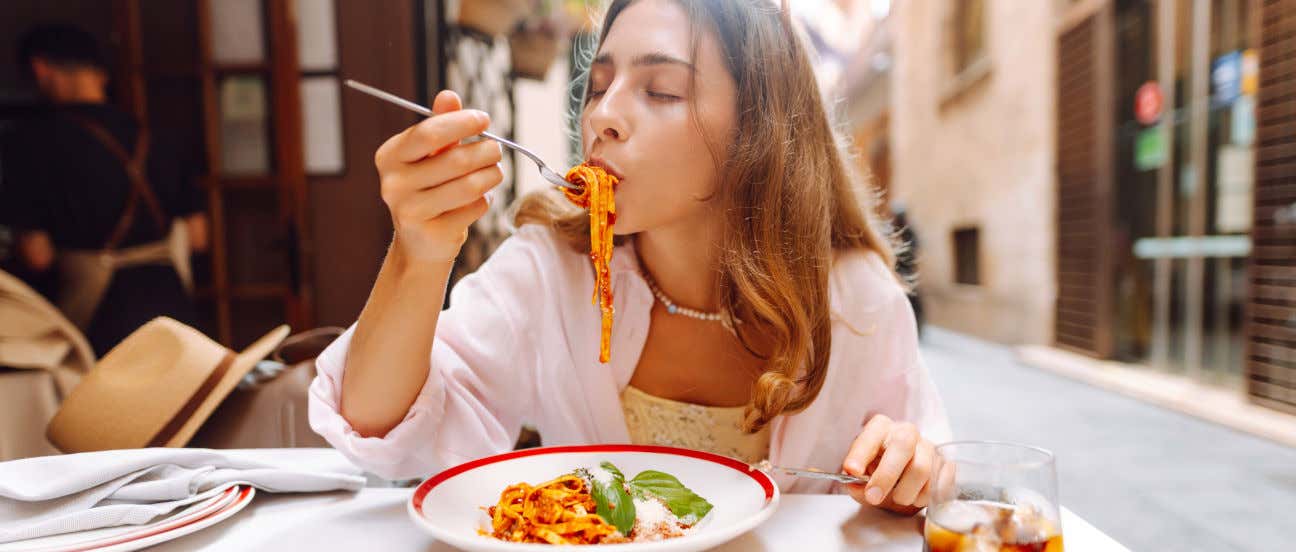

Talking about Italian food as though it were one cuisine is, in truth, fairly inaccurate. Italy was divided into 20 regions relatively recently in historical terms, and each area has its own recipes, inherited from its history and shaped by what its land, its sea, or its livestock provided. All of that long predates a unified country.
So what is the typical food of Italy? Pasta and pizza are the most famous Italian dishes, but there are hundreds of ways to prepare them and plenty of equally good recipes beyond those two. There’s no single national dish, just distinct traditions in every region. What follows is one representative dish from each of the 20, from Roman carbonara to Friulian frico.
A Guide to Traditional Italian Food
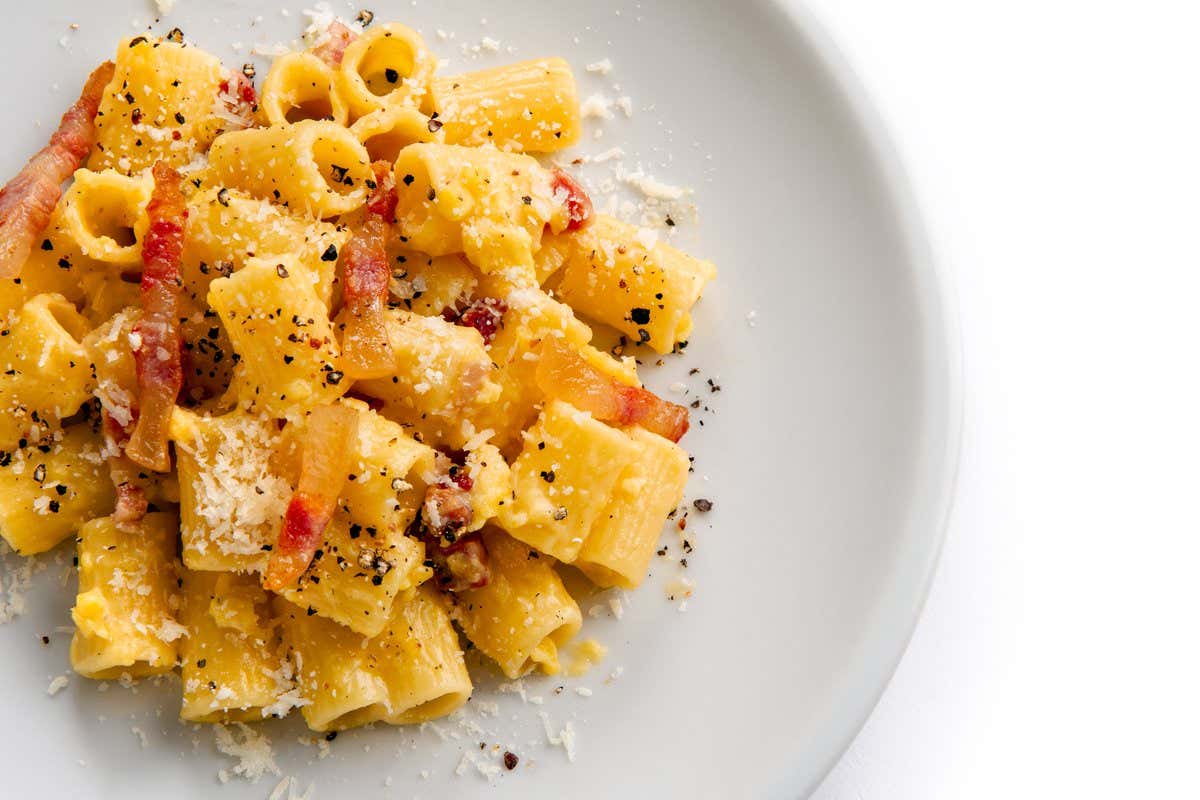
1. Carbonara, Lazio
Carbonara is probably the most exported Roman dish in the world, and also one of the most misunderstood outside Italy. The original carbonara recipe contains no cream, only egg, guanciale, pecorino romano, and black pepper. Its creamy texture comes purely from the emulsion of egg and the fat from the guanciale, with no dairy added.
You can try it in any trattoria in central Rome, or book the Trastevere food tour to find it alongside other Roman specialties like supplì, the fried rice balls you won’t find elsewhere in Italy.
2. Neapolitan Pizza, Campania
Born in Naples in the 18th century, Neapolitan pizza is recognized by UNESCO as Intangible Cultural Heritage. What earned it that status is the technique of its master pizzaiuoli, who stretch the dough by hand and bake it in 60 to 90 seconds in a wood-fired oven running at close to 900°F (480°C). Marinara and margherita remain the versions closest to the original recipe.
The best way to understand it is to make one. The Naples pizza making class takes you into a historic pizzeria to learn the dough, the stretch, and the bake, and you eat what you make. There’s a wider range of food and wine experiences in Naples too, from tiramisu workshops to Campania wine tastings.
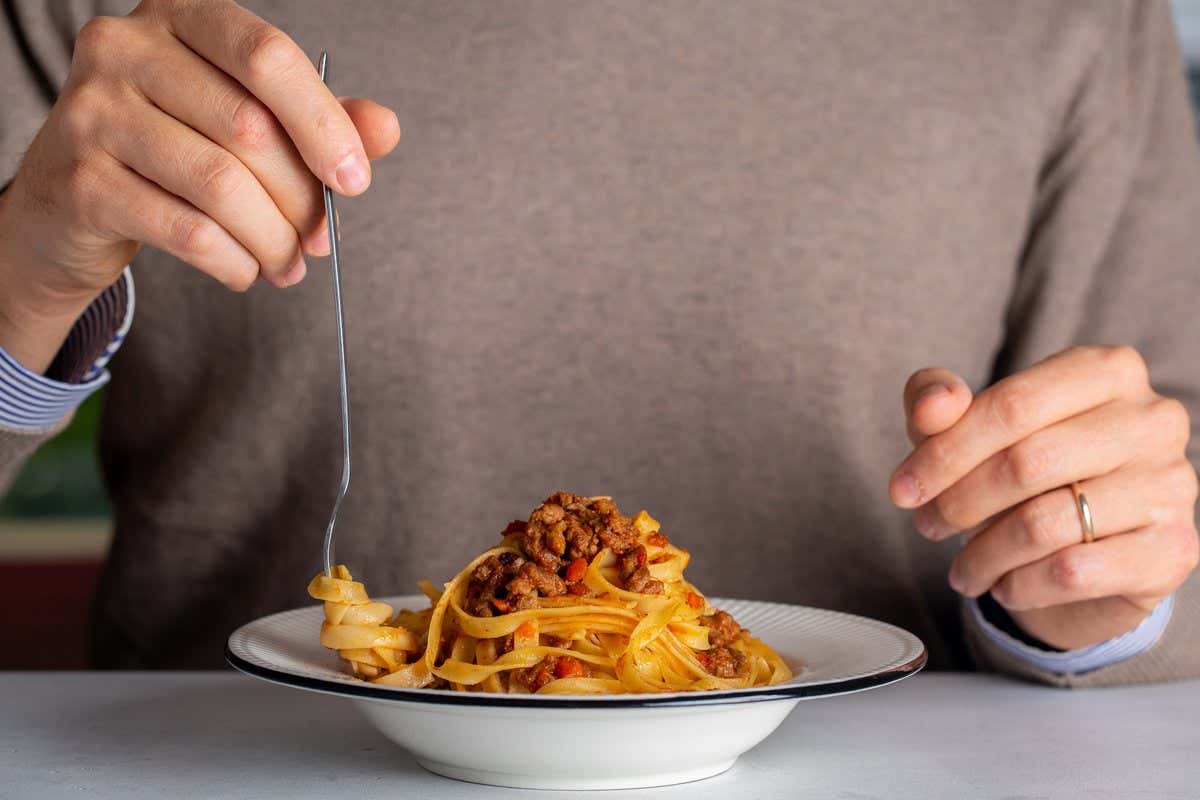
3. Tagliatelle al Ragù and Tortellini, Emilia-Romagna
Considered by many the gastronomic capital of Italy, Bologna gives its name to the bolognese sauce that is actually called ragù, and that gets served with tagliatelle, never spaghetti, as its residents will firmly tell you. Tortellini, small meat-filled pasta, and parmigiano reggiano complete the region’s holy trinity.
The Quadrilatero market in the old town is the place to taste your way through all three. The Bologna food tour walks you round the stalls and the city’s landmarks at the same time, and there’s a combo ticket pairing the Archiginnasio with a tasting at the market if you’d rather build your own morning.
4. Bistecca alla Fiorentina, Tuscany
This thick bone-in steak, cut from Chianina cattle, is grilled over wood embers and served always rare, close to bloody inside. Tradition says not to season it until after grilling, with a little salt and Tuscan olive oil, so nothing masks the flavor of the meat.
It’s usually shared between several people, since it typically weighs over 2 pounds (1 kilogram), and it’s served with a good Chianti from the region. Florence makes the obvious base, and its cooking class and Bologna day trip pairs Tuscan technique with a run up to Emilia-Romagna.
5. Tiramisù, Veneto
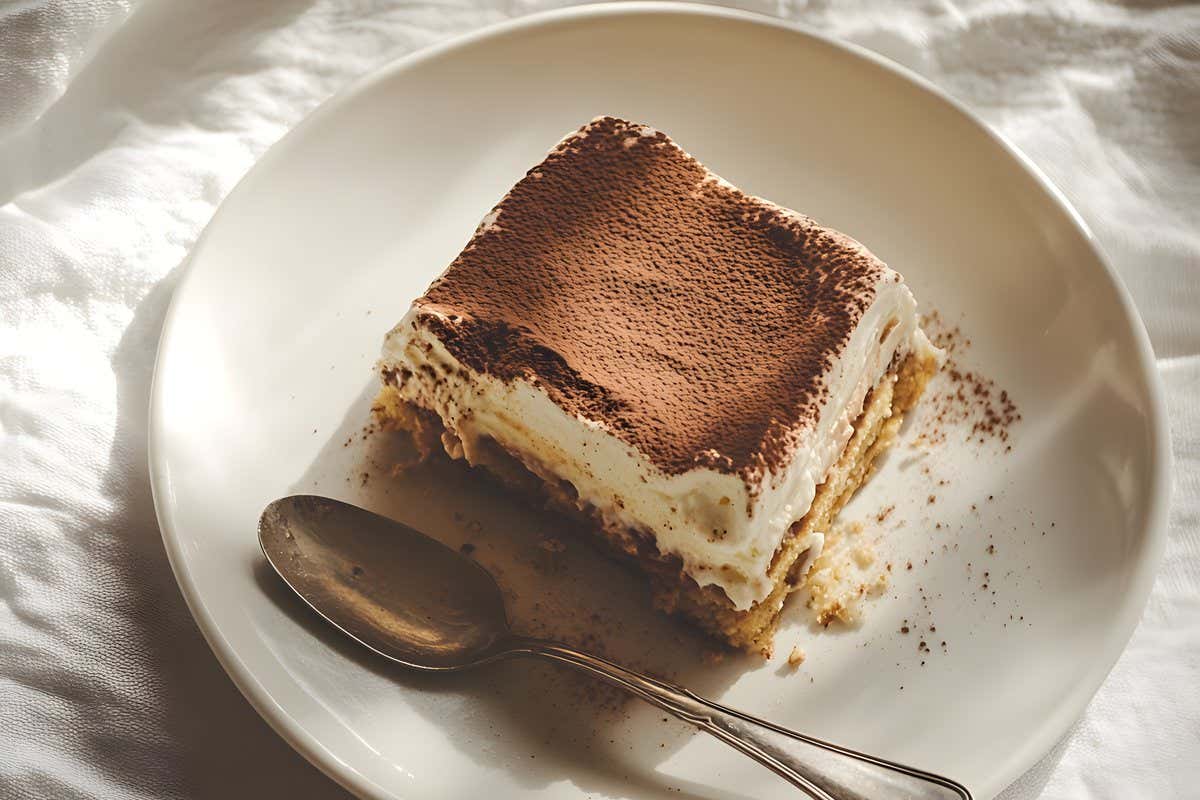
Italy’s most international dessert was born, according to the most widely accepted account, in Treviso around the 1960s or 1970s, far later than its reputation as a classic suggests. Its name means literally pick me up, a reference to the jolt of energy from coffee combined with cocoa.
The traditional recipe combines ladyfinger biscuits soaked in coffee, mascarpone cream, and cocoa powder, with no oven or cooking involved at any stage.
6. Risotto alla Milanese, Lombardy
Saffron, introduced to Lombardy in the Middle Ages, is the ingredient that gives Milanese risotto its distinctive golden color. It’s made with arborio or carnaroli rice, butter, and parmigiano reggiano, and usually served alongside ossobuco, a braised veal shank on the bone.
The most repeated legend about its origin goes back to the 16th century. As the story goes, an apprentice glassmaker added saffron to the rice at a wedding as a joke, and the result went down so well that it stuck.
7. Vitello Tonnato, Piedmont
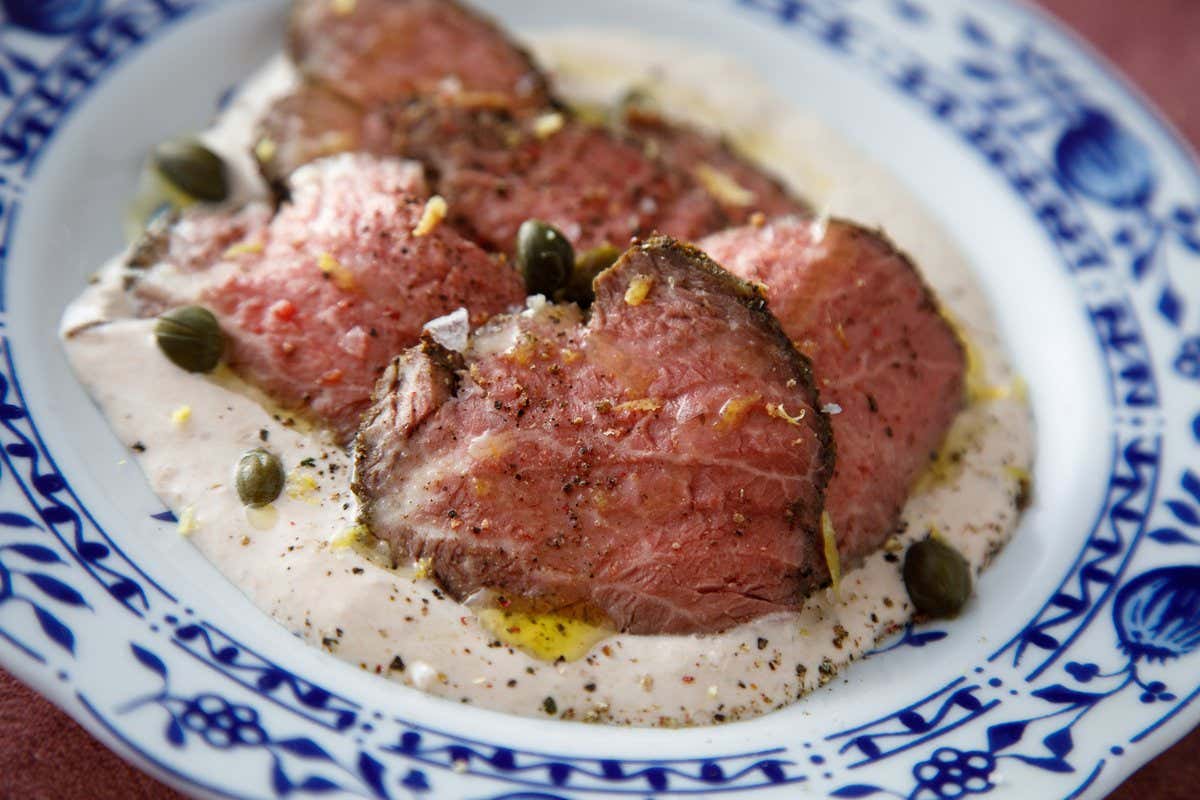
This cold dish of poached veal, sliced thin and covered with a creamy sauce of tuna, capers, and mayonnaise, is a classic of Piedmontese aperitivi, especially at Christmas and family celebrations. Its origins go back to the 18th century, when tinned tuna began to catch on in northern Italy.
It’s always served cold as a starter, and it pairs well with a Barbera or a Dolcetto, two of the region’s most representative reds.
8. Pesto alla Genovese, Liguria
This sauce of basil, pine nuts, garlic, olive oil, and parmigiano and pecorino cheese was born in Genoa. It owes its intense green color to a specific variety, basilico genovese DOP, which only develops its characteristic aroma when grown in this coastal region.
Traditionally it’s pounded by hand in a marble mortar with a wooden pestle, though most restaurants now use a blender. It’s nearly always served with trofie or trenette, two pasta shapes typical of the area.
9. Arancini, Sicily
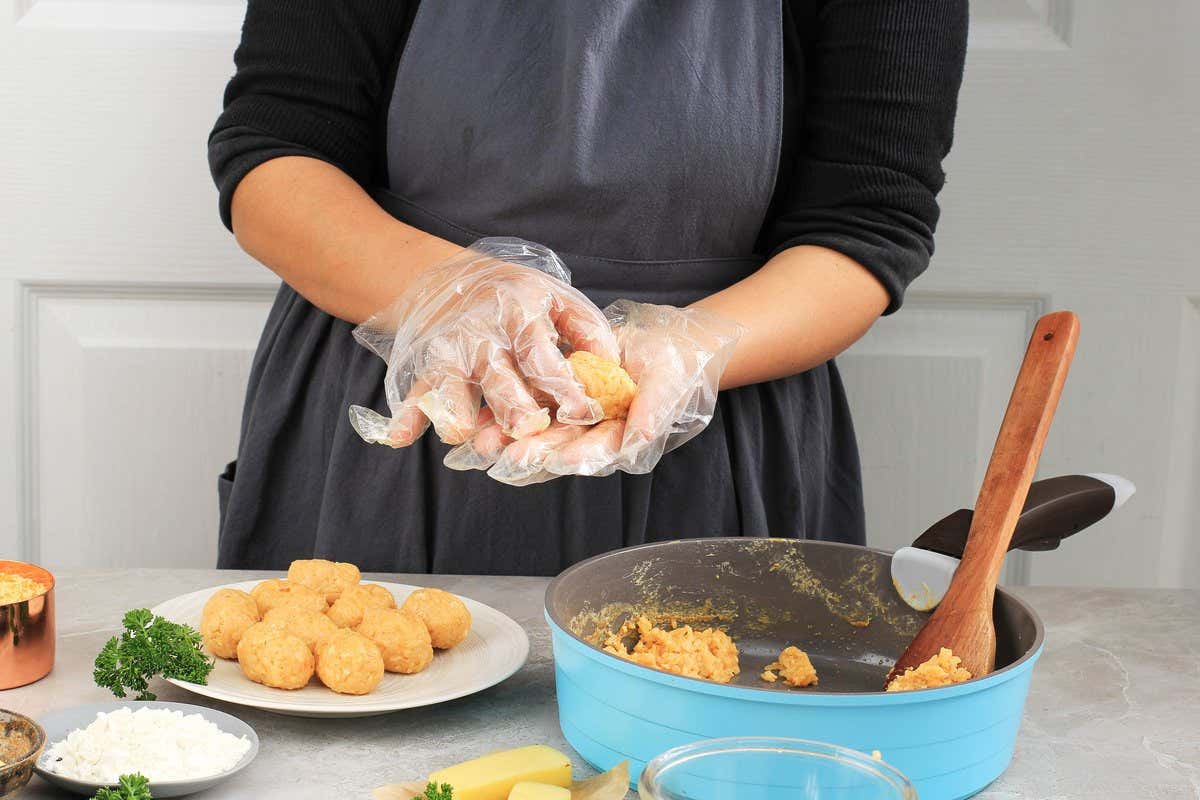
Arancini are breaded, fried rice balls filled with ragù, mozzarella, or peas. They probably emerged during the Arab rule of Sicily, between the 9th and 11th centuries, when rice cultivation was introduced to the island. Their conical or round shape varies depending on which part of Sicily you’re in.
They’re the definitive street food of the island, and you’ll find them in any Sicilian rosticceria at any hour of the day.
10. Orecchiette alle Cime di Rapa, Puglia
This little ear-shaped pasta, typical of the region, is traditionally served with turnip tops, garlic, anchovies, and spicy olive oil, a combination that sums up Pugliese cooking well: simple but full of flavor. It’s been made by hand for generations, with no egg in the dough.
You’ll commonly see it drying in the sun on the streets of Bari Vecchia, where several women still make it by hand to sell directly to their neighbors. On the Bari pasta experience a local expert teaches you to shape orecchiette in her own home, and the Bari food tour covers the street food side, from panzerotti to scagliozze.
11. Culurgiones, Sardinia
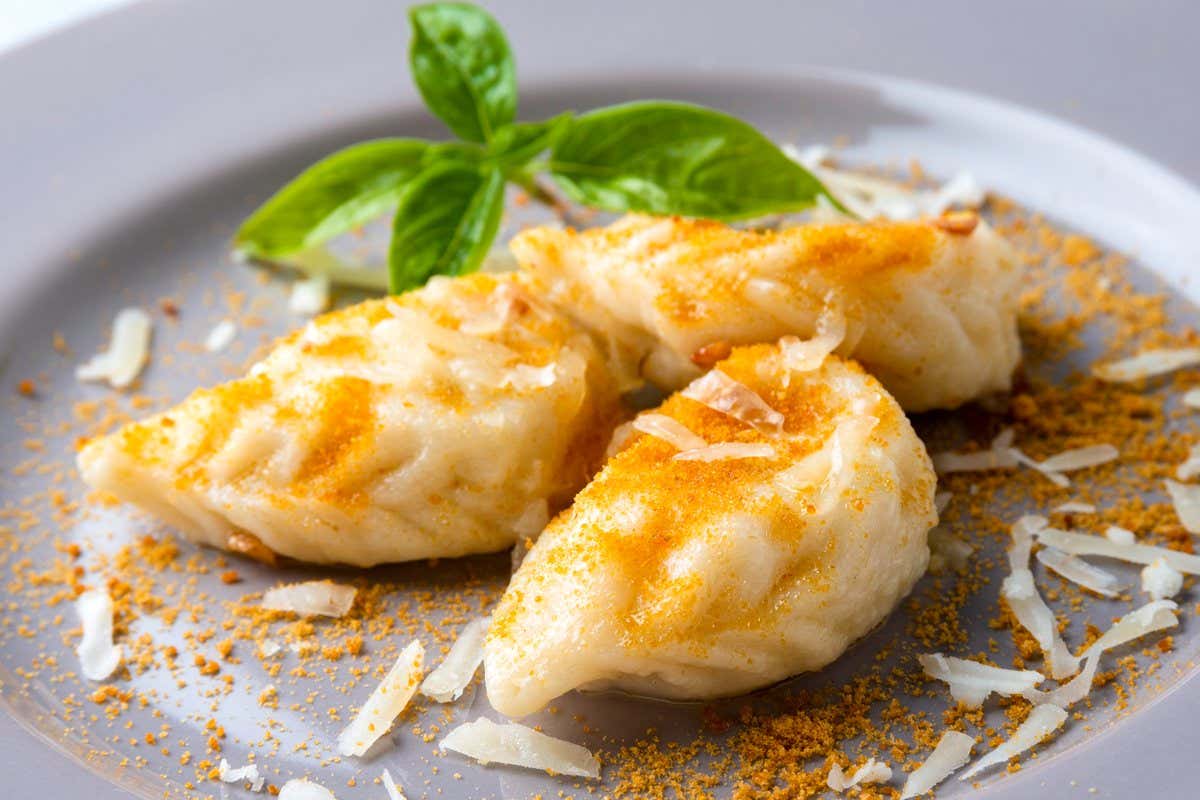
These ravioli filled with potato, pecorino cheese, and mint, sealed by hand with a distinctive braided pleat, are one of the hallmarks of Sardinian cooking. They’re served with tomato sauce and more grated pecorino over the top.
Porceddu, suckling pig roasted slowly over myrtle embers, is the island’s other great dish, traditionally reserved for special occasions and family celebrations.
12. ‘Nduja, Calabria
This spreadable cured sausage, made from fatty cuts of pork and a generous quantity of Calabrian chili, is as hot as it is versatile. You can spread it on bread, use it to season pasta, or add it to a pizza. Its origins lie around Spilinga, in the province of Vibo Valentia.
It’s one of the Calabrian products that has traveled furthest in recent years, turning up on menus worldwide well beyond its regional borders.
13. Arrosticini, Abruzzo
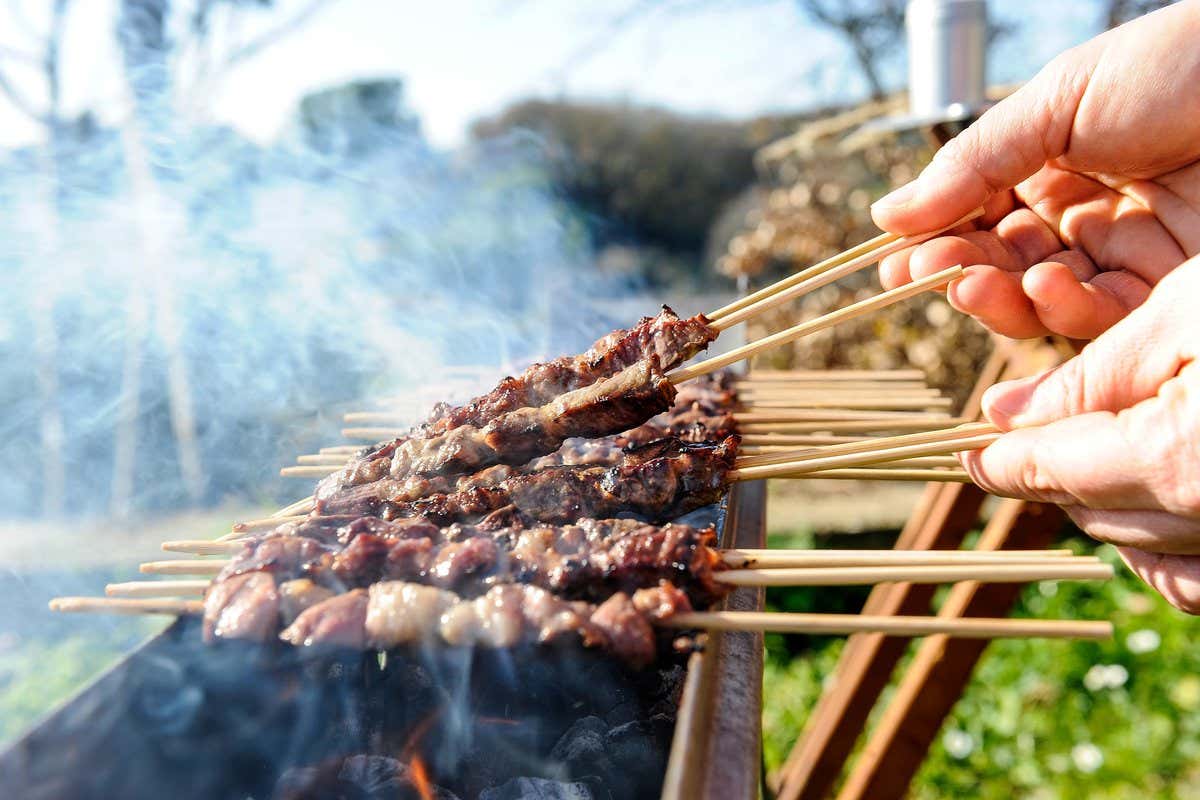
These skewers of lamb or mutton, cut into small pieces and grilled over coals on a narrow grill built specifically for them, are the social food of Abruzzo, inherited from the shepherding tradition of its mountains. They’re eaten straight off the skewer, with barely any seasoning beyond a little salt.
You’ll find them at local festivals and outdoor celebrations, usually alongside a glass of Montepulciano d’Abruzzo red.
14. Truffles and Norcineria, Umbria
Umbria is one of Italy’s main truffle-producing areas, both black and white, and they turn up in pasta, egg, and meat dishes across the region. The town of Norcia also gives its name to norcineria, the tradition of pork curing so established that in Italian “norcino” is a synonym for butcher.
Umbricelli, a thick pasta made from just flour and water, are typically served with black truffle sauce, one of the region’s most representative pairings.
15. Vincisgrassi, Marche
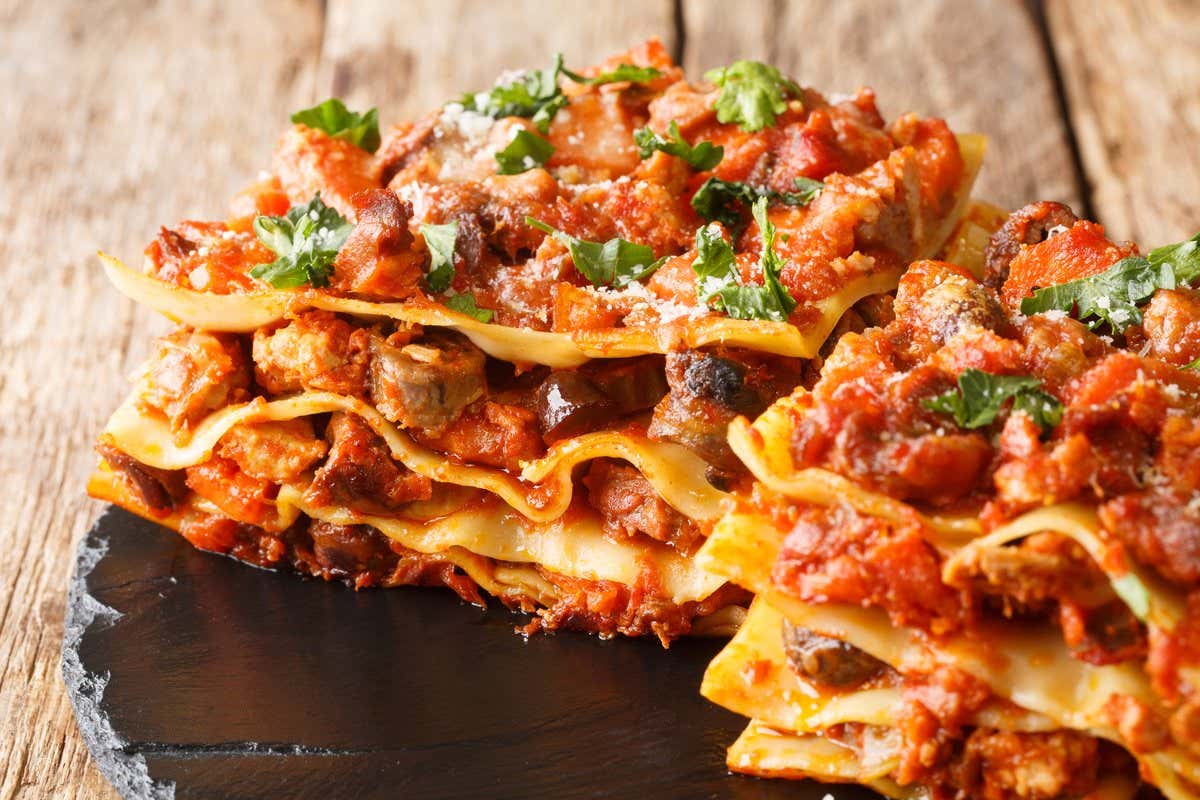
This variation on lasagne, with layers of pasta, meat ragù (traditionally offal and giblets), and béchamel, is the festive dish of Marche, above all during Carnival. Its name may derive from an 18th-century Austrian general, though the exact origin is still debated among food historians.
Brodetto, a mixed fish stew typical of the region’s Adriatic coast, is Marche’s other great specialty, with slightly different recipes in each coastal town.
16. Canederli, Trentino-Alto Adige
Canederli are large dumplings of stale bread, egg, milk, and sometimes speck, a smoked ham typical of the region. They reflect the Austrian influence on this Alpine corner of northern Italy. They’re served in meat broth or with melted butter and cheese, depending on each valley’s tradition.
Speck, cured with a particular spice blend and lightly smoked, is another of the region’s great products, with its own protected designation of origin.
17. Frico, Friuli-Venezia Giulia
Born as a way of using up leftover cheese rind, frico combines melted cheese and potato into a kind of cake, crisp outside and creamy within. There are two versions, one thicker and softer, the other thin and crisp, almost like a cheese wafer.
It’s a humble dish by origin, typical of rural Friuli, that has become an undisputed fixture on the menu of any osteria in the region.
18. Cavatelli and Maccheroni alla Chitarra, Molise
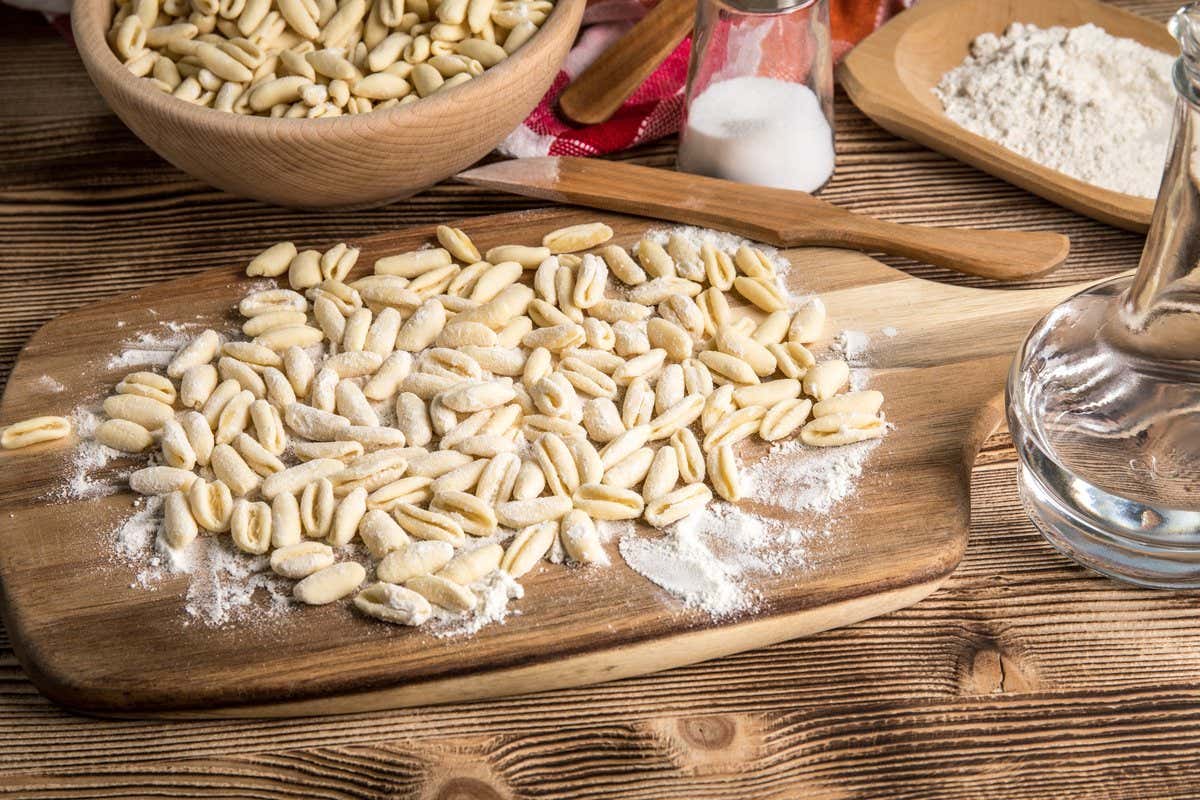
Molise is one of the Italian regions least known outside the country. On the food side it stands out for cavatelli and maccheroni alla chitarra, named because the pasta is cut on a stringed tool resembling a guitar. These are its two most representative pasta shapes, usually served with lamb or tomato ragù, pancetta, and pecorino.
Its cooking has barely been altered by mass tourism, which makes it one of the most authentic and least adapted in the whole country.
19. Peperoni Cruschi, Basilicata
Peperoni cruschi are peppers dried in the sun and then briefly fried until they turn as crisp as a potato chip. They’re one of the most characteristic products of this southern region, particularly the variety known as peperone di Senise. They’re used as a side or crumbled over pasta and other dishes.
Pancotto, a humble dish of stale bread, vegetables, and sometimes egg or cheese, is another classic of Lucanian cooking, originally designed to waste nothing in the pantry.
20. Fontina and Zuppa alla Valpellinentze, Aosta Valley
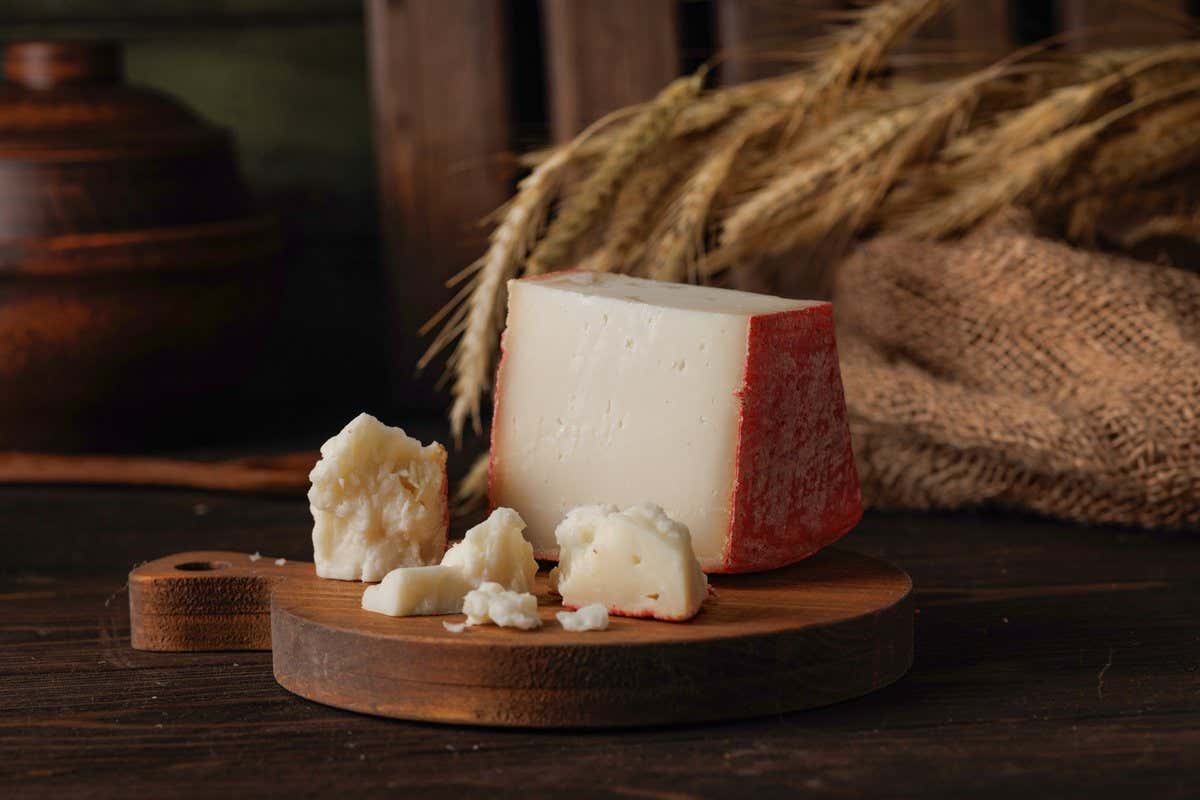
Fontina, a rich cow’s milk cheese with protected designation of origin, is the base of much of this small Alpine region’s cooking. It appears in the local fondue and in zuppa alla valpellinentze, a soup of dark bread, cabbage, and meat broth gratinated with plenty of melted fontina.
This is mountain cooking, rich and built for the cold, with a strong French influence given that French remains a co-official language in the region.
Frequently Asked Questions About Italian Food
What Is the Most Famous Italian Food?
Pizza and pasta are without question the best known exports of Italian cooking worldwide, though each has dozens of distinct regional variations, from Neapolitan pizza to the Roman version.
What Is the Most Famous Italian Pasta Called?
Spaghetti and tagliatelle are among the most international shapes, while others like orecchiette or canederli stay far more local and are little known outside their home regions. There’s no single most famous format, since it depends on the region and the recipe.
What Do You Eat in Traditional Italian Restaurants?
A traditional Italian menu is usually divided into antipasto (starter), primo (pasta, risotto, or soup), secondo (meat or fish, with a vegetable contorno), and dolce (dessert). You don’t have to order every course, and plenty of Italians stick to one or two depending on the occasion.
Twenty dishes, one per region, and it’s clear that reducing Italian food to pizza and spaghetti sells it badly short. Every corner of the country has its own pantry, its own history, and its own way of thinking about the table. Working through all of it could take a lifetime of trips.


Most read of #Italy
Top 14 Places to Visit in Italy in 2026
7 October 2026Best Beaches in Sicily: 10 Spots for Your Next Trip
2 October 2026The Best 9-Day Southern Italy Itinerary
8 June 2026Gondola Rides in Venice: Prices, Routes, & Best Tours
25 March 2026Most read #Italy
Best Beaches in Sicily: 10 Spots for Your Next Trip
2 October 2026The Best 9-Day Southern Italy Itinerary
8 June 2026