Lucha Libre in Mexico City: Where to Go and What to Expect

Two masked wrestlers are arguing with the referee, a grandmother three rows back is calling one of them something unrepeatable, and a vendor is working the aisle with a tray of micheladas. That’s a normal Tuesday at Arena México. Lucha libre has been running in Mexico City since 1933, and it remains one of the few things in the city that locals and visitors enjoy in exactly the same way, at full volume, together.
Most visitors watch lucha libre at Arena México in Colonia Doctores, which hosts CMLL shows on Tuesdays, Fridays and Sundays. Arena Coliseo, smaller and older, runs Saturdays in the historic center. Friday night is the biggest card of the week, and Sunday afternoon is the family show.
Lucha Libre in Mexico City 2026
Where to See Lucha Libre in Mexico City
Arena México
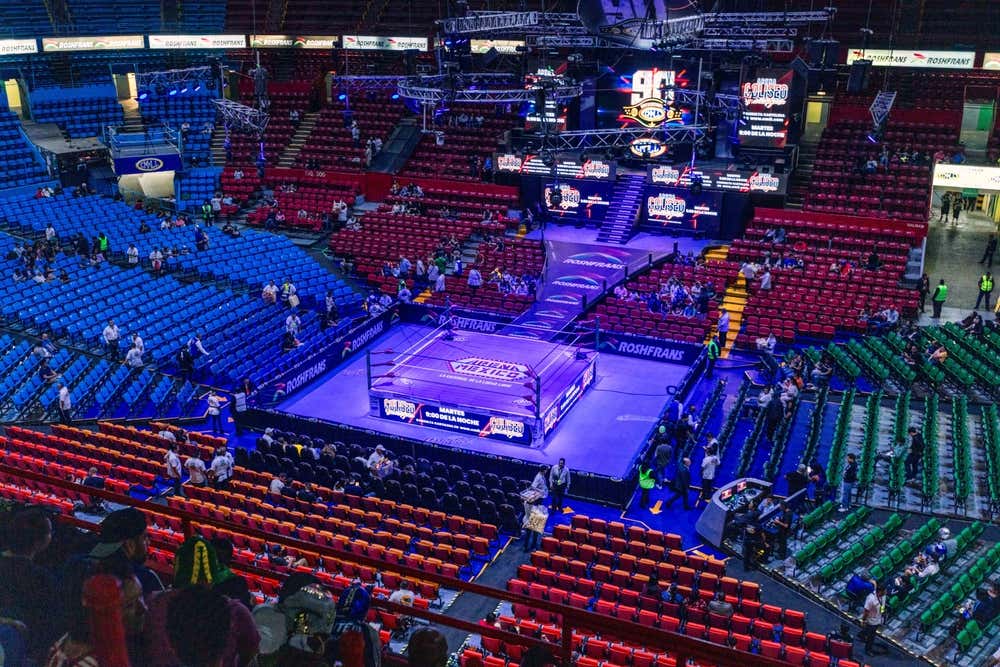
This is the one people mean when they say they’re going to the lucha. Built in 1956 and holding around 14,000 people, Arena México is the home of CMLL, the oldest wrestling promotion still running anywhere in the world, and it’s widely treated as the sport’s spiritual home. It sits in Colonia Doctores, a short ride south of the Roma and west of the historic center.
The scale is what surprises first-timers. From the upper tiers the ring looks small and the noise is enormous. Down at ringside you’re close enough to hear the canvas take the impact. If you want the night handled end to end, the Arena México lucha libre show with tacos and a michelada covers transport, tickets, and the food and drink that make the evening, and it also stops at a tequila and mezcal museum on the way.
Arena Coliseo
Arena Coliseo is the older, smaller venue in the historic center, and it’s the one to pick if the spectacle of Arena México sounds like too much. Capacity is a fraction of the size, the crowd skews more local, and every seat feels close to the action. CMLL runs Saturday-night cards here. Double-check which arena your ticket is for before you set off, because the two are easy to confuse and they’re a genuine distance apart.
What Is the Best Day for Lucha Libre?
Friday is the answer for most people. Viernes Espectacular, often called Super Viernes, is CMLL’s flagship card, the one where storylines pay off and the biggest names appear. It’s also the busiest and the priciest, so book ahead.
That said, the other nights each have a case. Tuesday is Martes Populares, a cheaper card with a rowdier, more local crowd and a lower barrier to a good seat. Sunday afternoon is Domingo Familiar, the family show, which is the right pick if you’re bringing kids or you’d rather not be out late. Saturday at Arena Coliseo is the intimate option. Schedules shift around anniversaries and special events, so confirm the date on the official listings before you commit.
Times are the regular CMLL pattern and are worth checking against the current listings, since anniversary shows and one-off events move things around.
Where to Sit at Arena México
Seating runs in rings out from the canvas. Ringside puts you close enough to catch sweat and the occasional wrestler landing in the aisle, which is either the whole point or the reason to sit further back. The middle tiers are the sweet spot for most first-timers: you can still read faces, you get the full sweep of the crowd, and you’re out of the splash zone.
The upper sections are the cheapest and, for atmosphere, arguably the best value in the building. That’s where the singing and the chants start. Whichever tier you pick, buy in advance rather than at the door. Tickets for the good rings go early, and the resellers working the street outside charge accordingly. Booked experiences like the lucha libre show with a meet-your-fighter experience take that decision off your hands entirely, and add a chance to meet a professional luchador after the card.
What a Lucha Libre Night Actually Looks Like
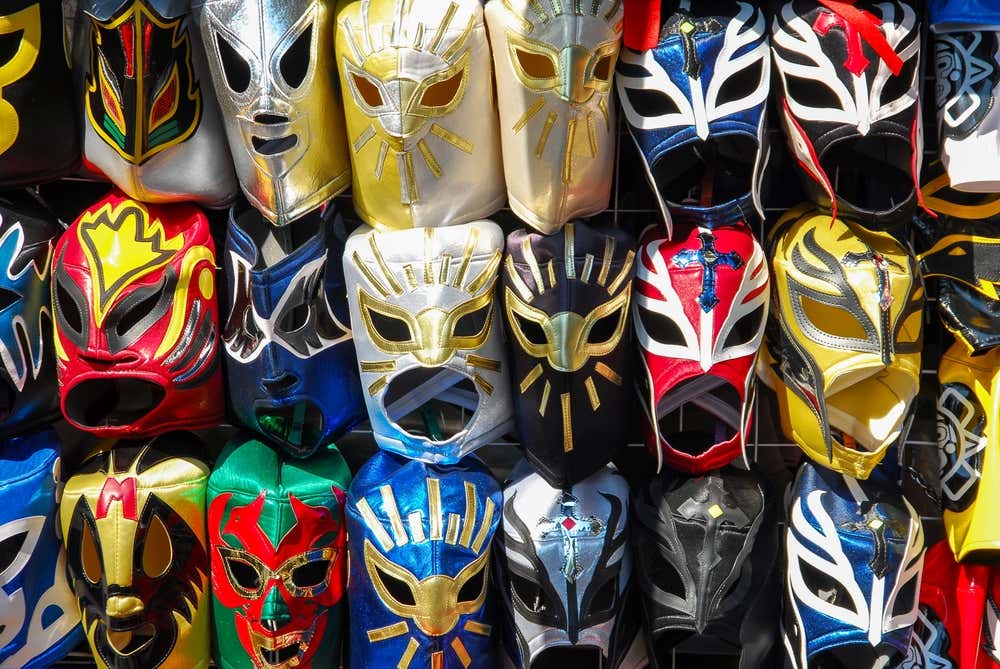
A card runs to several matches, building from the newer wrestlers to the main event, and most bouts are fought two falls out of three. The cast splits into rudos, the rule-breakers, and técnicos, the ones who fight clean. Picking a side within about ten minutes is more or less compulsory. The masks carry real weight here: a luchador’s identity is tied to it, and the highest-stakes matches are fought máscara contra máscara, where the loser unmasks in front of the arena and never wrestles masked again.
Vendors work the aisles throughout with beer, micheladas, tortas, peanuts and light-up toys, so you don’t need to eat beforehand or leave your seat. Bring small bills, since not every vendor takes cards. The crowd is loud, profane and extremely funny, and the heckling is half the show even if your Spanish is limited.
If you’d rather build the evening around food and drink, the cantina visit and wrestling show starts with a traditional cantina before heading to the arena. For more in this vein, the food and drink experiences in Mexico City cover markets, cantinas and mezcalerías across the city.
Lucha Libre in Puebla
Mexico City isn’t the only place to see a card, and Puebla is the strongest alternative within easy reach. Arena Puebla opened in 1953 and has hosted pioneers of the sport since, including Cavernario Galindo and El Verdugo. The building is smaller than Arena México and the crowd is more regional, which for a lot of people makes it the better first experience: less overwhelming, easier to follow, just as loud.
The lucha libre experience in Puebla includes your ticket and a guide who walks you in, and the VIP option adds antojitos poblanos, beer during the show and a luchador mask to take home. Starting from Cholula instead, the lucha libre show from Cholula builds a longer night around it, with street food in the Parián district and a glass of pulque at a local bar before the 9 PM bell.
Tips for Your First Show
Take a ride-hail or taxi to the door and back. Colonia Doctores is fine on a show night with thousands of people around, but the walk to the metro afterward isn’t the pleasant part of the evening, and cabs are cheap. Arrive around half an hour early to get settled and watch the arena fill, which is a show in itself.
Buy your mask from the stalls outside rather than inside, where the same thing costs noticeably more. Leave the professional camera at home, since large lenses are usually turned away at the door, though phones are fine. And don’t plan anything demanding for the morning after: a Friday card can run past 11 PM, and the energy takes a while to wear off.
Frequently Asked Questions
Is Lucha Libre Suitable for Kids?
Yes, and Mexican families treat it as a normal night out. Sunday’s Domingo Familiar at 5 PM is built for it, with an earlier finish and a gentler crowd. The language from the stands gets colorful on Friday nights, which is worth knowing if that matters to you.
Do You Need to Speak Spanish?
No. The story in the ring is told physically and it’s easy to follow. Knowing that rudos are the villains and técnicos are the heroes is genuinely all the vocabulary you need. Booking a guided experience adds context if you want the history behind what you’re watching.
Can You Drink at the Arena?
You can. Beer and micheladas are sold by vendors circulating through the stands all evening, along with snacks, so there’s no need to queue at a bar. Some booked experiences include a michelada or beer in the price.
How Long Does a Show Last?
Around two and a half to three hours for a full card, depending on how many matches are scheduled. Guided experiences usually run four to five hours in total, since they include transport and often food or a stop beforehand.
Planning Your Lucha Libre Night
Lucha libre is one of the rare things in Mexico City that costs very little and delivers a lot, and it’s the night most visitors end up talking about afterward. Pick your arena, pick your night, and go in ready to pick a side.
Browse the full range of sports and shows in Mexico City to compare the wrestling options, or take a look at the best day trips from Mexico City for the daylight hours.


Most read of #North America
Top 10: The Best Cities to Visit in Mexico (2026)
9 October 2026The 8 Best Day Trips from Philadelphia in 2026
8 October 2026Iconic Food in Chicago: 17 Dishes You Have to Try
30 September 2026Best Time to Visit Hawaii: A Season-by-Season Guide
29 September 202615 Best Things to Do in Mérida, Mexico
25 September 2026Cancun Beaches: The 9 Best Spots for Sun and Sand
25 September 2026Most read #North America
Top 10: The Best Cities to Visit in Mexico (2026)
9 October 2026The 8 Best Day Trips from Philadelphia in 2026
8 October 2026Iconic Food in Chicago: 17 Dishes You Have to Try
30 September 2026Best Time to Visit Hawaii: A Season-by-Season Guide
29 September 202615 Best Things to Do in Mérida, Mexico
25 September 2026
11 Pueblos Mágicos Near Mexico City Worth the Trip
23 September 2026Oaxaca Beaches: 10 Best Spots on the Pacific Coast
22 September 2026Best Time to Visit Tulum: Weather, Crowds and Sargassum
12 September 2026Cancún to Isla Mujeres: Ferry, Catamaran and Costs
11 September 2026
What to See in Jalisco in 2026: Lake Chapala, Tequila & More
31 August 202614 Best Places to Visit in Canada
28 August 2026What to See in San Luis Potosí, Mexico: 11 Highlights
14 August 2026The 10 Best Things to Do in Puerto Vallarta, Mexico
14 August 2026
15 Famous Landmarks in Mexico, from Maya Ruins to Canyons
12 August 2026The 14 Most Beautiful Places to Visit in Canada
11 August 202616 Best Things to Do in Querétaro, Mexico
10 August 2026Top 11: The Best Day Trips from Mexico City (2026)
5 August 2026