
Best Time to Visit Tulum: Weather, Crowds and Sargassum
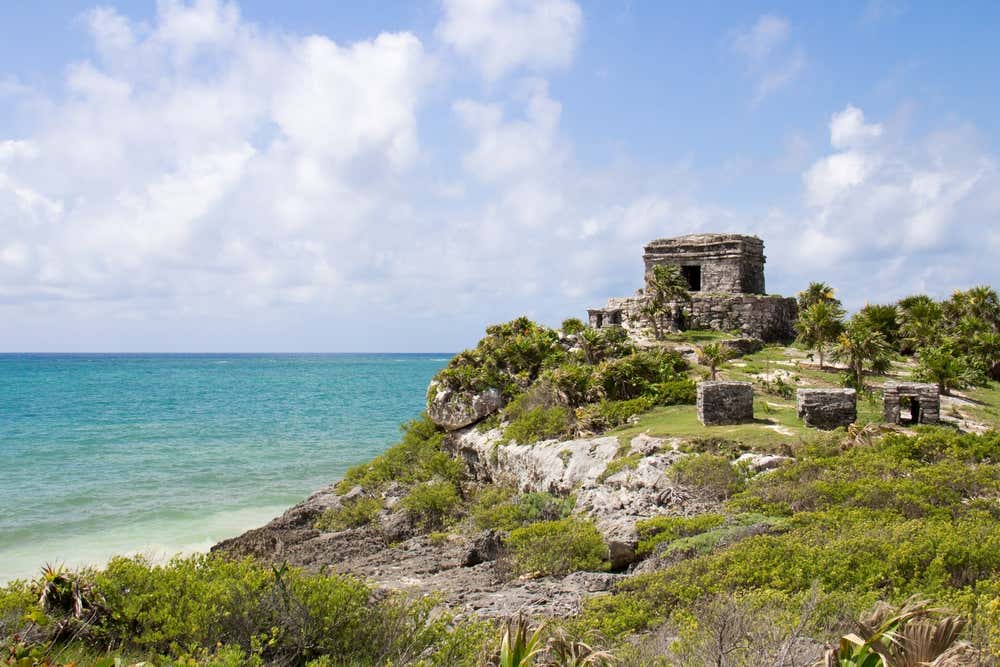

Tulum’s weather barely changes. Highs sit around 82°F (28°C) in January and climb to roughly 91°F (33°C) in August, which is not the kind of swing that decides a trip. What actually decides it is rain, prices and seaweed, and the last of those matters more in Tulum than anywhere else on this coast.
The best time to visit Tulum is November through April, when the dry season overlaps with the cleanest beaches. December through March is the strongest window of all. May to October brings rain, humidity and heavy sargassum seaweed, though it also brings lower prices and thinner crowds at the ruins.
Best Time to Visit Tulum (2026)
When Is the Best Season to Go to Tulum?
November to April, and the reason is that two things line up. It’s the dry season, so you get clear days rather than afternoon downpours, and it’s also the window when sargassum is at its lightest. Those two factors move together, which is why the answer is unusually clear-cut for a Caribbean destination.
Narrow it further and December through March is the sweet spot. Those are historically the cleanest months for the beaches, the humidity is manageable, and the risk of a washed-out afternoon is low. The cost is that this is also high season, so hotels and flights are at their most expensive and the ruins are at their busiest.
If you want the best compromise, look at late April and early May, or November. You get most of the dry-season benefit before the peak seaweed months arrive or after they’ve passed, with noticeably lower prices than the December to March block.
Sargassum: The Factor That Decides Your Dates
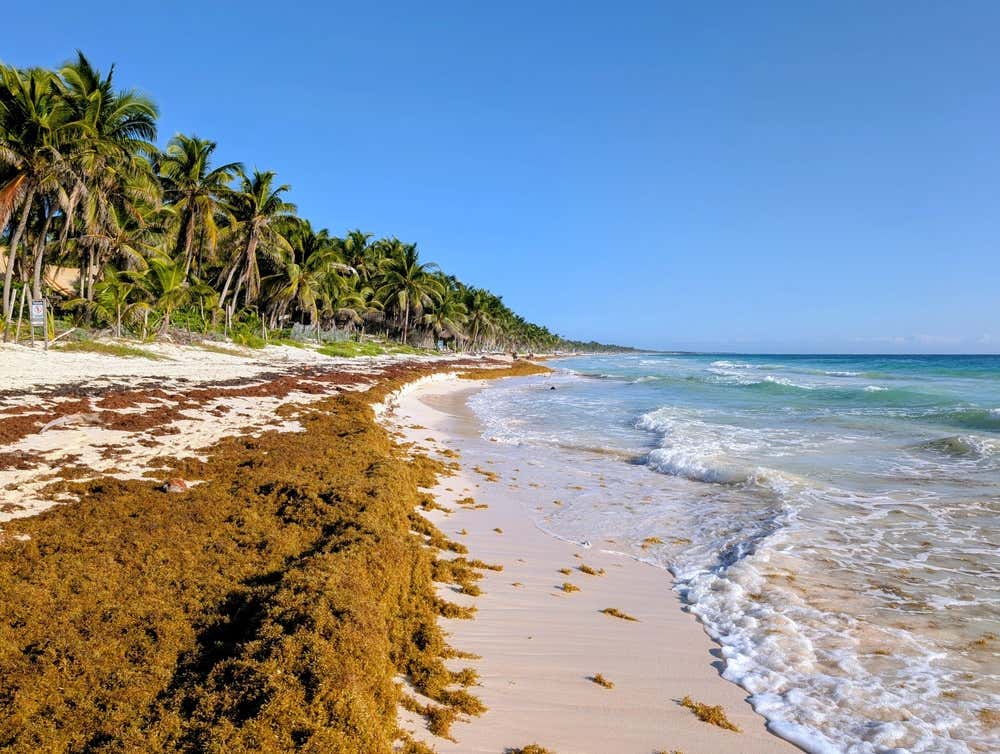
Sargassum is the brown seaweed that drifts across the Atlantic and lands on the Mexican Caribbean coast, and Tulum gets more of it than any other major destination on the Riviera Maya. There’s a geographic reason. Tulum’s beach zone faces open water to the south and east with no island offshore and no close barrier reef to break up incoming rafts, so it takes the current head-on. Cancún’s north-facing Hotel Zone, Isla Mujeres and Cozumel’s western shore are all sheltered by comparison.
The season runs roughly April or May through October, and it peaks between June and August, with July usually the heaviest. November through March is the reliably clear window, and December and January are the safest bets of all. Recent years have run above the historical average, with 2025 setting a satellite record, and early arrivals have been recorded outside the usual months, so treat the calendar as a guide rather than a guarantee.
One thing worth knowing about Tulum specifically: unlike Playa del Carmen, there’s no single large municipal cleanup operation keeping one central stretch clear. Beach-zone hotels mostly rake their own frontage, so conditions vary from one property to the next on the same morning. If you’re travelling in the peak months and beach time matters, ask your hotel directly what they do about it.
Live conditions are tracked publicly through satellite monitoring and local beach networks, and they shift week to week, so check close to your departure date rather than relying on seasonal averages alone.
Tulum Season by Season
The Dry Season, November to April
Clear skies, lower humidity and the best beach conditions of the year. Daytime highs run about 82°F to 86°F (28°C to 30°C), and evenings are comfortable enough to eat outside without wilting. This is when Tulum looks like the photographs. It’s also when the archaeological site is fullest, so aim for opening time if you want the cliffside ruins without a crowd in every frame.
The Rainy Season, May to October
Rain here usually means a heavy burst in the late afternoon rather than a lost day, so mornings stay usable for the ruins and the water. Humidity is the real adjustment, and highs push to around 90°F to 91°F (32°C to 33°C). Hurricane season officially runs June through November with the highest risk in September and October, which is worth factoring into travel insurance rather than into avoiding the dates outright.
The upside is real. Accommodation drops significantly, the ruins are quieter, and the jungle is at its greenest. If your trip is built around cenotes and Maya sites rather than lying on the sand, the rainy season is a genuinely good deal.
Best Time to Visit the Tulum Ruins
Go first thing in the morning, whatever month you’re there. The archaeological site sits on an exposed clifftop with almost no shade, so by midday you’re standing in full sun with the largest tour groups of the day. Arriving at opening gets you cooler air, softer light on the Caribbean behind the Castillo, and space to actually look at the buildings.
The Tulum ruins and Maya cenote guided tour runs about four hours and splits the day between two hours at the site and two hours swimming, which handles the heat sensibly. From further up the coast, the Tulum and Akumal day trip with cenote snorkeling adds Akumal Bay and its sea turtles to a guided visit of the ruins. Opening hours and ticket prices change periodically, so confirm before you set out.
What to Do When the Beach Isn’t at Its Best
This is the part that makes a summer trip work. Sargassum is a coastal problem, and the cenotes are inland freshwater, so they stay clear regardless of what’s happening on the sand. If you’re visiting between May and August, plan cenote days as the main event rather than as a fallback, and the trip holds up perfectly well.
Gran Cenote and Dos Ojos are the best known near Tulum, and there are dozens more within a short drive. There’s a fuller rundown in the guide to cenotes in Mexico and the ten best to visit if you want to pick specific ones.
Inland day trips work the same way. The Tulum and Cobá tour pairs the coast with a jungle-covered Maya city, and the Chichén Itzá and Tulum two-day tour takes you well away from the shoreline entirely.
Common Questions About Timing a Tulum Trip
What Is the Cheapest Time to Visit Tulum?
September and October. They’re the wettest months and carry the highest hurricane risk, which pushes demand down and takes accommodation with it. Prices vary year to year, so compare dates rather than assuming a fixed pattern.
Which Month Has the Least Seaweed in Tulum?
December and January are historically the clearest, with November through March all reliable. Conditions are driven by currents and wind rather than the calendar alone, so check live monitoring in the week before you travel.
Is It Worth Visiting Tulum in the Rainy Season?
Yes, if your plans lean toward cenotes, ruins and jungle rather than beach days. Rain tends to arrive in short afternoon bursts, prices drop noticeably, and the archaeological site is far quieter than it is in February.
How Many Days Do You Need in Tulum?
Three days covers the ruins, two or three cenotes and time on the beach without rushing. Stretch to five if you want to add Cobá, the Sian Ka’an biosphere reserve or a day trip to Chichén Itzá.
Picking Your Dates
If the beach is the reason you’re going, book between December and March and accept the higher prices. If you care more about the ruins, the cenotes and the jungle, almost any month works, and the rainy season will save you a good deal of money for very little compromise.
Once the dates are set, browse the tours and activities in Tulum, look at what else runs across Quintana Roo and the Riviera Maya, or explore the best activities in English all over the world.


Most read of #North America
Best Time to Visit Tulum: Weather, Crowds and Sargassum
12 September 2026Cancún to Isla Mujeres: Ferry, Catamaran and Costs
11 September 2026Lucha Libre in Mexico City: Where to Go and What to Expect
9 September 2026What to See in Jalisco in 2026: Lake Chapala, Tequila & More
31 August 202614 Best Places to Visit in Canada
28 August 2026What to See in San Luis Potosí, Mexico: 11 Highlights
14 August 2026Most read #North America
Cancún to Isla Mujeres: Ferry, Catamaran and Costs
11 September 2026Lucha Libre in Mexico City: Where to Go and What to Expect
9 September 2026What to See in Jalisco in 2026: Lake Chapala, Tequila & More
31 August 202614 Best Places to Visit in Canada
28 August 2026
The 10 Best Things to Do in Puerto Vallarta, Mexico
14 August 2026The 14 Best Museums in Mexico City, Aztecs to Chocolate
12 August 202615 Famous Landmarks in Mexico, from Maya Ruins to Canyons
12 August 2026The 14 Most Beautiful Places to Visit in Canada
11 August 2026
Top 11: The Best Day Trips from Mexico City (2026)
5 August 2026Things to Do in Los Cabos: 12 Unmissable Spots
4 August 2026
West Coast Road Trip: An 8-Day Itinerary
12 July 2026The 8 Best Day Trips from Philadelphia in 2026
1 July 2026