11 Pueblos Mágicos Near Mexico City Worth the Trip
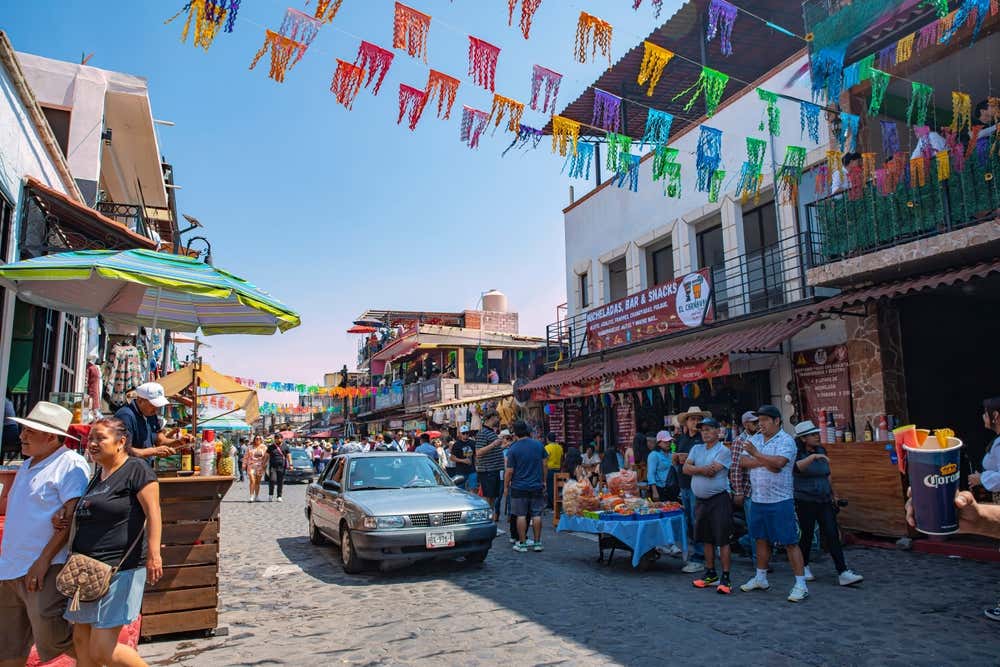

Mexico’s Pueblos Mágicos, or Magic Towns, are small towns recognized by the national government for their history, architecture and traditions, and there are now more than 170 of them across the country. A surprising number of Pueblos Mágicos near Mexico City sit within a few hours of the capital, so you can trade traffic for cobblestones, convents and mountain air on a single day trip.
The best Pueblos Mágicos near Mexico City for a day trip or weekend are Tepotzotlán, Malinalco and Tlayacapan, along with Metepec, Mineral del Chico, Atlixco, Bernal and Tequisquiapan, all within about three hours of the capital, plus Tlalpujahua, Zacatlán and Cuetzalan for longer escapes.
Some of the best-known names, like Tepoztlán, Taxco and Valle de Bravo, already feature in this guide to the best day trips from Mexico City. This list focuses on the towns that often get overlooked, with a quick roundup of the classics at the end.
The Best Pueblos Mágicos near Mexico City
1. Tepotzotlán
About an hour north of the city in the State of Mexico, Tepotzotlán is the closest Pueblo Mágico to the capital and one of the easiest to reach. Its centerpiece is the former Jesuit college, now the National Museum of the Viceroyalty, which holds one of the country’s finest collections of colonial art. Next door, the Church of San Francisco Javier has a gilded Churrigueresque altarpiece that stops most visitors in their tracks.
Just outside town, the Arcos del Sitio aqueduct is worth the short drive for its views. If you visit in December, look out for the town’s famous pastorelas, traditional nativity plays staged in the museum’s courtyards.
2. Malinalco
Around two hours southwest of Mexico City, Malinalco is tucked into a green valley ringed by cliffs. Above town, a short but steep climb takes you to an Aztec temple carved straight into the mountain rock, where eagle and jaguar warriors are believed to have held their initiation ceremonies. The views over the valley from the top are superb.
Back in the center, the 16th-century Augustinian convent is covered in murals painted by local indigenous artists, full of plants and animals from the region. This day trip to Malinalco from Mexico City covers the archaeological site, the local museum and the convent, with free time to explore the streets.
3. Tlayacapan
In the state of Morelos, about an hour and a half from the capital, Tlayacapan is a quiet town of adobe houses beneath dramatic rock formations. Its Former Convent of San Juan Bautista is part of a group of 16th-century monasteries on the slopes of Popocatépetl that UNESCO lists as a World Heritage Site.
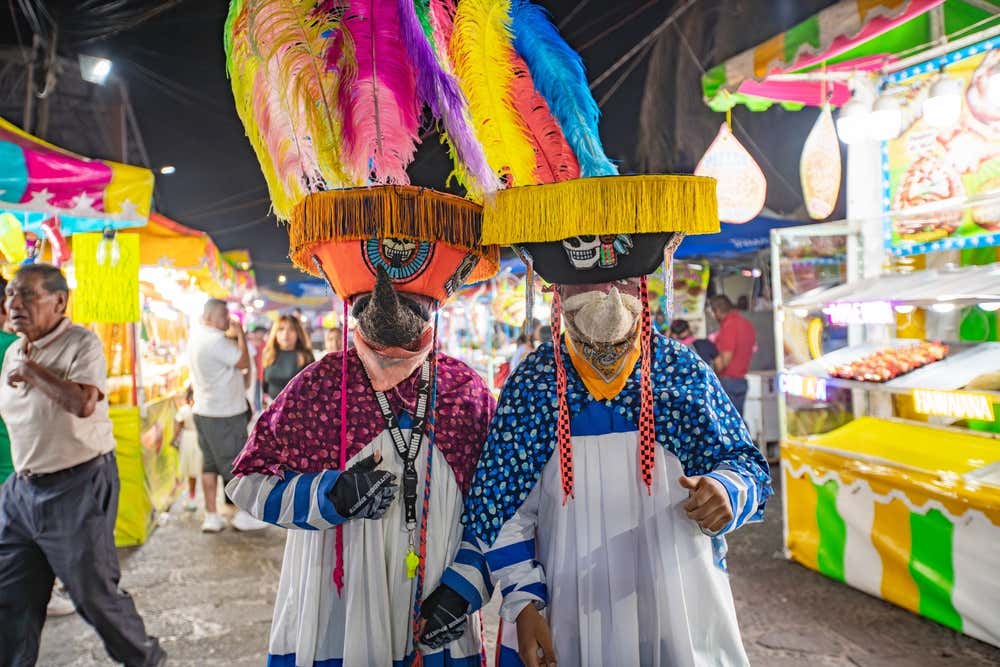
The town is also known for its clay pottery and for its lively carnival, when dancers in feathered costumes called chinelos fill the streets. On a normal weekend, it’s a peaceful place to wander, eat well and browse the workshops.
4. Metepec
Right next to Toluca, about an hour west of Mexico City, Metepec is the home of the Tree of Life, the colorful clay sculptures that have become one of Mexico’s most recognizable folk art pieces. You can watch artisans at work in the pottery workshops around town and pick up pieces of every size.
Climb the Cerro del Calvario, the hill above the center, for views over the town and its bright yellow church. Metepec is an easy half-day trip, so it pairs well with a visit to Toluca.
5. Mineral del Chico
About two hours north in the state of Hidalgo, Mineral del Chico is an old mining village surrounded by pine forest. It sits inside El Chico National Park, one of the oldest protected areas in Mexico, and the air here feels fresh and cool even when the city is warm.
The park is great for hiking, climbing and horseback riding among huge rock formations, and the town itself is a tidy grid of colorful houses and cafés. This Mineral del Chico day trip from Mexico City handles the drive so you can focus on the forest.
6. Atlixco
In the state of Puebla, Atlixco is known as the heart of Mexico’s flower growing, and it has a front-row view of the Popocatépetl volcano on clear days. The historic center is full of colonial churches, including the former convent of San Francisco on the hill above town.
Atlixco is especially lively in late September for the Atlixcáyotl folk festival and in winter, when the Villa Iluminada Christmas lights take over the streets. This day trip to Atlixco and Chipilo also stops in Chipilo, a village founded by Italian immigrants that still speaks its own dialect.
7. Bernal
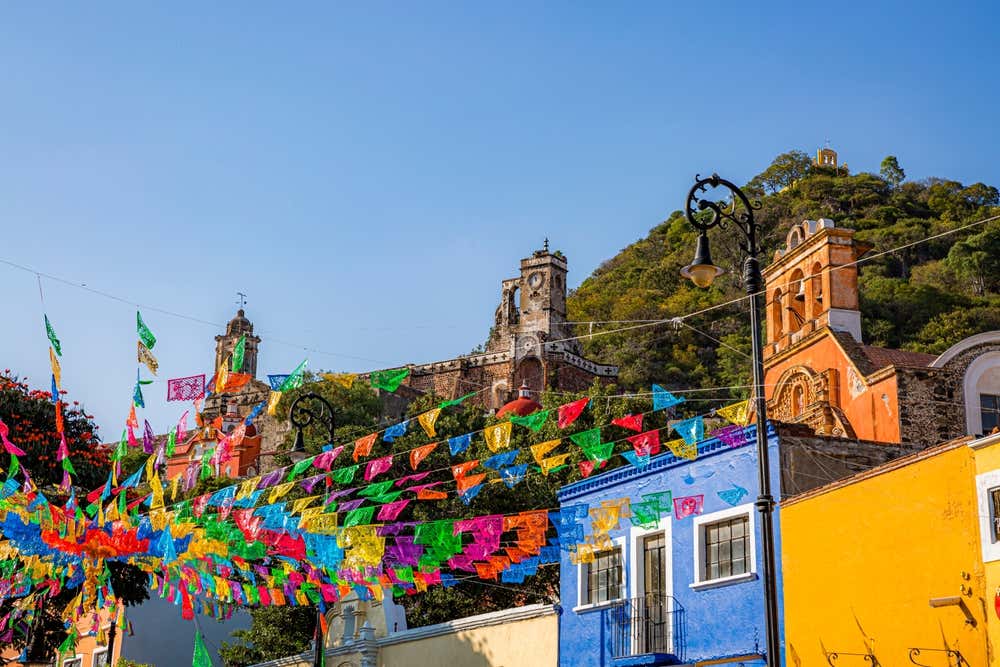
About two and a half hours north in Querétaro, Bernal sits at the foot of the Peña de Bernal, often described as one of the largest monoliths in the world. You can hike partway up the rock for sweeping views, and on the spring equinox, crowds dressed in white gather here to soak up its energy.
The village below is small and pretty, with sweet shops, gorditas stands and craft stores selling woolen blankets. This Bernal and Tequisquiapan day trip combines the monolith with the next town on this list.
8. Tequisquiapan
Tequisquiapan is the gateway to Querétaro’s wine and cheese route, and its main square is one of the prettiest in central Mexico. The town is known for crafts made from wicker, opal and clay, and its warm climate has long made it a weekend favorite for families from the capital.
Every year around late May and early June, the National Cheese and Wine Fair fills the town with tastings and music. It’s a great time to visit. If you’d like to stay a night or two, you’ll find wine tours and more activities in Tequisquiapan to fill your time, and these things to do in Querétaro make a good add-on.
9. Tlalpujahua
Just over the border in Michoacán, about two and a half hours from the capital, Tlalpujahua is famous as Mexico’s capital of Christmas ornaments. Its workshops produce hand-blown glass spheres all year, and the town’s Christmas fair draws visitors from across the country from October onward.
From roughly November to March, Tlalpujahua is also a good base for visiting the monarch butterfly sanctuaries in the nearby mountains, where millions of butterflies spend the winter.
10. Zacatlán and Chignahuapan
These two neighboring towns in the Sierra Norte of Puebla, about three hours from Mexico City, make an easy weekend together. Zacatlán is known for its apples and cider, its giant floral clock in the main square and a glass-floored walkway over the Barranca de los Jilgueros canyon.
Chignahuapan, a short drive away, has a basilica with a huge carved wooden statue of the Virgin, hot springs on the edge of town and a big Christmas sphere industry of its own. It’s a lovely area in the misty months of late fall.
11. Cuetzalan
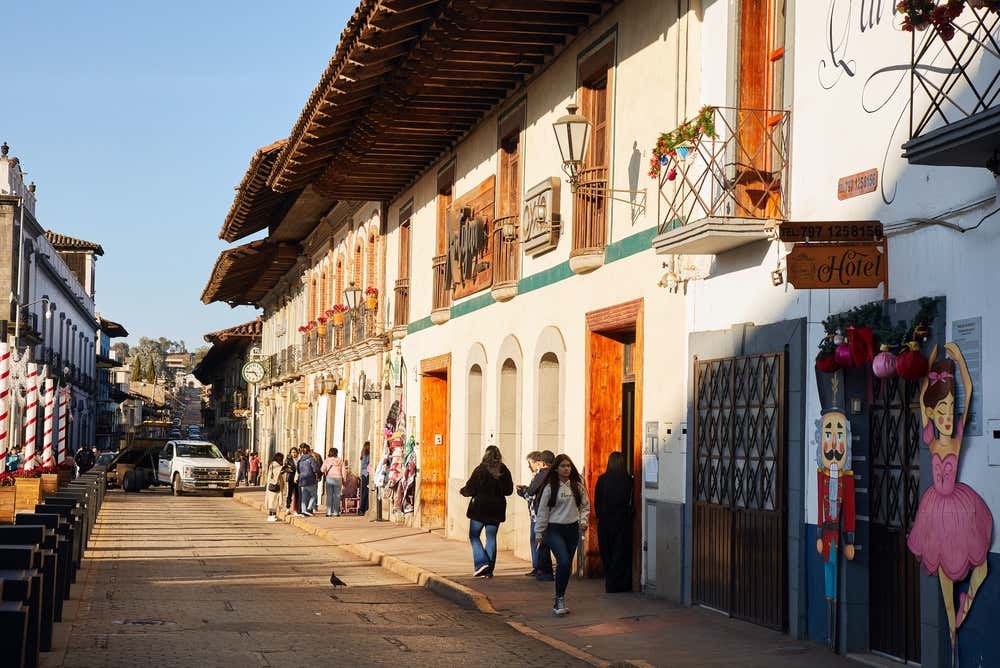
Deeper in the Sierra Norte of Puebla, Cuetzalan is the farthest town on this list and well worth a weekend. It’s a Nahua and Totonac town of steep cobbled streets, cloud forest and waterfalls, and its Sunday market still sees locals trade goods in traditional dress. You may also catch the Voladores, who perform their ritual flight from a tall pole in the square.
Around town, you can swim in natural pools, hike to waterfalls and explore underground rivers. Take a look at the activities in Cuetzalan, from water trekking through caves to hikes that include a visit to a weaving workshop.
The Classic Pueblos Mágicos Near Mexico City
Several of the most popular Pueblos Mágicos near Mexico City are already covered in detail elsewhere on the blog. Tepoztlán, with its hilltop pyramid, Taxco and its silver workshops, and lakeside Valle de Bravo are all within two and a half hours of the capital. Cholula, home to the largest pyramid by volume in the world, sits just outside Puebla, and Huasca de Ocampo and Mineral del Monte in Hidalgo make a great pair for a day of basalt prisms and mining history.
You’ll find all of them, with travel times and tours, in the guide to the best day trips from Mexico City. For more options, browse these day trips from Mexico City.
Tips for Visiting Pueblos Mágicos From Mexico City
Weekdays are the best time to go. These towns are favorite weekend escapes for people from the capital, so Saturday and Sunday bring more crowds and heavier traffic leaving and returning to the city. If you do go on a weekend, set off early.
If you’re traveling by bus, the terminal depends on the direction. Observatorio serves towns to the west and southwest, like Malinalco and Metepec, while Terminal Norte covers Hidalgo and Querétaro and TAPO serves Puebla. Travel times in this guide are approximate and depend a lot on traffic, so it’s worth checking before you leave.
Each of these towns shows a different side of central Mexico, from Aztec ruins and colonial convents to cloud forest and wine country, and none of them is more than a few hours from the capital. Pick one for a day, or string two or three together for a long weekend. For everything else on your trip, Civitatis’s full catalog has plenty of ideas.


Most read of #North America
Cancun Beaches: The 9 Best Spots for Sun and Sand
25 September 202611 Pueblos Mágicos Near Mexico City Worth the Trip
23 September 2026Oaxaca Beaches: 10 Best Spots on the Pacific Coast
22 September 2026Best Time to Visit Tulum: Weather, Crowds and Sargassum
12 September 2026Cancún to Isla Mujeres: Ferry, Catamaran and Costs
11 September 2026Lucha Libre in Mexico City: Where to Go and What to Expect
9 September 2026Most read #North America
11 Pueblos Mágicos Near Mexico City Worth the Trip
23 September 2026Oaxaca Beaches: 10 Best Spots on the Pacific Coast
22 September 2026Best Time to Visit Tulum: Weather, Crowds and Sargassum
12 September 2026Cancún to Isla Mujeres: Ferry, Catamaran and Costs
11 September 2026
What to See in Jalisco in 2026: Lake Chapala, Tequila & More
31 August 202614 Best Places to Visit in Canada
28 August 2026What to See in San Luis Potosí, Mexico: 11 Highlights
14 August 2026The 10 Best Things to Do in Puerto Vallarta, Mexico
14 August 2026
15 Famous Landmarks in Mexico, from Maya Ruins to Canyons
12 August 2026The 14 Most Beautiful Places to Visit in Canada
11 August 202616 Best Things to Do in Querétaro, Mexico
10 August 2026Top 11: The Best Day Trips from Mexico City (2026)
5 August 2026
Things to Do in Los Cabos: 12 Unmissable Spots
4 August 2026