The Best Traditional Mexican Food: 10 Must-Try Local Dishes

Mexican cuisine landed on UNESCO’s Intangible Cultural Heritage list in 2010, an honor barely a handful of countries share. That title sits on centuries of history: corn from pre-Hispanic kitchens, chiles, cacao, and later everything the Spanish carried over. So traditional Mexican food is never one flavor. It is dozens, and it changes the moment you cross into a new region.
So where do you start? With these traditional staples: tacos al pastor, chilaquiles, mole poblano, cochinita pibil and zarandeado fish. Every region pulls in a different direction, from the seafood of Sinaloa to the moles of Oaxaca and Puebla, with corn threaded through nearly all of it.
1. Tacos al Pastor
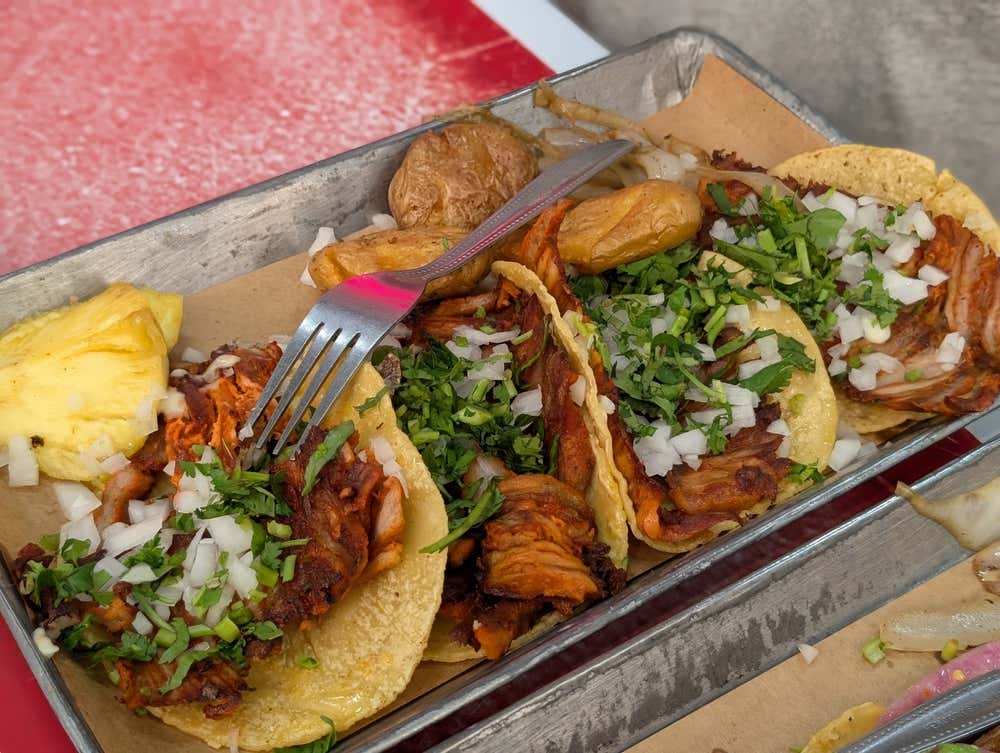
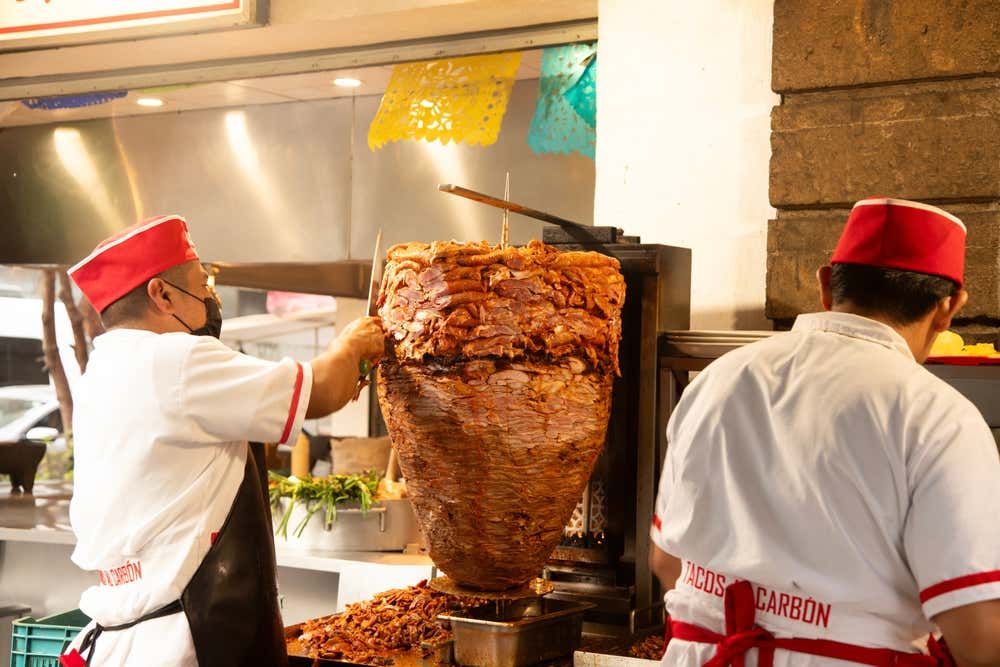
Start with the taco al pastor, perhaps the country’s most famous taco. Lebanese immigrants brought the vertical spit to Mexico City in the mid twentieth century, and cooks swapped the lamb for pork marinated in achiote. It turns on the trompo all day. The taquero shaves it straight onto a small tortilla, flicks a sliver of pineapple on top, and adds onion and cilantro. Whether that pineapple belongs there is a debate you will not settle tonight. To find the good ones, the stands tucked down side streets, join a free taco tour through Mexico City and let a local do the choosing.
2. Chilaquiles
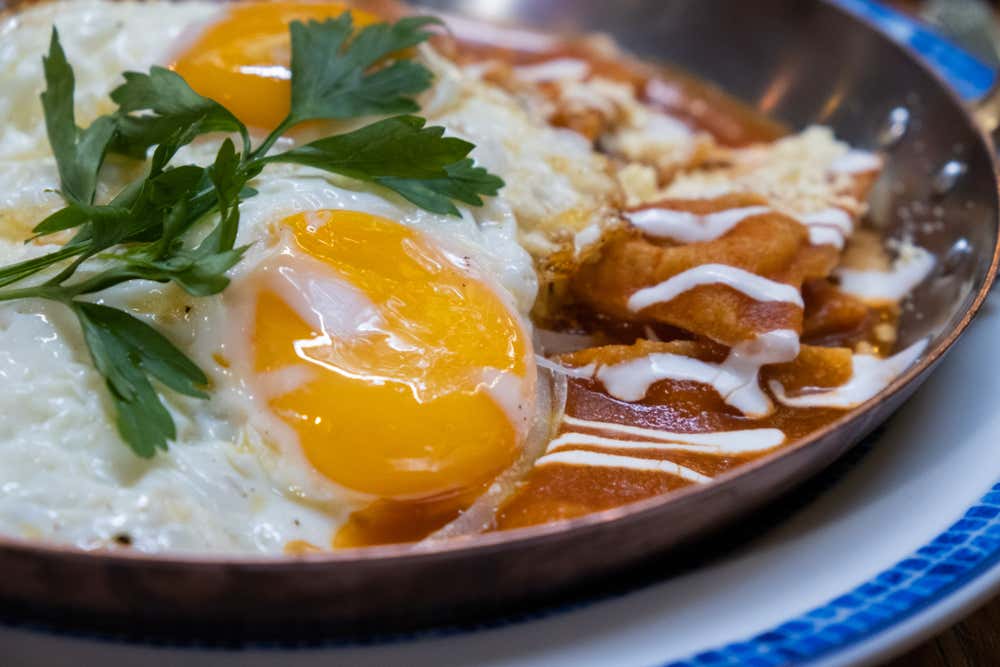
Chilaquiles are what Mexico eats the morning after. Corn tortillas, cut and fried, then softened in salsa just until they give but before they turn to mush. On top go cream, crumbled cheese, raw onion, and an egg or some shredded chicken if you are hungry. One tip worth taking: order them mixtos, half red salsa and half green. You get both sauces, and you get to pick a favorite. Eat them early, in a market, where they are made to order and gone by noon. The La Merced market food tour takes you to exactly that kind of stall.
3. Mole Poblano
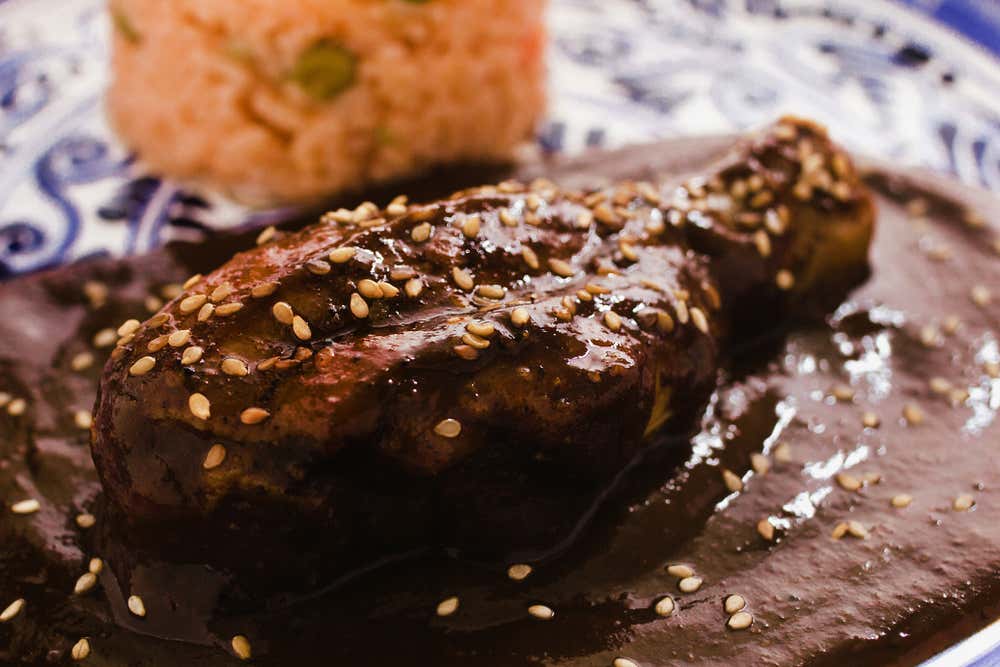
Mole poblano is the dish people have in mind when they call Mexican food complicated. Dried chiles, seeds, spices, and a little chocolate, toasted and ground down over hours into a dark, glossy sauce. The chocolate does not make it sweet. It makes it deep. It goes over turkey or chicken, and a single plate holds more work than most kitchens attempt in a week. Puebla and Oaxaca both claim it, and neither will back down. In Oaxaca, you can taste your way through several moles on the food and mezcal experiences, which pair them with the local spirit.
4. Cochinita Pibil
Cochinita pibil belongs to Yucatán and tastes like nowhere else. Pork gets rubbed with achiote and bitter orange, wrapped in banana leaf and buried in a pit oven called a pib to cook low and slow. It comes out deep red, soft enough to pull apart with a fork, piled into tacos or tortas under a tangle of pink pickled onion. Add habanero if you trust yourself. In Mérida, the Mexican food tour through its markets and streets takes you to the cooks who still make it the old way.
5. Aguachile
Aguachile is Sinaloa in a bowl, and it does not mess around. Raw shrimp are butterflied and drowned in a fierce green sauce of lime, cucumber, and fresh chile, then eaten within minutes so they keep their snap. The name is literal: agua, water, and chile. Cold, sharp, and hot enough to make you sit up straight. Have it with a cold beer and a stack of tostadas, near the water if you can. Sinaloa lands more shrimp than anywhere in Mexico, and Mazatlán is where you want to be for it. Line up your activities and experiences in Mazatlán and eat with the sand under your feet.
6. Pozole
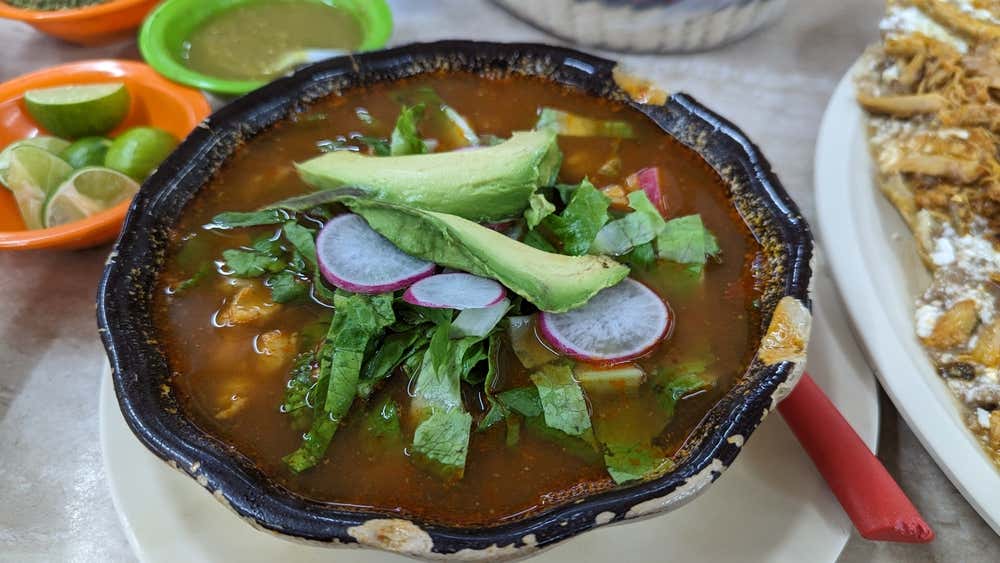
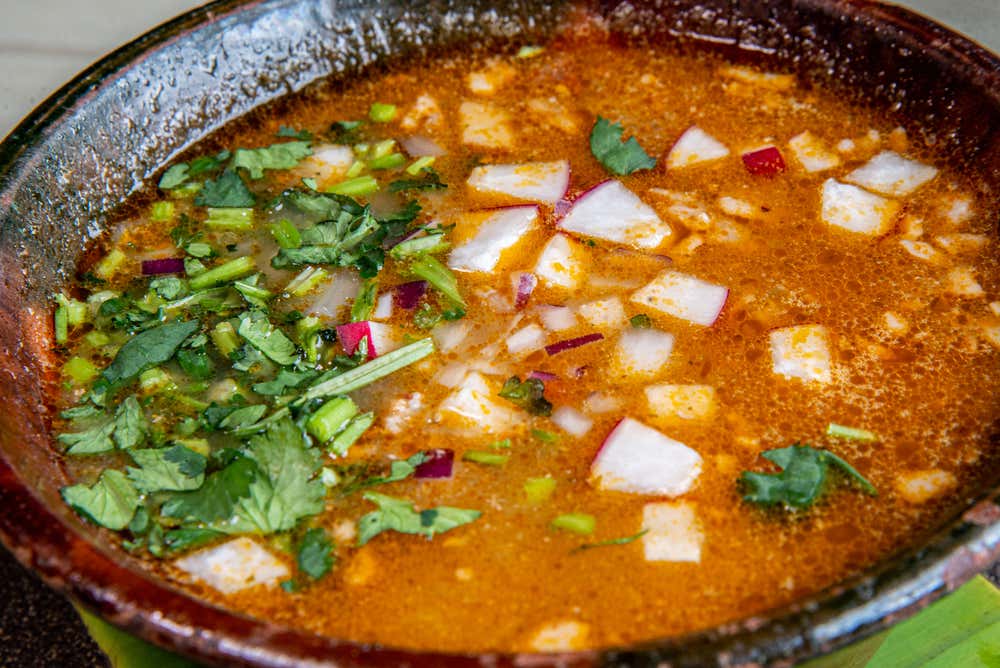
Pozole traces back to pre-Columbian Mesoamerica, where the Aztecs prepared it as a sacred dish for special ceremonies, using hominy (nixtamalized corn) that was considered blessed by the gods. The base is cacahuazintle, a fat corn kernel simmered until it splits open like popcorn caught halfway. Pork or chicken goes in, and the real work happens at the table: lettuce, radish, onion, oregano and a hard squeeze of lime, all piled on by you. Red, green or white, depending on where you are sitting. Mexicans eat it to celebrate, so you will see it on every table come September.
7. Tamales
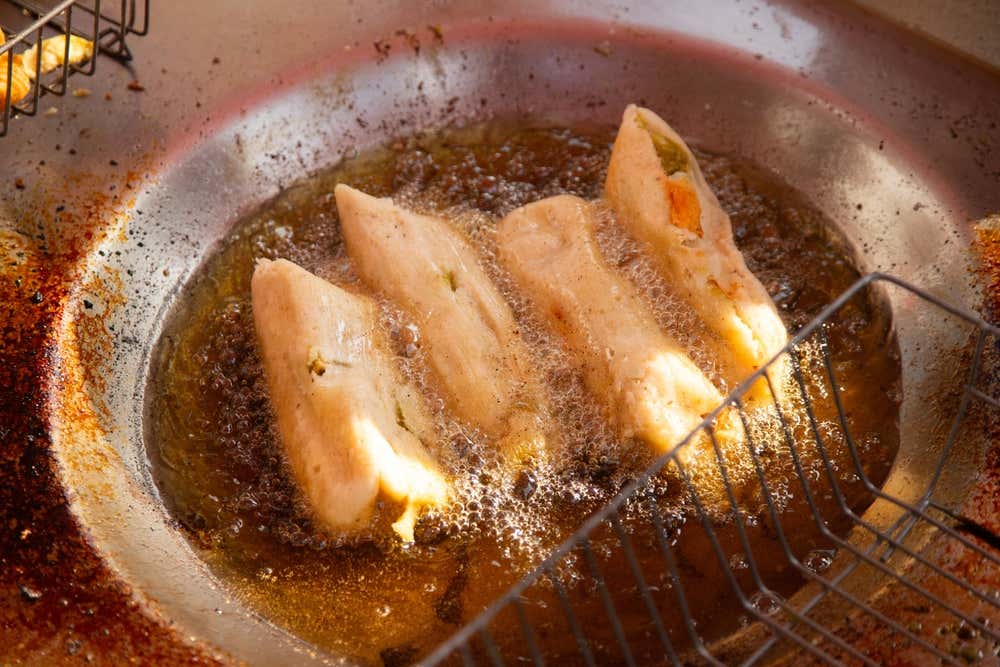
Tamales are proof that corn can do just about anything. Masa is spread on a husk or a banana leaf, filled, folded, and steamed until it sets. What goes inside shifts by state: mole, cheese with strips of poblano, sweet pink dough, or the big Oaxacan kind wrapped in leaves. In Mexico City, people wedge one inside a bread roll and eat it on the way to work. They call it a guajolota; it is a carbohydrate wrapped in another carbohydrate, and that’s okay!
8. Chiles en Nogada
Few plates look as deliberate as chiles en nogada. A roasted poblano is stuffed with picadillo, meat cooked down with fruit, then draped in a cool walnut cream and scattered with pomegranate seeds. Green chile, white sauce, red seeds: the flag, on a plate. It only turns up in season, roughly July to September, when the walnuts and pomegranate are ready (worth a quick check before you travel, as the window moves year to year). Puebla invented it, so book your guided tours and day trips around Puebla and eat it at the source.
9. Tlayudas
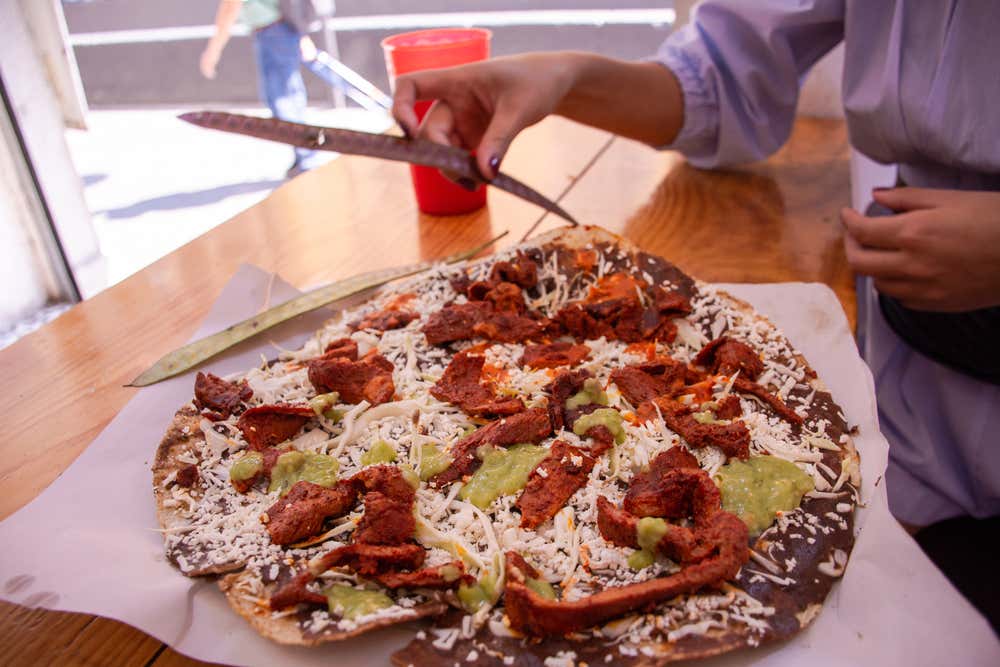
The tlayuda gets called Oaxacan pizza, which sells it short. A tortilla the size of a bike wheel is toasted until it cracks, smeared with asiento and beans, layered with quesillo and finished with meat, avocado or grasshoppers. Yes, grasshoppers. They taste of chile and lime, and you stop noticing them after the first bite. Oaxaca is the food capital of Mexico and feels no need to announce it. A street food tour of Oaxaca gets you the tlayudas and a proper introduction to everything around them.
10. Birria
Save room for birria. It has taken over the world lately, and for once the hype is earned. It began in Jalisco as goat slow-cooked in a chile adobo until the meat gives way completely. These days you will mostly meet it as tacos: the tortilla dragged through the red fat, griddled until crisp, packed with meat and cheese, and served with a cup of consommé for dipping. Dip everything. Do not be precious about the mess. Guadalajara is its heartland, so browse the tours and experiences in Guadalajara and follow the smell of chiles from there.
11. Carnitas
Carnitas come from Michoacán, and they are what happens when pork is treated with patience. Big cuts simmer for hours in their own fat, with orange and spices, until the outside crisps and the inside falls apart. It gets chopped, piled into tortillas, and topped with onion, cilantro and a spoon of salsa. Ask for them surtidas if you want a bit of everything, crunchy edges included. Sundays are carnitas days across much of central Mexico, so follow the crowd.
12. Enchiladas
Enchiladas are proof that a tortilla and a good salsa can carry a whole meal. Corn tortillas are dipped in chile sauce, rolled around chicken or cheese, then covered in more sauce with cream and onion. Green, red, or the mole version if you are in Puebla or Oaxaca. Swap the chile sauce for beans, and they become enfrijoladas; for tomato, they are entomatadas. Every home cook has a version, and every one of them will tell you theirs is the right one.
13. Barbacoa
Barbacoa is a weekend ritual. Lamb or goat is wrapped in maguey leaves and cooked overnight in a pit dug into the ground, which is where the word barbecue comes from. The meat comes out soft and smoky, ready to pull into tacos, with a cup of the rich cooking broth on the side. In central Mexico, families line up early on Sunday before it sells out. Get there before it does.
14. Elote and Esquites
Elote is street corn done the Mexican way. A whole cob is boiled or grilled, then slathered with mayonnaise, crumbly cotija cheese, chile powder, and lime. Esquites are the same idea served loose in a cup, so you can eat it with a spoon while you walk. You tend to hear the carts before you see them, usually parked near a plaza come evening. To track down the snacks locals actually trust, the street food and market tours in Mexico City know where to look.
15. Churros
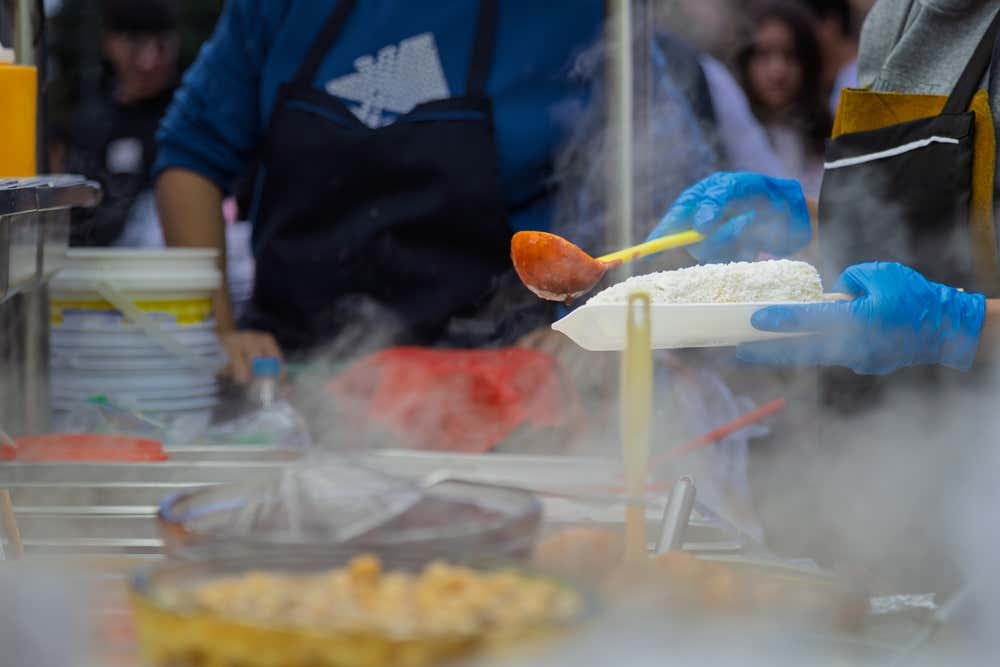
Churros are how a lot of evenings end in Mexico. Dough is piped into hot oil, fried until ridged and golden, then rolled in cinnamon sugar. You dip them in thick hot chocolate or in cajeta, a caramel made from goat’s milk. The best come from a churrería that has been frying the same recipe for decades. Eat them fresh, while they are still almost too hot to hold.
What Time Do Mexicans Eat?
The clock throws a lot of visitors off. Breakfast is early, and it is not shy. Then comes almuerzo, a lighter mid-morning bite to bridge the gap. The main event is the comida, eaten late, somewhere around 2 PM to 4 PM (it shifts by region and season). Dinner is a quieter affair, around 8 PM or 9 PM. Book your food experiences with this rhythm in mind, or you will turn up starving an hour before anyone else.
At a Glance
Conclusion
Traditional Mexican food is not a cuisine you finish. It is a country arguing happily with itself, plate by plate and region by region. The street taco and the festival mole are both telling you something true, and the only way to hear it is to sit down where the locals sit. When you start planning, look through the best activities in English all over the world and let your appetite call the shots.


Most read of #North America
Best Time to Visit Tulum: Weather, Crowds and Sargassum
12 September 2026Cancún to Isla Mujeres: Ferry, Catamaran and Costs
11 September 2026Lucha Libre in Mexico City: Where to Go and What to Expect
9 September 2026What to See in Jalisco in 2026: Lake Chapala, Tequila & More
31 August 202614 Best Places to Visit in Canada
28 August 2026What to See in San Luis Potosí, Mexico: 11 Highlights
14 August 2026Most read #North America
Cancún to Isla Mujeres: Ferry, Catamaran and Costs
11 September 2026Lucha Libre in Mexico City: Where to Go and What to Expect
9 September 2026What to See in Jalisco in 2026: Lake Chapala, Tequila & More
31 August 202614 Best Places to Visit in Canada
28 August 2026
The 10 Best Things to Do in Puerto Vallarta, Mexico
14 August 2026The 14 Best Museums in Mexico City, Aztecs to Chocolate
12 August 202615 Famous Landmarks in Mexico, from Maya Ruins to Canyons
12 August 2026The 14 Most Beautiful Places to Visit in Canada
11 August 2026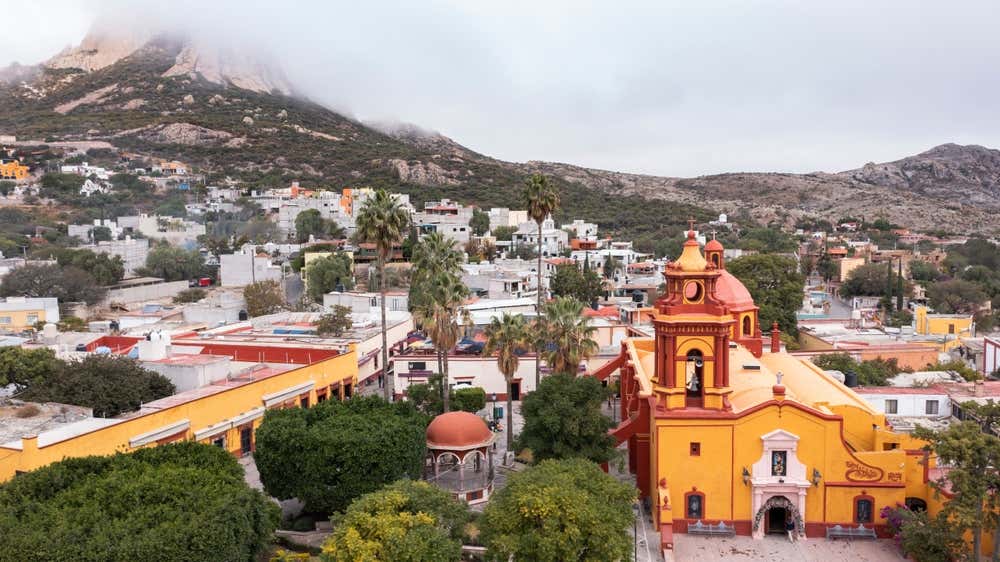
Top 11: The Best Day Trips from Mexico City (2026)
5 August 2026Things to Do in Los Cabos: 12 Unmissable Spots
4 August 2026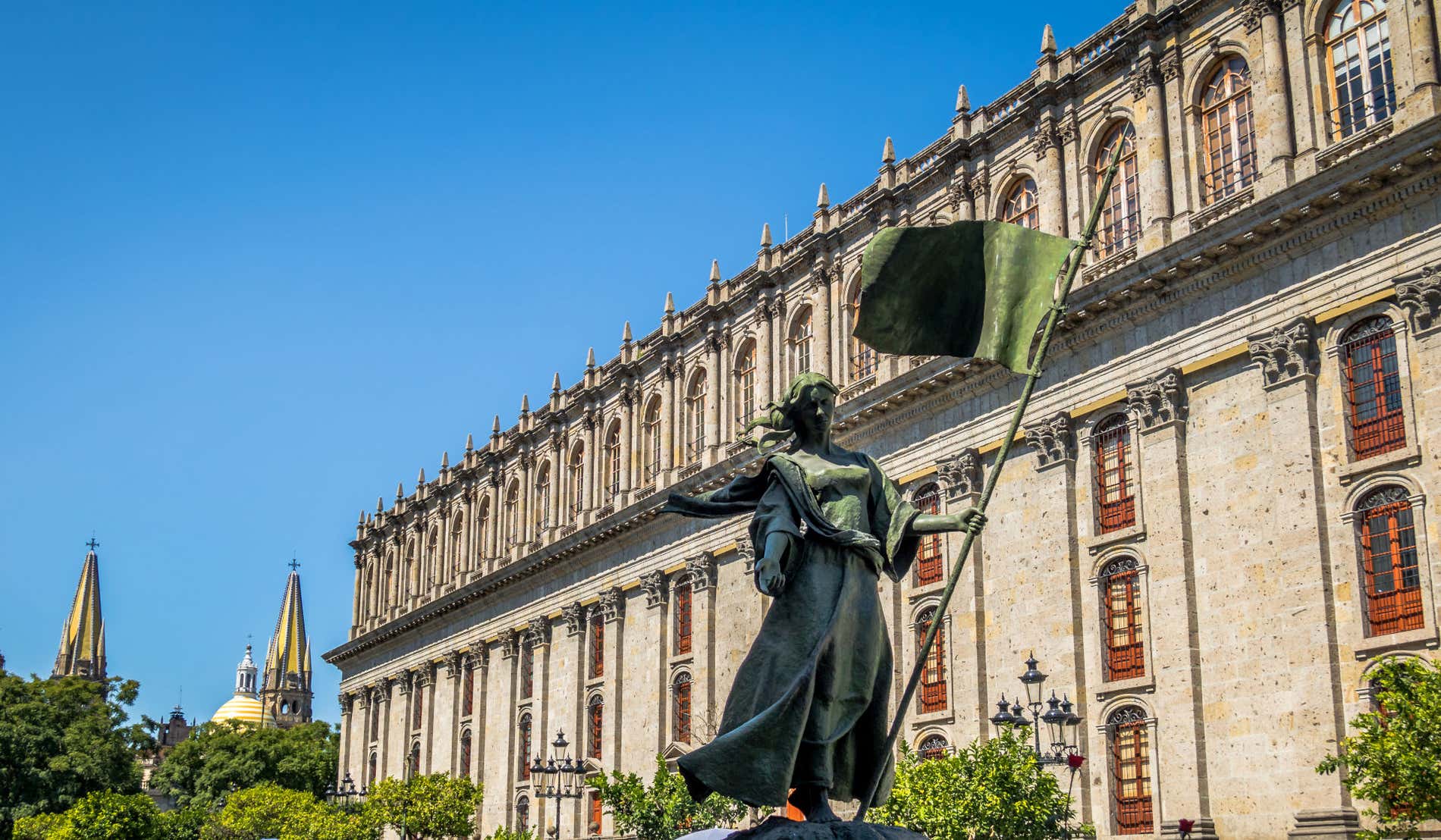
West Coast Road Trip: An 8-Day Itinerary
12 July 2026The 8 Best Day Trips from Philadelphia in 2026
1 July 2026