Best Time to Visit Argentina: A Season-by-Season Guide

From tango in Buenos Aires to the ancient ice of Patagonia, the best time to visit Argentina depends mostly on the kind of trip you have in mind. The country sits in the Southern Hemisphere, so its seasons run opposite to those in the United States and Mexico. It’s also huge, stretching from subtropical jungle in the north to subpolar glaciers in the south, so the weather can change dramatically from one region to another in the same month.
Melhor época para visitar a Argentina
For most travelers, the best time to visit Argentina is spring (September to November) or fall (March to May), when Buenos Aires, Mendoza and the northwest are mild and less crowded. Summer, from December to February, is best for Patagonia, while winter brings skiing in Bariloche.
Whether you dream of hiking Patagonian trails, raising a glass of Malbec in Mendoza or learning your first tango steps at a Buenos Aires milonga, this guide covers the weather, high and low season and the ideal months for each region, season by season. Here’s a quick summary of what to expect through the year:
1. Summer in Patagonia (December to February)
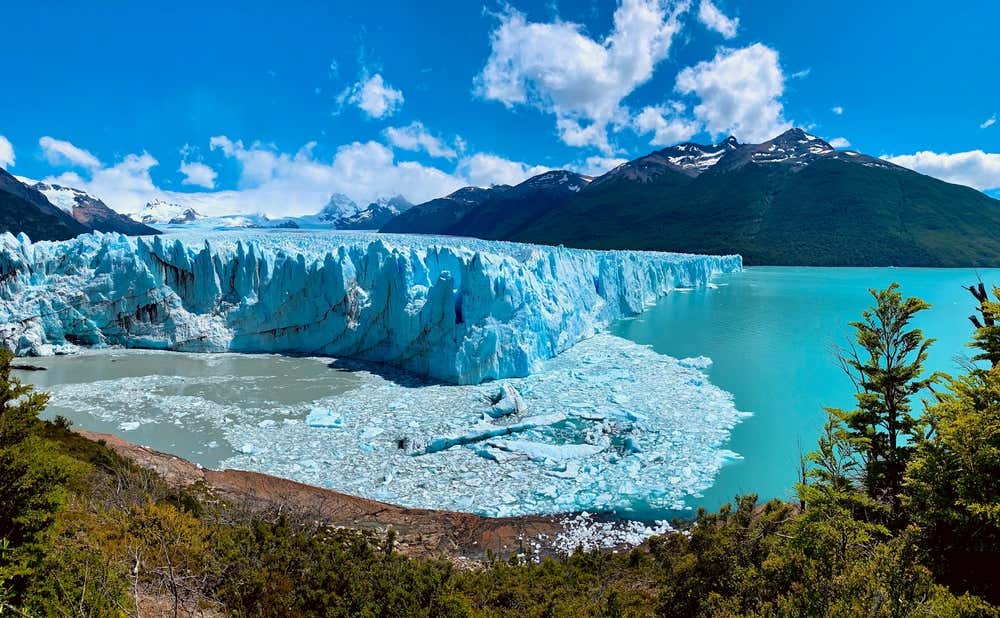
Argentina’s summer brings the most stable weather for exploring the wild landscapes of Patagonia. Between December and February, the region has its highest temperatures and longest daylight hours, which makes it the ideal time to hike the trails of El Chaltén, see Mount Fitz Roy without clouds or get close to the ancient ice of the Perito Moreno Glacier near El Calafate.
Daytime temperatures usually range between 64°F and 70°F (18°C and 21°C), with dry, pleasant days. Since this is high season, it’s best to book accommodation and tours in advance, especially in the busiest areas of the national parks. You can get close to the south face of the world’s most famous glacier on this Perito Moreno boat trip from El Calafate, or, if you’d rather walk the observation walkways with a guide, book this Perito Moreno Glacier tour.
2. Fall in Mendoza (March to May)
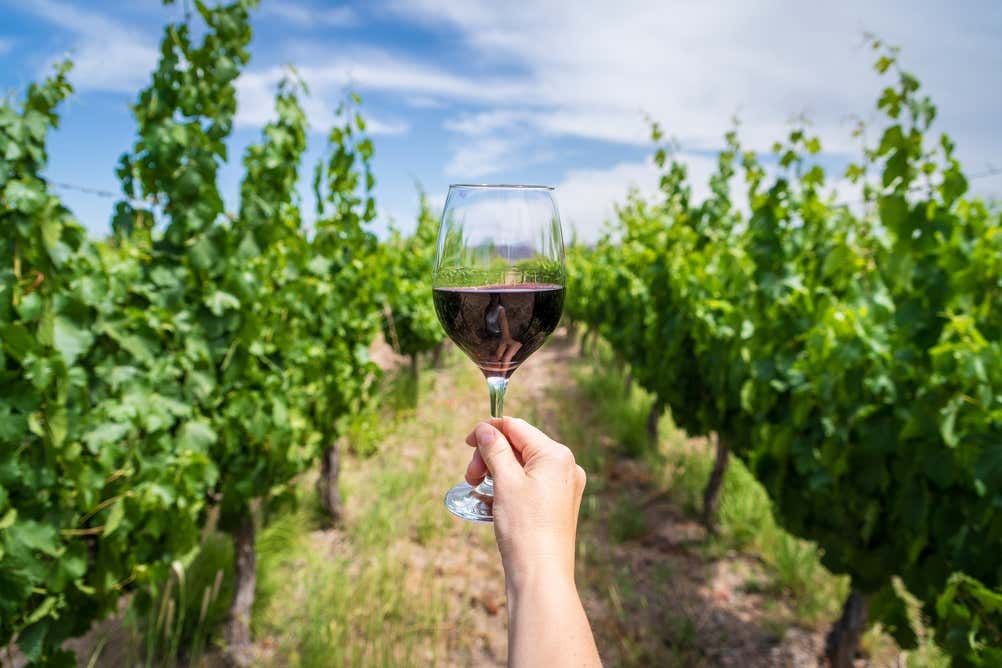
From March to May, Argentina has its most photogenic season, as the foothills of the Andes and the wine regions turn gold and red. This is the best time to visit Argentina if wine is your focus, since Mendoza celebrates the Vendimia, its traditional grape harvest festival, in early March. The weather stays mild, without the summer crowds, which makes winery visits even more enjoyable.
Buenos Aires has a special charm in fall too, with golden leaves on the streets and better hotel rates outside the January peak. In Mendoza, the wine routes are easy to explore without a car. You can dig into Argentine wine culture on this North Uco Valley wine region tour, a hop-on hop-off wine bus that links several wineries, or choose this Malbec tour of the Luján de Cuyo wine region, which stops at wineries such as Norton and Renacer.
3. Salta and Jujuy (April to May and September to October)
The provinces of Salta and Jujuy, in the north of the country, are home to some of the most striking landscapes in South America. April to May and September to October are the best months to visit, since temperatures are mild and you avoid both the summer rains and the cold winter nights.
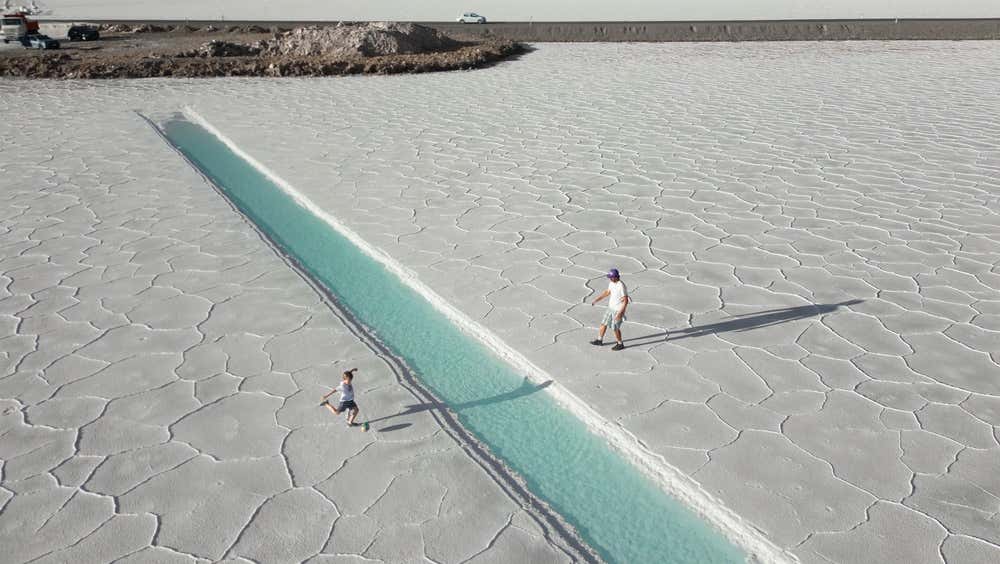
It’s also low season in the region, so you’ll find fewer visitors at spots like the Quebrada de Humahuaca, a UNESCO World Heritage Site, and the Salinas Grandes salt flats. The clear skies of fall and spring bring out the vivid colors of formations like the Cerro de los Siete Colores, the Hill of Seven Colors, in Purmamarca. To explore the region, you can choose between this Cafayate day trip from Salta, through wine country and red rock canyons, or this Quebrada de Humahuaca day trip from Salta, which stops at the Hill of Seven Colors before reaching the gorge.
4. Iguazu Falls Without the Crowds (April to June)
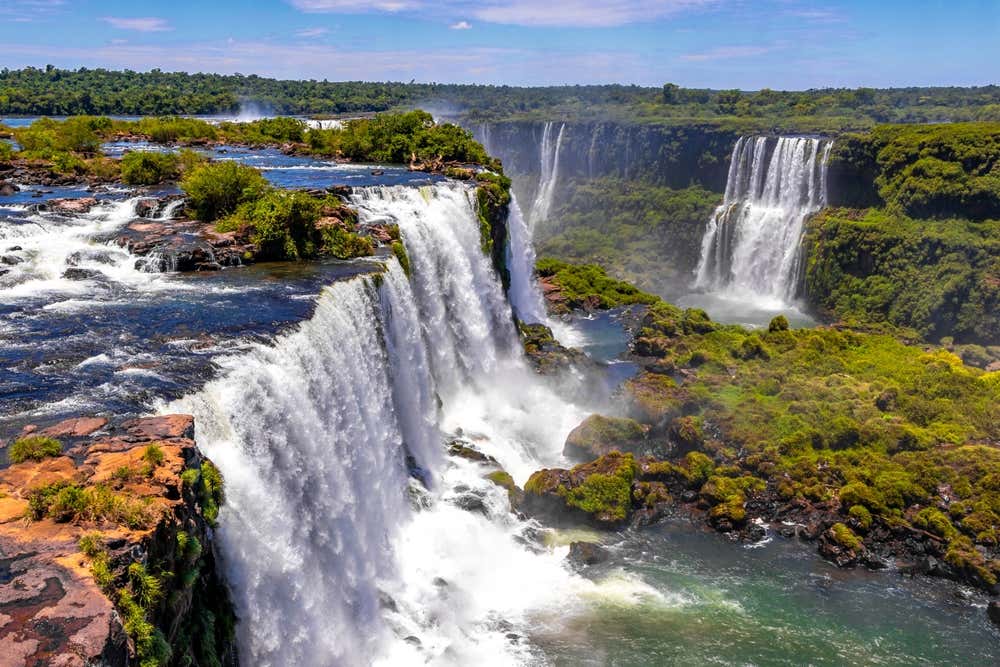
Iguazu Falls, one of the most impressive natural sights in South America, are at their best between April and June. The water volume is still huge after the summer rains, but the crowds thin out a lot compared with the January and February peak. The weather is more comfortable too, with temperatures between 70°F and 81°F (21°C and 27°C), far from the humid summer heat, and it’s a good time to spot wildlife like toucans and coatis in the surrounding jungle.
To see the Argentine side of the falls at an easy pace, book this Iguazu Falls and Triple Frontier tour, which covers the park’s walking circuits and stops at the point where Argentina, Brazil and Paraguay meet.
5. Winter in Bariloche (June to August)
Argentina’s winter, from June to August, brings good conditions for skiing in the Andes, with the ski season usually running from late June into September. Resorts near San Carlos de Bariloche, like Cerro Catedral, become a magnet for snow sports fans, with runs for every level, ski schools and spectacular views of Nahuel Huapi Lake.
If you haven’t decided whether to ski or just want to see the area, this day trip to Cerro Catedral from Bariloche includes free time to explore Villa Catedral. If you already know you’ll be on the slopes, go straight for the Cerro Catedral ski lift ticket. With more than 60 runs, it’s the largest ski resort in South America.
For more ideas in the south, this guide to the best things to do in El Calafate covers the region well beyond the glacier.
6. Tango in Buenos Aires (September to November)
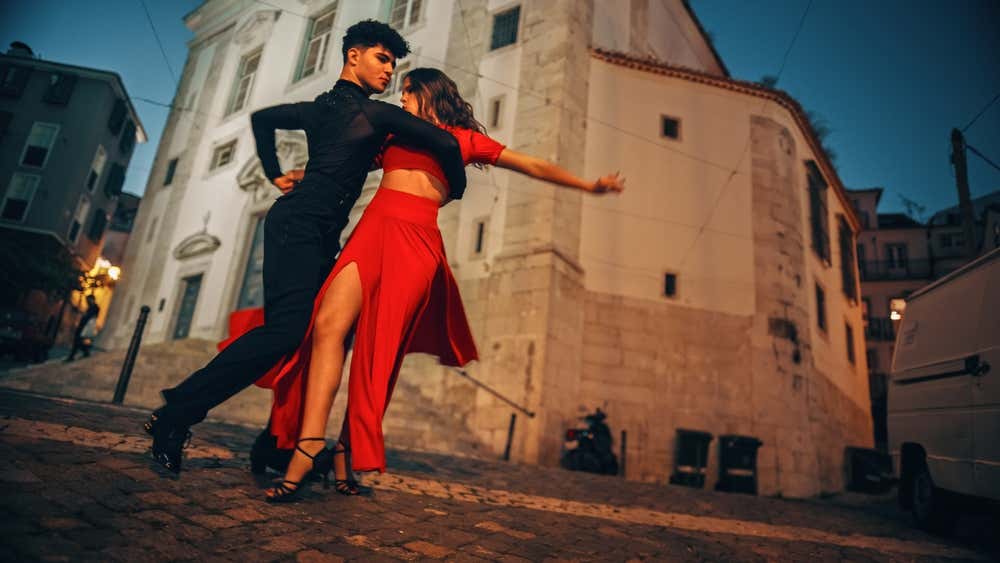
Spring, from September to November, is the best time to visit Argentina if your priority is an authentic tango experience. The mild weather is perfect for the open-air milongas that pop up in Buenos Aires’ parks and squares, where locals dance well into the evening.
Temperatures usually range between 59°F and 75°F (15°C and 24°C), which makes evenings in neighborhoods like San Telmo and Palermo very inviting. Since this period falls outside the January travel peak, you’ll also find better prices. To feel the magic of tango in its hometown, book the Madero Tango show, one of the best-known shows in the Argentine capital.
7. Spring in Buenos Aires (September to November)
Argentine spring also means pleasant weather and fewer crowds on the streets. Between September and November, flowering jacaranda trees take over the avenues and squares of Buenos Aires and paint the city purple, a sight any photographer will love. September is a great choice if you’re watching your budget, since it’s still outside the summer high season.
It’s also a good time to explore historic neighborhoods at a relaxed pace, like elegant Recoleta. A great way to discover its architecture and stories is this Recoleta Cemetery free tour, one of the city’s most visited landmarks, where you’ll see some of Argentina’s most famous tombs. For a month-by-month look at the capital, take a look at this guide to the best time to visit Buenos Aires.
8. New Year’s Eve and Summer in Buenos Aires (December)
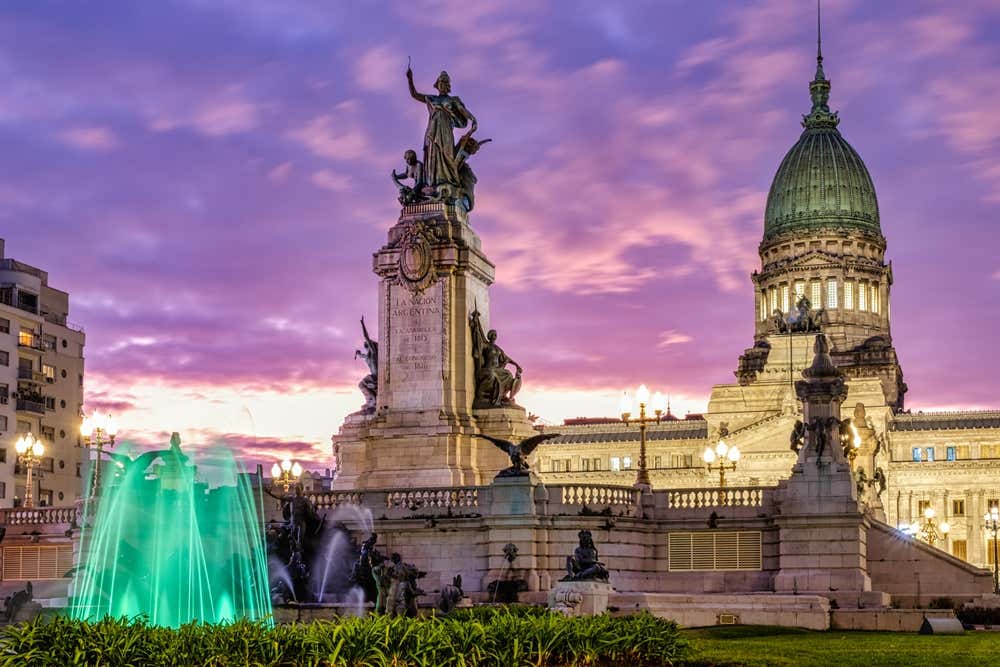
December brings a festive energy to the Argentine capital, along with the start of summer. Buenos Aires welcomes the month with outdoor concerts, fairs and street performances. It’s the beginning of high season, with higher prices, but the culture and food scene make it worth it.
The weather is usually hot but without the intense humidity of January and February, so exploring the city is much more comfortable. To get away from the bustle for a day, book this Tigre Delta boat trip from Buenos Aires, which sails along the Río de la Plata and the Paraná Delta to one of the most charming towns near the capital. For more escapes like this one, there are plenty of day trips from Buenos Aires to choose from.
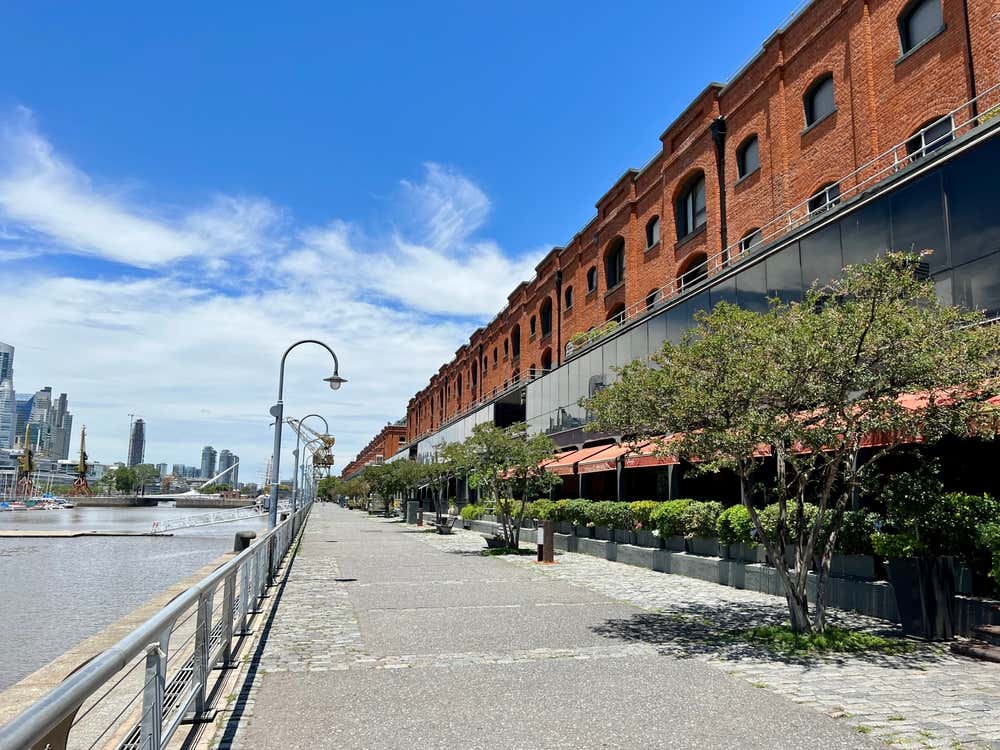
9. Tips on the Best Time to Visit Argentina
What Is the Best Time to Visit Argentina?
It depends on your itinerary. Summer, from December to February, brings the warmest and most stable weather for Patagonia, while spring and fall are ideal for Buenos Aires, Mendoza and the northwest. If you want to ski, travel in winter, and if wine and fall colors are your thing, aim for March to May.
What Is the Cheapest Time to Visit Argentina?
Low season runs from April to September. During these months, flights, hotels and tours usually cost less, especially in Buenos Aires and Patagonia, although some regions, like the northwest, have their most pleasant weather at exactly this time.
When Is High Season in Argentina?
High season runs from December to February, the Southern Hemisphere summer. Prices rise and sights get busier during these months, especially in Patagonia and Buenos Aires, but the weather is usually the most stable of the year for traveling around the country.
What Is the Best Time to Visit Argentine Patagonia?
December to February brings the warmest temperatures and longest days, which makes hiking and trips to the Perito Moreno Glacier and El Chaltén easier. Outside this window, the weather gets much colder and some tours may run on a limited schedule.
Whatever season you choose, Argentina offers very different experiences from one region to the next, and it’s often worth planning more than one trip to see the country from north to south. With the weather sorted, it’s time to decide whether you’ll raise a glass of Malbec in Mendoza, dance tango in Buenos Aires or stand face to face with the Perito Moreno Glacier. Civitatis’s full catalog has plenty of ideas for every stop.


Most read of #South America
15 Best Things to Do in Mérida, Mexico
25 September 2026Cancun Beaches: The 9 Best Spots for Sun and Sand
25 September 202610 Famous Historical Sites in Greece: Athens to Crete
24 September 202611 Pueblos Mágicos Near Mexico City Worth the Trip
23 September 2026Best Time to Visit Argentina: A Season-by-Season Guide
23 September 2026Oaxaca Beaches: 10 Best Spots on the Pacific Coast
22 September 2026Most read #North America
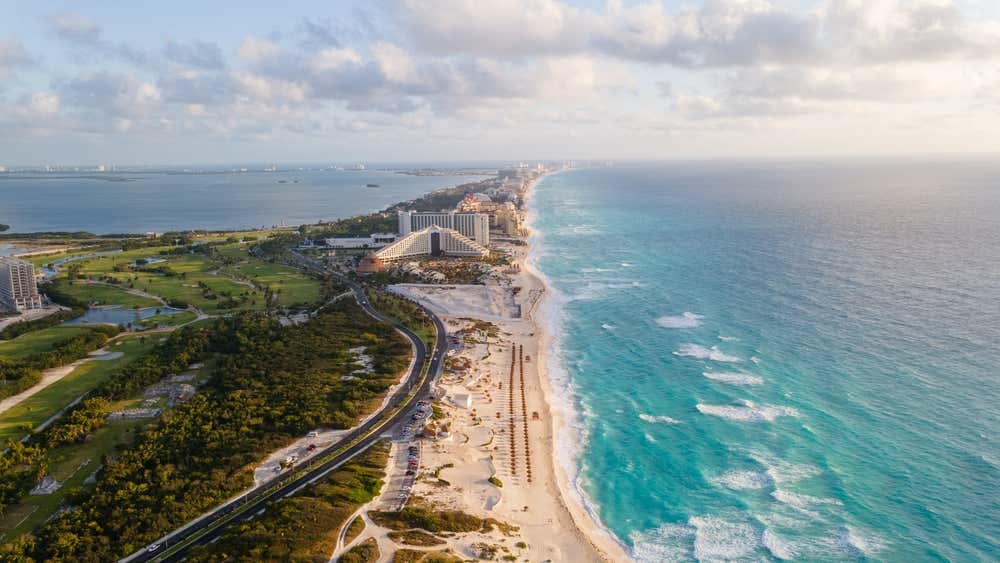
11 Pueblos Mágicos Near Mexico City Worth the Trip
23 September 2026Oaxaca Beaches: 10 Best Spots on the Pacific Coast
22 September 2026Best Time to Visit Tulum: Weather, Crowds and Sargassum
12 September 2026Cancún to Isla Mujeres: Ferry, Catamaran and Costs
11 September 2026
What to See in Jalisco in 2026: Lake Chapala, Tequila & More
31 August 202614 Best Places to Visit in Canada
28 August 2026What to See in San Luis Potosí, Mexico: 11 Highlights
14 August 2026The 10 Best Things to Do in Puerto Vallarta, Mexico
14 August 2026
15 Famous Landmarks in Mexico, from Maya Ruins to Canyons
12 August 2026The 14 Most Beautiful Places to Visit in Canada
11 August 202616 Best Things to Do in Querétaro, Mexico
10 August 2026Top 11: The Best Day Trips from Mexico City (2026)
5 August 2026
Things to Do in Los Cabos: 12 Unmissable Spots
4 August 2026