Top 10: The Best Beaches in Argentina

Argentina is not the first country that comes to mind for a beach vacation, and that is exactly why its coast is worth knowing about. There are fossil beaches in Patagonia, coves on glacial lakes, and stretches of shoreline where penguins and sea lions share the water with swimmers.
So what are the best Argentina beaches? Playa Grande in Mar del Plata, along with Pinamar and Villa Gesell, top the list for sun and sand within reach of Buenos Aires. Head south and Puerto Madryn and Bariloche offer something else entirely, with marine wildlife and Andean lakes taking over from beach clubs.
Here are ten worth building a trip around, split by region, along with when to go and how cold the water actually gets.
Guide to the Best Beaches in Argentina
1. Playa Grande, Mar del Plata
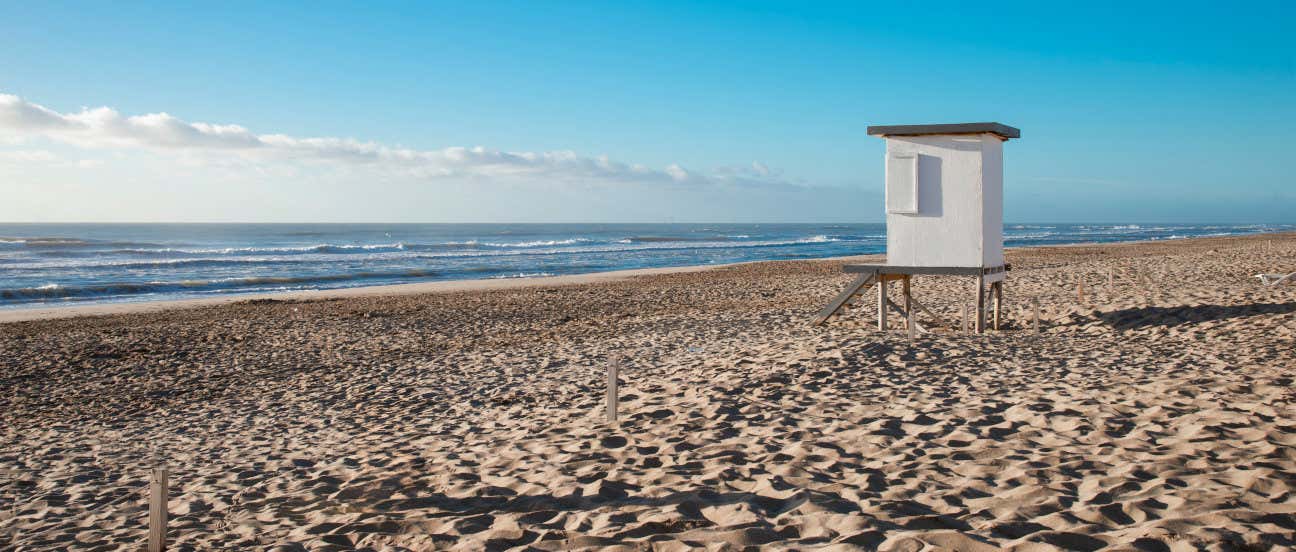
Playa Grande is the signature beach of “la Feliz”, the happy one, which is what Argentines call Mar del Plata. It is one of the best beaches in Argentina for learning to surf, thanks to a steady break and a sandy bottom. Historic beach clubs line the shore, and the Rambla, the city’s main boardwalk, runs right behind it.
The city is worth time beyond the sand. The Mar del Plata coastal hiking tour follows the shoreline through urban nature reserves, and the rest of the activities in Mar del Plata fill out a weekend.
2. Pinamar
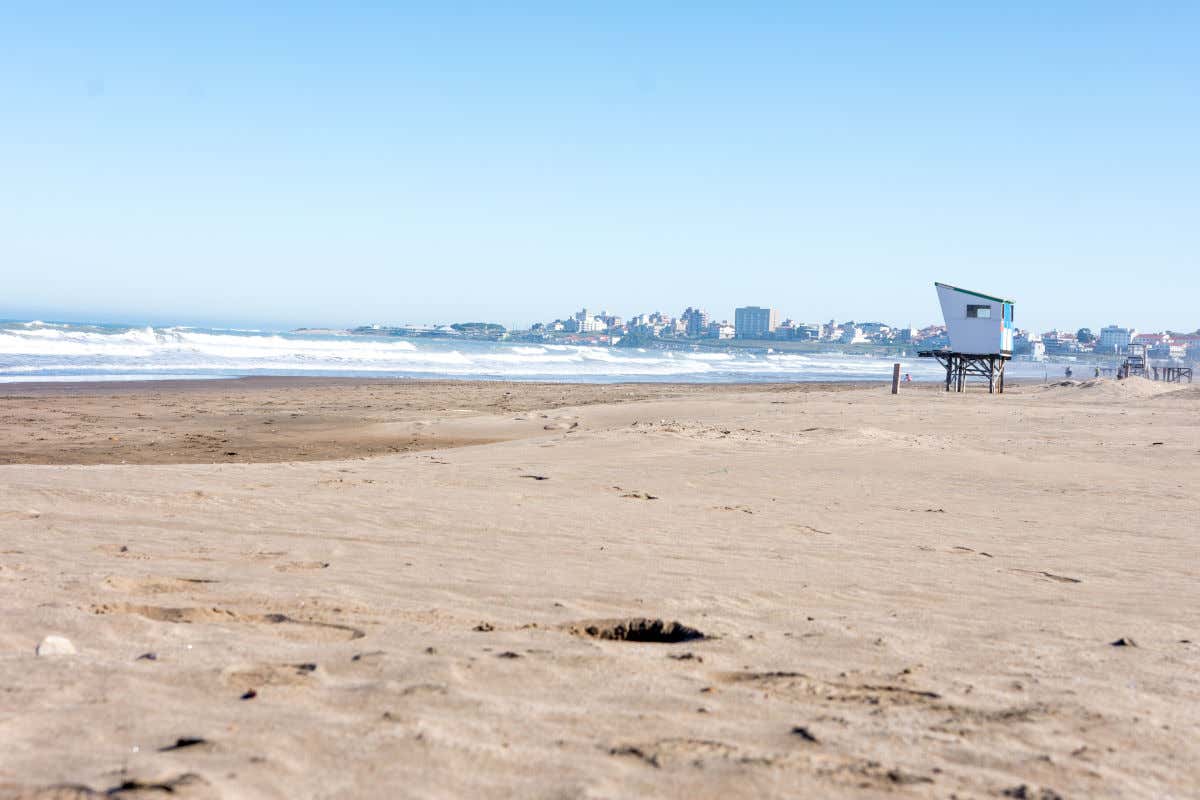
About four hours from Buenos Aires, Pinamar runs miles of fine sand backed by a pine forest planted by the town’s founders in the early 20th century. That forest now works as the town’s green lung and puts shade directly behind the beach, which is rare along this coast.
Pinamar fills up in high season, so it is worth knowing about Cariló a few miles south. Same pine woods, same wide beaches, considerably fewer people, and a quieter atmosphere overall.
3. Villa Gesell
Villa Gesell started in the 1940s as one man’s project. Carlos Gesell planted pines by the sea to supply his own timber business, and over time that forest turned into one of the most visited beach towns on the Argentine coast, with gentle, well equipped beaches that suit families with young kids.
The Querandí lighthouse, about 19 miles (30 kilometers) from the center, and the dunes around it are the two things to make time for. Good for anyone who wants long, unhurried walks alongside their beach days.
4. Mar de las Pampas
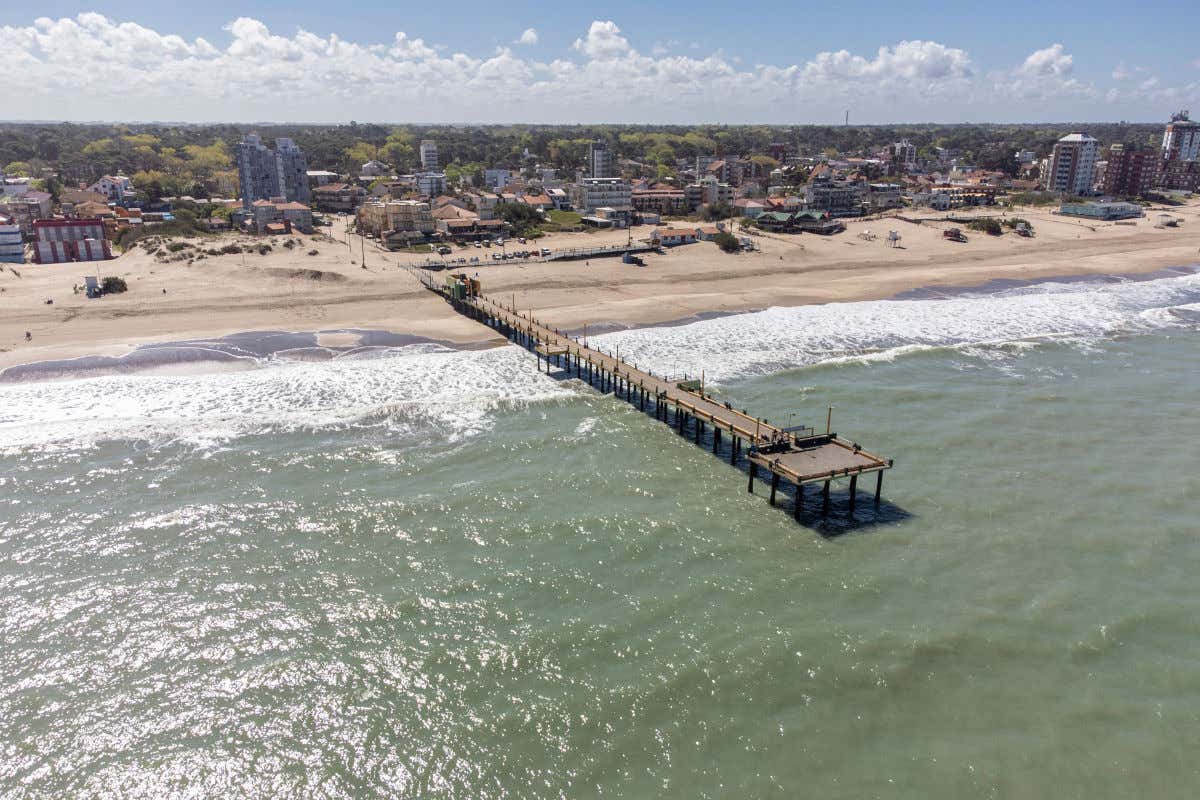
Right next to Villa Gesell but with a completely different character, Mar de las Pampas was built around the existing vegetation rather than through it. Sand streets wind between pines and scrub before opening onto a wide beach with very little visible development. This is the pick for people who want coast without the classic resort atmosphere.
Neighboring Mar Azul works the same way, with cabins tucked into the woods and a pace considerably slower than Villa Gesell, which is only minutes away.
5. Valdés Peninsula
A UNESCO World Heritage Site, the Valdés Peninsula is less a beach destination than one of the best places on the planet to watch southern right whales from shore. They arrive in its sheltered gulfs to calve and raise their young, mainly between June and December.
The Valdés Peninsula day trip with whale watching covers the reserve and gets you onto the water, with stops for penguins and elephant seals depending on the season.
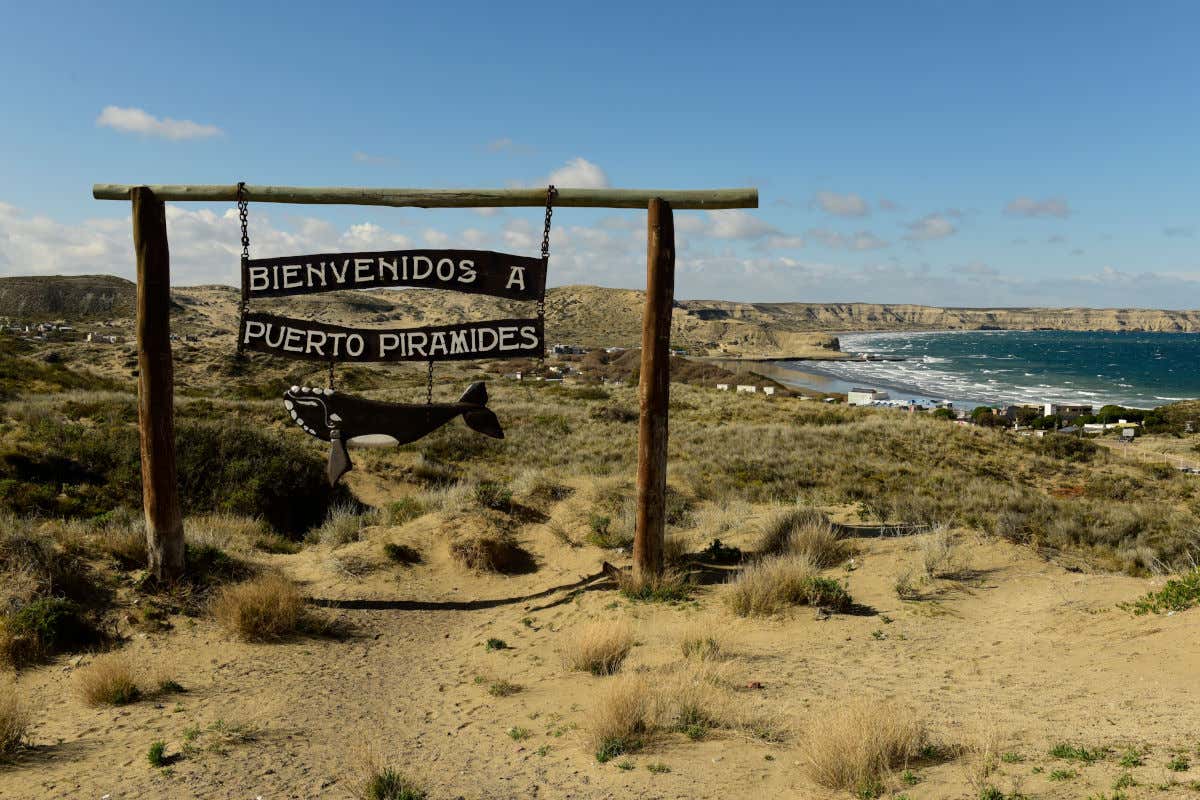
The one beach genuinely set up for swimming is Puerto Pirámides. It sits inside Golfo Nuevo, which shelters it from the open ocean swell, so the water stays calm enough for easy swimming, kayaking or paddleboarding.
6. Las Grutas, Río Negro
Further north in Patagonia, Las Grutas has a reputation for the warmest sea water on the Argentine coast, because its shallow waters heat up easily through the summer. The shoreline mixes sand beaches with cliffs and sea caves carved out by some of the biggest tides in the country.
Playa Piedras Coloradas, set apart from the center and reached by a dirt road, stands out for its red toned rock and for being far quieter than the beaches nearer town.
7. Necochea
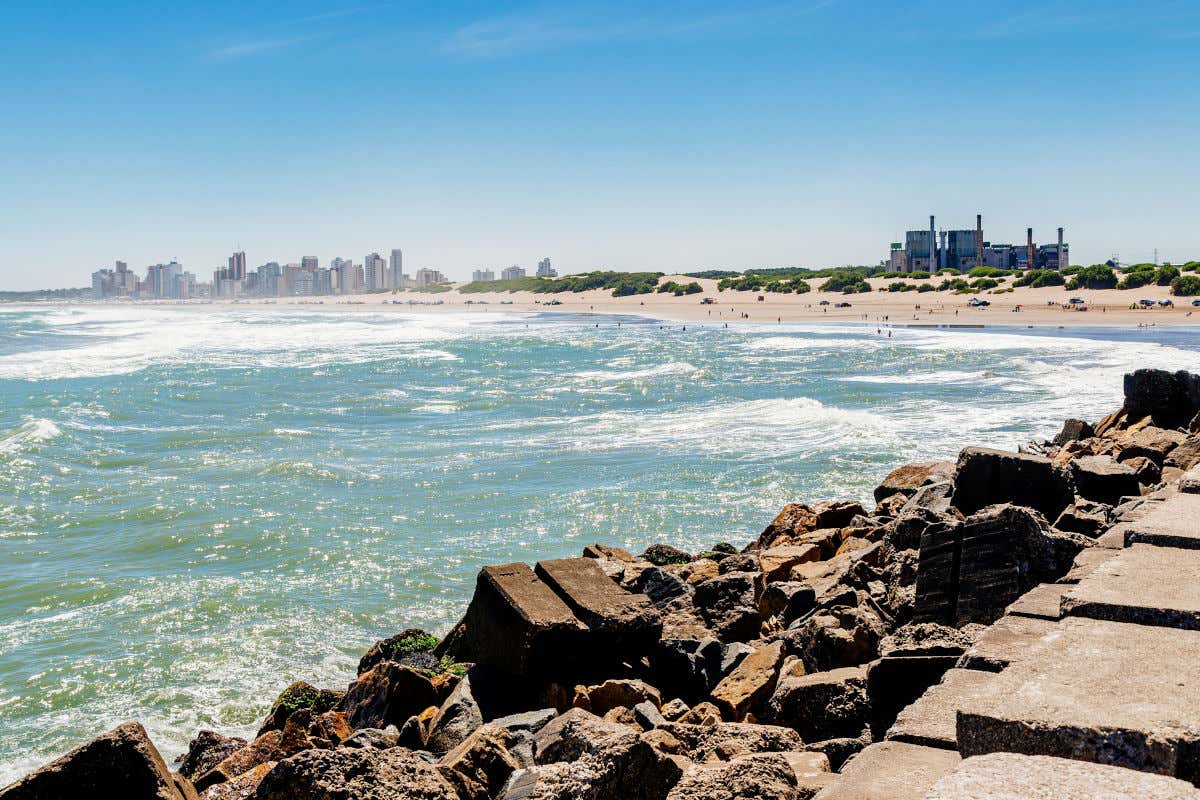
Necochea splits into two distinct stretches. The urban side sits near downtown with the full beach resort setup, while the western beaches get wilder as you go, with dunes and the Parque Miguel Lillo, a forest of pine and eucalyptus running along the shore.
It also has one of the strongest surf traditions on the Buenos Aires coast, helped by a swell with more power behind it than nearby beaches like Mar del Plata get.
8. Playa Melipal and Lake Nahuel Huapi, Bariloche
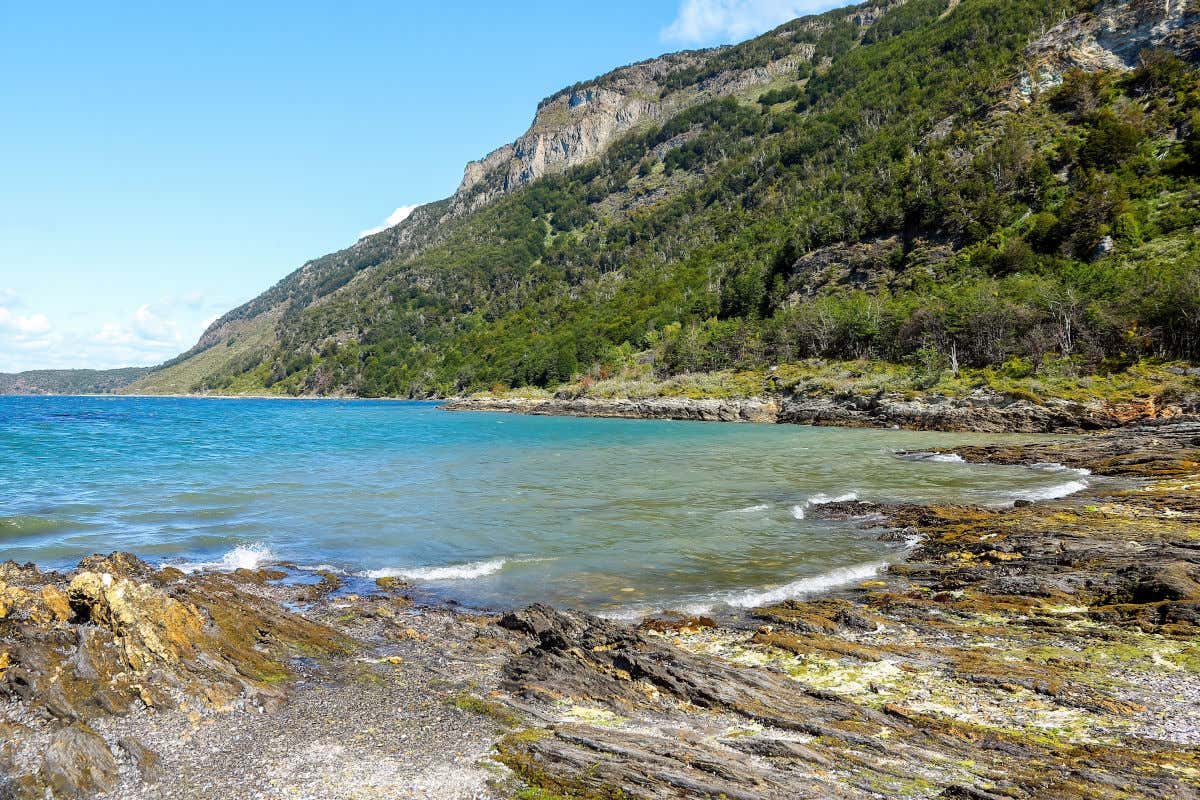
Not every beach in Argentina sits on the ocean. In Bariloche, the shore of glacial Lake Nahuel Huapi holds a string of sand and pebble beaches across its seven arms, including Playa Melipal, Bahía Serena and Villa Tacul, all with the cold, glass clear water of a mountain lake.
The water rarely climbs past 55°F to 57°F (13°C to 14°C) even at the height of summer, so swimming here is a bracing dip rather than a long float. Plenty of travelers try it once anyway, usually on the hottest days of January and February.
If the temperature puts you off, the sailboat trip on Lake Nahuel Huapi lets you take in the same shoreline with the Patagonian Andes behind it, dry and comfortable.
9. Tierra del Fuego
At the southern end of the country, the shores of Tierra del Fuego National Park, Lapataia Bay among them, are not for swimming. Water in the Beagle Channel barely reaches 41°F to 46°F (5°C to 8°C) even in summer. The appeal is elsewhere: snow topped mountains behind you, subantarctic forest running almost to the waterline, and a sense of remoteness nowhere else in the country delivers.
These are beaches for walking, with trails tracing the coast and viewpoints over the channel. The Tierra del Fuego National Park trip with the End of the World Train pairs this coastline with a ride on the southernmost railway on the planet.
10. Puerto Madryn and Playa Paraná
On the Patagonian coast, Puerto Madryn rewrites what an Argentine beach can be. Playa Paraná, golden sand, is known for the wreck of the El Folías, visible from shore at low tide and one of the more unusual snorkeling spots in the country. Go with a guide, both for safety and because you will actually find things.
The city grew up around a Welsh colony that arrived in the late 19th century, and you can still hear it in some of the surnames and traditions here, though tourism and fishing drive the place now.
Puerto Madryn’s bay is also home to sea lions, so running into them swimming near shore is entirely normal. The Valdés Peninsula day trip from Puerto Madryn covers the wider area in more depth, and the activities in Puerto Madryn section has the rest.
Best Time to Visit Argentina’s Beaches
The southern summer, December to March, is high season along the whole Buenos Aires coast, with warm weather and the biggest domestic crowds of the year. Outside those months, Pinamar and Villa Gesell get much quieter, though the water is no longer inviting.
Patagonia runs on a different calendar entirely. If whales are the priority, the Valdés Peninsula season runs June to December. Bariloche and its lake beaches are best in the summer months, when temperatures climb enough to make a swim thinkable.
Argentina Beaches FAQ
Does Argentina Have Good Beaches?
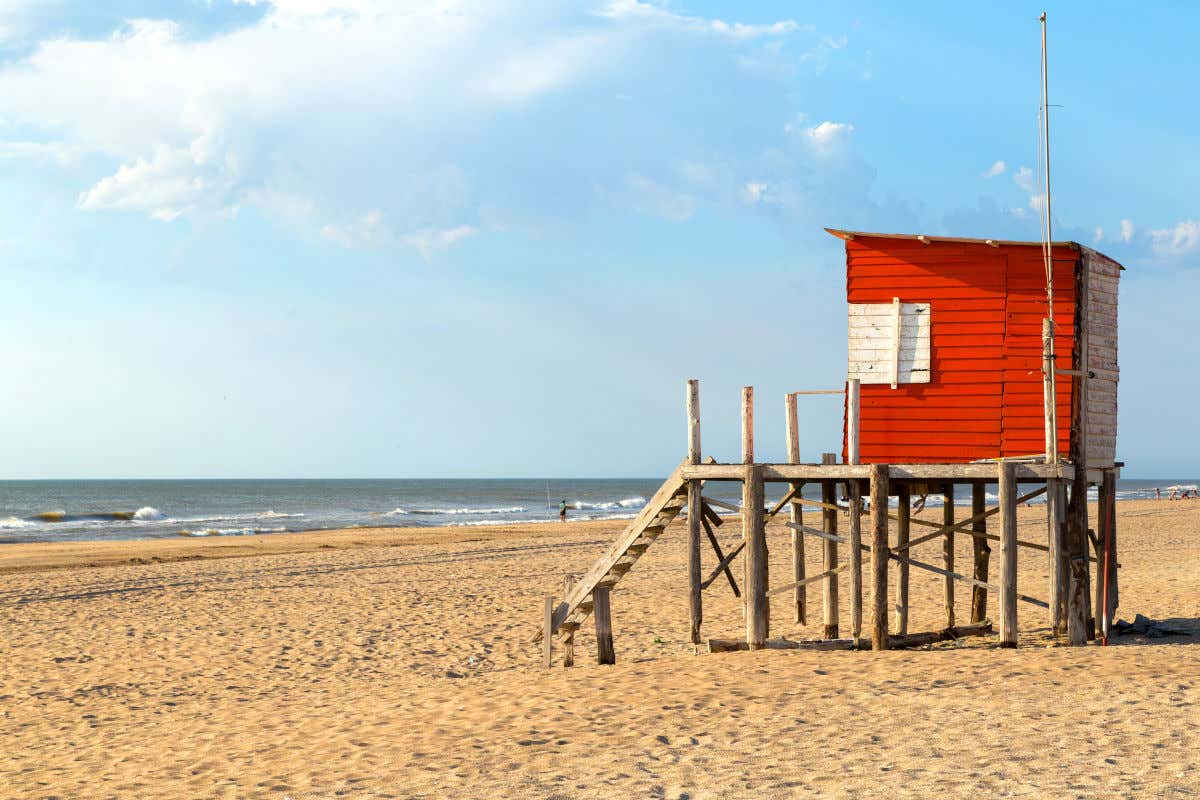
Yes, though they are a different proposition from the Caribbean. The Buenos Aires coast has long Atlantic beaches with full resort infrastructure, and Patagonia offers wildlife coastlines you will not find anywhere else. Set your expectations for wide sand and cool clear water rather than turquoise shallows.
Are the Beaches in Argentina Warm?
It depends where you go. Las Grutas has the warmest sea on the coast thanks to its shallow waters. The Buenos Aires beaches are comfortable through the summer. Patagonian lake and channel water stays cold all year, and Tierra del Fuego is not swimmable at all.
Where Do People From Buenos Aires Go to the Beach?
Mar del Plata, Pinamar and Villa Gesell are the three most chosen, all within a few hours by car or bus. See our guide to the best day trips from Buenos Aires for more options.
Where Can You Surf in Argentina?
Mar del Plata, especially Playa Grande, and Necochea are the two with the deepest surf tradition, both with schools and board rental for beginners. Villa Gesell also has workable conditions across several of its beaches.
Between the Buenos Aires coast, Atlantic Patagonia and the Andean lakes, Argentina has a far more varied shoreline than its reputation for tango and mountains suggests. Match the region to what you actually want from the water and the right beach is easy to find.
For everything else along the way, browse Civitatis’s full catalog and book the wildlife trips early, since whale season fills up fast.


Most read of #South America
What to See in Jalisco in 2026: Lake Chapala, Tequila & More
31 August 2026Moroccan Food: 12 Dishes to Try in Morocco
29 August 202614 Best Places to Visit in Canada
28 August 202612 Best Places to Visit in Spain (2026)
27 August 20263 Days in Lisbon: The Perfect Itinerary
25 August 202611 Best Places to Visit in Argentina (2026)
24 August 2026Most read #South America
Moroccan Food: 12 Dishes to Try in Morocco
29 August 202614 Best Places to Visit in Canada
28 August 202612 Best Places to Visit in Spain (2026)
27 August 20263 Days in Lisbon: The Perfect Itinerary
25 August 2026
12 Things to Do in Buenos Aires With Kids
21 August 2026What to See in San Luis Potosí, Mexico: 11 Highlights
14 August 2026The 10 Best Things to Do in Puerto Vallarta, Mexico
14 August 2026The 14 Best Museums in Mexico City, Aztecs to Chocolate
12 August 2026
The 14 Most Beautiful Places to Visit in Canada
11 August 202616 Best Things to Do in Querétaro, Mexico
10 August 202615 Best Places to Visit in India in 2026
8 August 202617 Best Places to Visit in France in 2026
7 August 2026
15 Must-Try Korean Dishes to Eat in South Korea
6 August 2026Top 11: The Best Day Trips from Mexico City (2026)
5 August 2026Things to Do in Los Cabos: 12 Unmissable Spots
4 August 2026